Indonesia
's MSMEs Look Abroad
An export clinic in Palu, Indonesia, is a small but significant indicator of a larger ASEAN-wide imperative: helping smaller firms connect to global markets, including China.
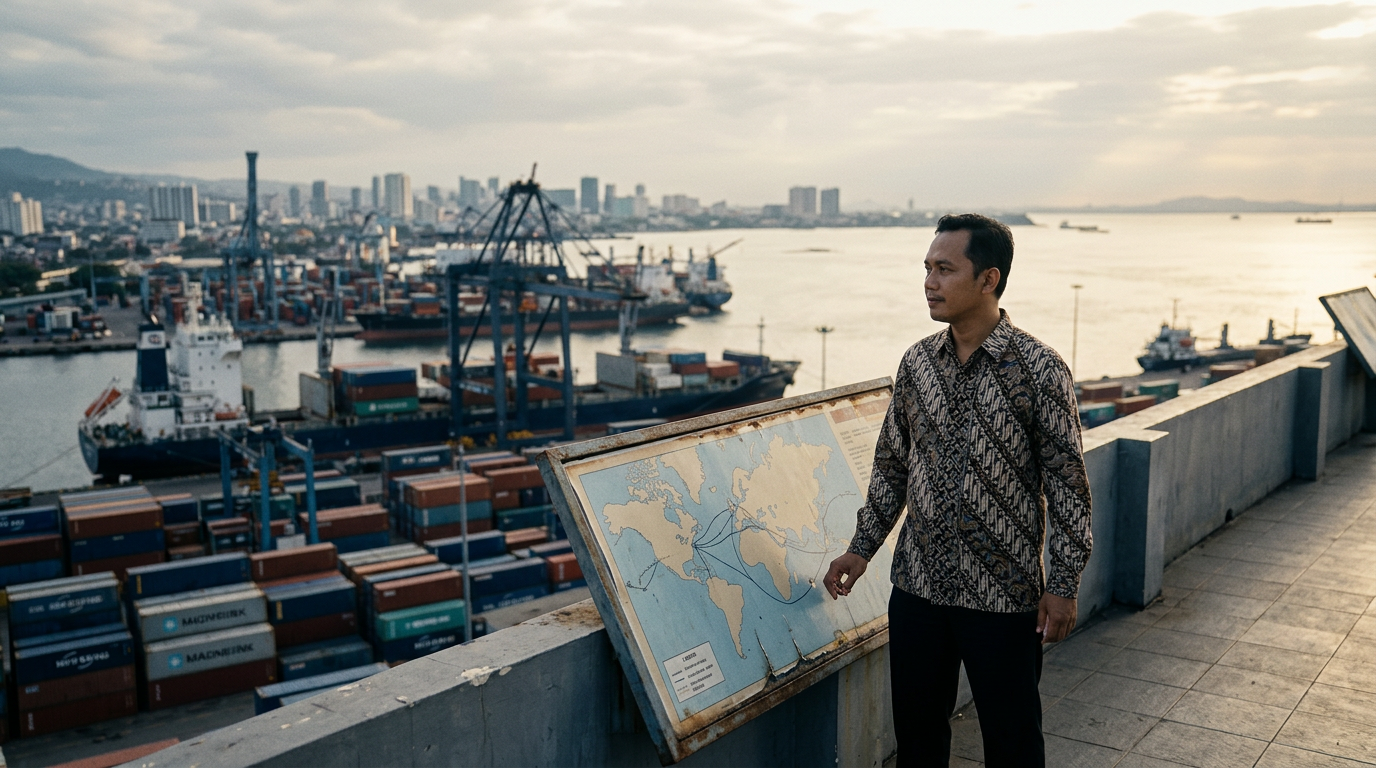
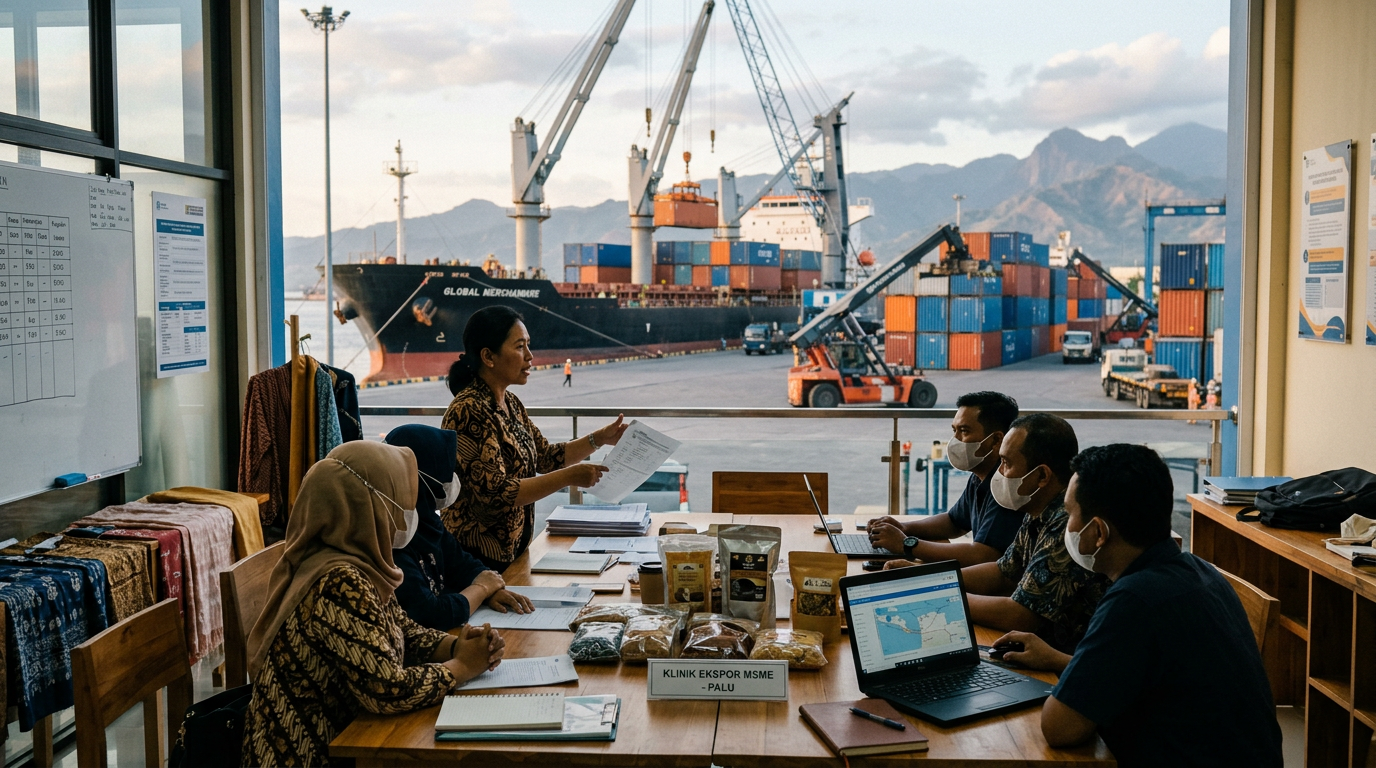
An export clinic to help micro, small, and medium enterprises (MSMEs) in Palu, Central Sulawesi, is the latest example of an ASEAN-wide push to connect smaller firms to global markets, as reported by Indonesia's Antara news agency. While the immediate focus is on boosting local economies, the initiative points to a deeper structural question for the region: how to equip firms to compete in a landscape profoundly shaped by China.
Institutions and Execution
The Palu export clinic, run by the local quarantine agency, is a classic example of institutional capacity building at the grassroots level. The goal is to provide entrepreneurs with the knowledge and tools to meet the complex requirements of international buyers. This includes guidance on phytosanitary standards, packaging, and logistics. For many MSMEs, these institutional hurdles are the primary barrier to entry into the export market. Without such hands-on assistance, the costs and complexities of compliance are often prohibitive. Successful execution of these clinics can create a scalable model for other provinces, turning a local initiative into a national strategy for export diversification.
However, the success of such programs depends on consistent implementation and follow-through. It is not enough to simply provide a one-off seminar. Institutions must create a sustained support system that helps firms move from initial inquiry to final sale. This requires coordination between various government bodies, from trade and agriculture to finance and logistics. The Palu clinic represents a single node in this complex network. The true test will be how effectively this node connects to the broader ecosystem of trade promotion and financing.
Capital and Infrastructure
Beyond institutional knowledge, MSMEs need access to capital and reliable infrastructure to fulfill export orders. The Antara report does not detail the financing mechanisms available to Palu's entrepreneurs, but this remains a critical piece of the puzzle. Exporting requires upfront investment in production, inventory, and shipping. Many MSMEs lack the credit history or collateral to secure traditional bank loans, creating a significant financing gap. Government-backed export-import banks and loan guarantee schemes are essential to bridge this gap, allowing promising firms to scale up their operations.
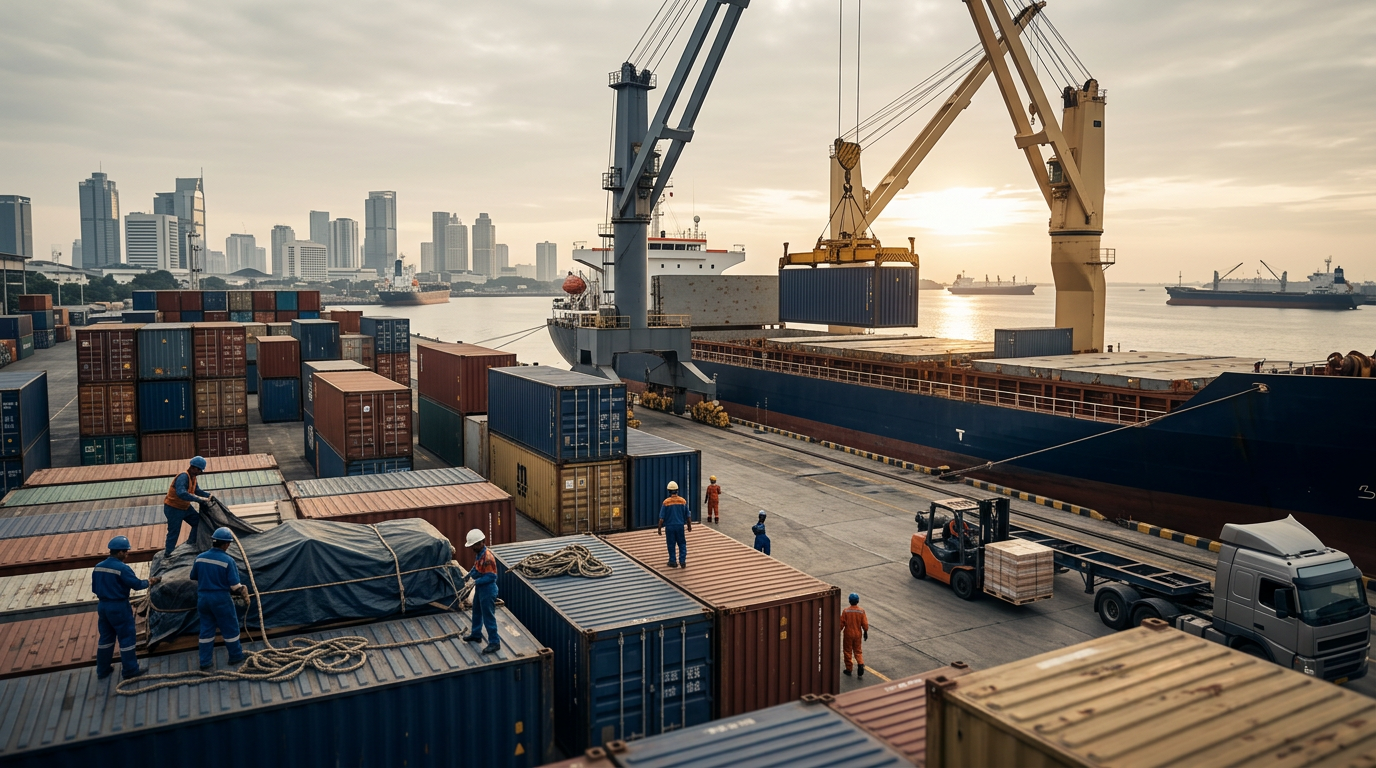
Physical infrastructure is another core component. Efficient ports, reliable road networks, and modern cold storage facilities are necessary to move goods from a provincial capital like Palu to international markets in a timely and cost-effective manner. While Indonesia has made substantial investments in infrastructure under President Joko Widodo, last-mile connectivity and inter-island shipping often remain bottlenecks. For exporters of agricultural goods, such as those targeted by the Palu clinic, delays can lead to spoilage and catastrophic losses. The quality of infrastructure, therefore, directly impacts the viability of these export-oriented businesses.
Managing Dependency
The broader context for these local efforts is the immense pull of the Chinese market. As ASEAN Rising notes, for the region's governments, the question is "how to manage dependency without losing optionality." Initiatives like the Palu export clinic are, in effect, attempts to improve that optionality. By empowering MSMEs to access a wider range of markets, governments can help diversify their economic partnerships and reduce over-reliance on a single trading partner.
This is not about decoupling from China, which would be both impractical and undesirable. China remains the largest trading partner for ASEAN and a vital source of demand and investment. Rather, it is about building the capacity of local firms to meet the standards of multiple international markets, be it Japan, the European Union, or the Middle East. A firm that can successfully navigate the export process for one market is better positioned to enter others. This creates resilience and flexibility for the national economy. The skills and standards learned through these programs can also make MSMEs more competitive in their home market and better able to integrate into regional supply chains.
What to watch
Watch for how these local-level training initiatives connect to national-level trade policy and financing mechanisms. The success of Indonesia's export diversification strategy will depend on its ability to scale these pilot programs and integrate them into a coherent support system. The level of private sector uptake and the number of MSMEs that successfully convert training into tangible export sales will be key metrics. Also, monitor whether these firms primarily flow into the China trade or successfully diversify their customer base across multiple countries, which will signal the true extent of their increased optionality.