Vietnam
's Value Chain Ascent
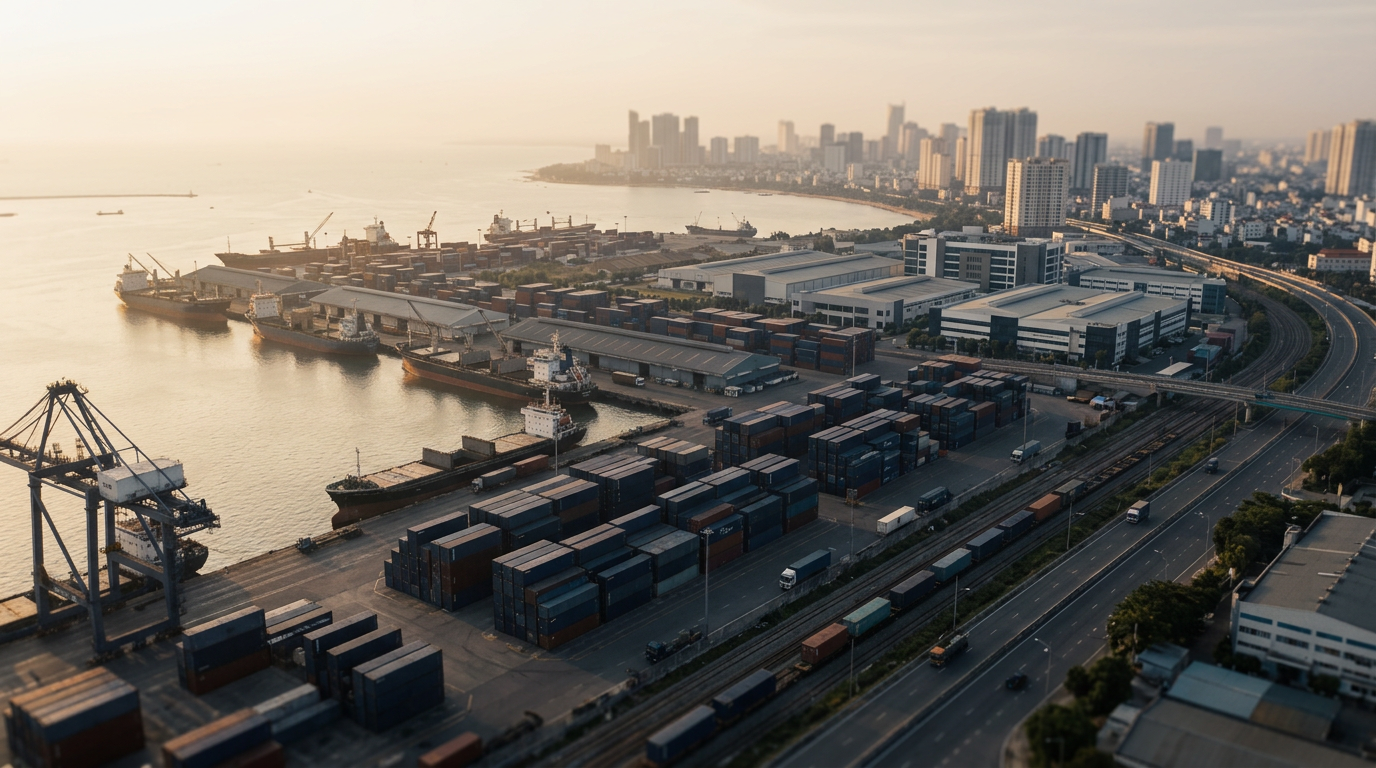
Vietnam's industrial capabilities are moving up the value chain, attracting partners from outside the region and offering a model for managing economic concentration.
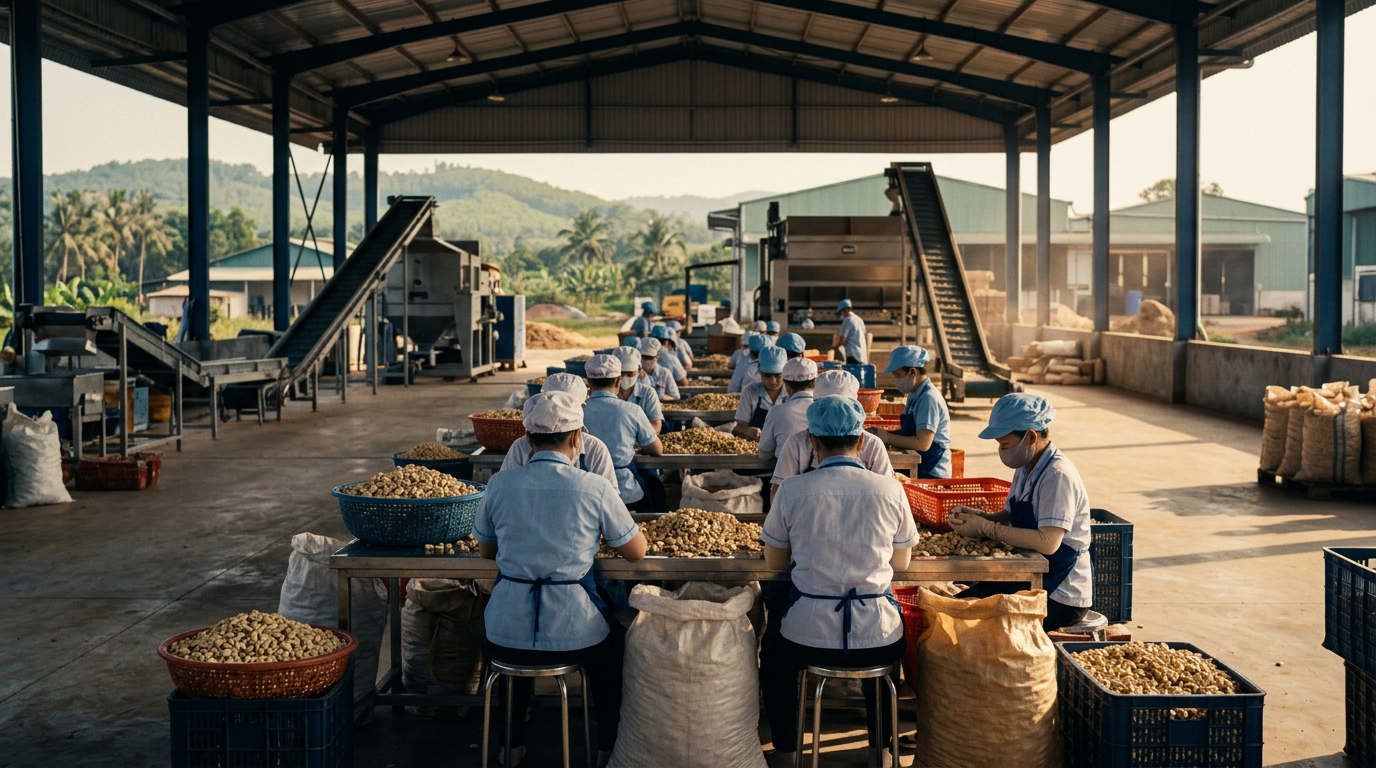
A recent meeting between a Ghanaian delegation and Vietnam's PSL Machinery to discuss an integrated cashew-processing model highlights a notable trend in Southeast Asia's industrial evolution. As reported by e.vnexpress.net, the talks covered factory design, production management, and even potential offtake of finished products. This move signals Vietnam's growing capacity not just for assembly or raw material export, but for providing higher-value industrial systems and expertise.
From Components to Complete Systems
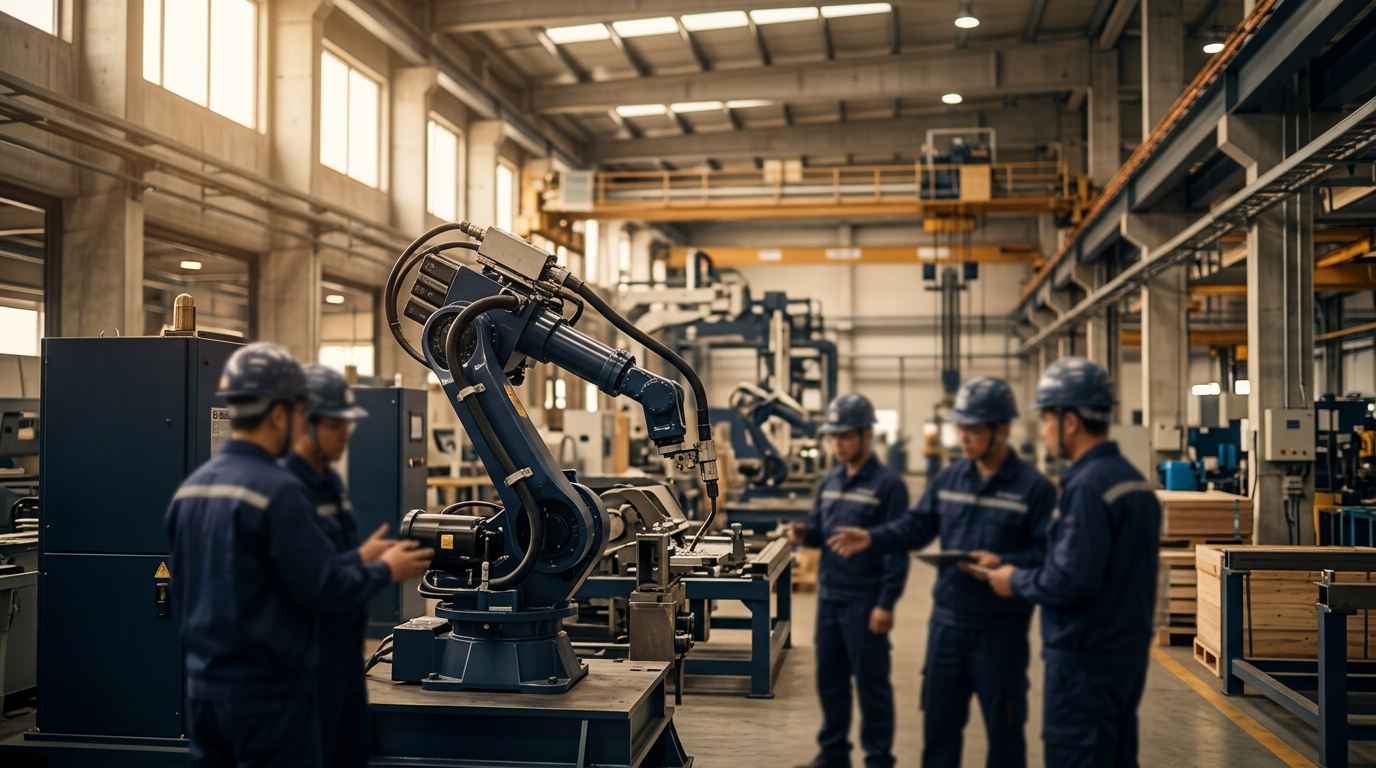
The partnership illustrates a significant shift. Where ASEAN nations have often been positioned as single links in a global supply chain-providing raw materials or assembling components-Vietnamese firms are now demonstrating the ability to deliver entire production solutions. PSL Machinery is not merely selling machines; it is offering a comprehensive package that includes factory design, solar power integration, and management systems. This represents a move from being a supplier of goods to a partner in value creation.
This evolution is a direct result of decades of investment in talent and infrastructure. By developing a domestic ecosystem of engineering and manufacturing know-how, Vietnam has cultivated firms capable of competing on a global stage. This enables the economy to capture more value from the goods it produces and to build industrial relationships on a more equal footing. The cashew processing partnership is a small but telling example of a larger trend toward industrial sovereignty and capability.
Managing Dependency, Building Optionality
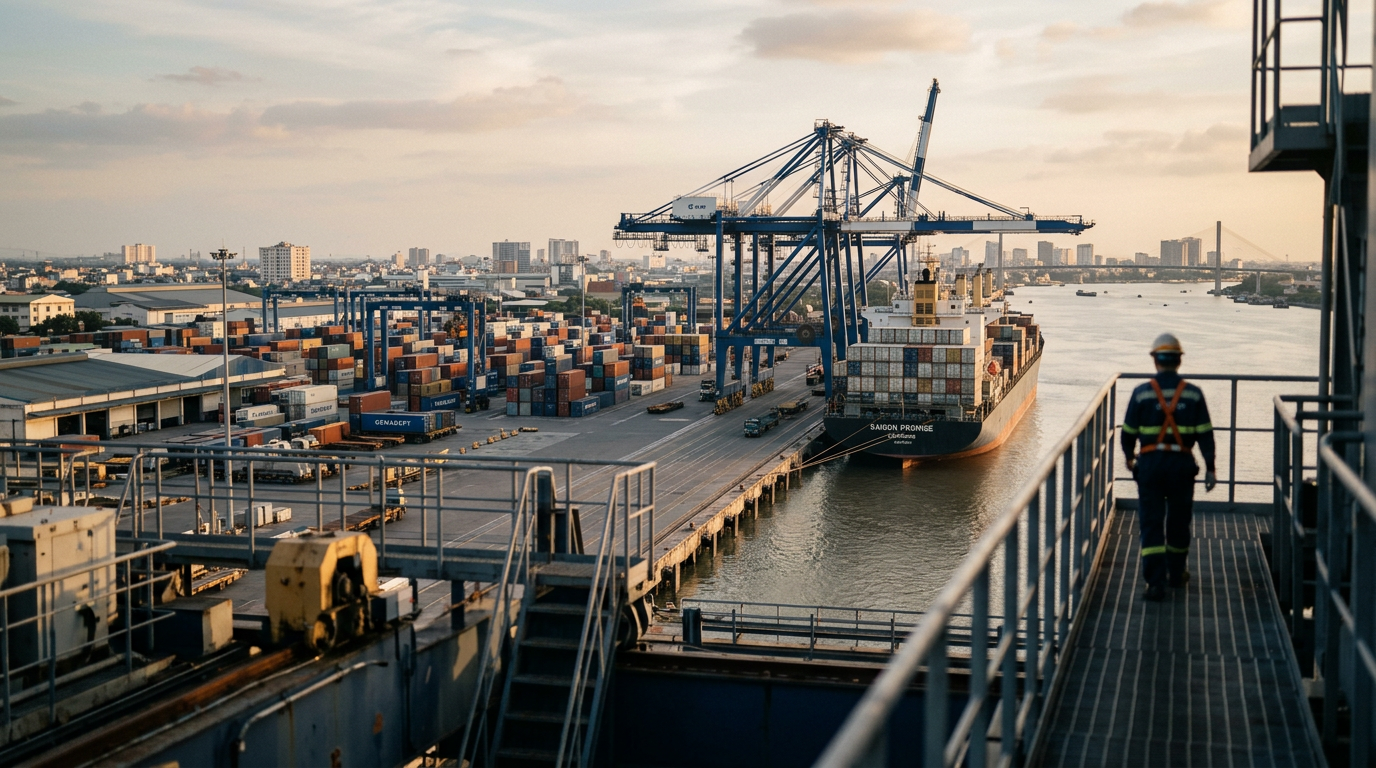
The ability to export not just products but also production systems speaks to a core theme of economic strategy in the region. As "ASEAN Rising" notes, deep trade integration with major partners like China is a structural reality. The primary task for governments is "how to manage dependency without losing optionality." Developing sophisticated domestic industrial sectors is a direct answer to this imperative.
By building capabilities in areas like specialized machinery and integrated factory design, ASEAN economies can diversify their dependencies. Instead of relying on a single external partner for technology and capital goods, they can become sources of these goods themselves. This creates new export markets-in this case, with a partner in Africa-and provides a buffer against supply chain disruptions or geopolitical pressures. It transforms the economic relationship from one of simple trade to one of strategic partnership, enhancing economic resilience.
What to watch: The key indicator of this trend will be whether other ASEAN nations can replicate this model of exporting integrated industrial systems. Observe if firms in Thailand, Malaysia, or Indonesia begin to package their own manufacturing and operational expertise for export, particularly to emerging markets in Africa, Latin America, or South Asia. The success of these ventures will signal a broader shift in ASEAN's role in the global economy, moving from a production base to a source of industrial innovation and turnkey solutions.