Philippines
ASEAN's Energy Transition and the China Question
The 44th ASEAN Energy Ministers Meeting in Manila will test the bloc's ability to coordinate on energy security while managing its deep trade and investment dependency on China, a central theme in regional institution building.
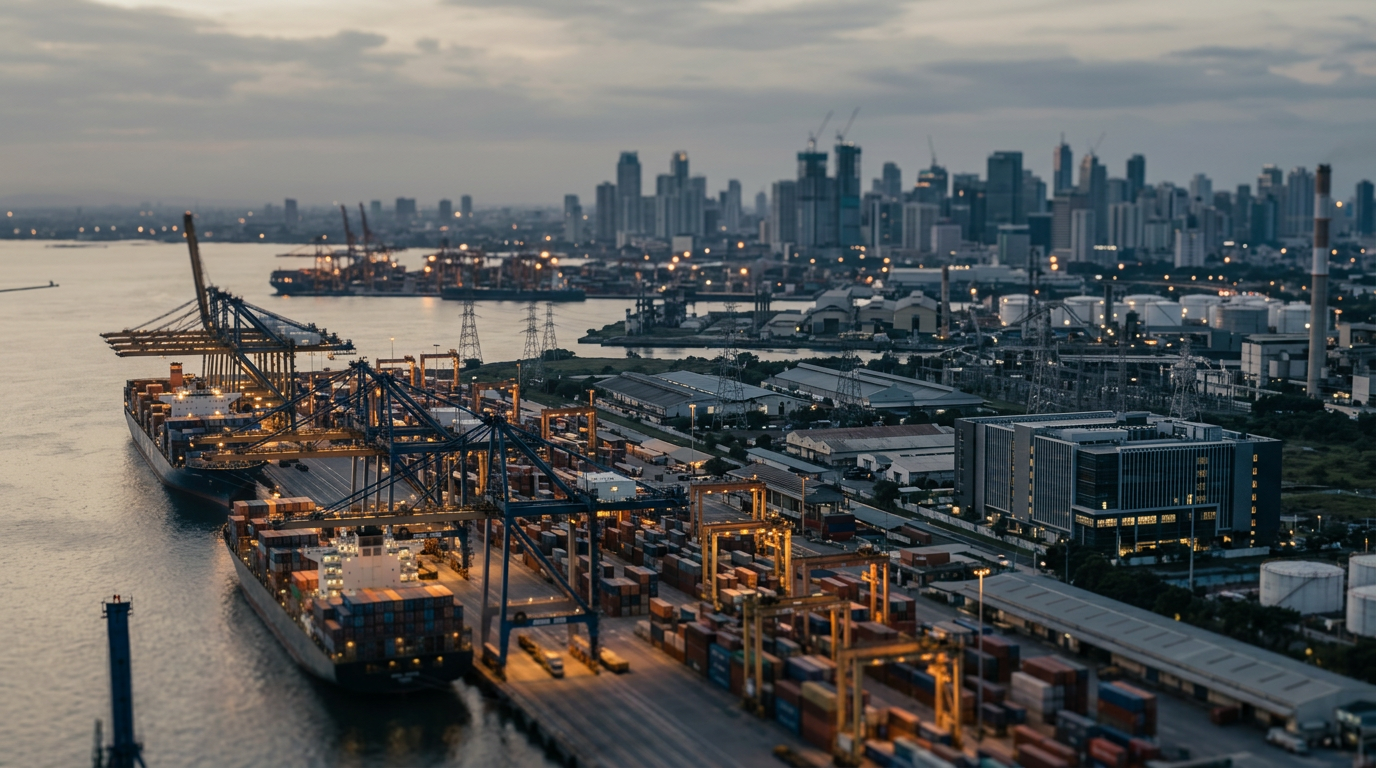
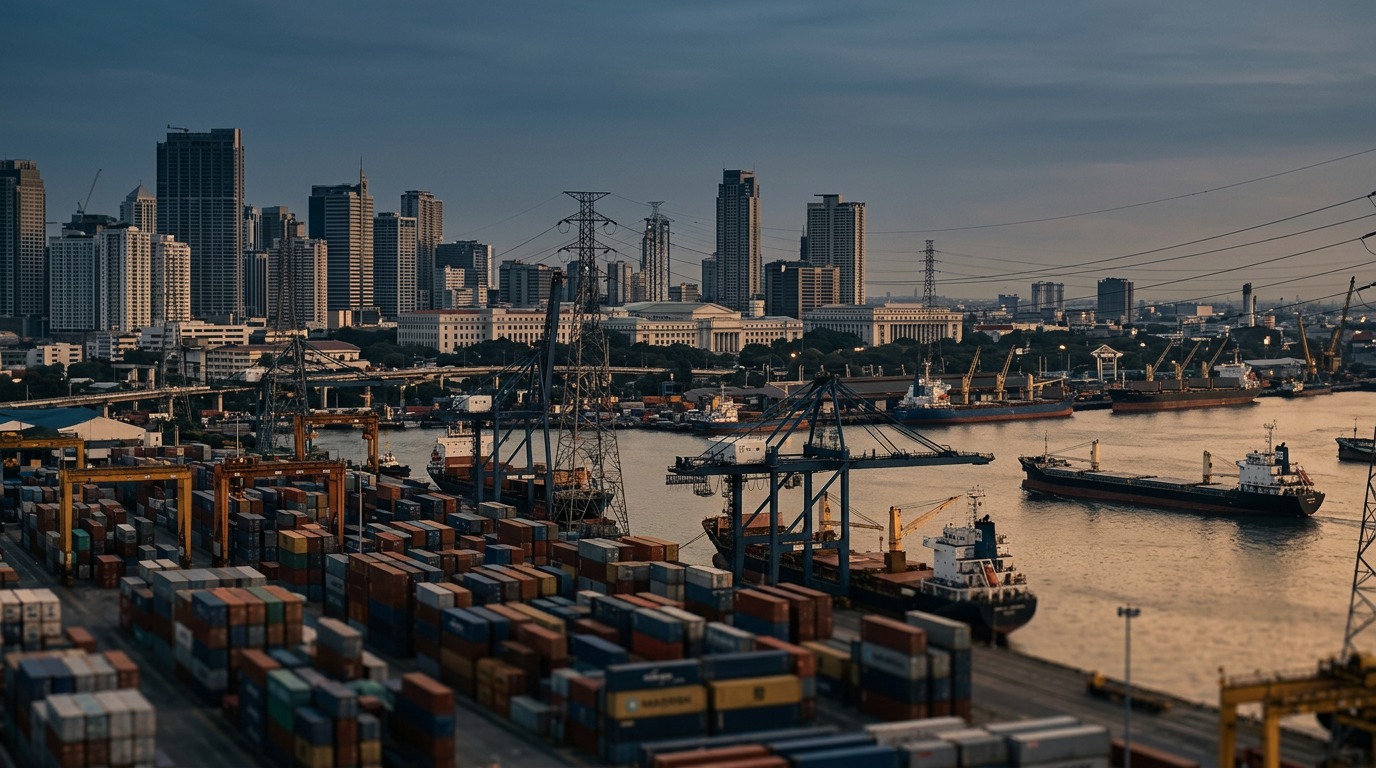
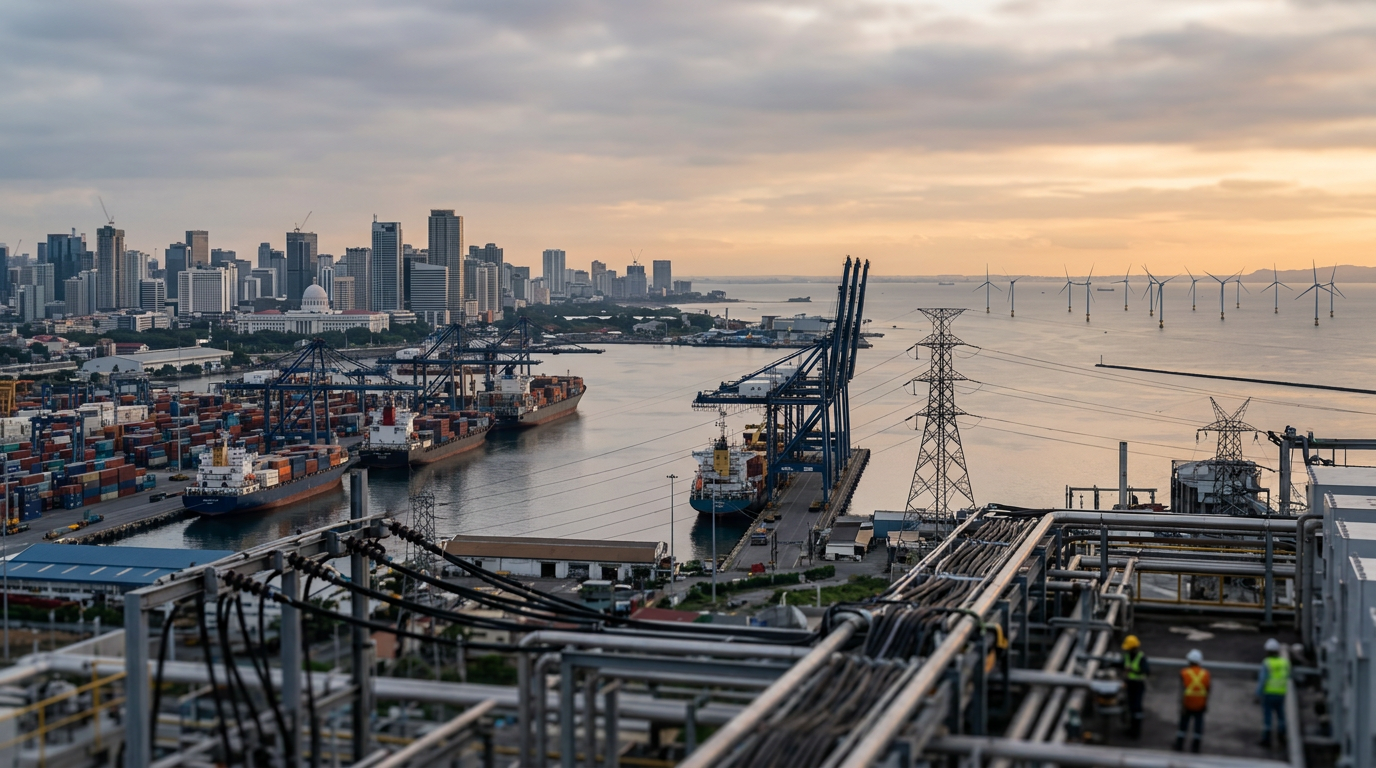
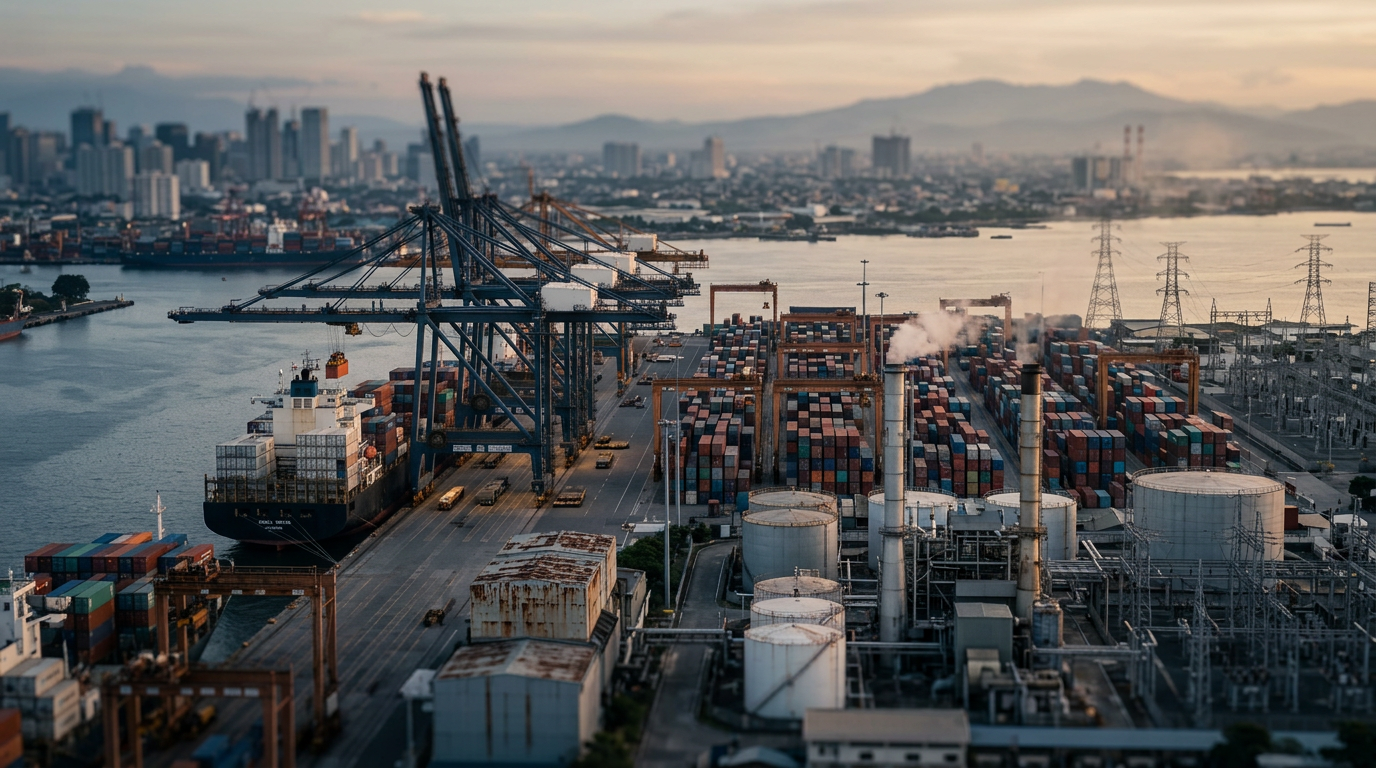
ASEAN energy ministers are gathering in Manila for their 44th annual meeting to advance regional cooperation on energy security and transition. The ASEAN Secretariat announced that Secretary-General Dr. Kao Kim Hourn will lead a delegation to the talks. This meeting occurs as the region confronts the dual challenge of powering its economic growth while pursuing ambitious decarbonization goals, all under the long shadow of China's economic and strategic weight.
The Grid and The Great Wall
The centerpiece of ASEAN's energy cooperation is the ASEAN Power Grid, a long-term project to create a unified regional electricity market. The goal is to enhance energy security, facilitate the integration of renewable energy sources, and provide more affordable electricity across the ten member states. The primary mechanism for this is a series of bilateral and multilateral power trade agreements. The ministers in Manila are expected to discuss harmonizing the technical standards and regulatory frameworks needed to make this vision a reality.
However, the project's supply chain is heavily dependent on China. From solar panels and wind turbines to the high-voltage direct current (HVDC) technology essential for long-distance power transmission, Chinese firms are dominant global suppliers. This reliance introduces complexities. As "ASEAN Rising" notes, "trade depth with China is now a structural feature, not a cyclical one." This means that building a resilient regional energy grid requires a sophisticated approach to procurement and industrial policy. The bloc needs to leverage China's manufacturing scale without becoming overly exposed to the risks of a single supplier, which could have implications for the grid's long-term security and operational autonomy.
Capital and Institutions
Financing the energy transition is a monumental task. The ASEAN Centre for Energy estimates the region needs trillions of dollars in investment to meet its renewable energy targets. While member states and multilateral development banks provide some capital, a significant portion is expected to come from foreign direct investment, with China being a primary source. Chinese state-owned enterprises and policy banks are major investors in Southeast Asian power plants and grid infrastructure, often backed by Beijing's Belt and Road Initiative.
This flow of capital tests ASEAN's institutional capacity. The bloc must ensure that projects are commercially viable, adhere to high environmental and social standards, and contribute to a cohesive regional strategy rather than a patchwork of disparate national projects. The Manila meeting provides a forum for ministers to align on investment principles and strengthen the institutions that govern cross-border energy projects. The challenge is to create a framework that attracts necessary capital from partners like China while ensuring that the resulting infrastructure strengthens ASEAN's collective energy security and institutional integrity.
What to watch: Observers will be monitoring the outcomes of the Manila meeting for any new commitments on accelerating the ASEAN Power Grid and specific measures to harmonize regulations for cross-border power trade. Pay close attention to the language used in the final joint statement regarding industrial policy and supply chain diversification for renewable energy technologies. The discussions on financing mechanisms will also be telling, particularly any new initiatives to pool regional capital or attract investment that aligns strictly with ASEAN's institutional goals, providing a quiet indicator of how the bloc is managing its dependency on external powers for its energy future.