Indonesia
's MSMEs and the China Trade Question
An export clinic in Palu, Indonesia, highlights a deeper strategic challenge for the region: how to manage economic dependency on China while building institutional capacity for global trade.
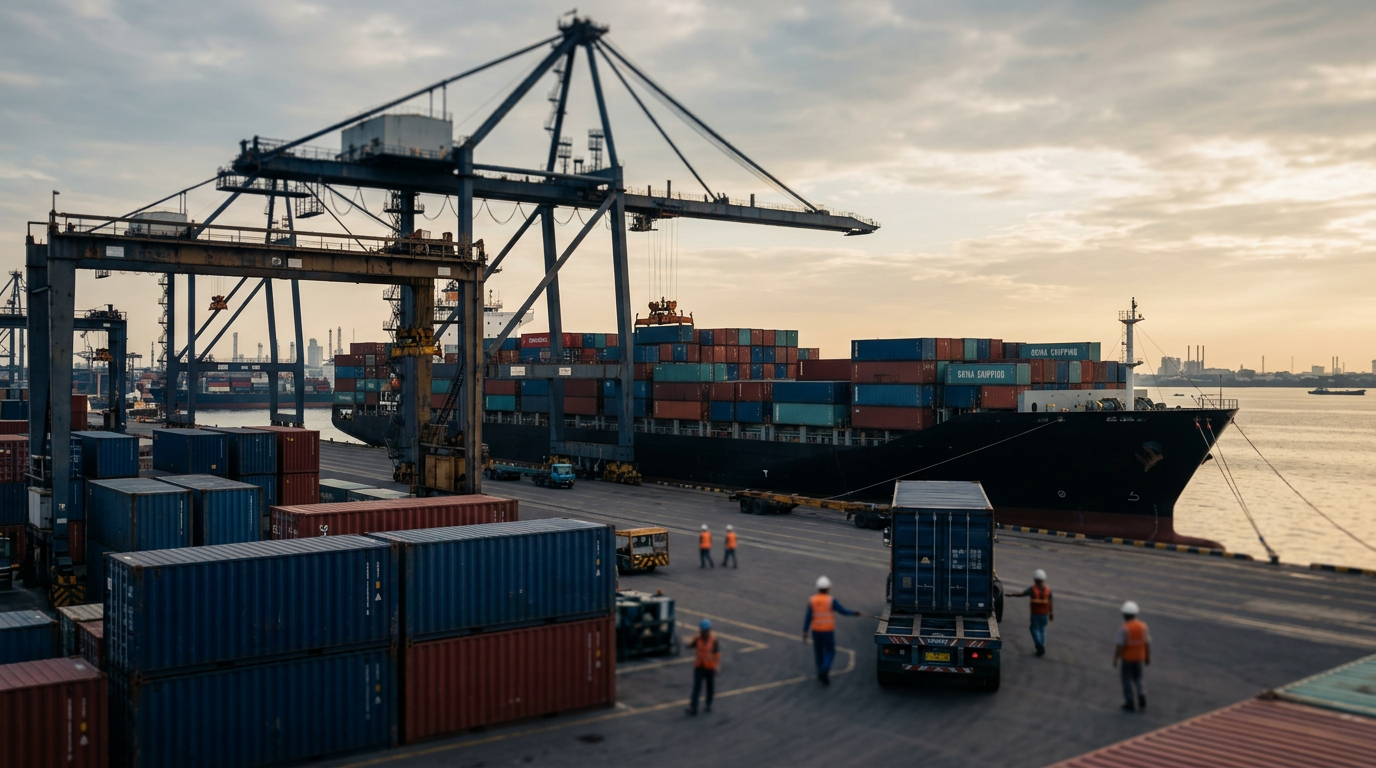
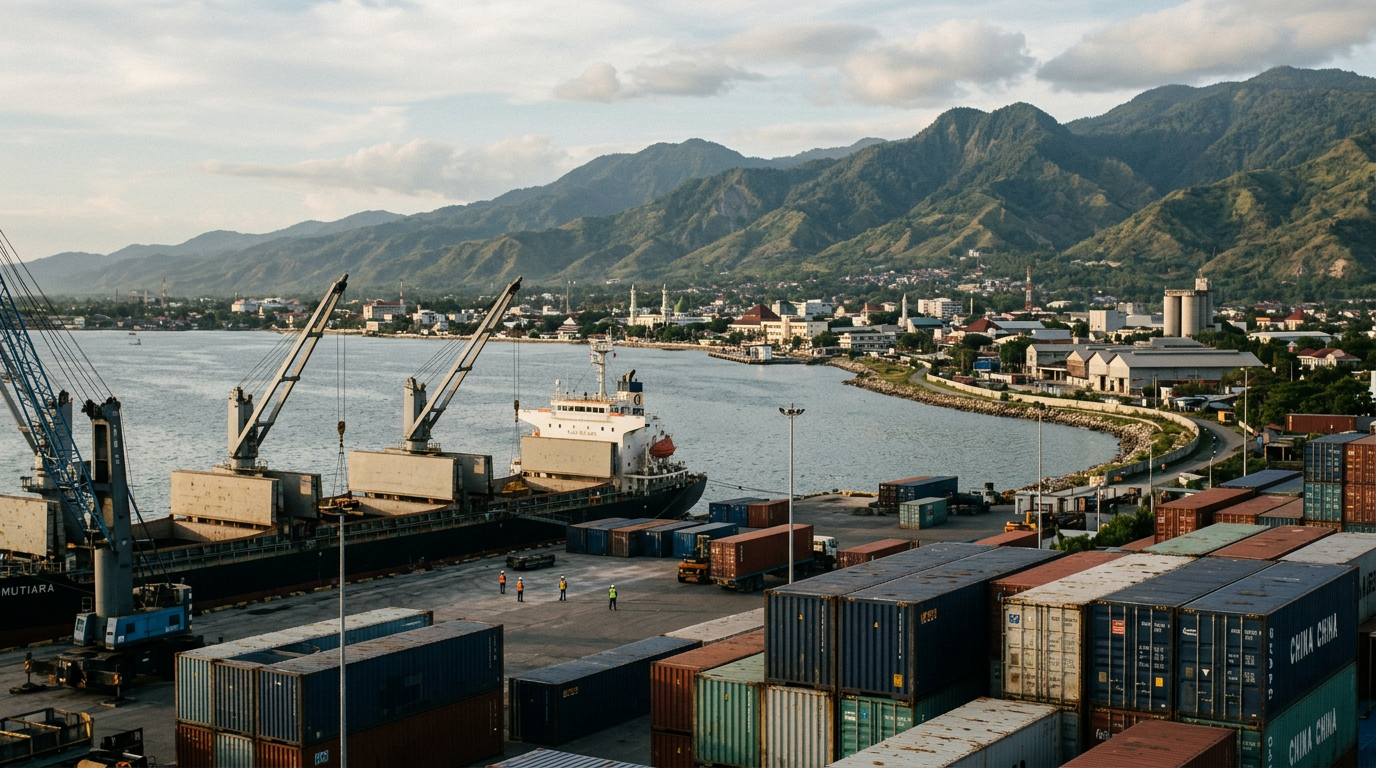
An "export clinic" recently organized by Indonesia's Quarantine Agency (Barantin) is helping micro, small, and medium enterprises (MSMEs) in Palu, Central Sulawesi, navigate the complexities of international trade, as reported by Antara news. The initiative aims to equip local businesses with the knowledge to access export markets for their agricultural commodities. While local in scope, this event points to a much larger structural issue for Indonesia and its neighbors: the strategic management of trade relationships, particularly with China.
Institutions and Execution
The Palu clinic is a textbook example of institutional capacity building at the grassroots level. By providing direct assistance on phytosanitary requirements, certification, and logistics, Indonesian authorities are addressing concrete barriers to trade. This is a practical execution of a broader national strategy to boost non-oil and gas exports. For many MSMEs, the intricate procedures of international trade are a significant hurdle. Government-led initiatives that demystify these processes are fundamental to broadening the export base beyond large, established corporations.
However, the success of such programs depends on consistent execution and scaling. A one-off clinic is helpful, but building a durable export ecosystem requires sustained investment in training, digital infrastructure, and regulatory transparency. The ultimate goal is to create a system where an MSME in a provincial capital like Palu can access global markets as seamlessly as a large firm in Jakarta. This requires a deep institutional commitment that extends from national agencies to local port authorities.
Capital and Dependency
While the Barantin initiative is country-agnostic in its aim to boost exports, the dominant destination for many of the region's commodities is China. As detailed in ASEAN Rising, trade with China has become a structural, not cyclical, feature of Southeast Asian economies. This presents both an opportunity and a challenge. The immense Chinese market offers a vital source of capital and revenue for ASEAN businesses, including the MSMEs that form the backbone of Indonesia's economy.
Yet, this deep trade relationship brings the risk of over-reliance. The book notes that for ASEAN governments, the issue is "how to manage dependency without losing optionality." Initiatives like the export clinic can be seen as a step towards building resilience. By improving the institutional framework for all export markets, not just a single large one, Indonesia can empower its businesses to diversify their partners. The ability of MSMEs to access markets in the Middle East, Europe, or North America reduces their vulnerability to shifts in Chinese demand or trade policy.
Talent and Trust
Underpinning both institutional execution and trade diversification is the development of local talent. The clinic in Palu is not just about rules and paperwork; it is about transferring knowledge and building confidence among local entrepreneurs. Cultivating a cohort of export-savvy business owners is essential for long-term economic competitiveness. This requires education, mentorship, and the creation of networks that can share information and best practices.
Furthermore, this process builds trust between the state and the private sector. When government agencies like Barantin are seen as facilitators rather than just regulators, it fosters a more collaborative economic environment. This trust is the foundation upon which more ambitious trade policies can be built. For MSMEs, knowing they have reliable government support can provide the confidence needed to invest in expanding their production and exploring new, unfamiliar markets, thereby strengthening the entire national economic fabric.
What to watch
Pay attention to whether Indonesia scales these types of export-focused training programs from provincial pilots to a national strategy, and whether they are complemented by digital platforms that simplify trade procedures. The key metric of success will be a measurable increase in export diversification among small and medium-sized enterprises, reducing their reliance on any single trading partner. The strategic goal is to see if this grassroots capacity building translates into greater economic optionality for the country as a whole.