Vietnam
's quiet export substitution model
Vietnam's model of shifting from primary agricultural exports to higher value-added goods offers a template for other developing nations looking to move up the value chain.
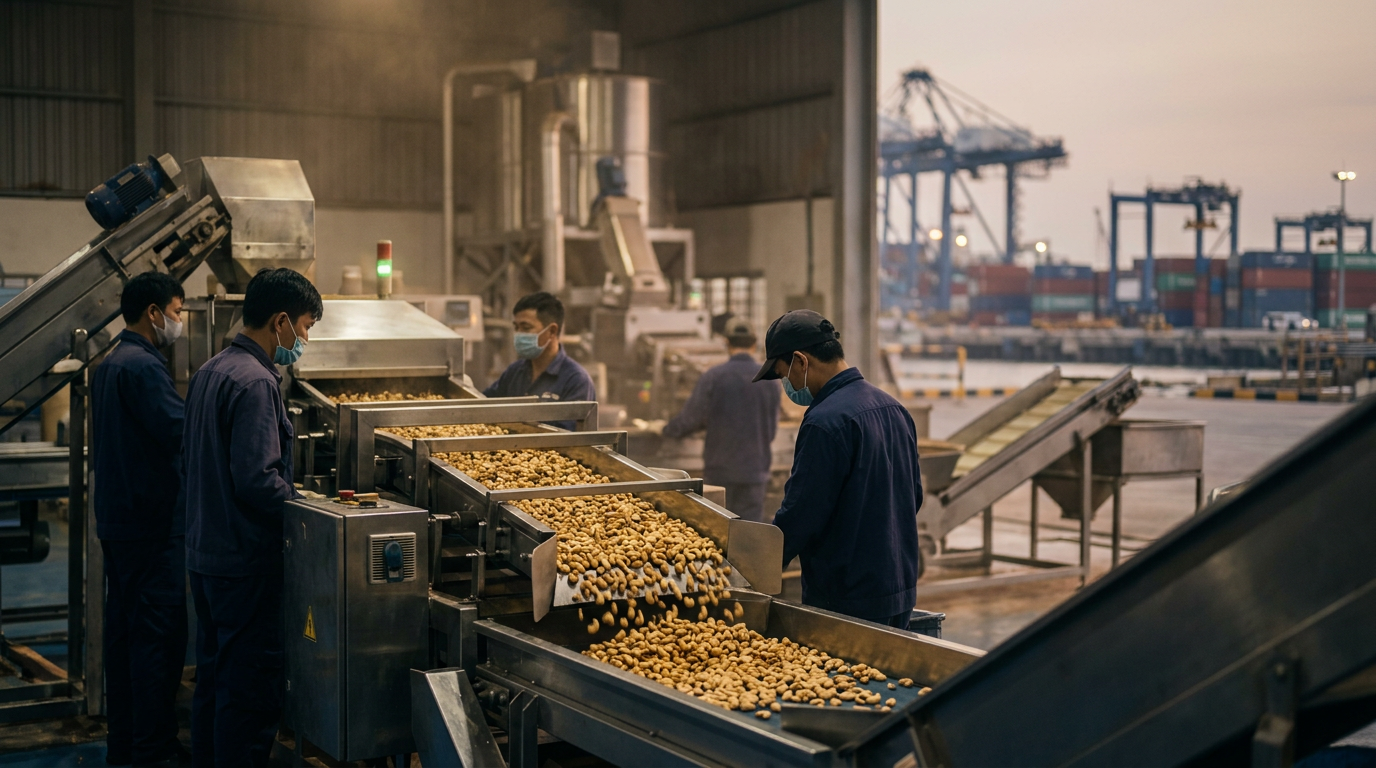
A recent meeting between a Ghanaian delegation and Vietnam's PSL Machinery to discuss cashew-processing technology highlights a subtle but significant trend in global trade, as reported by VNExpress. While the immediate focus is on a single agricultural commodity, the larger story is about how a developing nation can systematically climb the value chain from raw material supplier to a provider of industrial expertise. This is a model that Vietnam has quietly perfected over the last two decades, particularly in its trade relationship with China.
From commodity to value
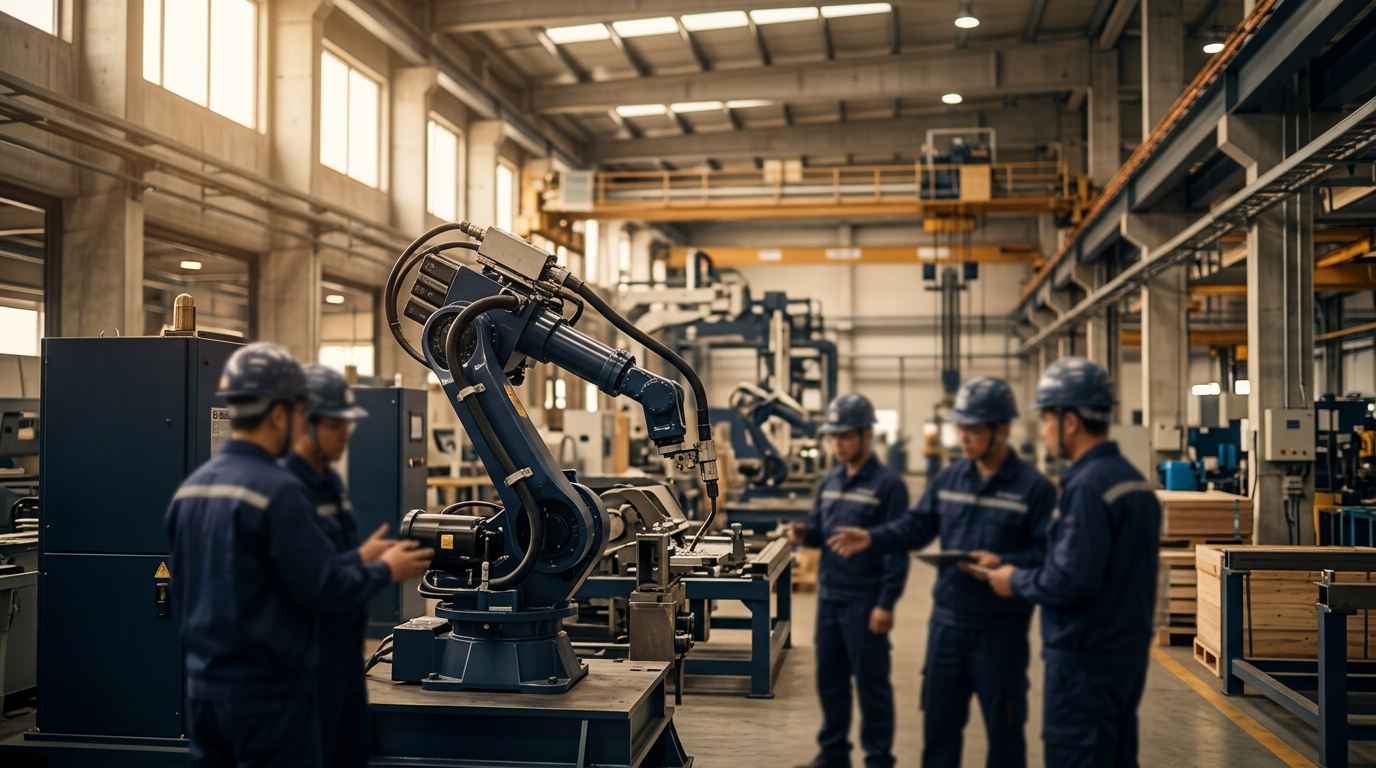
For years, Vietnam, like many of its ASEAN neighbors, was a primary supplier of raw and semi-processed agricultural goods to the vast Chinese market. This arrangement, while profitable, exposed the economy to price volatility and limited its long-term growth. The shift towards exporting finished goods and the machinery required to produce them represents a deliberate strategy of import substitution, but at the export end of the supply chain. Instead of just selling cashews, Vietnam is now selling the entire system for processing them-from factory design to production management.
This evolution is a direct response to the economic pressures and dependencies that come with deep trade integration with a much larger partner. As the book "ASEAN Rising" notes, for member states, the question is not whether to engage with China, but how to manage the resulting dependency. Vietnam's approach has been to internalize production capabilities, reducing its role as a mere conduit for Chinese manufacturing and instead building its own industrial base. The PSL Machinery deal with Ghana is a clear manifestation of this strategy: an ASEAN firm is exporting not just a product, but a production model.
The China factor
This strategic shift is impossible to understand without considering the context of China. While China remains ASEAN's largest trading partner, the nature of that trade is changing. Initially, ASEAN countries were integrated into supply chains dominated by Chinese assembly. Vietnam, however, has actively worked to develop its own manufacturing capabilities, moving from assembling goods for Chinese companies to creating its own products and, now, exporting its own industrial technology.
This move up the value chain serves a dual purpose. It creates a more resilient domestic economy, less susceptible to shifts in Chinese demand. It also allows Vietnam to project its own economic influence and establish itself as a leader in specific industrial sectors. Exporting agricultural processing machinery is an ideal starting point, as it builds on the country's inherent strengths while pushing it into a higher-value segment of the global market. "Trade depth with China is now a structural feature, not a cyclical one," and Vietnam is adapting to this reality by building an economy that can stand on its own.
What to watch: The key indicator of success for this strategy will be whether firms like PSL Machinery can replicate this model across other industries and with other partners in the developing world. Watch for similar deals in sectors like aquaculture, textiles, and electronics manufacturing, as Vietnam attempts to export its own model of industrialization. The extent to which Vietnamese firms can secure offtake agreements for the finished products, as mentioned in the Ghana talks, will also demonstrate the sustainability of this integrated approach.