Vietnam
's quiet industrial rise
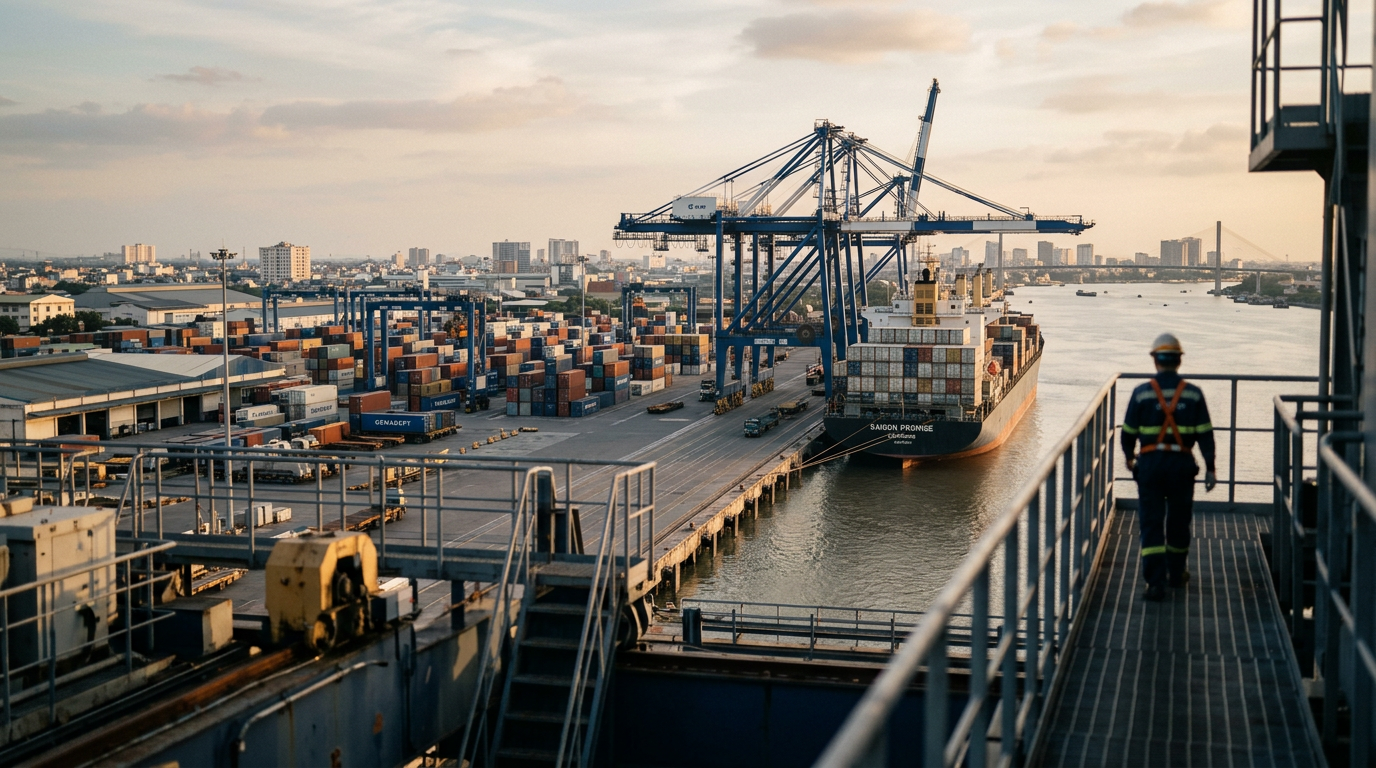
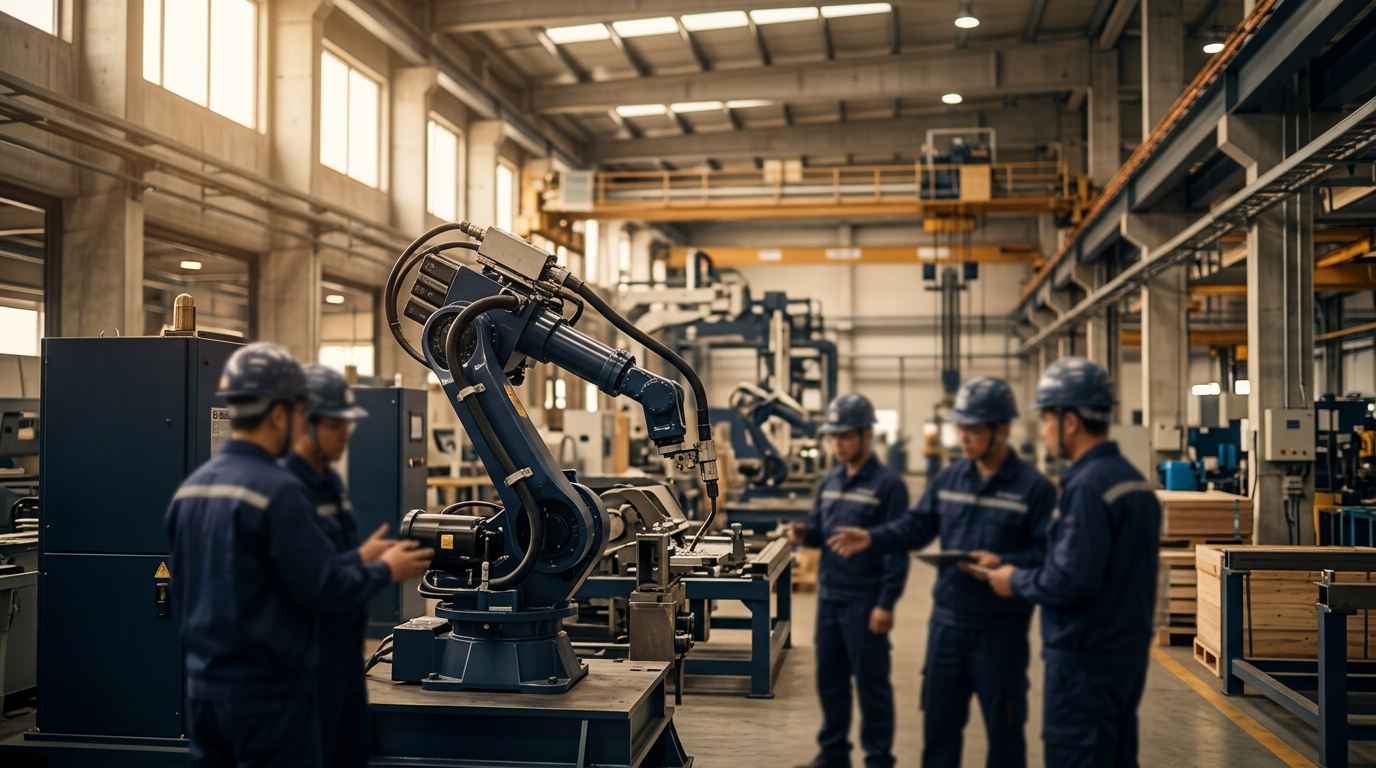
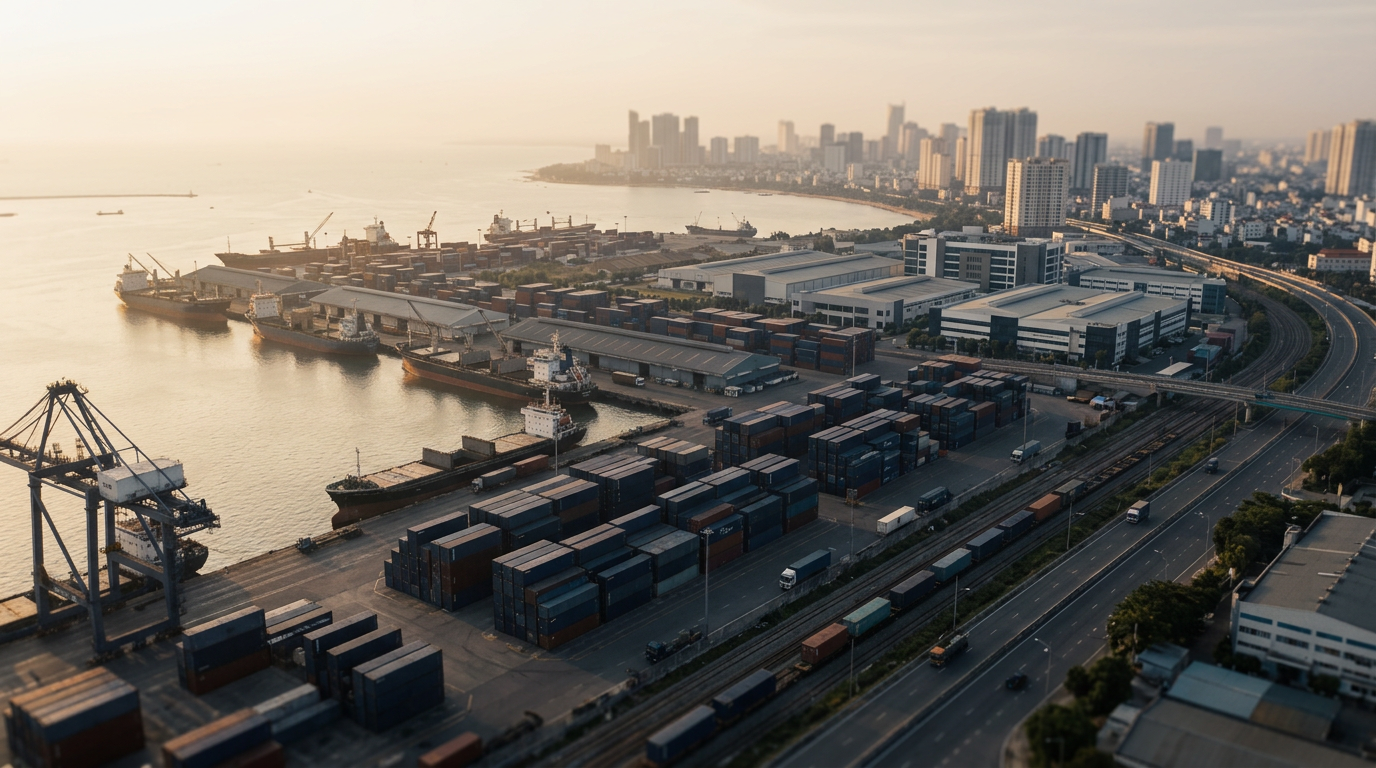
Vietnam is leveraging its manufacturing expertise to build and export industrial ecosystems, moving up the value chain from components to integrated systems.
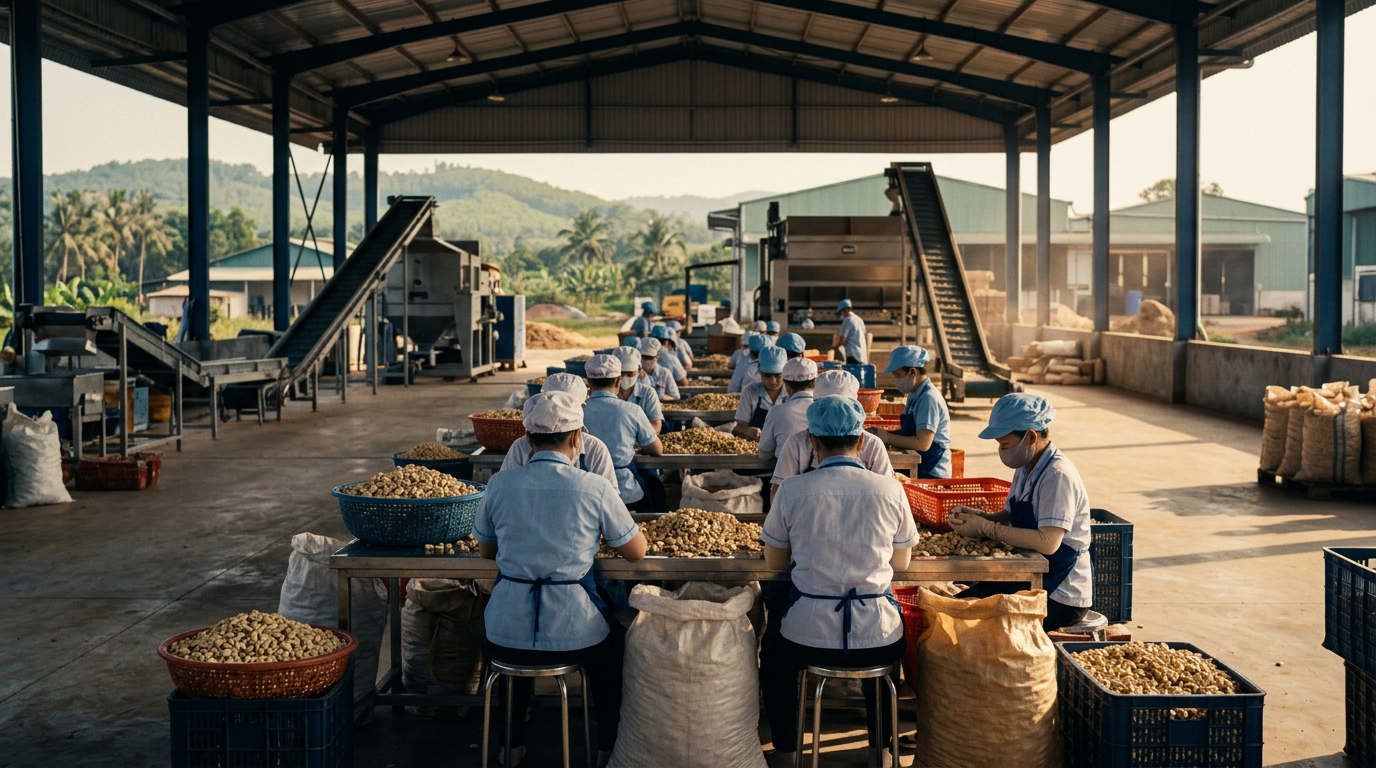
A Ghanaian delegation was recently in Vietnam for talks with PSL Machinery on a comprehensive cashew-processing model, from factory design to production management, according to a report in e.vnexpress.net. The discussions highlight a subtle but significant shift in Vietnam's industrial trajectory: its growing capacity to export not just goods, but entire manufacturing ecosystems.
From processor to partner
For decades, Vietnam has been a formidable player in processing agricultural products like coffee and cashews. This deep experience in a single commodity has created a foundation of specialized knowledge. Companies like PSL Machinery have built on that foundation, developing expertise in the equipment, workflows, and management systems required for efficient processing. Now, they are packaging this knowledge and exporting it. By offering an integrated solution that includes factory design, solar power, and production management, the Vietnamese firm is moving beyond simple equipment sales and into higher-value industrial consulting and system integration. This allows partners like Ghana to acquire not just machines, but a functioning industrial model, accelerating their own development.
Industrial ecosystems as an export
This move from component supplier to system integrator is a well-established path for industrializing nations. Instead of just exporting processed cashews, Vietnam is now exporting the means of production itself. This demonstrates a maturing industrial base capable of abstracting its operational knowledge into a replicable, exportable package. It is a more complex and durable form of economic influence than simply selling finished goods. This shift requires a confluence of talent, reliable infrastructure, and institutional knowledge- all areas where Vietnam has made steady, if quiet, progress. This capacity to deliver a full-stack industrial solution, from hardware to operational management, represents a new phase in the country's economic development.
Navigating trade relationships
This evolution in Vietnam's export profile also has implications for its regional trade strategy. As discussed in ASEAN Rising, managing economic relationships, particularly with larger partners, is a central theme for the bloc's members. For Vietnam, developing these industrial export capabilities provides a way to diversify its economic partnerships and move up the global value chain. By becoming a provider of industrial systems to emerging economies like Ghana, Vietnam creates new trade avenues and reduces its reliance on any single market. As the book notes, the key question for governments is "how to manage dependency without losing optionality." Developing these higher-value exports is a direct and effective answer to that question, providing Vietnam with greater strategic flexibility.
What to watch: The key indicator of success for this model will be its replicability. Observers should watch for similar deals in other sectors, such as aquaculture, textiles, or electronics manufacturing. If Vietnamese firms can successfully export integrated industrial systems across various industries and to different countries, it would signal a structural shift in the nation's economic role, both within ASEAN and globally.