Vietnam
A Ghana-Vietnam cashew processing partnership is about more than just trade. It
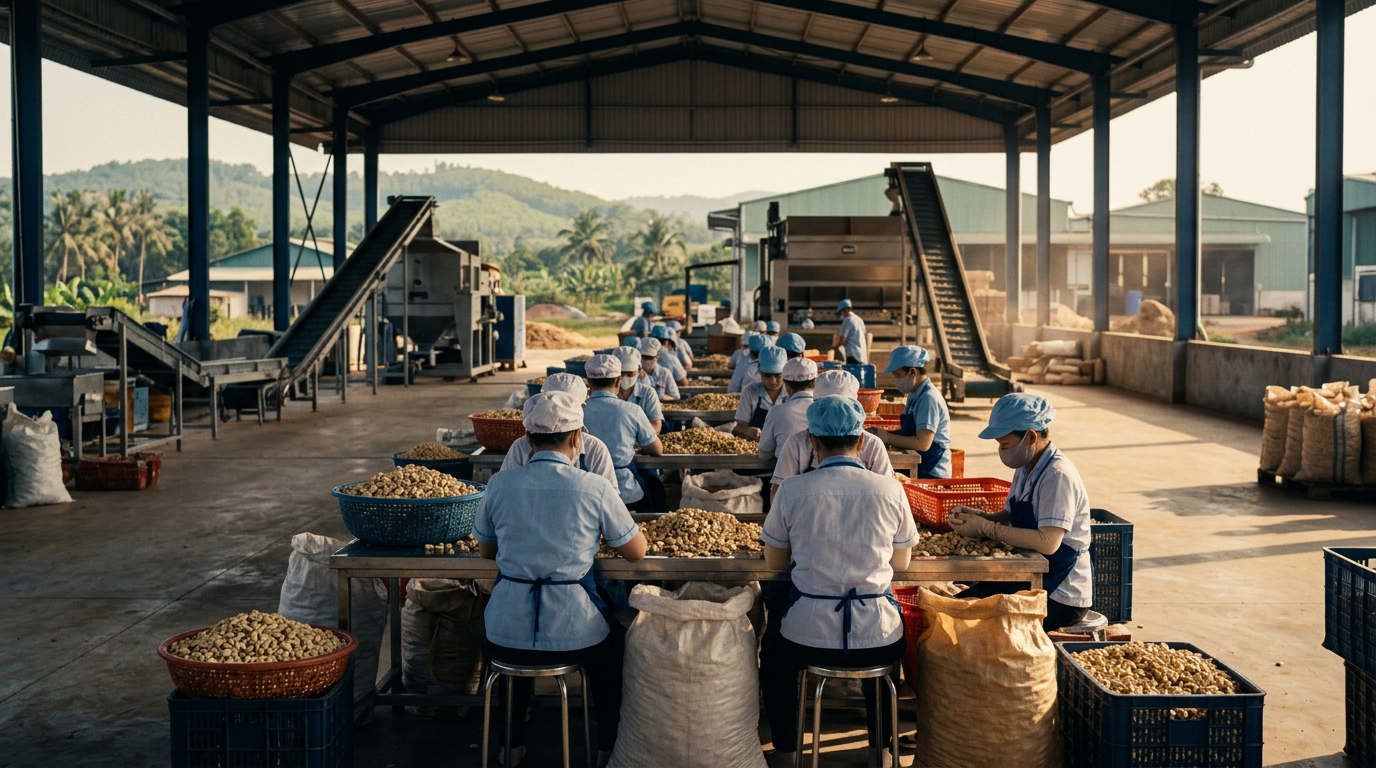
A recent dialogue between a Ghanaian delegation and Vietnam'''s PSL Machinery to advance a partnership in cashew processing highlights a deeper trend in ASEAN'''s economic evolution. According to a report from e.vnexpress.net, the talks covered an integrated model that includes factory design, solar power, and potential offtake of finished products. This move by a Vietnamese firm to export not just goods but a full-stack industrial model to an African nation is a significant indicator of growing institutional capacity within ASEAN.
Institutions
This Ghana-Vietnam initiative reflects a maturing of ASEAN economic institutions, where firms are capable of executing complex, international projects. PSL Machinery is not merely selling equipment; it is providing a comprehensive solution that encompasses production management and infrastructure. This capacity to export industrial know-how signifies a shift from being a recipient of foreign direct investment to a source of it. The ability to structure and deliver such a multi-faceted project, from factory layout to sustainable energy solutions, demonstrates a level of corporate execution that is becoming more common in the region.
Capital and Execution
The project also underscores the increasing sophistication of capital and execution within Vietnam'''s private sector. Structuring a deal that includes factory and warehouse design, power generation, and offtake agreements requires considerable expertise in project finance and management. It points to a deepening of the country'''s industrial base, moving from simple manufacturing to higher-value activities that involve knowledge transfer and long-term partnership. This is a practical example of the themes discussed in ASEAN Rising, where regional firms learn to navigate complex international ventures and manage risk far from home. The execution of such a project in Ghana will be a testament to the operational capabilities honed within the competitive ASEAN market.
ASEAN'''s China Model
This development can be seen in the context of ASEAN's broader relationship with major economic powers, particularly China. While much attention is given to managing economic ties with Beijing, countries like Vietnam are also demonstrating their own capacity for global outreach. As noted in the book, for ASEAN, the issue is "how to manage dependency without losing optionality." This Ghana-Vietnam partnership is a prime example of creating such optionality. By developing independent industrial strengths and new south-south trade and investment corridors, Vietnamese firms are diversifying their markets and reducing over-reliance on any single economic partner. They are, in effect, applying lessons learned from their own rapid development to create new opportunities abroad.
What to watch is whether this type of comprehensive industrial partnership becomes a replicable model for other Vietnamese and ASEAN companies. The success of the venture in Ghana could spur further south-south investment, not just in agro-processing but in other sectors where ASEAN firms have developed expertise. This would mark a significant step in the bloc'''s journey from a collection of developing economies to a source of global industrial and institutional knowledge.