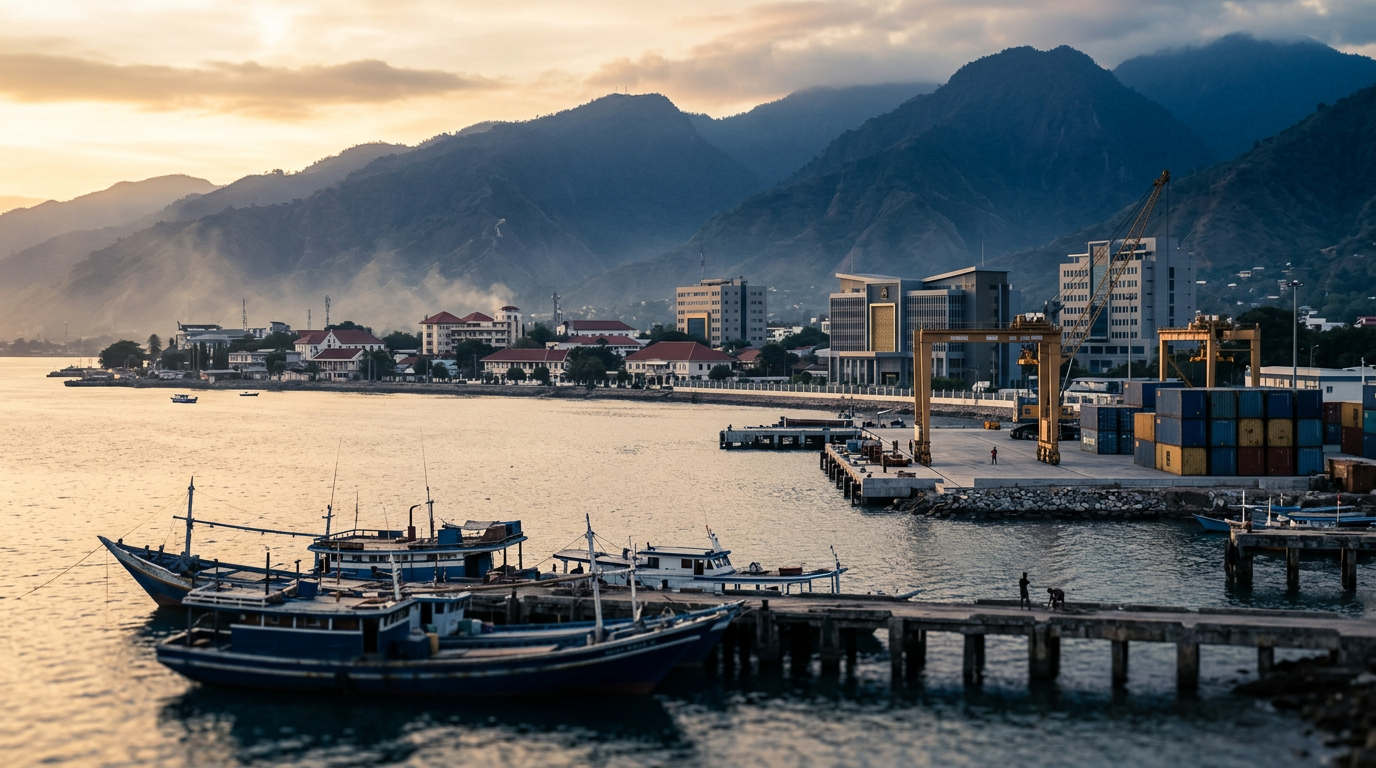
Timor-Leste
Timor-Leste and the Challenge of ASEAN Integration
Timor-Leste's journey to full ASEAN membership requires more than institutional reform; it demands a clear-eyed strategy for economic integration, especially concerning China.
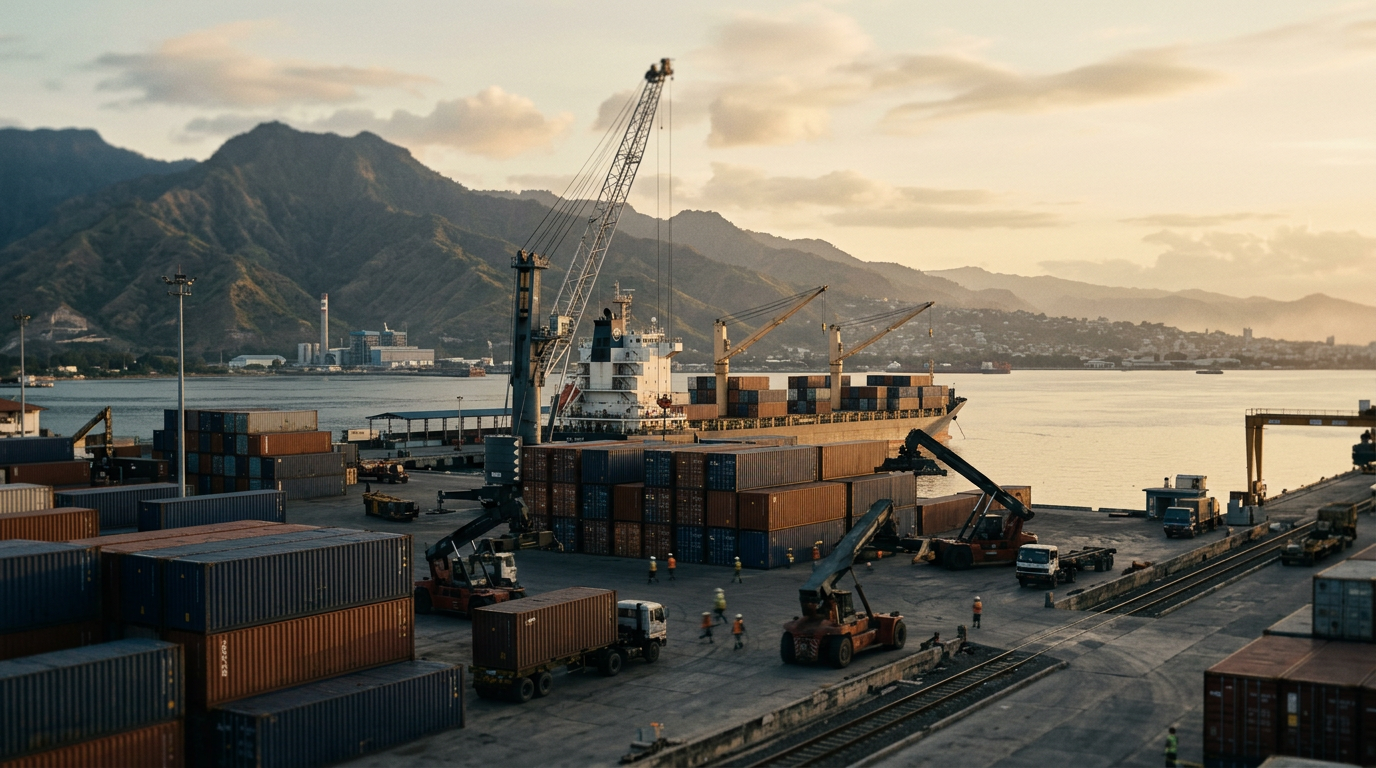
The recent meeting between the Secretary-General of ASEAN and Timor-Leste's Permanent Representative, as reported by ASEAN.org, marks a procedural step in the nation's long journey toward full membership. While such diplomatic engagements are essential, they also highlight the substantial economic and institutional groundwork that remains. For Timor-Leste, accession is not merely about adopting ASEAN's institutional frameworks but about preparing its economy for the pressures and opportunities of regional integration, particularly concerning the bloc's deep-rooted ties with China.
The ASEAN-China Economic Nexus
Any discussion of an ASEAN nation's economic strategy is incomplete without addressing China. As detailed in "ASEAN Rising", the economic relationship between the bloc and its northern neighbor is a defining feature of the region. The book notes that "trade depth with China is now a structural feature, not a cyclical one." For an incoming member like Timor-Leste, this reality requires a sophisticated strategy. The country cannot simply join ASEAN; it must be prepared to navigate the bloc's managed dependency on Chinese trade and investment.
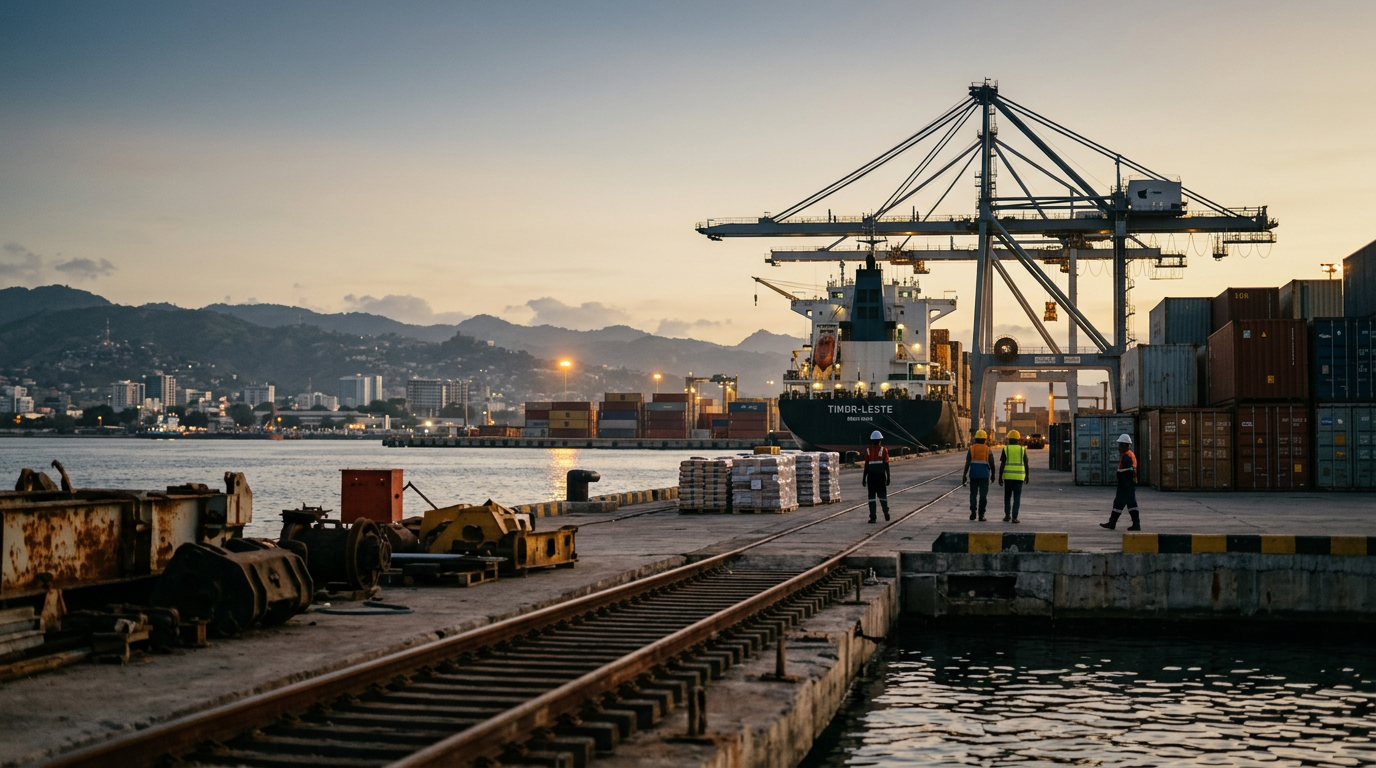
Timor-Leste's economy, heavily reliant on petroleum revenue, faces the dual challenge of diversification and integration. Engaging with the ASEAN-China economic corridor presents avenues for developing new sectors, but it also brings the risk of over-reliance. The experience of other member states shows that managing this relationship is a delicate balancing act. It involves leveraging Chinese capital for infrastructure and industrial development while simultaneously building the institutional strength to maintain economic sovereignty and strategic flexibility.
Institutional Readiness and Economic Reality
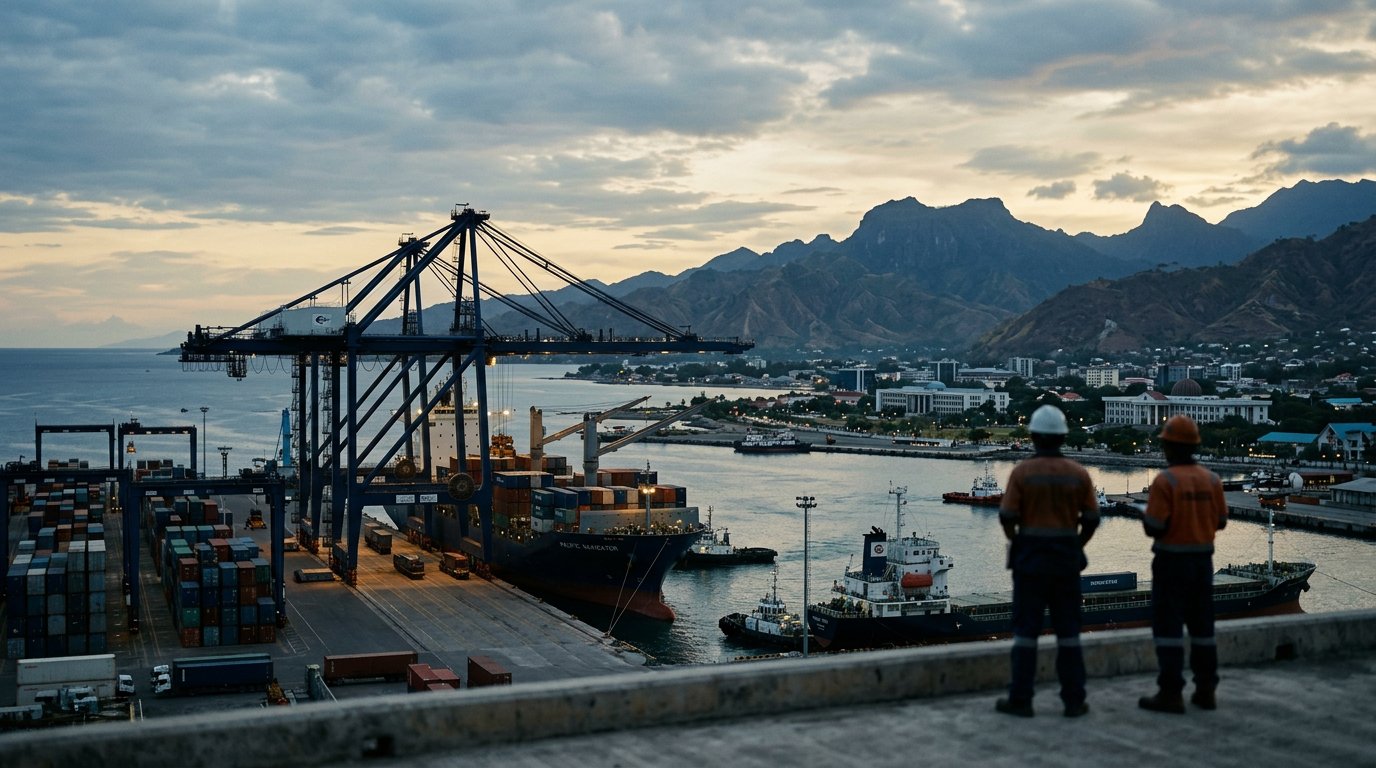
The roadmap to full membership requires Timor-Leste to align with a host of ASEAN agreements, standards, and norms. This is a significant undertaking for the country's nascent institutions. It involves building capacity not just in diplomacy but also in trade facilitation, customs modernization, and investment promotion. These are not just bureaucratic exercises; they are fundamental to the country's ability to compete and cooperate within the ASEAN Economic Community.
However, institutional reform alone is insufficient if the underlying economic structure is not prepared. The core of the issue for Timor-Leste is how it will position itself within the regional supply chains that are increasingly oriented around China. Will it be a supplier of raw materials, a site for light manufacturing, or a service provider? Answering this question requires a clear national development strategy that aligns with the realities of the regional economy. Without one, Timor-Leste risks becoming a passive recipient of regional economic currents rather than an active participant.
What to watch: The key indicator of Timor-Leste's progress will not be the diplomatic timetable for accession but the substance of its economic reforms. Observers should monitor the development of its non-oil sectors, the country's ability to attract diverse foreign investment beyond a few dominant partners, and the specific steps it takes to build the institutional capacity needed to manage complex trade relationships. The nation's strategic choices in the coming years will determine whether it can achieve a sustainable and integrated economic future within ASEAN.