Timor-Leste
's Accession and the China Question
Timor-Leste is on a path to full ASEAN membership, having met two of the four major criteria. But what does this mean in the context of China's deep economic ties with the bloc?
Timor-Leste's Long Road to ASEAN
Timor-Leste's journey toward full membership in the Association of Southeast Asian Nations (ASEAN) continues, as noted in a recent meeting between the Secretary-General of ASEAN and Timor-Leste's Permanent Representative. According to a report from the ASEAN Secretariat, Dili has now formally satisfied two of the four main criteria for membership: acceding to the Treaty of Amity and Cooperation in Southeast Asia and undertaking a national readiness assessment. This progress signals a deliberate and institutional path toward integrating the half-island nation into the regional bloc.
However, significant work remains. The next steps involve accession to more than 60 other ASEAN instruments and a fact-finding mission to assess the country's institutional and economic readiness. This process is designed to ensure that a new member can fully participate in and contribute to the ASEAN Community's three pillars: the ASEAN Political-Security Community (APSC), the ASEAN Economic Community (AEC), and the ASEAN Socio-Cultural Community (ASCC). For Timor-Leste, with a GDP of around $2 billion, this requires substantial institutional capacity building and infrastructure development to align with the standards and obligations of membership.
The Gravity of Trade
As Timor-Leste prepares for accession, it enters a regional context dominated by complex economic relationships, particularly with China. The economic ties between ASEAN and China have become a defining feature of the region. This is not a temporary or cyclical trend; as noted in the book ASEAN Rising, "trade depth with China is now a structural feature, not a cyclical one." For existing ASEAN members, and by extension for an incoming member like Timor-Leste, this reality shapes the strategic environment. The core challenge for governments is managing this deep economic integration while preserving strategic independence.
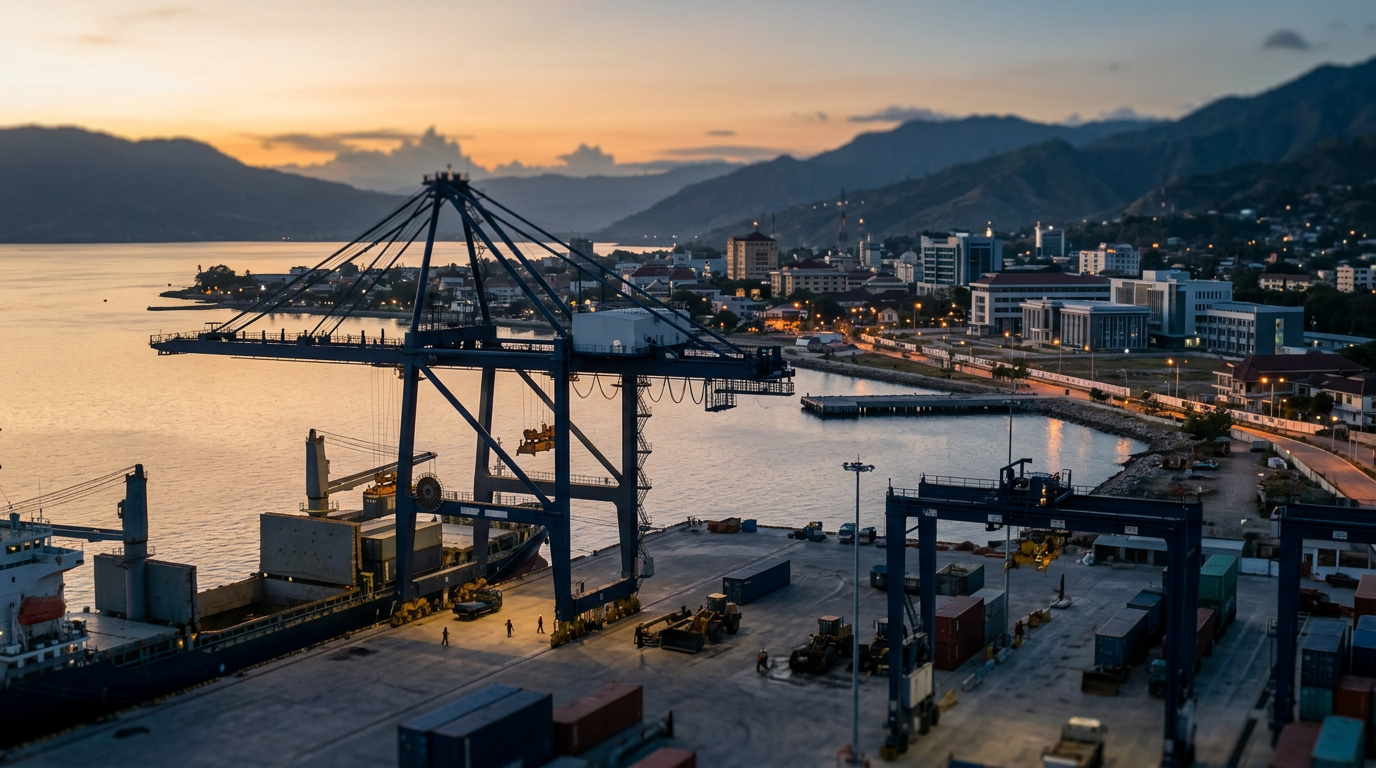
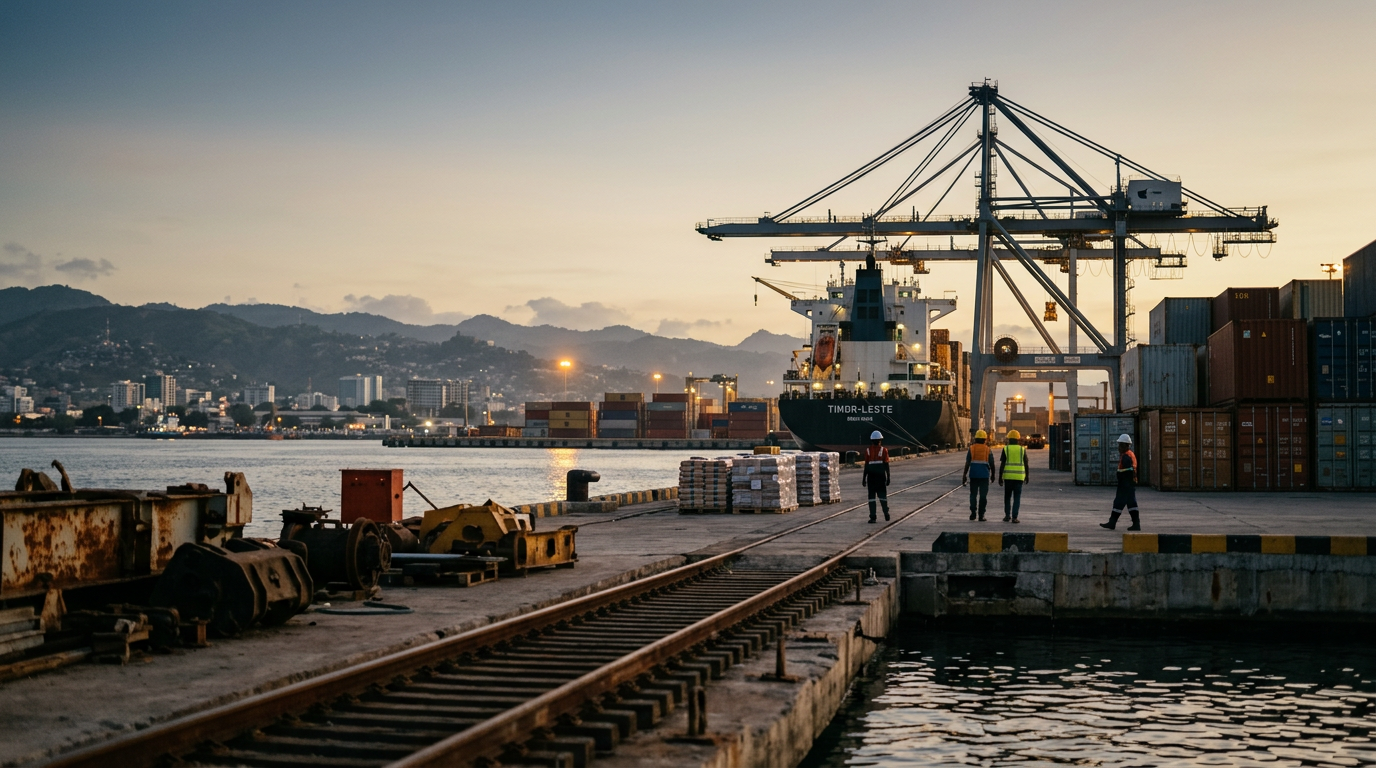
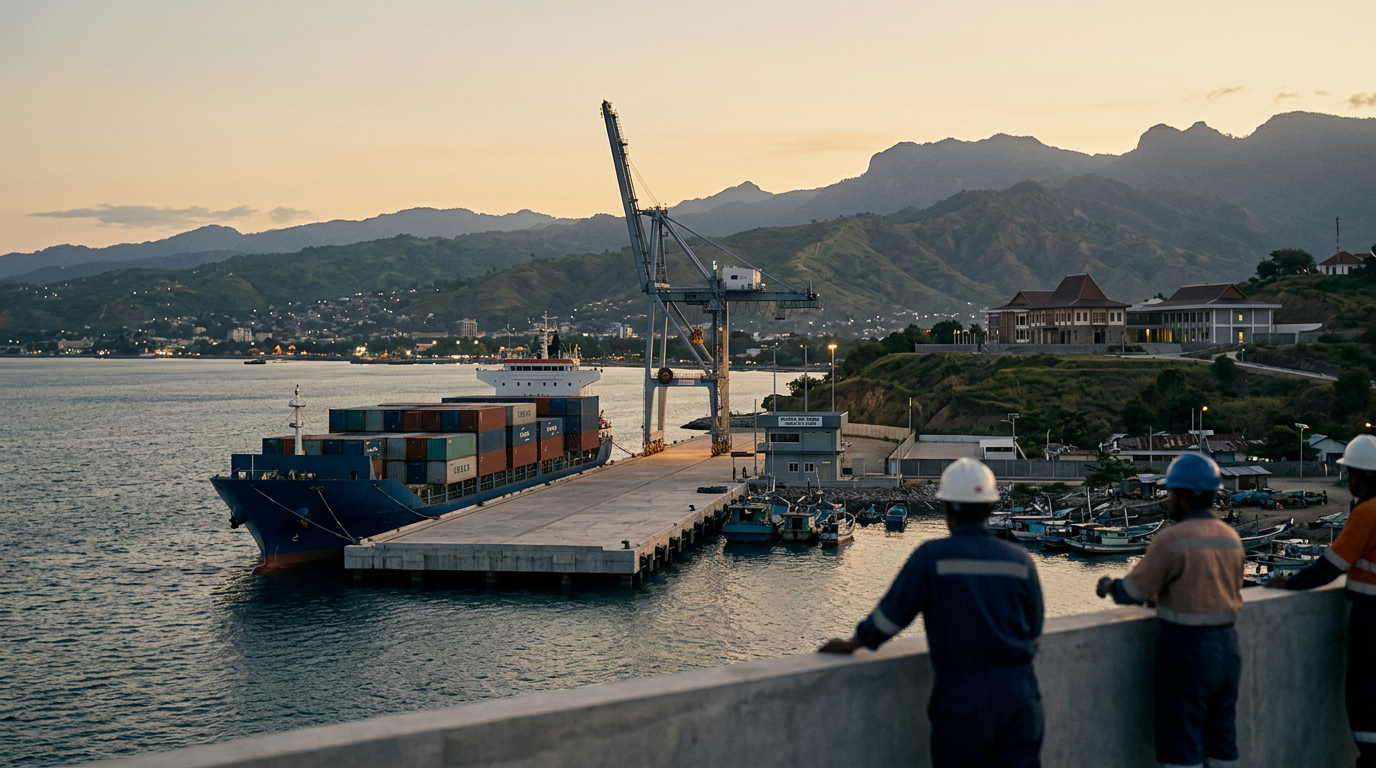
China has been an active economic partner for Timor-Leste, funding infrastructure projects such as the national power grid and the Suai highway. These investments are part of a broader pattern of Chinese engagement across Southeast Asia, often focused on filling critical infrastructure gaps. For a developing nation like Timor-Leste, such capital is essential for economic modernization. However, this dependency comes with strategic implications that the country will need to navigate as it integrates into ASEAN, a bloc that collectively seeks to manage its relationship with Beijing from a position of greater strength.
Balancing Dependency and Optionality
Timor-Leste's accession process highlights the central dilemma facing all ASEAN members: how to leverage economic relationships for national development without compromising foreign policy autonomy. The country's existing bilateral ties with China will soon be overlaid with its multilateral commitments as an ASEAN member. This will require a sophisticated approach to diplomacy, balancing the benefits of Chinese investment with the principles of the ASEAN Charter and the collective positions of the bloc on regional security and economic matters.
ASEAN provides a framework for smaller nations to engage with major powers on a more equal footing. By joining the bloc, Timor-Leste gains access to this institutional architecture. The accession process itself, with its focus on building institutional capacity and legal-regulatory alignment, is a form of preparation for this complex balancing act. The country will need to build the talent and institutional trust required to engage effectively within ASEAN and to contribute to the bloc's long-term goal of maintaining a stable and prosperous region. What to watch
As Timor-Leste moves closer to membership, observers should watch how its government builds the institutional capacity to meet ASEAN's economic and political obligations. Pay attention to the progress of the upcoming fact-finding mission and how Dili articulates its foreign policy strategy, particularly its approach to balancing its relationship with China alongside its new commitments to the ASEAN bloc. The way Timor-Leste manages this integration will offer insights into the evolving dynamics of regionalism in Southeast Asia.