Indonesia
, China, and the MSME Export Question
An export clinic in Palu, Indonesia, highlights a deeper structural question for the region: how can its smallest firms integrate into global value chains dominated by China without sacrificing their independence and resilience?
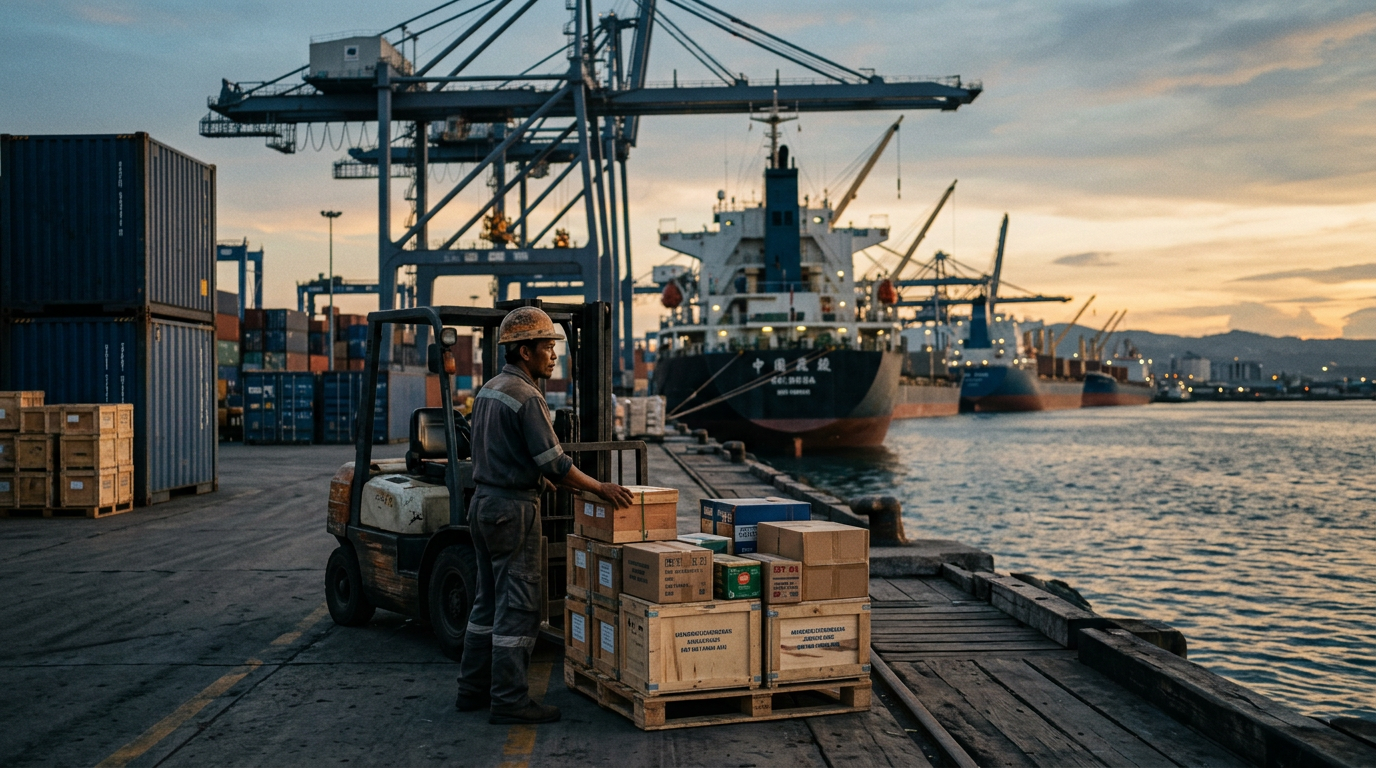
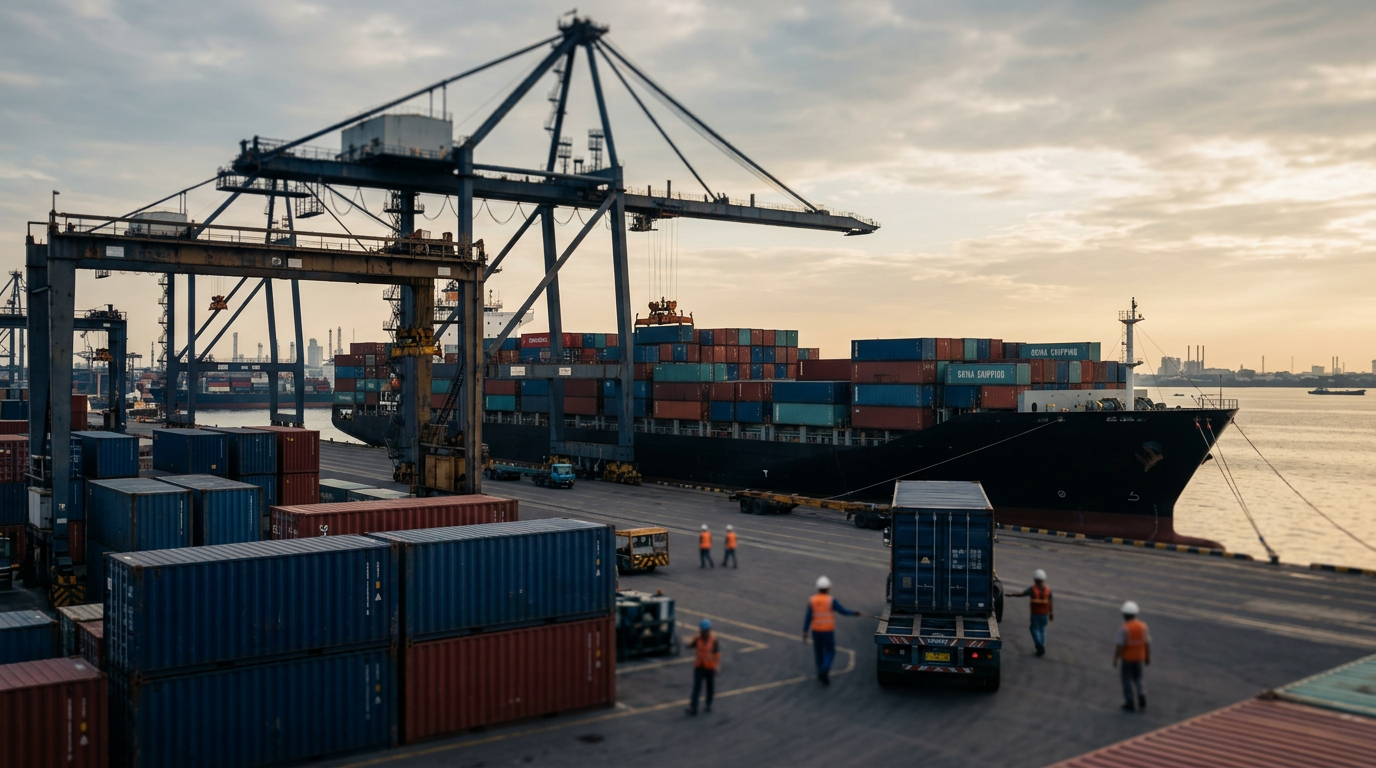
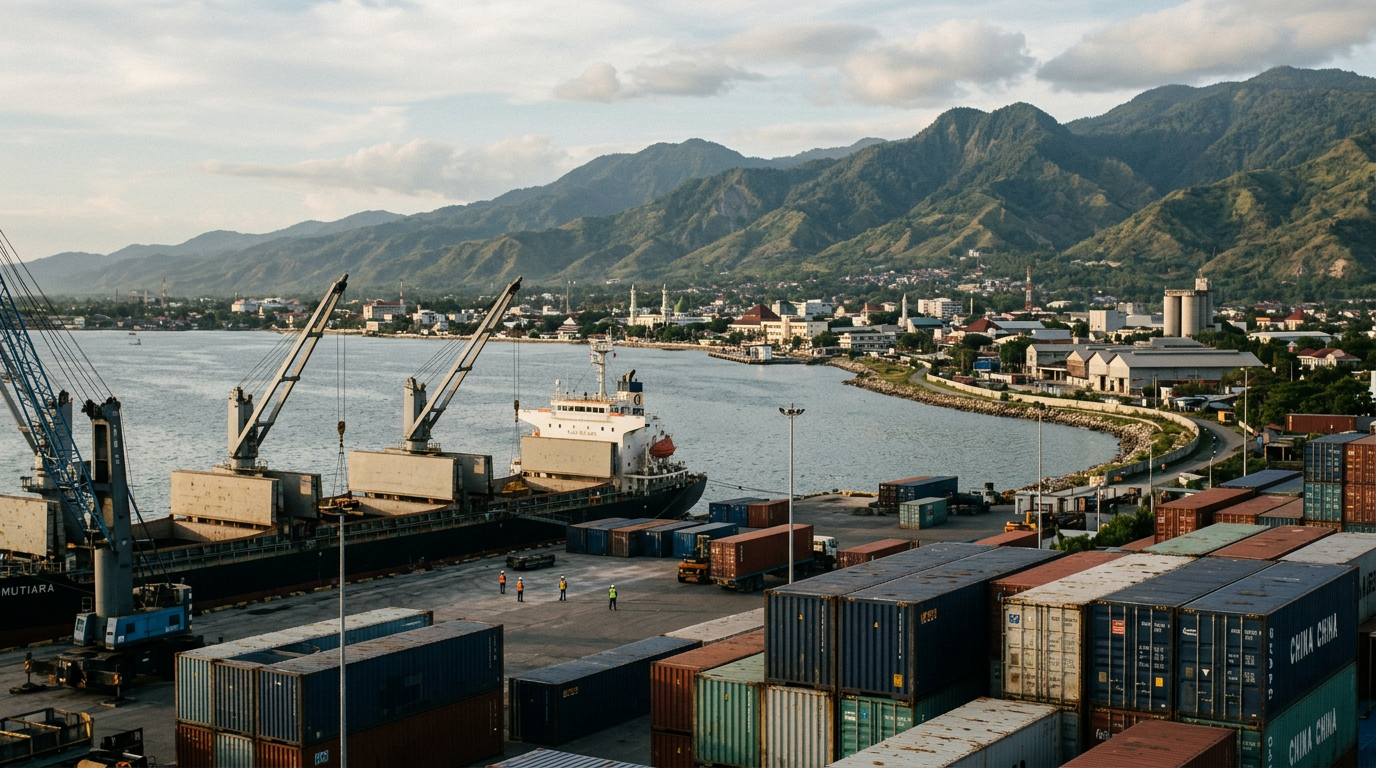
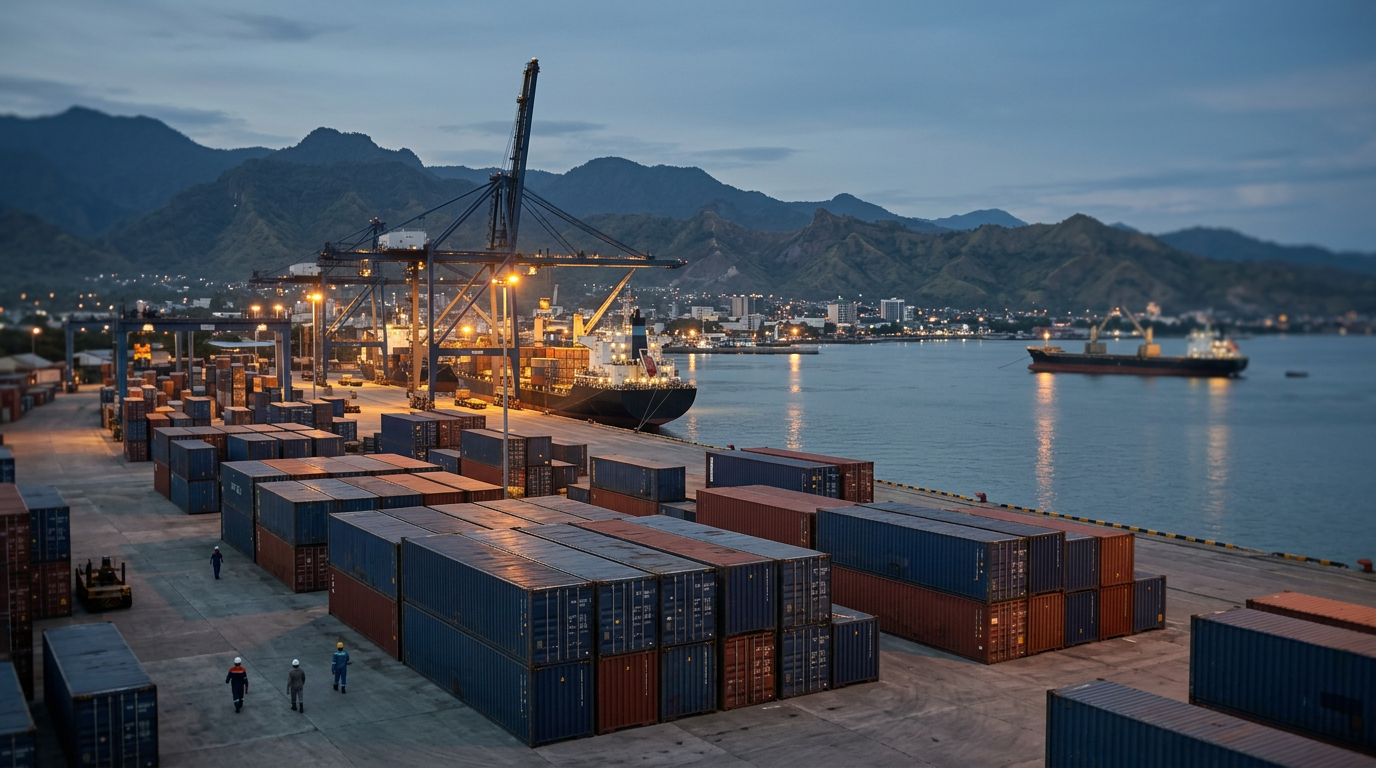
An export clinic in Palu, organized by Indonesia's Quarantine Agency (Barantin), is the latest example of a national-level initiative to connect the country's micro, small, and medium enterprises (MSMEs) to international markets. As reported by Antara News, the program aims to equip small businesses with the knowledge and certifications needed to sell their products abroad. While the immediate focus is on market access, the initiative points to a larger, long-term strategic question for Indonesia and its ASEAN neighbors: how to manage economic integration with China.
Institutions and Trade Depth
The Palu export clinic is a case study in institution-building at the local level. By providing practical assistance on phytosanitary standards, certification, and logistics, the government is building the institutional capacity for smaller firms to participate in global trade. This is a necessary step. Without this direct support, MSMEs are often locked out of export opportunities, unable to navigate the complex requirements of foreign markets, particularly a market as large and regulated as China.
The economic relationship with China is a defining feature of the ASEAN region. As the book "ASEAN Rising" notes, for member states, "trade depth with China is now a structural feature, not a cyclical one." The sheer scale of China as a destination market and a source of investment means that economic success for ASEAN MSMEs is invariably linked to the Chinese economy. The work of agencies like Barantin is therefore not just about export promotion in general, but about preparing firms to engage with their most significant trading partner.
Managing Dependency
The challenge for ASEAN governments is to facilitate this trade without fostering over-reliance. The question is how to deepen economic ties while preserving strategic autonomy. For an MSME in Palu, a large order from a Chinese buyer can be transformative. For the Indonesian economy, however, an entire sector's dependence on a single market creates vulnerabilities. Supply chain disruptions, shifts in consumer demand, or changes in trade policy in Beijing can have an outsized impact.
This is where the framework of managed dependency comes into play. National and regional institutions must do more than simply open the door to the Chinese market. They need to build resilience within their own economies. This includes diversifying export destinations, even as they strengthen ties with China. It means investing in the talent and infrastructure that allow MSMEs to pivot to new markets or move up the value chain. An MSME that can meet the standards for export to China is likely well-positioned to export to other markets in Asia, the Middle East, or Europe. The institutional support should be designed to create options, not just a single path.
Capital and Resilience
Access to capital is a critical component of this strategy. For MSMEs to upgrade their production, meet international standards, and weather the ups and downs of global trade, they need financing. Government-backed export clinics can provide the know-how, but financial institutions must provide the capital. This is where national development banks and private sector lenders have a role to play, creating financial products tailored to the needs of small exporters.
By building a robust ecosystem of institutional support, access to capital, and skilled talent, Indonesia and other ASEAN nations can help their MSMEs engage with China from a position of strength. The goal is not to limit trade, but to make it more balanced and sustainable. The success of an exporter in Palu should be a function of their competitiveness and quality, not their dependence on a single large buyer. This approach helps build a more resilient national economy, one that can absorb shocks and adapt to a changing global landscape.
What to watch: The next steps for Indonesia will be to scale these local initiatives and integrate them into a coherent national export strategy. Observers should watch for new financing programs aimed at MSME exporters and efforts to open parallel trade dialogues with other major economic blocs. The long-term measure of success will be the diversification of export markets for firms that get their start through these programs, indicating a move from simple market access to strategic market-making.