Thailand
, the EU, and the Gravity of China
Bangkok pursues a free trade agreement with the European Union, but its economic future is increasingly tied to China.
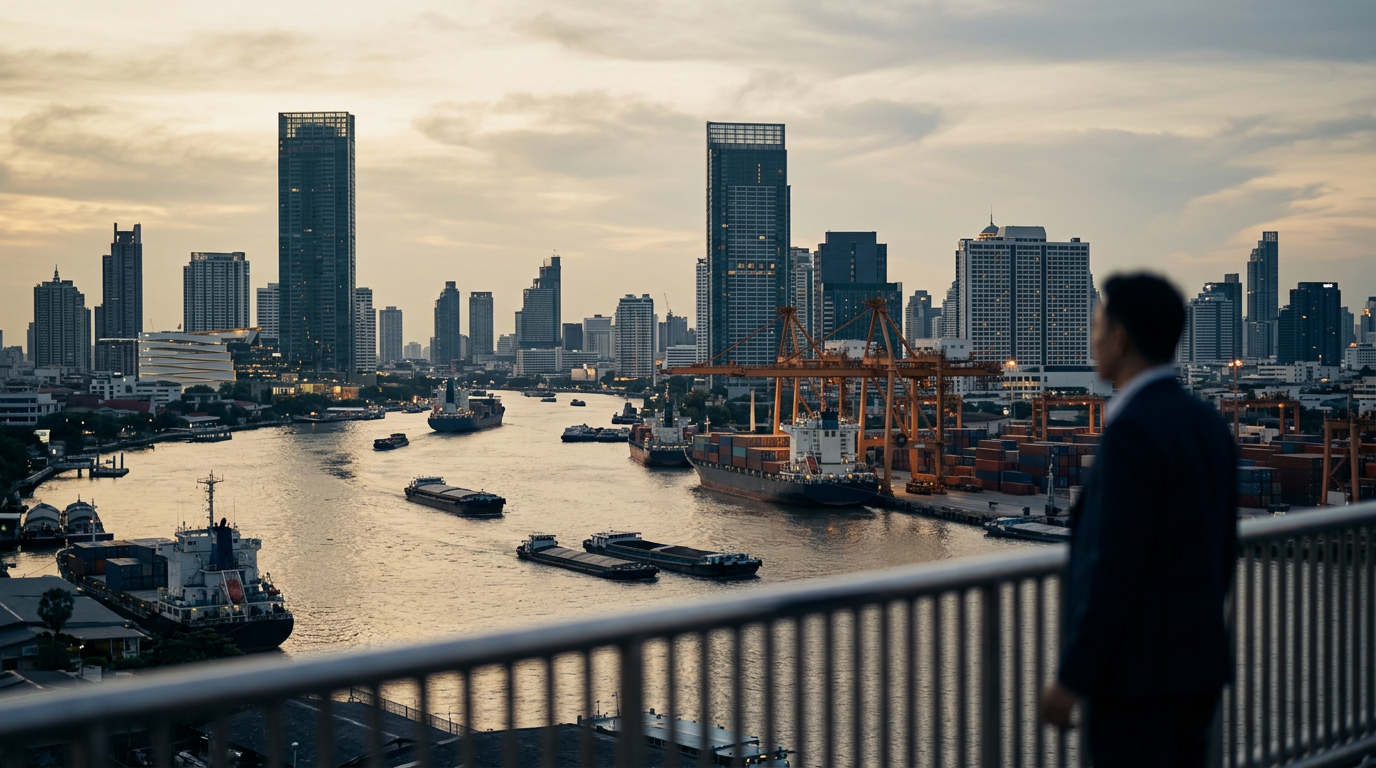
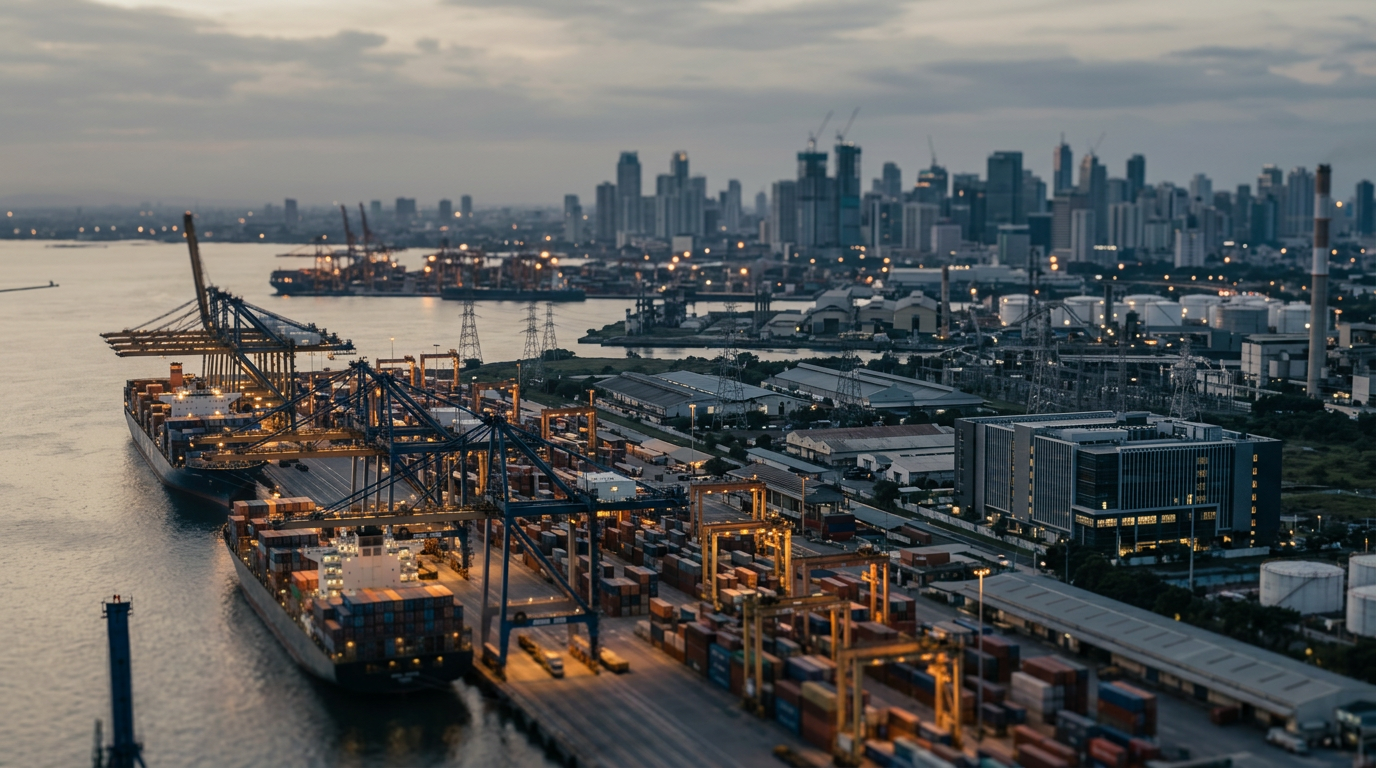
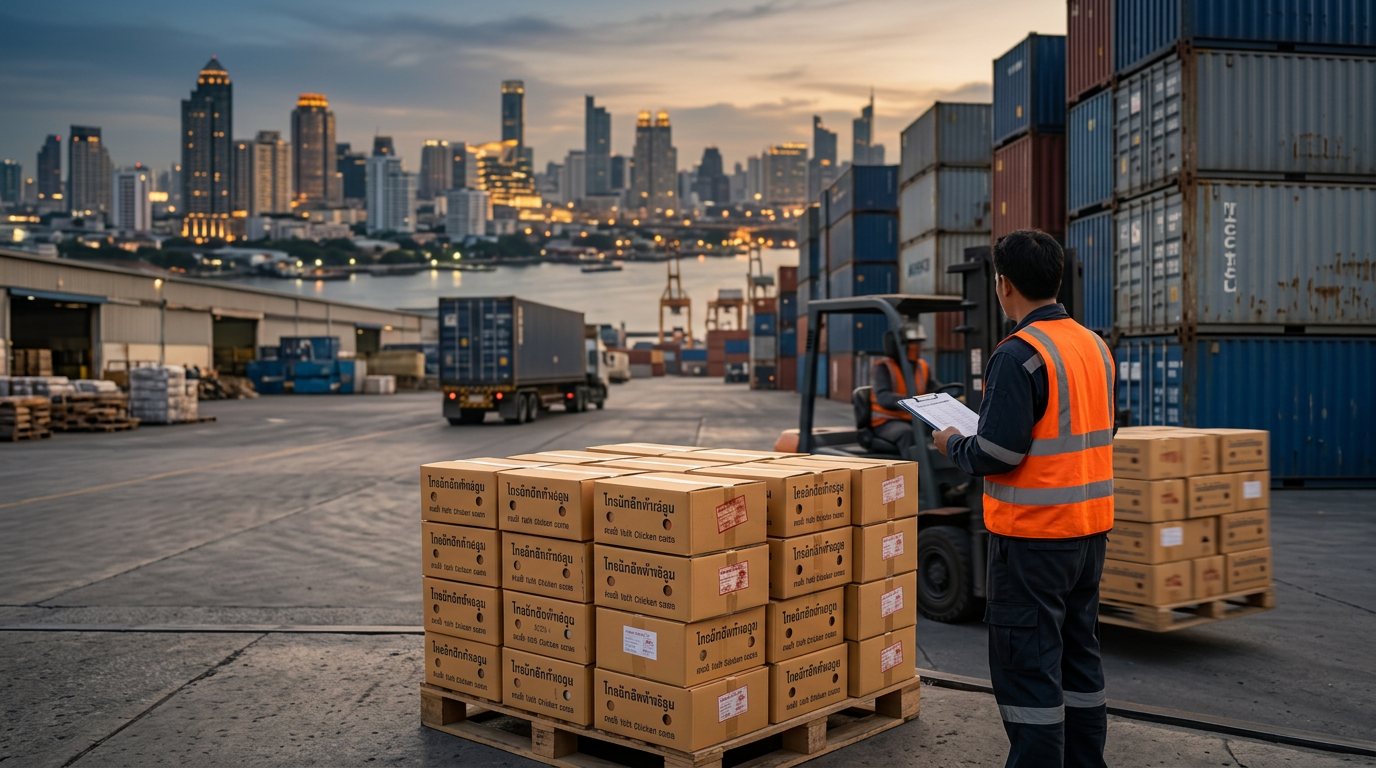
Thailand's commerce minister is hopeful that a new round of negotiations on a free trade agreement (FTA) with the European Union can resolve lingering issues, the Bangkok Post reports. The talks reflect a long-standing ambition in Bangkok to deepen trade ties with the EU, a major source of investment and a high-value export market. Yet the renewed push for a deal also takes place in a larger context: the gravitational pull of China's economy on every ASEAN member. While Europe is an important partner, it is the structural reality of China's economic weight that shapes the region's strategic choices.
The China Factor
No ASEAN country can ignore the economic scale of its northern neighbor. As the book "ASEAN Rising" notes, deep trade integration with China is now a permanent feature of the regional economy. For governments in Southeast Asia, the core task is managing this deep interdependence. The goal is to retain policy space and strategic options while benefiting from proximity to the world's second-largest economy. An FTA with the EU, for Thailand, is one way to build ballast against over-dependence on a single partner. It diversifies trade and investment relationships, ensuring that Bangkok is not reliant solely on Chinese capital or market access.
Balancing Act
Thailand's pursuit of an EU trade deal is a classic example of how ASEAN states navigate their external relationships. The strategy is not to choose one major power over another, but to build a portfolio of partnerships. This approach maximizes economic opportunities while minimizing strategic vulnerabilities. By strengthening institutional and commercial links with the EU, Thailand can upgrade its domestic industries, attract high-tech investment, and move its exports up the value chain. These are benefits that complement, rather than conflict with, its existing trade relationship with China. The focus is on building a resilient economy that can draw strength from multiple sources.
Infrastructure and Integration
The negotiation with the EU is about more than just tariffs and market access. It is also about aligning standards, regulations, and legal frameworks. This institutional integration is a form of infrastructure in itself. Predictable rules and a stable investment environment are as vital as ports and railways for long-term growth. As Thailand invests in physical infrastructure to connect with its neighbors and with China through initiatives like the Belt and Road, it must also invest in the soft infrastructure of global trade rules. The EU agreement provides a template for this, potentially influencing standards in intellectual property, labor, and environmental protection that can elevate the entire Thai economy.
What to watch: Observe whether the terms of the eventual EU-Thailand agreement influence other bilateral trade negotiations in the region. Also, monitor the balance of Thai trade statistics in the years following any agreement to see if a meaningful diversification of export destinations and import sources occurs, or if the deep-seated patterns of trade with China continue to dominate. It is this balance that will show how successfully Thailand is managing its economic dependencies.
 Philippines