Philippines
The Weight of Trust: ASEAN Harmonizes Trade Infrastructure
A recent ASEAN-wide training on smart weighing systems highlights a deeper truth: for the region to capitalize on its economic potential, the boring details of institutional execution matter more than exciting announcements. The path to prosperity is paved with reliable.
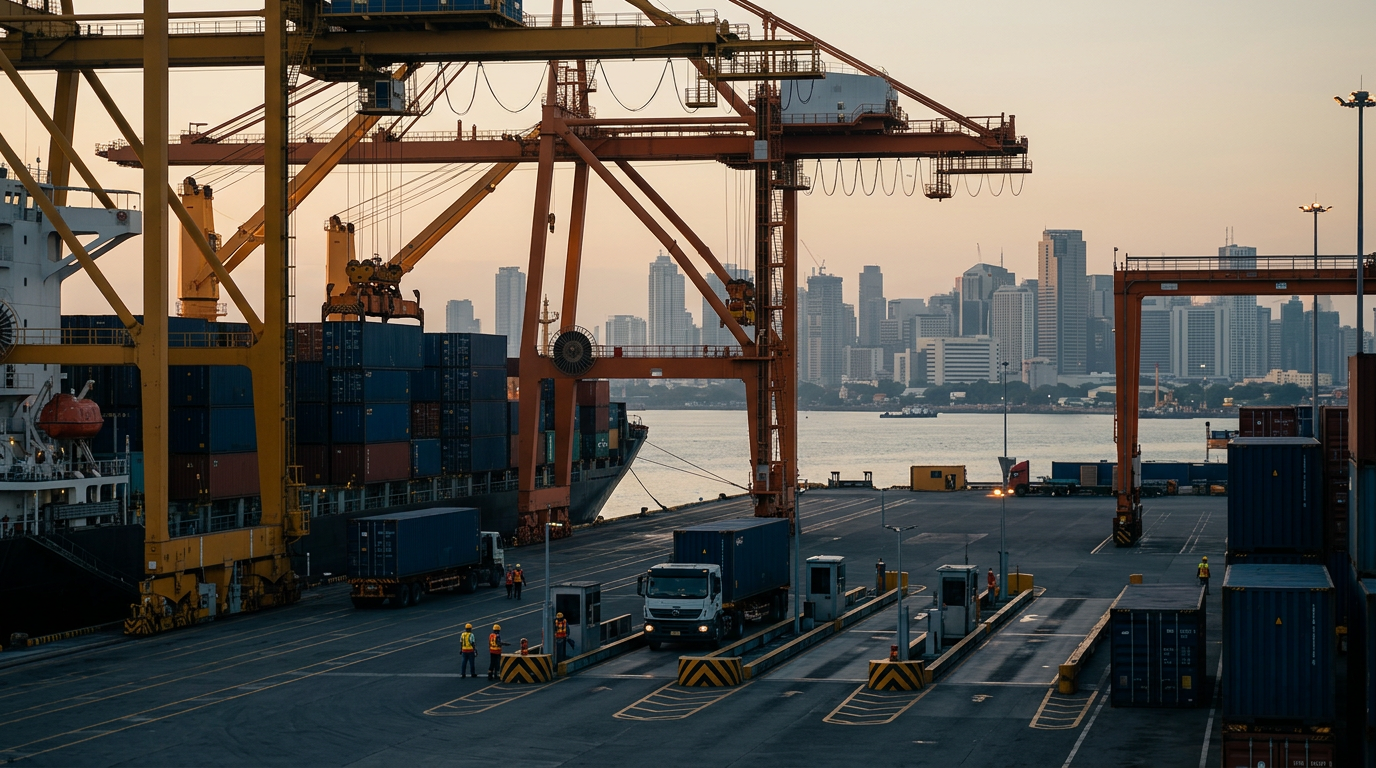
A recent training event for officials from all ASEAN Member States highlights the often-overlooked foundation of regional economic integration: institutional reliability. According to a report from asean.org, officers gathered in Malaysia in late September 2026 to master the verification of automatic catchweighing instruments. This seemingly technical event points to a larger theme of building state capacity and reducing friction in trade.
The Infrastructure of Trust
While grand infrastructure projects often capture headlines, the effectiveness of an economic bloc rests on the uniform application of standards. The Sepang training, focused on precision in smart weighing systems, is a case in point. When a product is weighed in one member state, another member state must have confidence in that measurement. This eliminates the need for redundant checks, lowers costs, and speeds up the movement of goods. Without this shared trust in measurement, supply chains become slower and more expensive.
This is where institutional execution becomes a core component of economic strategy. The harmonization of metrology-the science of measurement-is not merely a technical exercise. It is the construction of a shared language of commerce. For ASEAN to function as a cohesive economic community, the quiet work of standards bodies and regulatory agencies is as significant as the negotiation of trade agreements. It is this layer of regulatory and institutional alignment that builds a truly single market.
State Capacity over Grand Pronouncements
This focus on execution reflects a central argument of ASEAN Rising: a state's ability to deliver on its promises is a distinct form of competitive advantage. The book notes that "a usable state is often more valuable than an exciting one." The world is filled with ambitious development plans and announcements of transformative projects. Far rarer is the institutional capacity to implement these plans effectively and maintain them over the long term. The Malaysian training on weighing instruments is a small but tangible example of building that capacity.
By focusing on the details of trade facilitation, ASEAN is strengthening its collective state capacity. This involves not just the technology of smart weighing systems but also the human capital-the trained officers who can verify and maintain these systems across the region. This methodical, detail-oriented work is what reduces the friction that impedes economic activity. It ensures that infrastructure projects, once completed, can be used to their full potential, creating a predictable and reliable environment for business.
What to watch: The success of this initiative will not be measured by a single event, but by the gradual disappearance of weighing and measurement as a point of friction in regional trade. Observers should look for a decrease in cross-border trade disputes related to shipment weights and volumes. Further harmonization of other technical standards, from food safety to electronics, will also be a key indicator of ASEAN's progress in deepening its economic integration. The true test is whether this quiet, institutional work translates into faster, cheaper, and more reliable supply chains across Southeast Asia.