Vietnam
Vietnam's Shrimp Exporters and the China Question
Vietnam's shrimp export growth, driven by Chinese demand, shows how trade depth with China is now a structural feature for ASEAN economies, not a cyclical one.
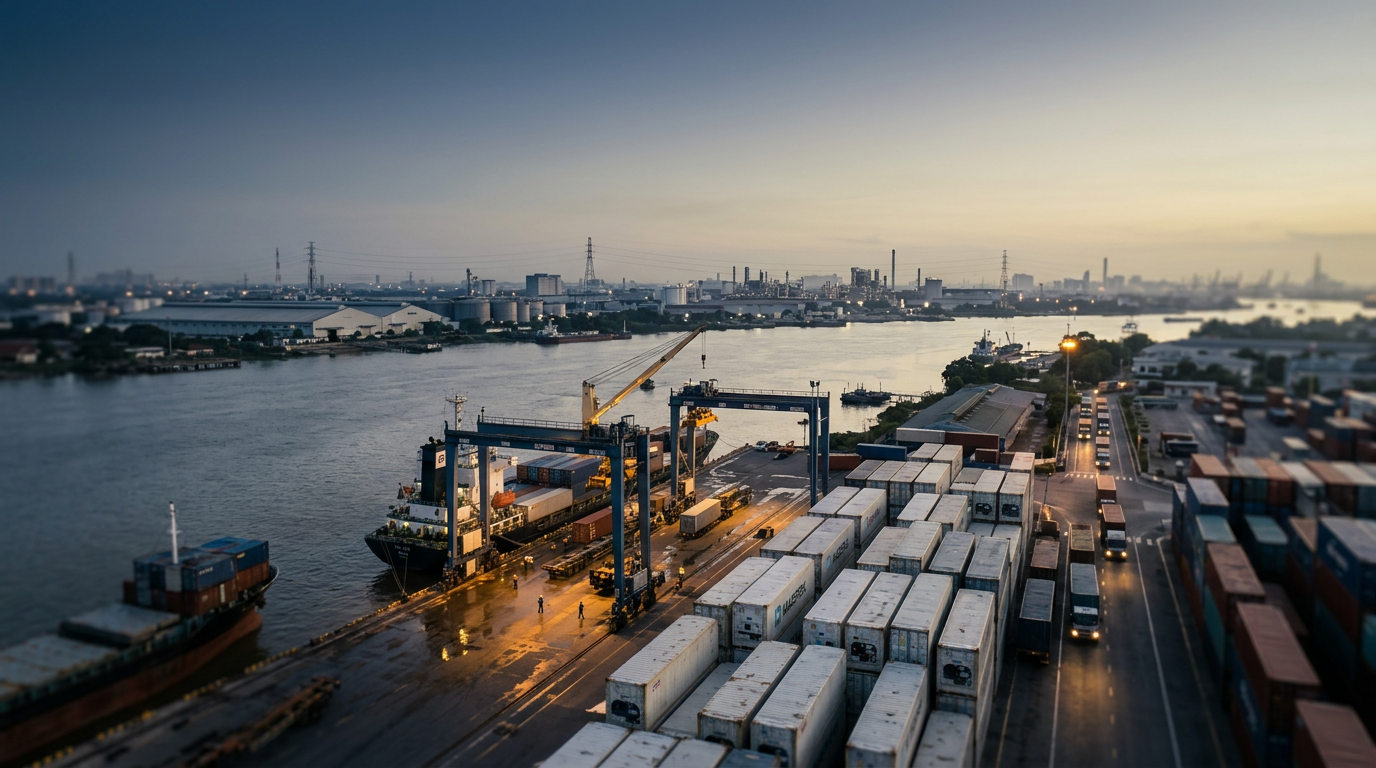
A recent report that Vietnam's shrimp exports reached US$3.3 billion in the first eight months of the year, a 12% year-on-year increase, highlights a familiar story for ASEAN economies. The growth was driven substantially by demand from the Chinese market, according to a report in VnExpress. While a positive headline for Vietnamese producers, it illustrates a deeper structural reality for the entire region: the complex and growing economic interdependence with China.
The Gravity of the China Market
The Vietnamese shrimp industry's success is a microcosm of a broader ASEAN trend. For producers of commodities, agricultural goods, and manufactured components, the sheer scale of China's market makes it an indispensable trading partner. This economic gravity pulls ASEAN ever deeper into China's orbit. From Indonesian nickel to Malaysian electronics and, in this case, Vietnamese aquaculture, Chinese demand is a primary driver of export growth.
This is not a temporary or cyclical phenomenon. As detailed in "ASEAN Rising," the integration of regional supply chains and the growth of Chinese consumer demand have created a durable economic link. The book notes that "trade depth with China is now a structural feature, not a cyclical one." For individual firms and national export strategies, ignoring the Chinese market is not a viable option. The commercial incentives to engage are simply too powerful to overlook, creating a default path of deepening trade and investment ties.
Managing Dependency
The challenge for ASEAN governments and businesses is not whether to trade with China, but how to manage the resulting dependency. Over-reliance on a single market, no matter how large, introduces significant risks. These can range from sudden shifts in Chinese consumer preference or regulatory standards to the use of trade as a tool of statecraft in geopolitical disputes. A downturn in the Chinese economy could have immediate and severe repercussions for export-oriented sectors across Southeast Asia.
Diversification is the obvious, though not simple, answer. This involves two parallel efforts: diversifying export destinations and diversifying the economic base itself. For Vietnam's shrimp exporters, this means actively cultivating markets in the United States, Europe, and Japan, even if growth there is slower than in China. It also means investing in value-added processing to move up the food chain, creating products that are less commoditized and more resilient to price-based competition. For governments, it requires robust trade diplomacy to secure market access globally and industrial policies that foster innovation and competitiveness beyond traditional sectors.
Institutions and Optionality
Maintaining strategic optionality in the face of China's economic pull requires strong institutions. This is a core theme of ASEAN's economic journey. Effective governance, transparent regulation, and adherence to the rule of law are essential for attracting high-quality investment from a diverse range of partners, not just China. When capital from Japan, South Korea, the European Union, and the United States flows into a market, it naturally balances the economic influence of any single country.
Institutions like the Regional Comprehensive Economic Partnership (RCEP) and the Comprehensive and Progressive Agreement for Trans-Pacific Partnership (CPTPP) provide frameworks for managing trade relationships based on agreed-upon rules. By embedding their trade with China within these larger, multilateral structures, ASEAN nations can create a more predictable and stable environment. This approach allows them to benefit from the economic opportunities China presents without sacrificing their autonomy.
What to watch: Observers should monitor the balance of trade statistics for key ASEAN exports. A continued high concentration of exports to China, without corresponding growth in other major markets, would indicate that the challenge of diversification remains unsolved. Also, watch for new non-tariff barriers or sudden regulatory changes from Beijing, as these are often leading indicators of attempts to use trade for strategic ends.