Indonesia
Managing Dependency: The View from Palu
An export clinic in Palu, Indonesia, illustrates a fundamental challenge for ASEAN: how to manage trade dependency on China without losing economic optionality.
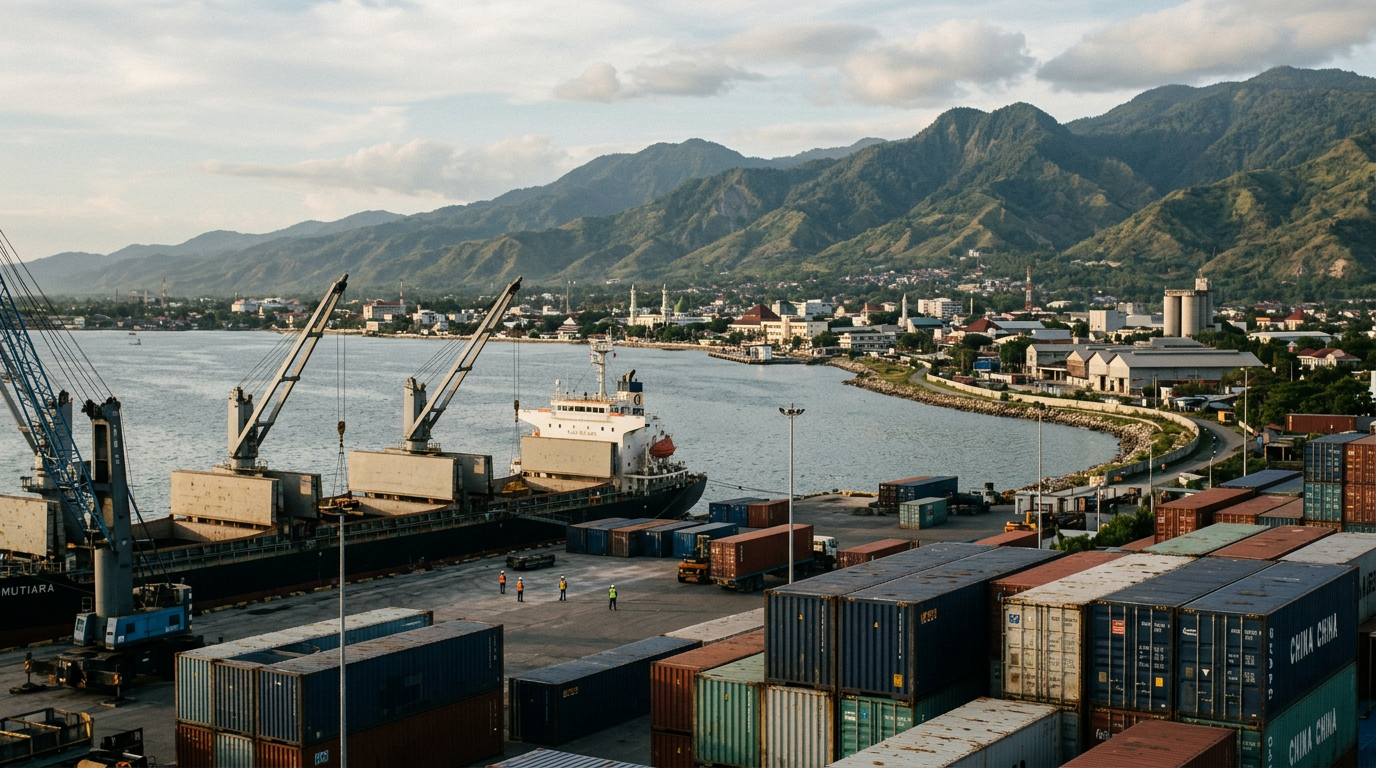
An export clinic in Palu, Indonesia, is assisting local micro, small, and medium enterprises (MSMEs) in accessing export markets, as reported by Antara News. While the initiative is local, it illustrates a fundamental challenge for the bloc: how to manage economic relationships, particularly with China, while building independent capacity.
The Structure of Trade
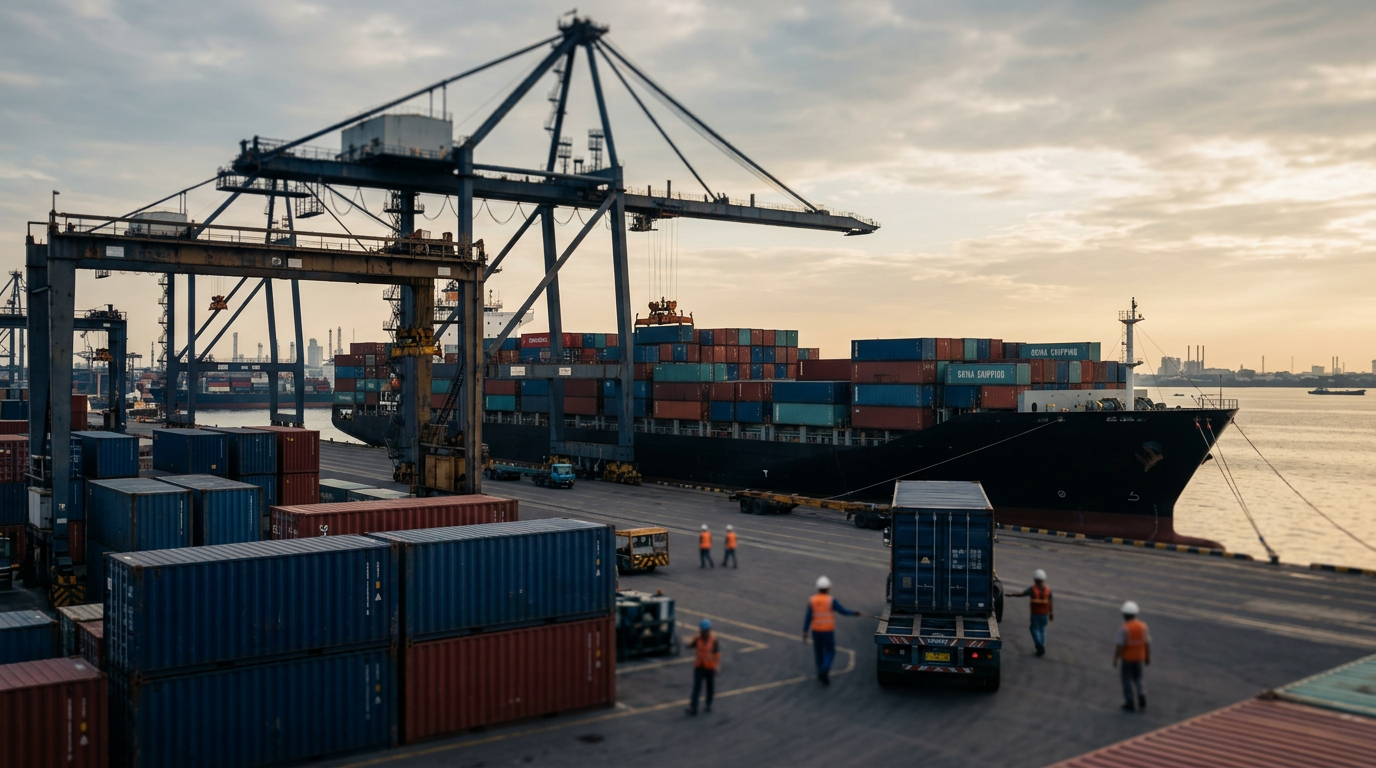
For many ASEAN states, deep trade links with China are a permanent feature of their economic landscape. As examined in ASEAN Rising, this integration has moved beyond a cyclical trend to become a structural reality. The primary issue for governments and businesses is no longer about the initial decision to engage with China but about structuring that engagement to maintain national economic flexibility and autonomy. The core task is one of managing dependency.
Initiatives like the Palu export clinic represent a grassroots attempt to address this. By equipping smaller businesses with the skills to trade internationally, Indonesia is broadening its export base beyond large corporations. This diversification can help build resilience. When MSMEs can access multiple markets, the national economy becomes less susceptible to shocks or shifts in demand from a single, dominant partner.
Execution and Institutional Capacity
The effectiveness of these programs hinges on execution. The Palu clinic, run by an entity called Barantin, focuses on practical issues like understanding export procedures and meeting international standards. This is where institutional capacity is tested. It is not enough to have a policy supporting MSME exports; the state must be able to deliver the training, certification, and logistical support that enables firms to compete.
This capacity is uneven across ASEAN. While some member states have well-developed export promotion agencies, others are still building these institutions. The long-term success of diversifying trade relationships depends on the patient work of building these networks. For Indonesia, connecting the dots between a small enterprise in Palu and a consumer in a distant market requires a robust institutional chain linking local, national, and international systems.
Capital and Infrastructure
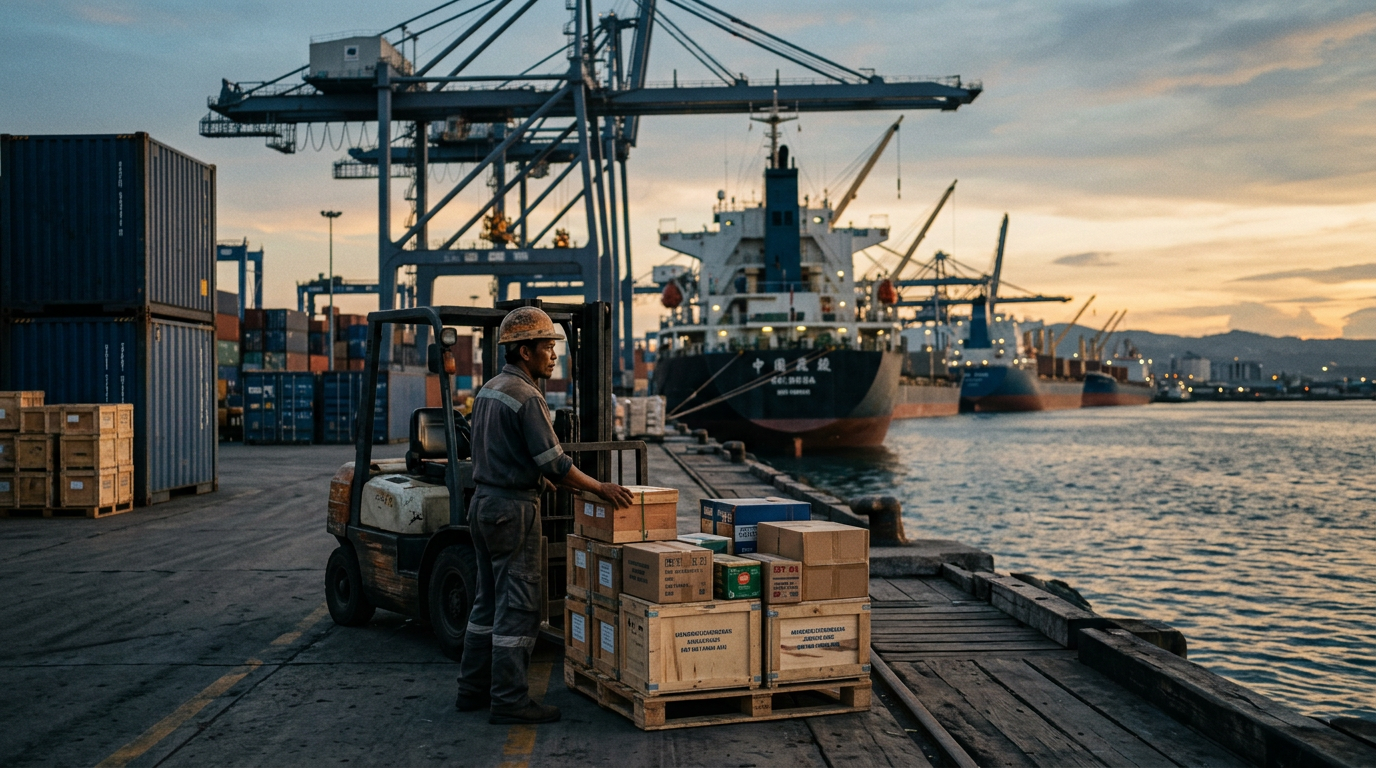
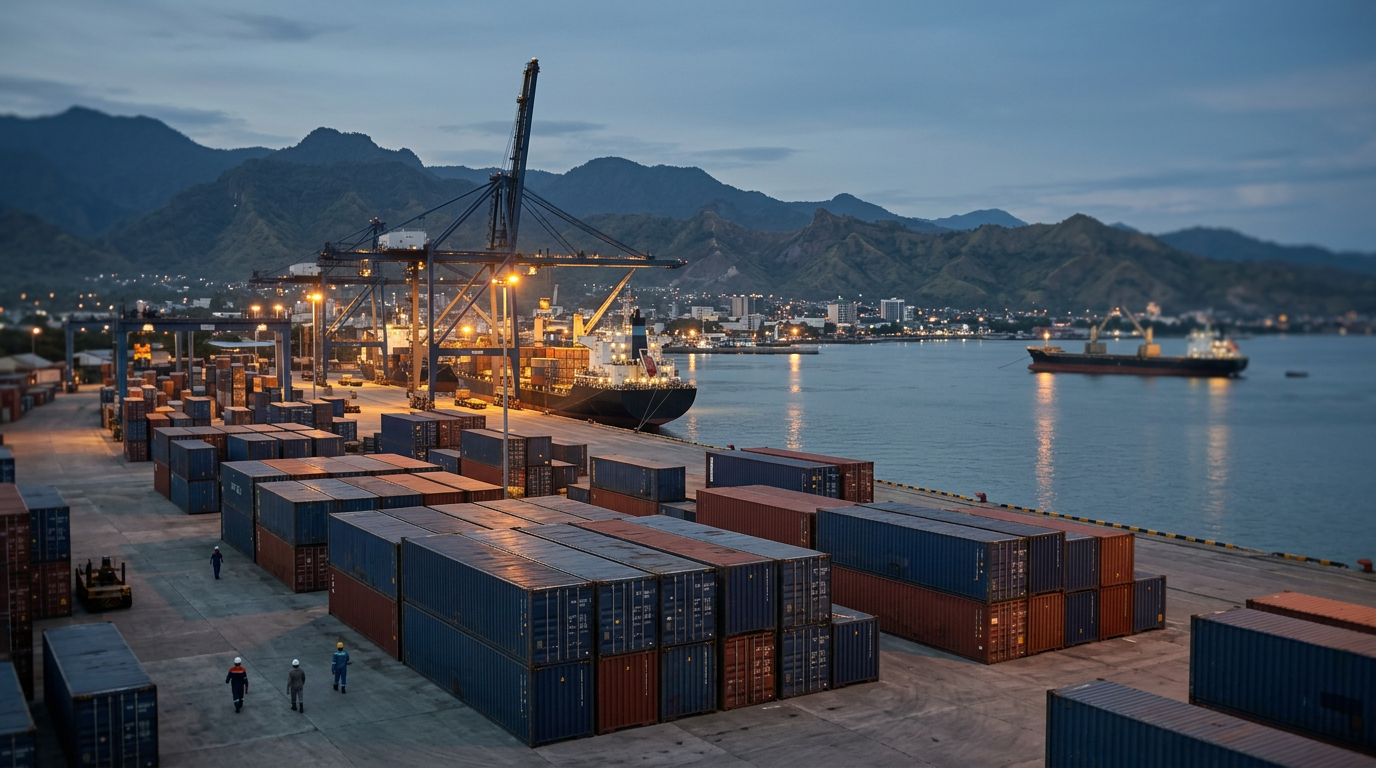
Beyond institutional support, capital and infrastructure are determinants of success. For an MSME in Palu, accessing export markets requires financing for production, transport to a port, and the digital infrastructure for modern customs clearance. The Palu clinic can provide knowledge, but its impact is limited if the physical and financial infrastructure is lacking. As the book notes, "Trade depth with China is now a structural feature, not a cyclical one," which means that any strategy for managing this reality must also be structural. This includes investments in ports, roads, and digital connectivity that serve not just the largest players but the entire business ecosystem.
Building out this infrastructure is a capital-intensive, long-term project. It requires coordination between public and private sectors to ensure that investments serve national strategic goals, including the diversification of trade partners and the empowerment of smaller economic actors. The ability of a business in Central Sulawesi to compete globally is a direct reflection of the quality of these national and regional investments.
What to watch
Observers should monitor the degree to which local-level initiatives like the Palu export clinic are integrated into national and ASEAN-wide strategies. The expansion of such programs, their ability to demonstrably increase MSME exports to a variety of markets, and the supporting investments in both physical and institutional infrastructure will indicate how seriously member states are working to manage dependency and build a more resilient economic future.