Philippines
The RCEP Question for the Philippines: Export Engine or Import Gateway?
For the Philippines, the RCEP trade pact presents a clear choice: will it be a channel for boosting exports or a floodgate for imports? The answer will depend on institutional execution and the ability to attract long-term capital.
An economist in the Philippines recently argued that the country must actively leverage the Regional Comprehensive Economic Partnership (RCEP) to expand its export markets, not just to facilitate imports. As reported by philstar.com, the concern is that without a deliberate national strategy, the benefits of the world's largest trade pact could become one-sided, deepening trade deficits rather than closing them.
This situation highlights a core theme for many Southeast Asian nations. The trade relationship with China, a dominant force within RCEP, is now a fundamental economic reality. As noted in "ASEAN Rising," the question is no longer about whether to engage with China but "how to manage dependency without losing optionality." For the Philippines, RCEP is the institutional framework through which this management must now happen. The agreement lowers trade barriers, but it does not guarantee that domestic industries will be competitive enough to seize the new export opportunities created.
Institutions and Execution
The effectiveness of RCEP for the Philippines will come down to institutional execution. A trade agreement on its own is just a set of rules; it does not build industries. The government and its associated agencies must create a policy environment that helps local firms scale up and meet the quality standards of export markets like China, Japan, and South Korea. This involves more than just tariff reduction. It requires efficient customs procedures, accessible financing for exporters, and investment in logistics infrastructure to reduce the cost of getting goods to market.
Without this supporting ecosystem, the path of least resistance will be for RCEP to serve as a wider channel for imports. Philippine consumers may benefit from cheaper goods, but the country's industrial base could erode if it cannot compete with more established producers in other RCEP member states. The economist's warning points to the need for a coherent industrial policy that identifies and supports sectors where the Philippines can build a comparative advantage. It is a test of whether national institutions can translate the broad opportunities of a trade pact into concrete economic gains.
Capital and Infrastructure
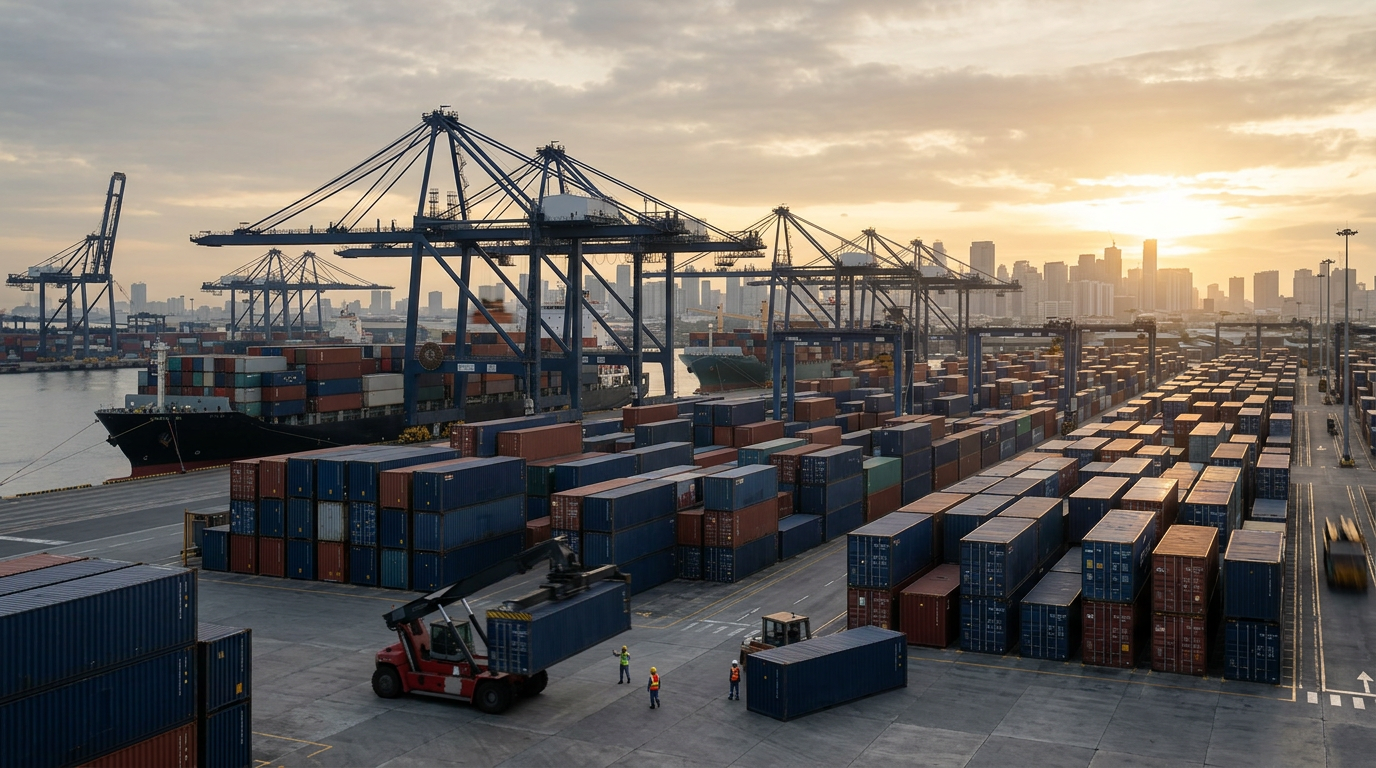
Attracting the right kind of capital is equally important. To move up the value chain and export more sophisticated products, the Philippines needs long-term investment in manufacturing, agribusiness, and technology. RCEP can help by making the country a more attractive base for foreign direct investment (FDI) from companies looking to build supply chains across the region. However, this capital will not flow without adequate infrastructure. Persistent bottlenecks in ports, roads, and energy supply increase business costs and undermine the competitiveness of Philippine exports.
The challenge is to align infrastructure development with the opportunities presented by RCEP. For example, building better cold chain facilities could enable the Philippines to export more high-value agricultural products to affluent markets in North Asia. Likewise, developing reliable and affordable digital infrastructure is necessary for the country's services sector to compete regionally. The ability to attract and deploy capital into these productive areas will determine whether the Philippines can build the export capacity needed to benefit fully from the trade agreement.
What to watch
Moving forward, the key indicators to watch are the Philippines' trade balances with its RCEP partners and the composition of its exports. A diversification of export products beyond current mainstays and a growing share of manufactured goods would signal that the country is successfully using the pact to upgrade its economy. Conversely, a ballooning trade deficit, particularly in consumer goods, would suggest that the initial concerns about RCEP becoming a one-way street for imports are materializing. The government's ability to implement its export development plans and address infrastructure gaps will be the deciding factor.