Timor-Leste
 and the Challenge of ASEAN Integration
Timor-Leste's journey to full ASEAN membership highlights the bloc's model of institutional capacity building. While the path is long, the focus on foundational economic structures is a familiar one for ASEAN, which has always prioritized consensus and shared standards as the.
A recent coffee session in Dili with the Deputy Secretary-General of ASEAN for the ASEAN Economic Community, Satvinder Singh, and ASEAN Heads of Mission to Timor-Leste, as reported by ASEAN.org, may seem like a minor diplomatic affair. However, it points to the methodical, institution-led process of integrating Timor-Leste as the bloc's eleventh member. The meeting, which included development partners, signals a coordinated effort to prepare the country for the economic and institutional demands of membership. This approach, focused on capacity building and gradual alignment, is a hallmark of ASEAN's expansion and a practical test of its integration model.
The ASEAN Way: Integration Through Institutions
ASEAN's engagement with Timor-Leste is not simply about political admission but about a deep-seated process of institutional alignment. Before a new member can fully participate in the ASEAN Economic Community (AEC), its domestic institutions must be capable of implementing and upholding thousands of regional agreements, standards, and regulations. This covers everything from customs procedures and intellectual property rights to competition policy and financial services. The presence of the DSG for the AEC in Dili underscores that the primary focus is on the economic scaffolding required for successful integration.
This process is painstaking. It involves technical assistance, knowledge sharing, and significant investment in building Timor-Leste's state capacity. The involvement of "development partners" in these discussions is telling; it suggests a broad coalition is being marshaled to provide the necessary financial and technical resources. For ASEAN, bringing a new member up to speed is a collective undertaking that reinforces the bloc's own institutional frameworks. This method contrasts with other regional models that may prioritize faster political or security alignment. Instead, ASEAN's approach is rooted in the belief that shared economic prosperity, built on a bedrock of common institutional standards, is the most durable basis for regional stability.
Managing Dependency in a Complex Region
Timor-Leste's accession comes at a time when the entire region is navigating complex economic relationships, particularly with China. As the book ASEAN Rising notes, deep trade ties with China are now a structural reality for the bloc. The core challenge is no longer about choosing partners but about managing economic concentration. For a nascent economy like Timor-Leste, the allure of large-scale infrastructure and trade opportunities from a single powerful partner is immense. However, ASEAN's framework encourages a more diversified approach.
By integrating into the AEC, Timor-Leste gains preferential access to a market of over 660 million people and becomes part of a broader network of free trade agreements, including the Regional Comprehensive Economic Partnership (RCEP). This provides a built-in mechanism for diversifying its trade and investment relationships. The institutional disciplines of the AEC, such as those promoting transparency and fair competition, also equip member states with better tools to negotiate from a position of strength and avoid unfavorable dependencies. For Timor-Leste, ASEAN membership is therefore not just a political statement but a strategic economic choice that offers a pathway to "manage dependency without losing optionality."
The Road Ahead: Capital and Talent
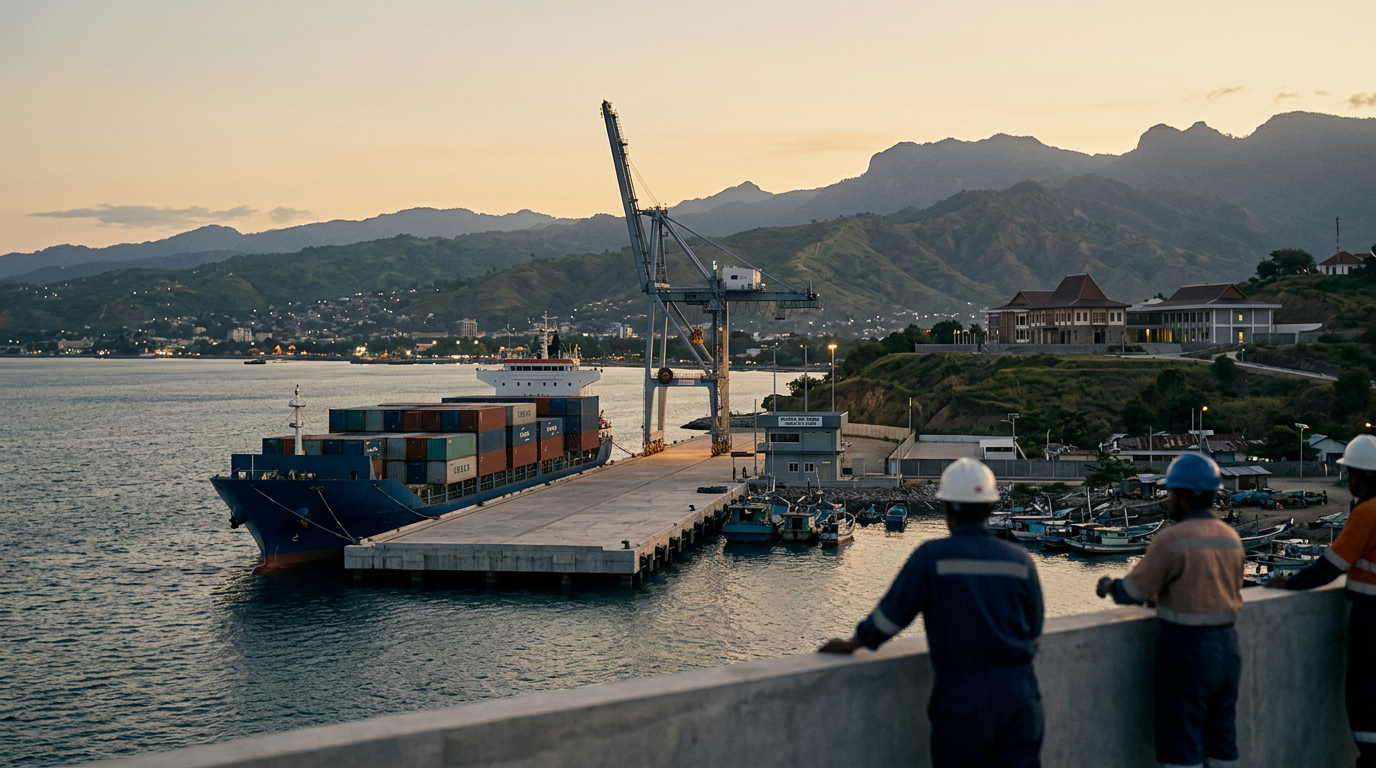
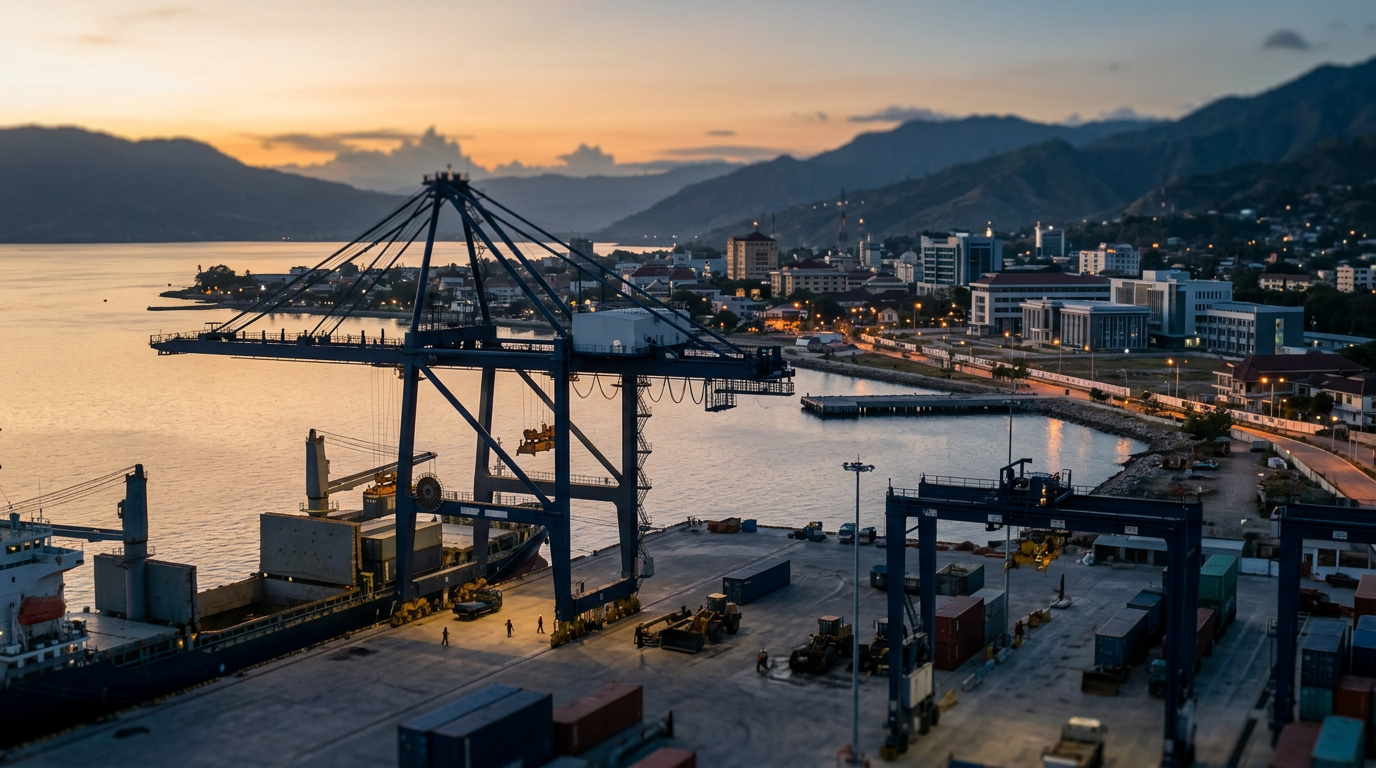
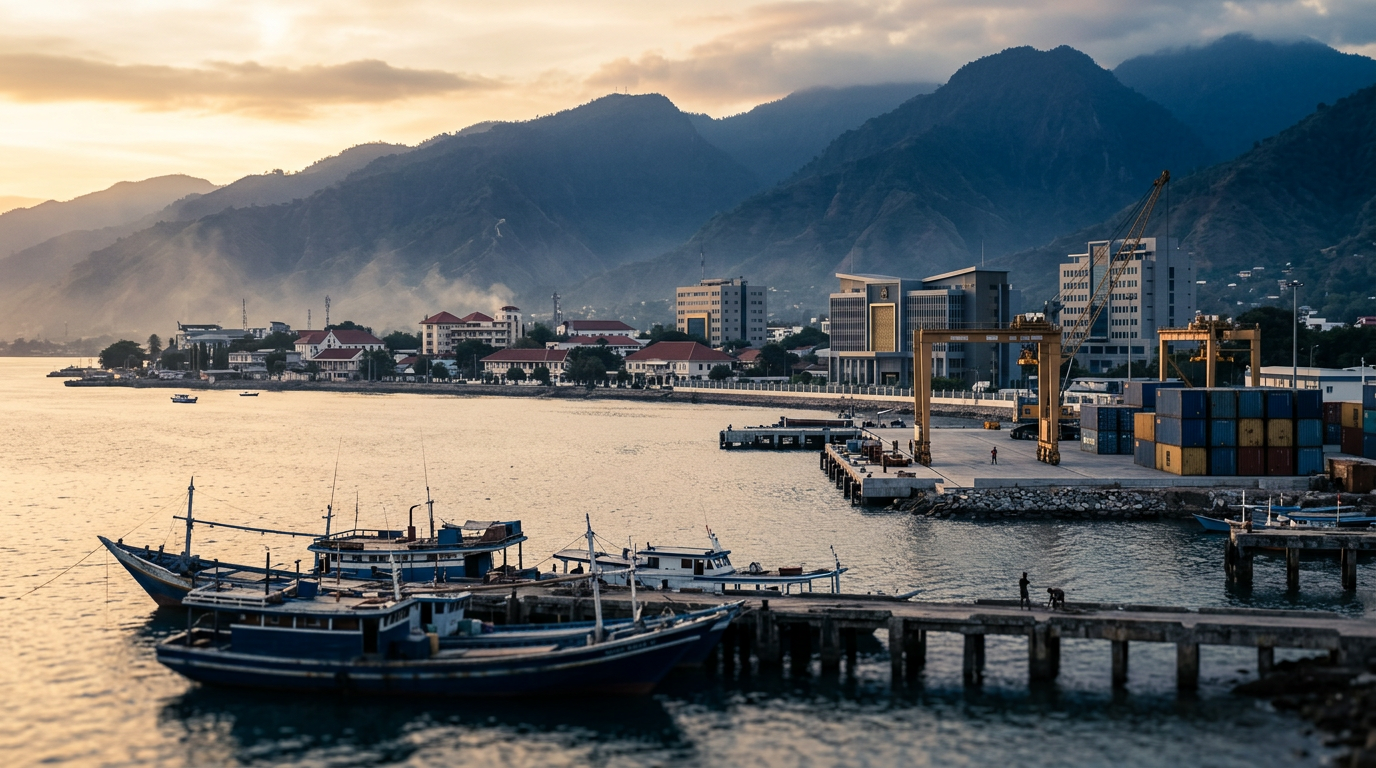
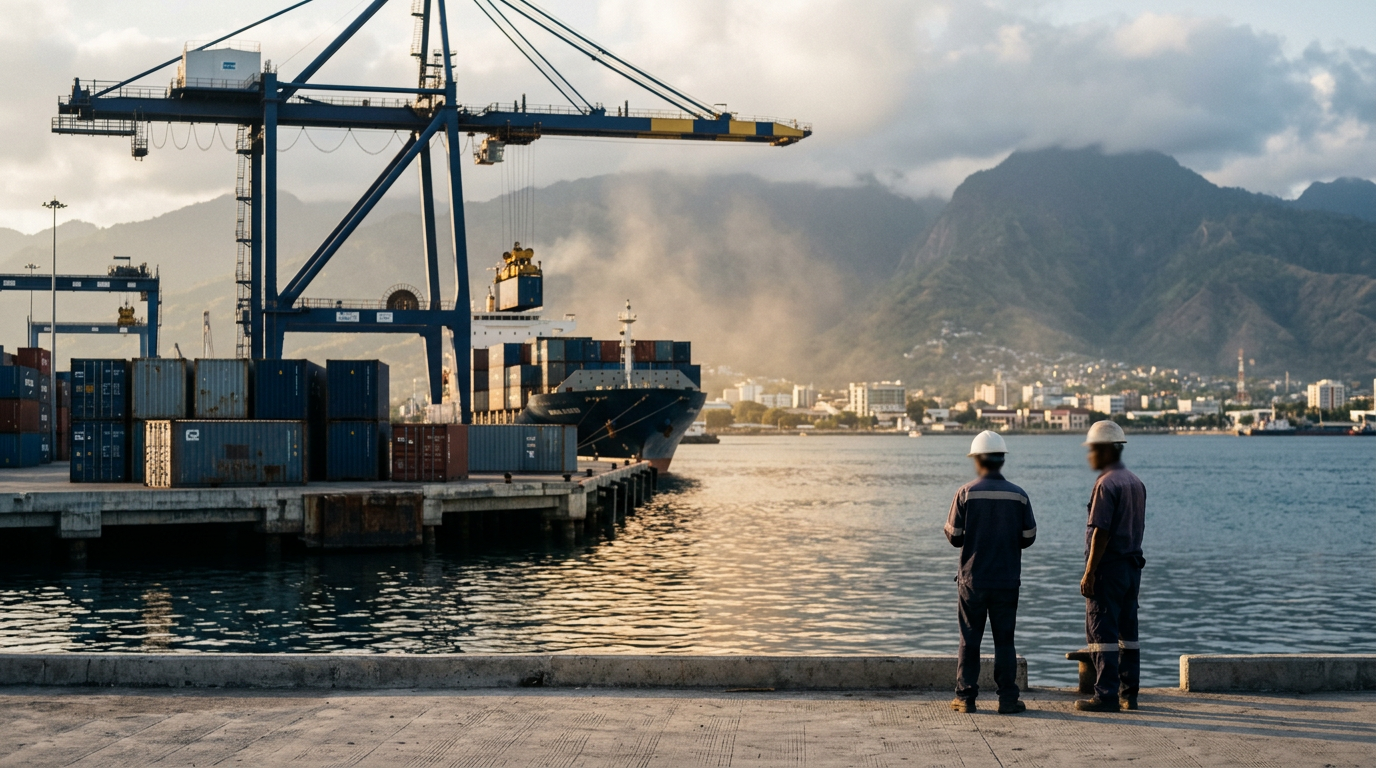
Successfully integrating Timor-Leste requires more than just regulatory alignment; it demands substantial investment in physical and human capital. The country's infrastructure- from ports and roads to digital connectivity- must be upgraded to connect it seamlessly with the rest of the region. This is a capital-intensive process where ASEAN-based funds and development partners can play a significant role. The discussions in Dili likely touched upon mobilizing this capital, not just for grand projects but for the foundational infrastructure that enables small and medium-sized enterprises to thrive.
Equally important is the development of local talent. A modern economy requires a workforce skilled in areas like logistics, digital finance, and international trade law. ASEAN's emphasis on mutual recognition arrangements for professional services and its various educational exchange programs can provide Timor-Leste with a roadmap for human capital development. Building this talent pool is a long-term endeavor, but it is essential for ensuring that the benefits of economic integration are broadly shared and that the country can become a competitive and contributing member of the ASEAN community.
What to watch next is how Timor-Leste translates the ASEAN accession roadmap into concrete domestic policy and institutional reform. The pace of progress will depend on its ability to absorb technical assistance, attract a diversified range of investment, and cultivate the necessary administrative and professional skills within its population. The bloc's methodical support provides a clear framework, but successful execution will ultimately be a measure of Timor-Leste's own state capacity and political will.