Indonesia
's Commodity Single Door and the Challenge of Managed Dependency
Indonesia is centralizing its commodity export system. This move is a practical example of an ASEAN state managing its deep trade relationship with China, a core theme of our book.
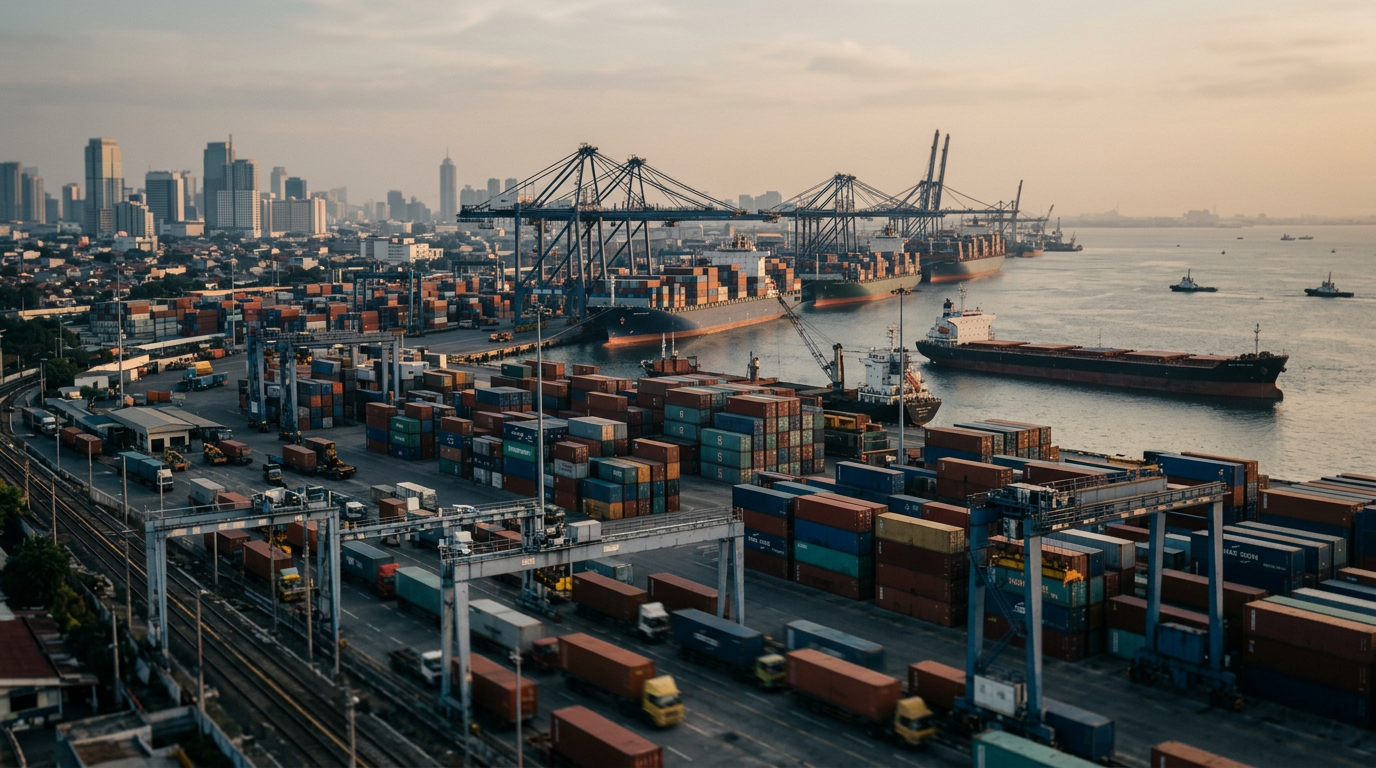
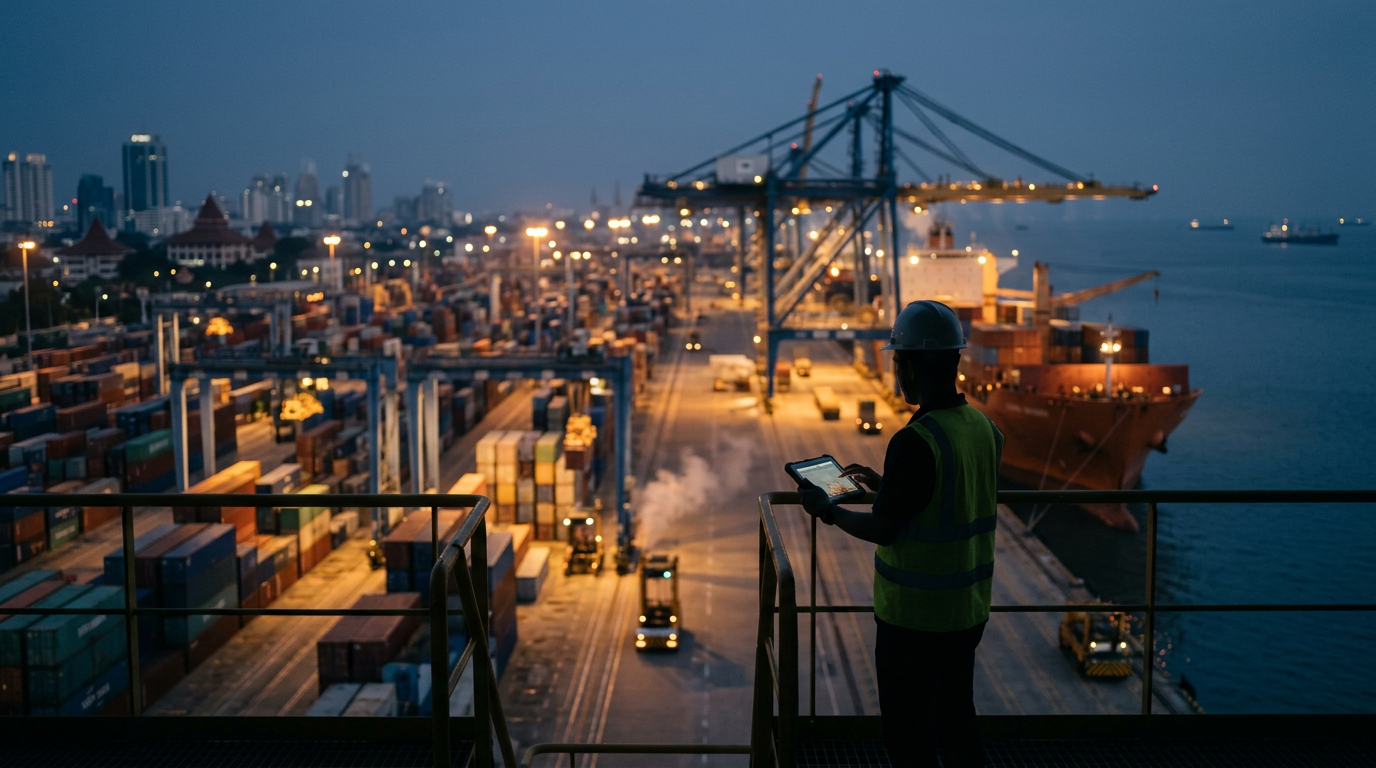
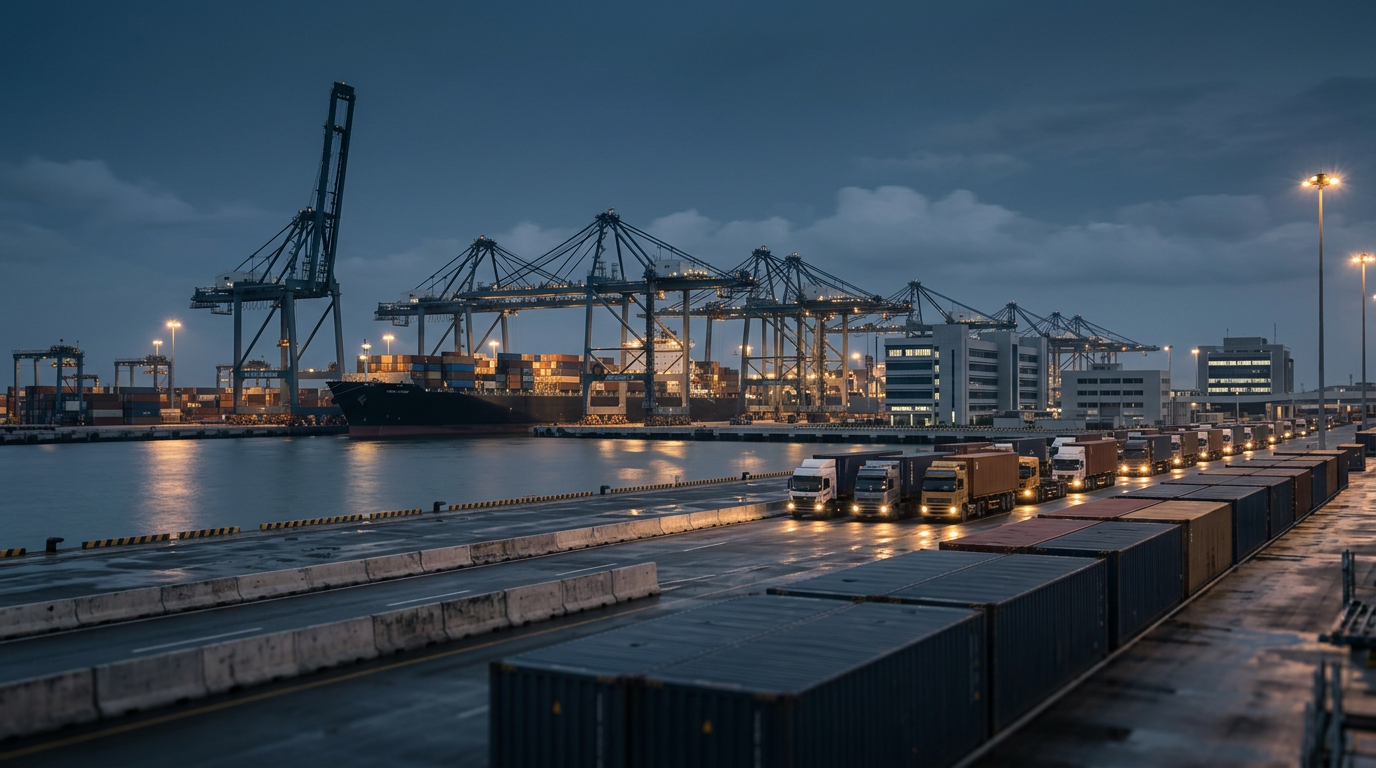
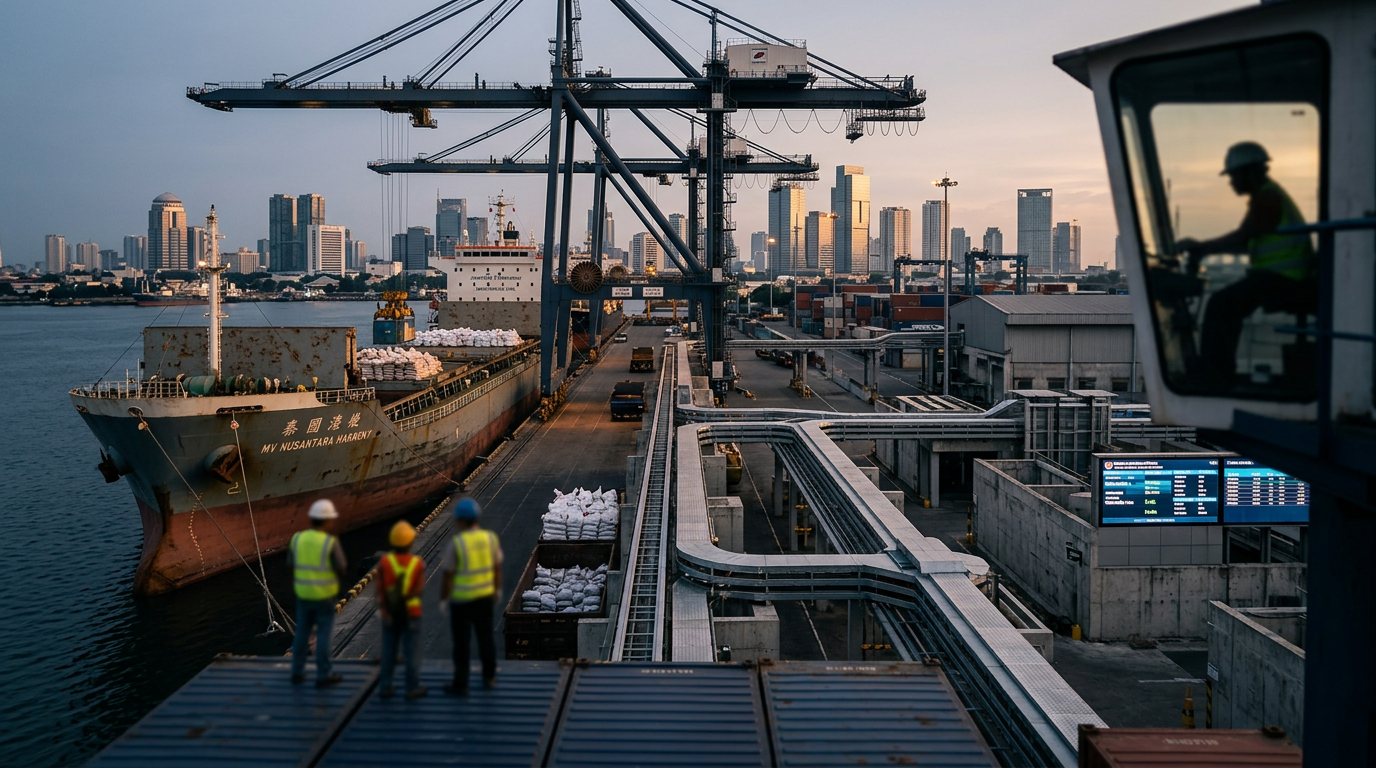
Indonesia plans to fully implement a single-door commodity export system by the end of the year, a move that will centralize the verification process for key exports like coal, palm oil, and fisheries. As reported by Tempo.co, the new regulation aims to streamline trade procedures and improve data accuracy for levying export duties. While presented as a domestic administrative reform, this policy has significant implications for how ASEAN's largest economy manages its trade relationships, particularly with China.
Institutions and Trade Management
The Indonesian government's initiative creates a single point of entry for commodity exporters, consolidating verification previously handled by multiple agencies into one supervised by the Trade Ministry. This institutional streamlining is designed to enhance efficiency and state control over the country's vast natural resource exports. By centralizing data and inspection, Jakarta can more effectively monitor trade flows, calculate export levies, and ensure compliance with its commodity balance policies.
This is a direct response to the operational challenges of managing a high-volume trade portfolio. For a country like Indonesia, where commodities are a primary source of export revenue, the integrity of the export process is a matter of fiscal and economic stability. The system is an investment in the institutional capacity required to oversee and extract value from its international trade. It reflects a desire to build more robust domestic systems to manage external economic pressures and opportunities.
Dependency and Optionality with China
The implementation of a single-door system is also a strategic move in the context of Indonesia's deep trade ties with China. China is the top destination for many of the commodities covered by this new regulation, including coal, nickel products, and palm oil. This trade concentration gives Beijing considerable influence. As the book "ASEAN Rising" notes, for member states, "trade depth with China is now a structural feature, not a cyclical one." The question is how to manage this reality.
Indonesia's policy is an example of a nation attempting to manage that dependency. By strengthening its administrative grip on its most valuable exports, Jakarta is building a more resilient framework for its trade with China. The centralized system provides better tools for monitoring and, if necessary, controlling the flow of goods. This enhances Indonesia's ability to manage its economic relationship with its largest trading partner, preserving a degree of national autonomy without disengaging from a vital market. The goal is to build leverage through better internal systems, ensuring that dependency does not eliminate strategic choice.
What to watch
Observe how the implementation of the single-door system affects the speed and cost of exports for Indonesian producers in the covered commodity sectors. The government's stated goal is to streamline, but new systems can introduce friction. Also, watch for any reaction from major trading partners, like China, to changes in how Indonesia manages and prices its key commodity exports. The execution of this institutional reform will signal how effectively Indonesia can turn administrative improvements into strategic economic leverage.