Indonesia
, China, and the MSME Export Push
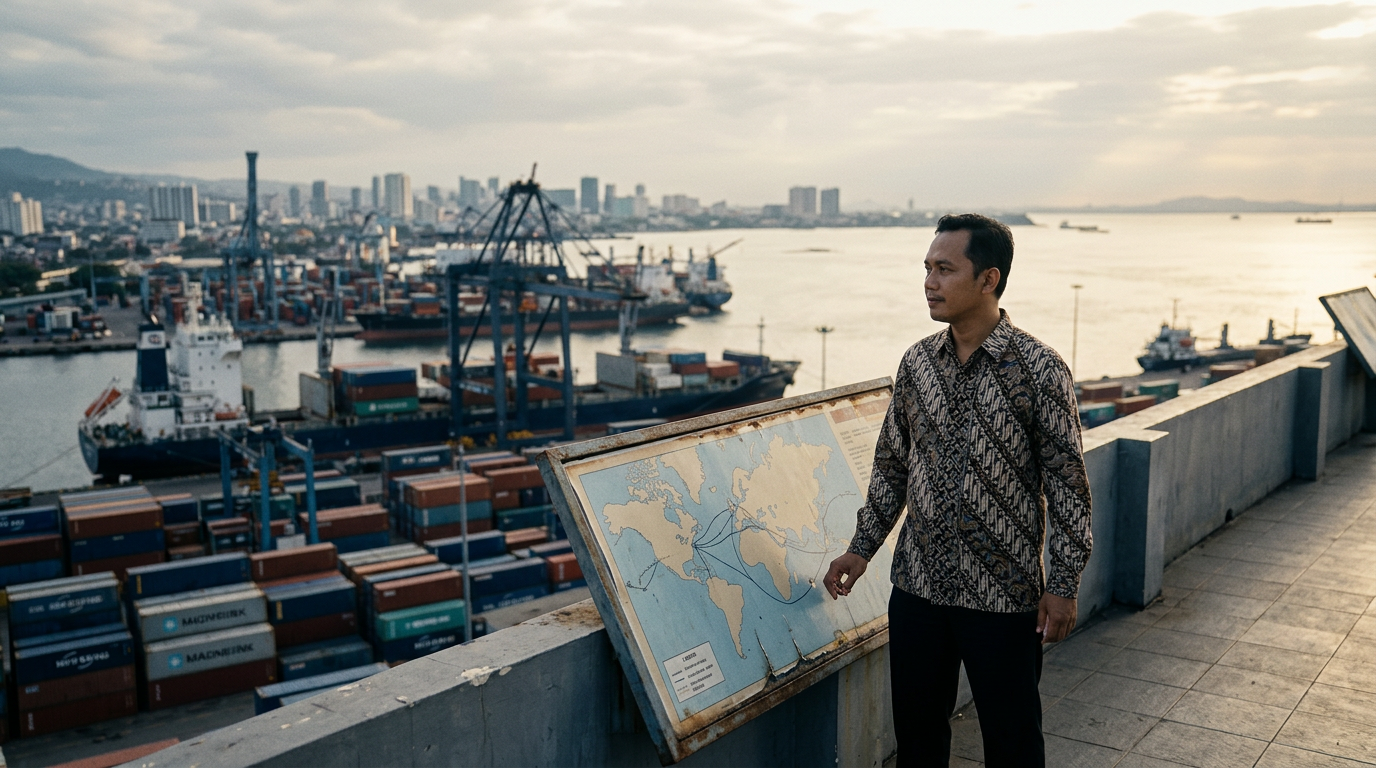
Indonesia is working to boost exports from its smaller firms. This is not just a domestic growth story, but a strategic imperative in managing its deep trade relationship with China.
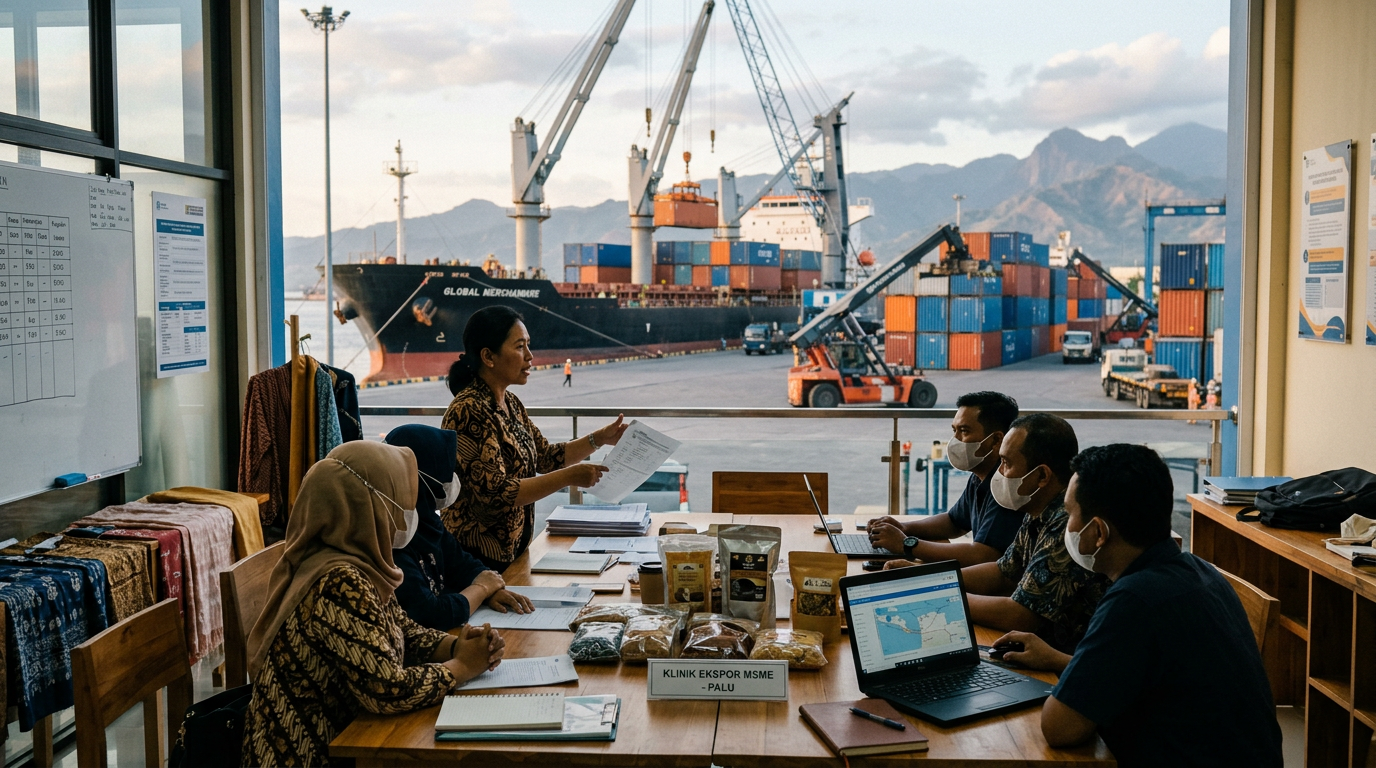
An export clinic is helping micro, small, and medium enterprises (MSMEs) in Palu, Indonesia, to access international markets, according to a report from Antara. The initiative, run by the quarantine agency Barantin, aims to equip these smaller firms with the knowledge to navigate export procedures. While seemingly a local initiative, this effort in Central Sulawesi points to a larger structural challenge for Indonesia and its neighbors: managing deep trade ties with China.
The Gravity of China Trade
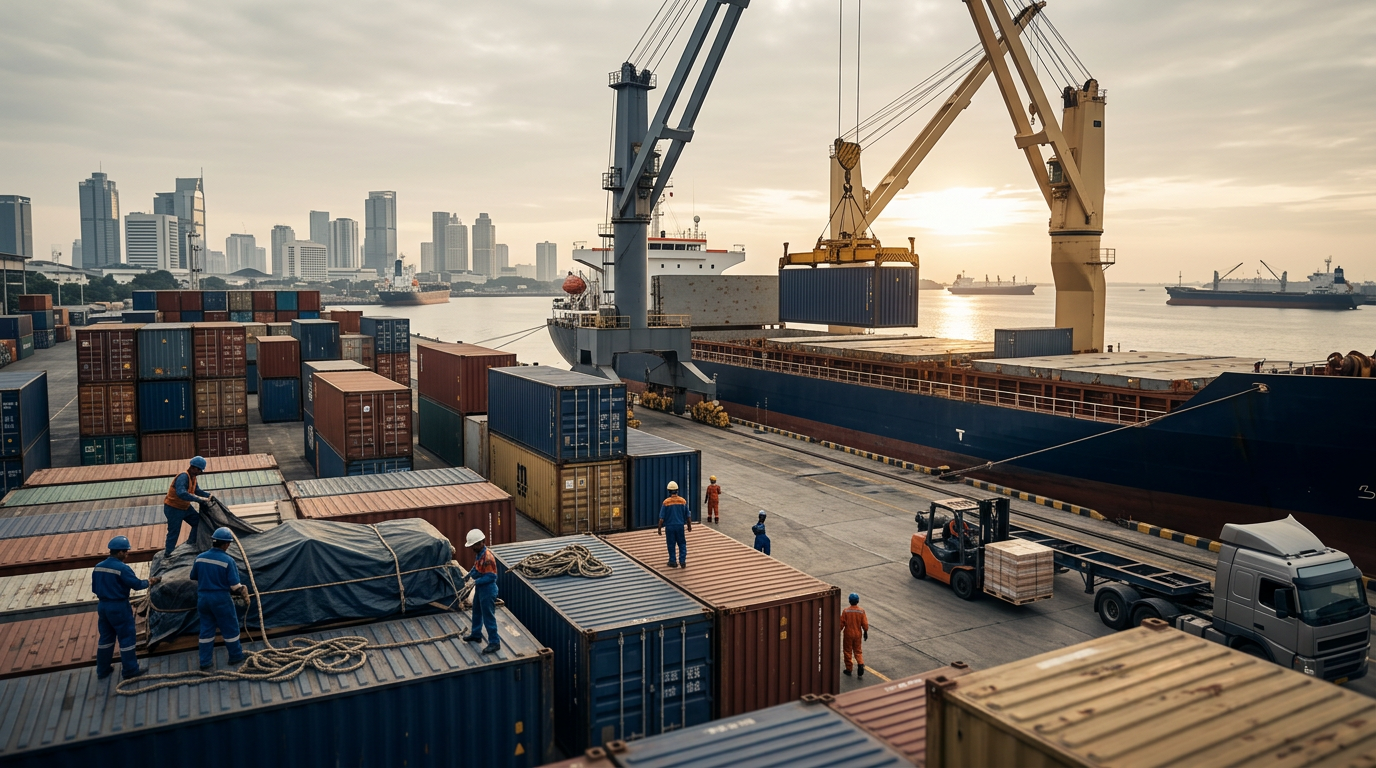
The economic relationship between ASEAN and China is profound and has reshaped regional commerce over the past two decades. For Indonesia, China is its largest trading partner, a primary source of foreign investment, and a key infrastructure partner. This economic integration brings considerable benefits, providing access to a massive market and a steady flow of capital. However, it also creates dependency.
As the book ASEAN Rising notes, the depth of this trade is now a structural, not a cyclical, feature of the regional economy. The core task for governments is no longer about choosing whether to engage with China, but about how to manage the resulting dependency. For Indonesia, this means ensuring its own economic base is resilient and diversified. Empowering MSMEs to export is a direct way to build that resilience from the ground up, moving beyond a reliance on large commodity exports and state-owned enterprises.
MSMEs as a Diversification Tool
Initiatives like the Palu export clinic are fundamental to Indonesia's strategy. MSMEs are the backbone of the Indonesian economy, accounting for the vast majority of firms and employment. Yet, their participation in international trade remains limited. High logistics costs, complex customs procedures, and a lack of market knowledge are significant barriers. By providing practical training, the government is trying to build institutional capacity where it matters most: at the level of the small business owner.
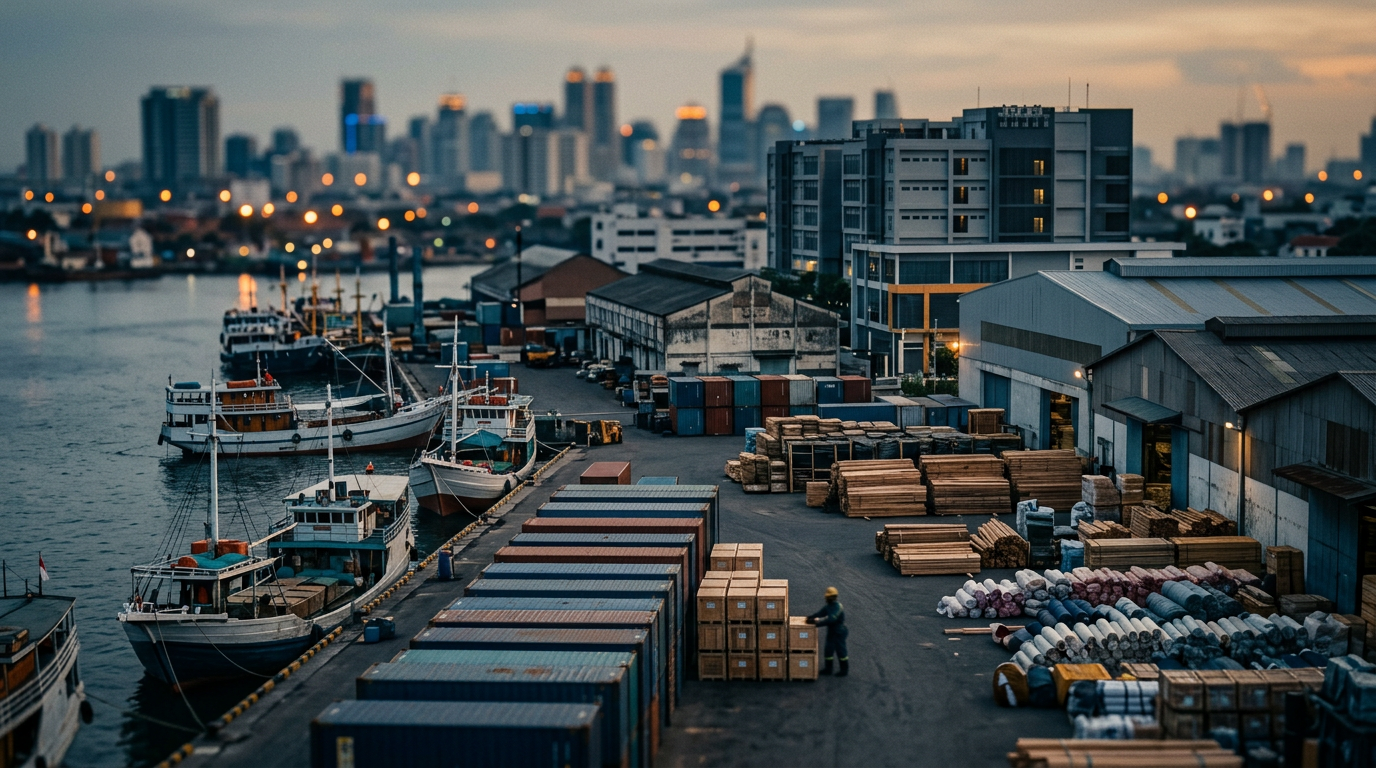
This is not simply about increasing export volumes. It is about diversifying the type of exports and the number of firms participating in global trade. A broader export base, with hundreds of thousands of smaller firms selling to a variety of markets, is less vulnerable to shocks than one concentrated in a few large players or a single destination market. This approach addresses the core challenge of managing dependency "without losing optionality." It fosters a more dynamic and adaptable economic structure capable of engaging with China while simultaneously pursuing opportunities elsewhere.
What to watch: The Indonesian government has set ambitious targets for growing its MSME exports. Observers should watch for follow-through on these training initiatives. The key metrics of success will not just be the headline export numbers, but also the number of new firms successfully entering export markets and the diversification of their destination countries beyond the usual major partners. The administrative and logistical reforms that follow these clinics will determine if this is a sustainable push or a temporary program.