Indonesia
's Single-Door Export System Tests Its China Strategy
Indonesia plans to fully implement a single-door export system by December, a move that will test its ability to manage deep trade dependency on China without losing strategic optionality.
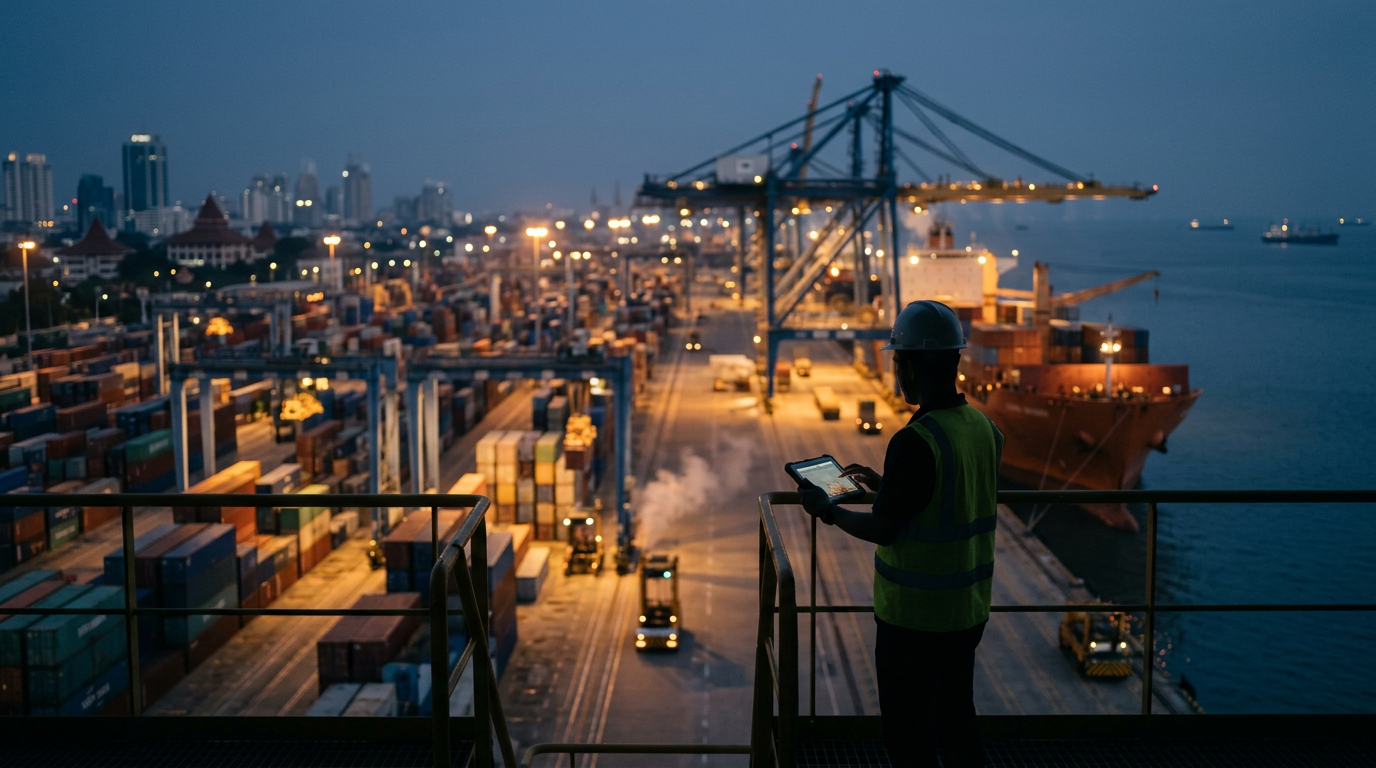
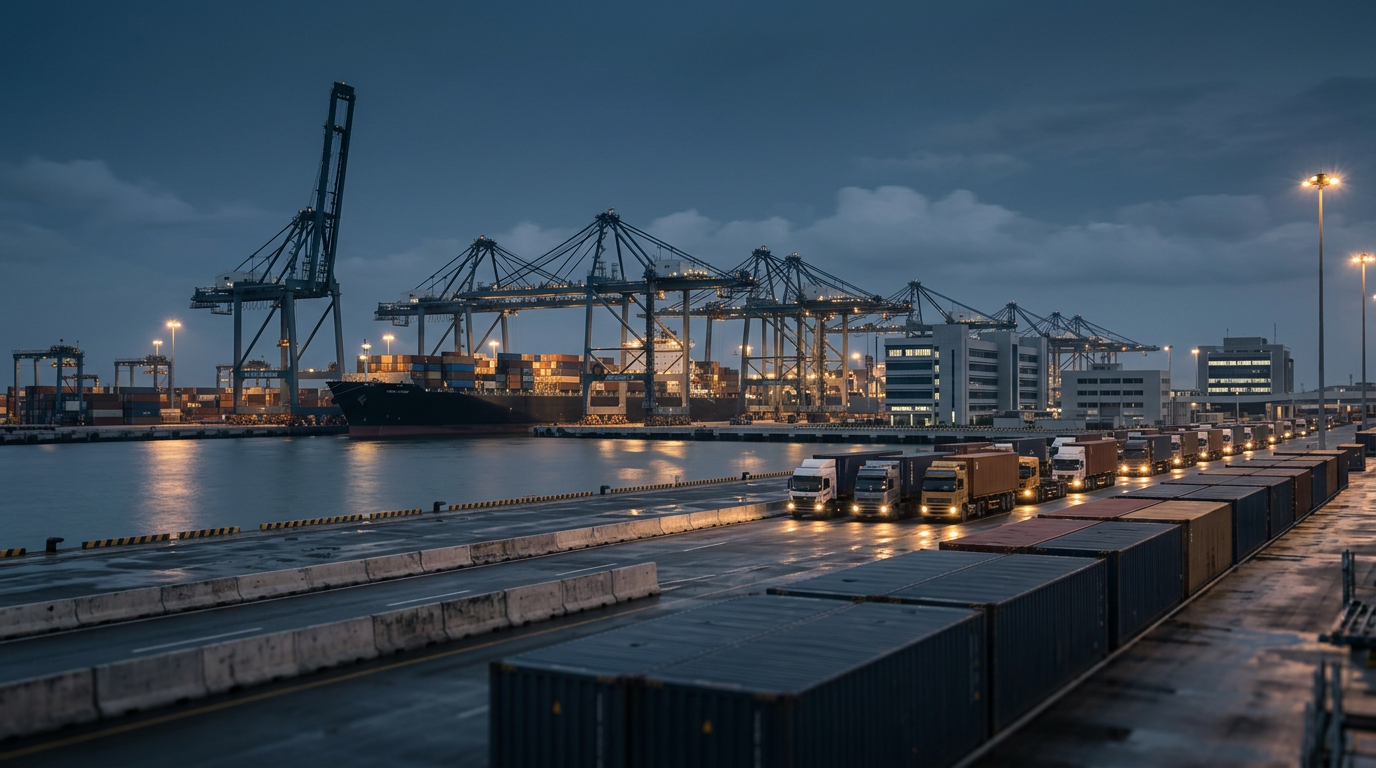
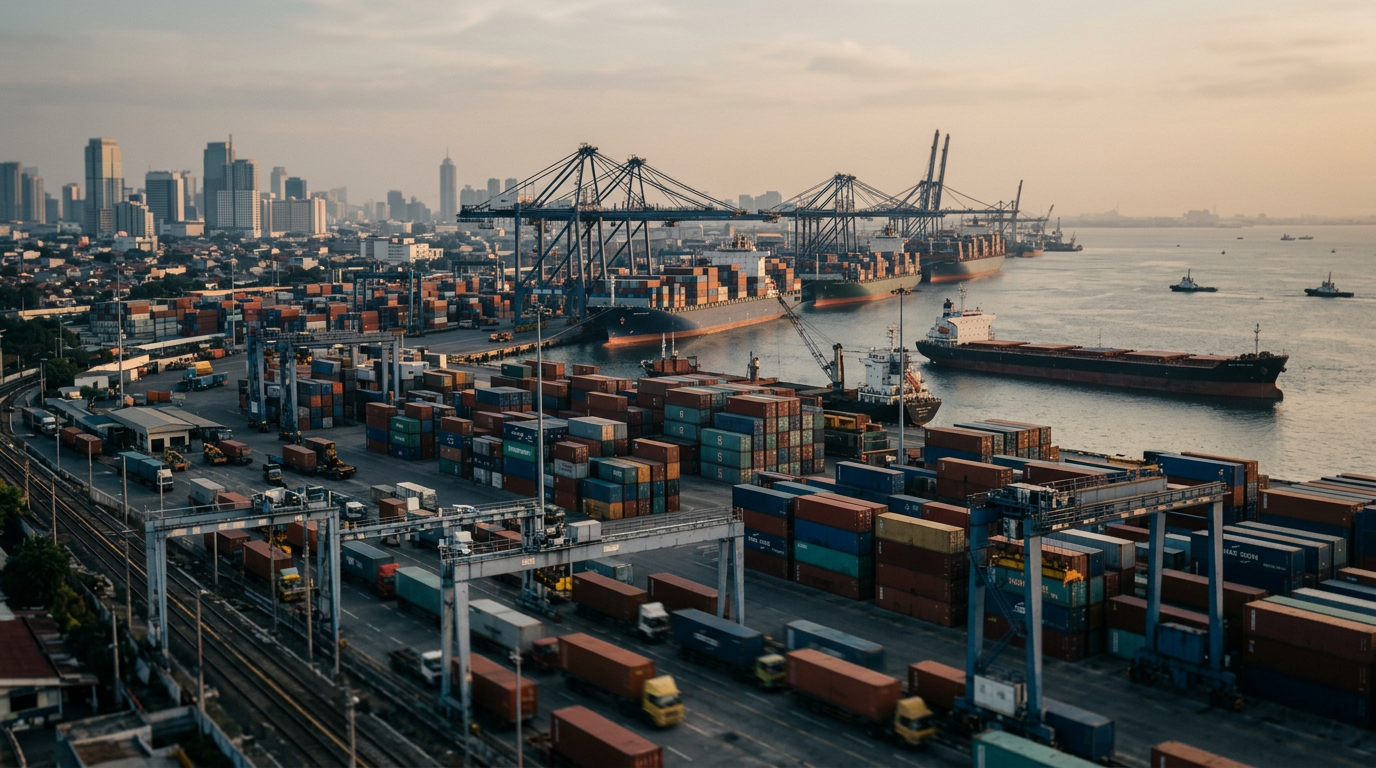
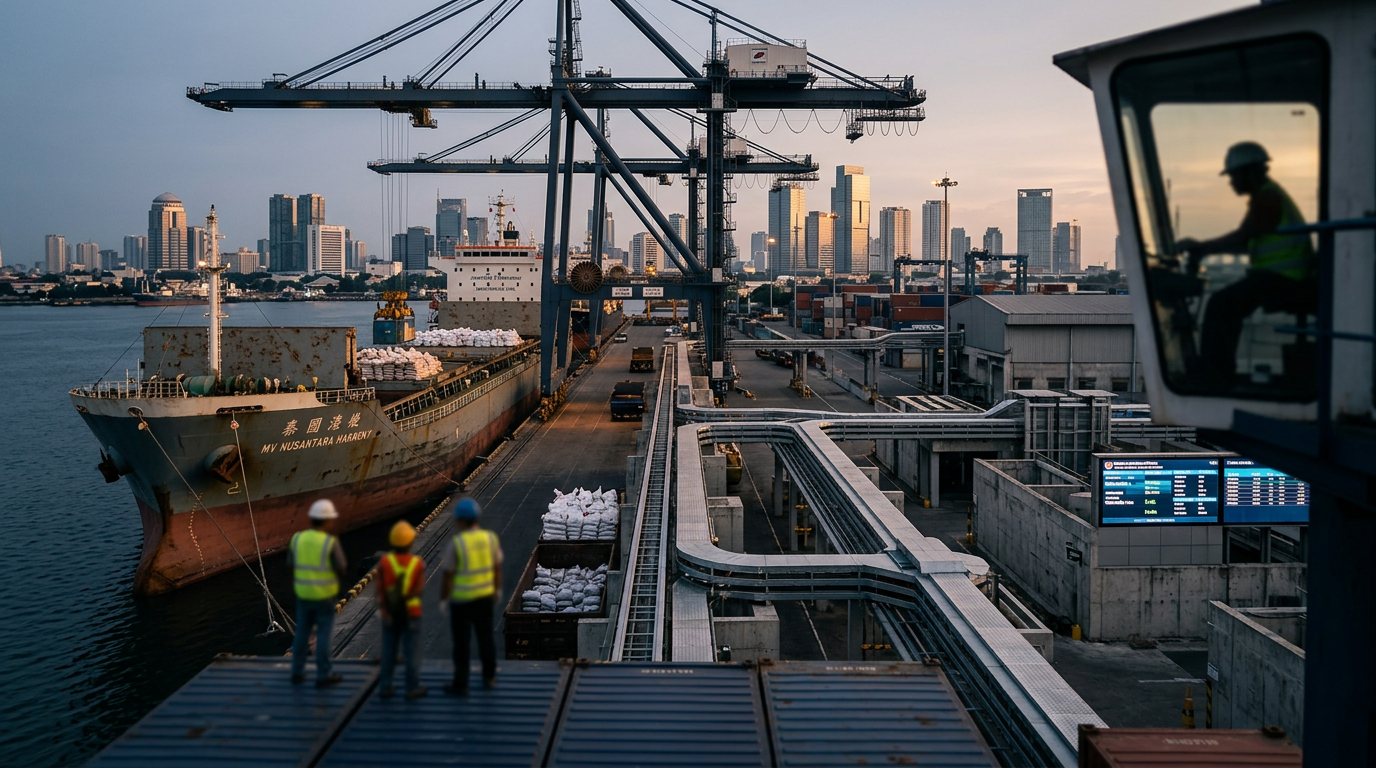
Indonesia plans to fully implement a single-door export system for key commodities by the end of the year, a move intended to streamline trade and improve oversight. As reported by Tempo.co, the system will centralize the verification process for major exports like coal, palm oil, and ferroalloys. While presented as a domestic institutional reform, this policy has significant implications for Indonesia's trade relationship with its largest partner, China, and reflects a broader ASEAN challenge: managing economic integration with a dominant regional power.
Institutions and Infrastructure
The new export system is a classic example of building institutional and infrastructural capacity to manage trade flows. By consolidating verification, Jakarta aims to create a more efficient, transparent, and controllable process. This is not merely a technical upgrade; it is an assertion of sovereign control over the country's most valuable natural resources. For commodities like ferroalloys, which are vital for industrial production and are heavily exported to China, this system provides the Indonesian government with a powerful tool. It can be used to enforce regulations, ensure accurate valuation, and gather precise data on the volume and direction of trade. This infrastructure is a precondition for a more strategic trade policy, moving from passive facilitation to active management.
Capital and Dependency
The context for this policy is the massive inflow of Chinese capital into Indonesia's resource downstreaming sectors, particularly nickel and its derivatives. This investment has rapidly built up Indonesia's processing capacity, turning it into a global hub for products like ferronickel. However, this has also deepened Indonesia's economic reliance on a single market, both as a source of investment and as a destination for its exports. The single-door system can be seen as a state-led response to this dependency. It allows Indonesia to exercise greater authority over the export-oriented industries that Chinese capital has helped build. The policy is a tool to ensure that the benefits of this industrialization, funded by foreign capital, are aligned with Indonesia's national interests, rather than serving only the interests of investors or the demands of the Chinese market.
Execution and Strategic Weight
Implementing such a system is a significant test of execution for the Indonesian bureaucracy. It requires coordinating multiple agencies and ensuring the digital infrastructure is robust and secure. Success will demonstrate Jakarta's capacity to implement complex economic policies that buttress its strategic position. As the book ASEAN Rising notes, deep trade with China is now a structural reality for the region. The central question for governments is "how to manage dependency without losing optionality." Indonesia's single-door system is a direct attempt to answer this question. By creating a single point of control, Indonesia enhances its ability to modulate trade flows if necessary, providing a lever of influence and a degree of strategic flexibility in its relationship with Beijing. It is an institutional mechanism designed to preserve policy options in an era of growing economic interdependence.
What to watch
The focus now shifts to the implementation of the single-door system and its reception by commodity markets and major trading partners, especially China. Observers should watch for any disruptions in trade flows as the system rolls out and whether other ASEAN nations with similar resource-heavy, China-dependent trade profiles consider adopting similar institutional tools. The effectiveness of this system will signal Indonesia's ability to translate administrative reform into tangible strategic weight in its foreign economic policy.