Philippines
RCEP, China, and the Philippines: Navigating Trade Dependency
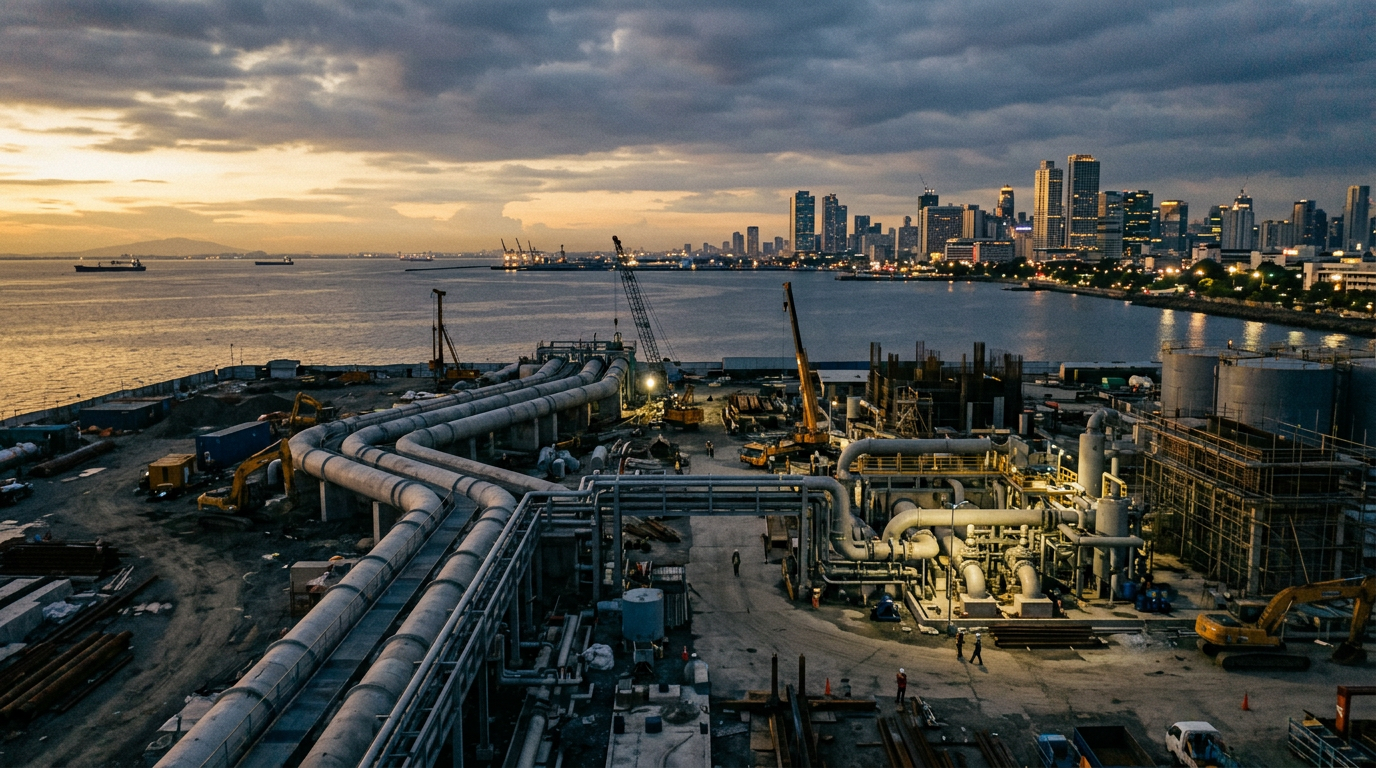
The Philippines is betting on the Regional Comprehensive Economic Partnership (RCEP) to expand its market access across Asia. But this path also deepens its trade relationship with China, requiring a strategic approach to managing economic dependency.
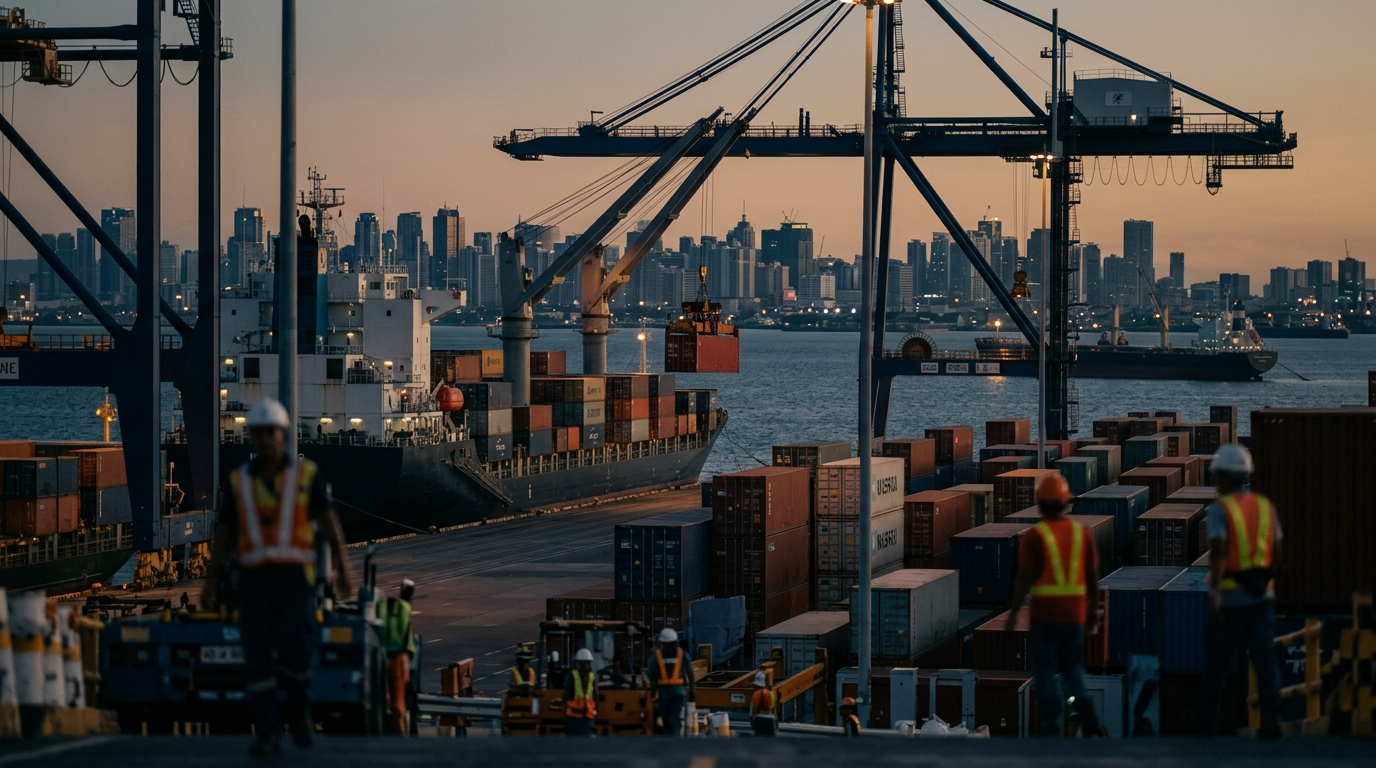
Recent calls for Philippine businesses to leverage the Regional Comprehensive Economic Partnership (RCEP), as reported by The Manila Times, highlight the country's strategy for economic growth through expanded market access. RCEP, the world's largest free trade agreement, promises to increase the presence of Filipino products on shelves across Asia. While the pact includes all ASEAN members plus Australia, Japan, New Zealand, and South Korea, it significantly deepens the trade relationship with China, the region's largest economy.
The Structure of RCEP
The Regional Comprehensive Economic Partnership is a trade agreement designed to reduce tariffs and non-tariff barriers, streamline customs procedures, and create a more integrated market among its 15 member countries. For a country like the Philippines, RCEP offers a standardized framework for trade, replacing a patchwork of bilateral agreements. The goal is to boost exports by making Filipino goods more competitive in a vast market. This involves not just lower tariffs but also clearer rules of origin, which can help Philippine components become part of larger, regional supply chains.
Engagement and Dependency
The central issue for the Philippines within RCEP is not whether to engage with China, but how to manage the resulting economic ties. As the book "ASEAN Rising" notes, deep trade with China is now a structural reality for the bloc. The agreement solidifies this, creating a more formal architecture for an already existing trade gravity. The challenge for Manila is to use the institutional framework of RCEP to its advantage, ensuring that market access translates into genuine economic development and not just a one-way flow of goods that creates unsustainable deficits or hollows out domestic industries. Effective execution requires robust domestic policies that support local firms in meeting the quality standards and scale required to compete across Asia.
The Strategic Imperative
For the Philippines, the RCEP framework is a tool for capital and infrastructure development, but its use requires careful strategic navigation. The agreement's rules-based system can provide a degree of predictability and a forum for resolving disputes, which are essential for managing trade relationships with a larger economic power like China. The question for ASEAN governments, as the book puts it, is "how to manage dependency without losing optionality." This means diversifying trade partners even within the RCEP bloc, building the capacity of domestic industries, and investing in the talent needed to move up the value chain. The ultimate success of the Philippines' RCEP strategy will depend on its ability to build these institutional and human capital foundations at home.
What to watch: Monitor the Philippines' trade balance with China and other RCEP partners in the coming years. Observers should also track domestic policy initiatives aimed at improving the competitiveness of Filipino industries and whether they are sufficient to translate the market access granted by RCEP into sustainable export growth and economic diversification. The ability of Philippine institutions to effectively implement the agreement's provisions and support local businesses will be the true measure of success.