Philippines
ASEAN Energy Ministers to Tackle China Trade, Dependency
The 44th ASEAN Energy Ministers Meeting in Manila will again test the bloc's ability to manage its deep, structural trade dependency on China. Can ASEAN states cooperate to secure their interests, or will they compete for national advantage?
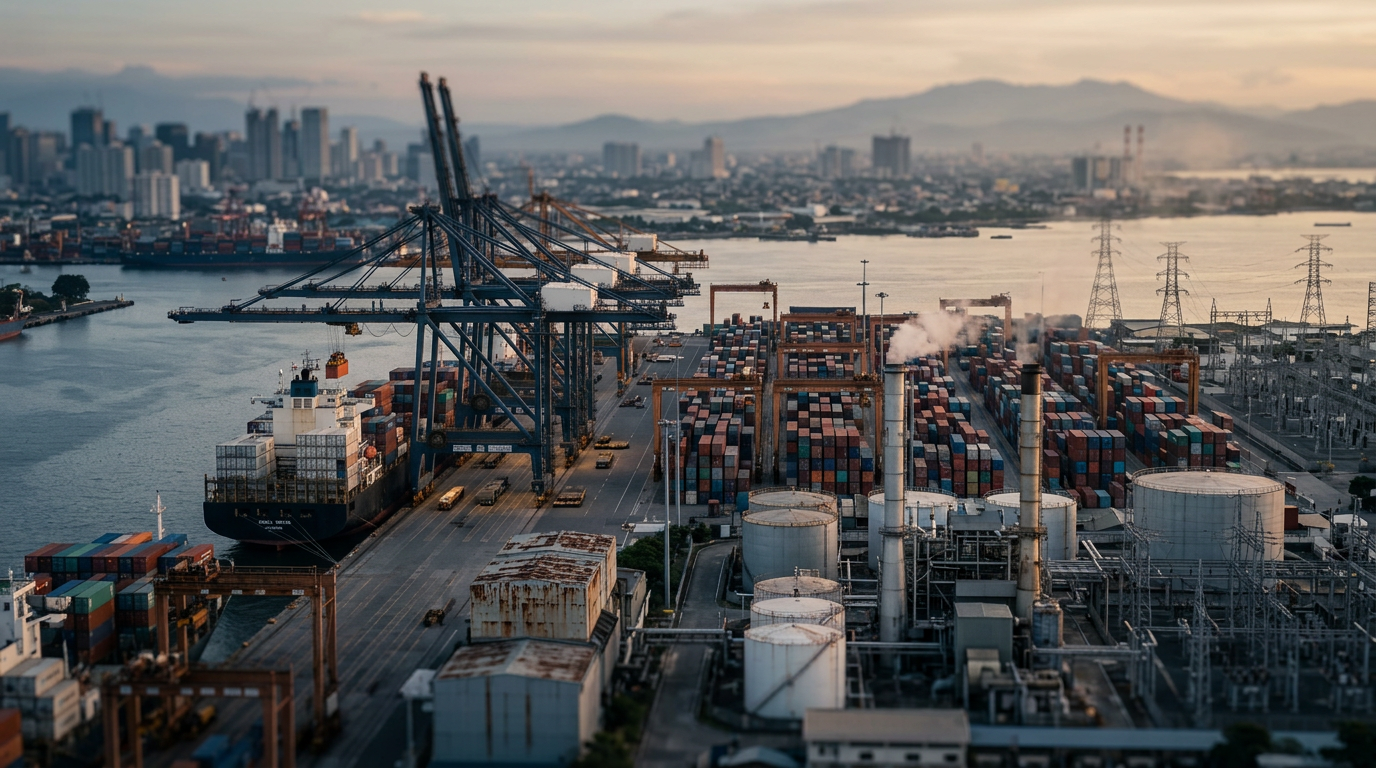
This week, ASEAN's Energy Ministers will gather in Manila for the 44th time, with ASEAN Secretary-General Dr. Kao Kim Hourn in attendance, as reported by asean.org. The meeting's agenda will cover a range of pressing energy security and transition issues. Yet, running through the discussions will be the bloc's complex and ever-present relationship with China, its largest trading partner and a dominant force in the global energy market.
Structural Dependency, Not a Choice
The depth of ASEAN's trade relationship with China is a structural economic reality. For years, the prevailing view was that this integration was a positive-sum game, leading to economic growth and shared prosperity. However, the nature of this dependency has shifted. As detailed in the book ASEAN Rising, the focus for member states is no longer on whether to engage with China, but on how to manage the inherent risks of such a concentrated trade relationship. The challenge is to maintain economic benefits without sacrificing strategic flexibility. For the energy sector, this means navigating a fine line between securing necessary investment and technology from China while avoiding over-reliance on a single partner for critical infrastructure and supply chains.
The Energy Dilemma
ASEAN nations face a dual challenge: meeting the energy demands of their growing economies while also adhering to climate commitments. China is a leader in renewable energy technology, particularly solar panels and batteries, and its state-owned enterprises are major investors in energy infrastructure projects across Southeast Asia, from hydropower dams to transmission grids. This presents both a solution and a complication. While Chinese capital and technology can accelerate the energy transition, it also deepens the region's dependency. The ministers in Manila will need to consider how to leverage Chinese capabilities while simultaneously diversifying their energy sources, strengthening regional grid connectivity, and investing in their own domestic industrial capacities to avoid simply swapping a dependency on fossil fuels for a dependency on Chinese-made green technology.
Institutions and Execution
Managing this complex trade dynamic requires strong regional institutions and a commitment to collective action. The ASEAN Energy Ministers Meeting is the primary forum for such cooperation. The effectiveness of this body hinges on its ability to move beyond national interests and forge a common regional energy policy. The core issue, as the book notes, is that "trade depth with China is now a structural feature, not a cyclical one." This means ad-hoc, project-by-project decisions are insufficient. Instead, a long-term strategy is needed to build a more resilient and integrated ASEAN energy market. This involves harmonizing regulations, promoting joint infrastructure projects that are not solely reliant on external partners, and establishing frameworks for technology sharing and talent development within the bloc itself.
What to watch is whether the joint ministerial statement from Manila outlines concrete, collective actions to build a more diversified and resilient regional energy architecture. Observers will be looking for evidence of a unified strategy to manage the bloc's trade and investment relationship with China, rather than a collection of disparate national plans. The degree to which the ministers can agree on shared principles for engaging with external partners will be a key indicator of ASEAN's ability to manage its structural dependencies and secure its long-term energy future.