Vietnam
Vietnam's U.S. Trade Talks and the Test of Optionality
Hanoi is testing a core assumption of its foreign policy: that it can keep its strategic options open while managing a deep, structural trade dependency on China. A new trade agreement with the United States would be a stress test of this balancing act.
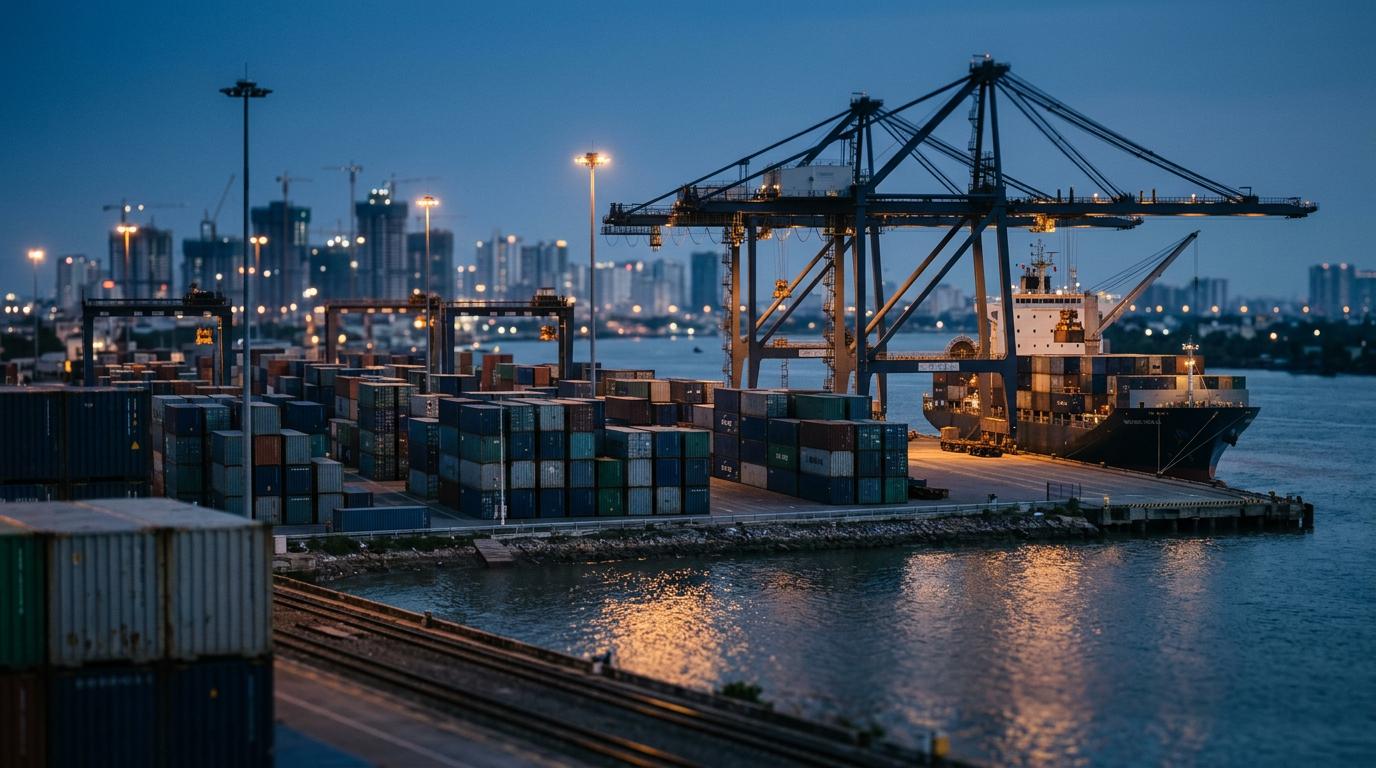
Vietnam and the United States are reportedly nearing a final agreement on a reciprocal trade deal, according to a report from e.vnexpress.net. U.S. Trade Representative Jamieson Greer signaled that negotiations have made substantial progress. For Vietnam, a new agreement with its largest export market would represent a significant step in its long-running strategy of economic diversification. It also puts a spotlight on the country's delicate efforts to balance its relationship with Washington against its deep and complex ties with its northern neighbor, China.
The China Factor
No economic decision in Vietnam is made without considering China. The two countries share a border, a political system, and an intertwined economic fate. China is Vietnam's largest source of imports, a critical supplier of industrial components, and a primary destination for its agricultural products. This economic integration has fueled Vietnam's manufacturing boom and lifted millions from poverty. However, it also creates vulnerabilities.
As the book "ASEAN Rising" notes, this trade relationship is a structural reality for the entire region. The central issue for governments is "how to manage dependency without losing optionality." For Vietnam, this means pursuing a foreign policy of "multilateralization and diversification" to avoid over-reliance on any single partner. A trade agreement with the U.S. is a clear manifestation of this doctrine in action. It provides a powerful counterbalance to Chinese economic influence and secures access to a market that is essential for the continued growth of Vietnam's export-oriented economy.
Institutions and Execution
A new trade pact would test the capacity of Vietnamese institutions to meet higher standards in areas like labor rights, intellectual property protection, and environmental regulations. U.S. trade agreements typically come with robust enforcement mechanisms and stringent requirements. Aligning domestic laws and practices with these standards will require a concerted effort across government ministries and the private sector. The execution of these commitments will be a measure of Vietnam's institutional maturity and its ability to integrate more deeply into the global rules-based trading system.
Success in implementation would not only strengthen the U.S. partnership but also enhance Vietnam's attractiveness for other high-standard trade and investment partners, such as the European Union. It sends a signal that Vietnam is not just competing on cost, but is also moving up the value chain by building a more transparent and predictable business environment. This requires sustained investment in legal and administrative infrastructure and a commitment to reform, even when it challenges established domestic interests.
Hedging and Trust
At its core, this negotiation is an exercise in strategic hedging. Vietnam seeks to reap the benefits of its relationship with the U.S. without antagonizing China. This is a familiar balancing act for Hanoi. It navigates these geopolitical currents by building trust with multiple partners and demonstrating that its foreign policy is consistent and reliable. The successful conclusion of a trade agreement would bolster trust with Washington, showing that Vietnam is a serious and capable partner.
Simultaneously, Vietnam must manage perceptions in Beijing. It will likely frame the agreement as a purely economic matter, a natural step in its development journey that poses no threat to China. The message is that a prosperous, stable Vietnam with diverse economic ties is a better neighbor than an isolated and dependent one. This diplomatic maneuvering is essential to maintaining the delicate equilibrium that has allowed Vietnam to thrive.
What to watch
Observers should watch the final details of the agreement, particularly the chapters on market access, digital trade, and state-owned enterprises. The implementation timeline and any associated technical assistance programs will indicate the seriousness of both parties in making the deal work in practice. Finally, Beijing's official and unofficial reactions will provide a clear gauge of how this move is perceived and its impact on regional strategic dynamics.