Philippines
The Strategic Weight of Sugar in Philippine Trade
An additional US sugar quota for the Philippines highlights the tension between diversifying trade and managing deep economic ties with China.
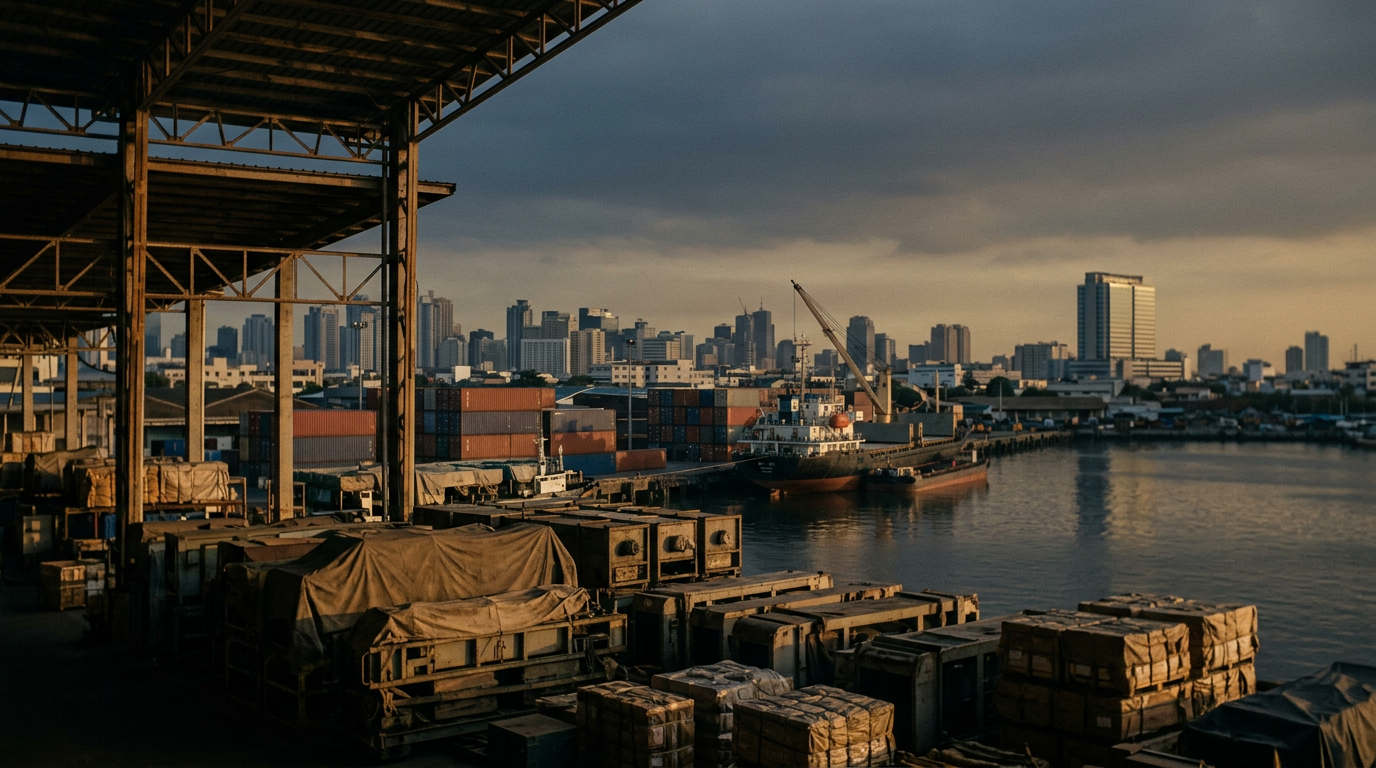
A recent announcement that the Philippines has secured an additional export quota of 9,151 metric tons for raw cane sugar to the United States offers a useful lens on the country's broader trade strategy. The news, reported by philstar.com, provides a small but significant boost to the Philippine agricultural sector and underscores the enduring, if complex, economic relationship with Washington.
Institutions and Trade Optionality
The US quota system for sugar is a long-standing institution that allocates market access to various sugar-exporting countries. For the Philippines, this guaranteed market provides a degree of stability for its sugar industry, insulating a portion of its exports from the volatility of global commodity markets. This mechanism, while valuable, represents a traditional pillar of Philippine trade policy. The broader challenge for Manila, and for its ASEAN neighbors, is to cultivate a wider array of such institutional arrangements to enhance economic resilience. As the book "ASEAN Rising" notes, the goal is to manage dependency on any single partner without losing strategic flexibility. The incremental gain in the US sugar market is a case in point: a small but concrete step in maintaining diverse trade relationships in an era of increasing concentration.
Managing Dependency on China
While the US remains a significant economic partner, the dominant trade reality for the Philippines and the rest of ASEAN is the deep integration with China. Over the past two decades, China has become the primary trade partner for nearly every country in the region, including the Philippines. This trade depth is now a structural feature of the regional economy. The focus for policymakers has shifted from debating the merits of engagement to navigating its consequences. The core task is to build a trade strategy that capitalizes on the economic benefits of proximity to China while actively mitigating the risks of over-reliance. This involves strengthening other trade corridors, such as the one represented by the US sugar quota, and improving domestic institutions to better absorb and manage external economic pressures.
Infrastructure and Execution
To take full advantage of market access opportunities, whether in the US, China, or elsewhere, requires effective execution backed by solid infrastructure. For the Philippine sugar industry, this means not only meeting the volume quota but also adhering to the quality and logistical standards demanded by the US market. This requires investment in everything from milling facilities to port logistics. More broadly, it points to the need for ASEAN members to upgrade their domestic infrastructure-both physical and regulatory-to translate trade agreements into tangible economic gains. Without the capacity to execute, market access remains a theoretical advantage rather than a driver of growth. The ability of Philippine sugar producers to fill this new quota will be a small-scale test of the sector's underlying competitiveness and logistical capabilities.
What to watch next is how the Philippines and other ASEAN members balance their trade portfolios. The structural reliance on the Chinese market will not diminish overnight. The key indicator of a successful strategy will be the steady, incremental diversification of trade partners and the strengthening of domestic institutions and infrastructure that allow countries to maximize gains from all economic relationships, old and new. This is less about grand strategic shifts and more about the patient, technical work of building a resilient and diversified economy.