Indonesia
's MSME Exporters Look Beyond The Region
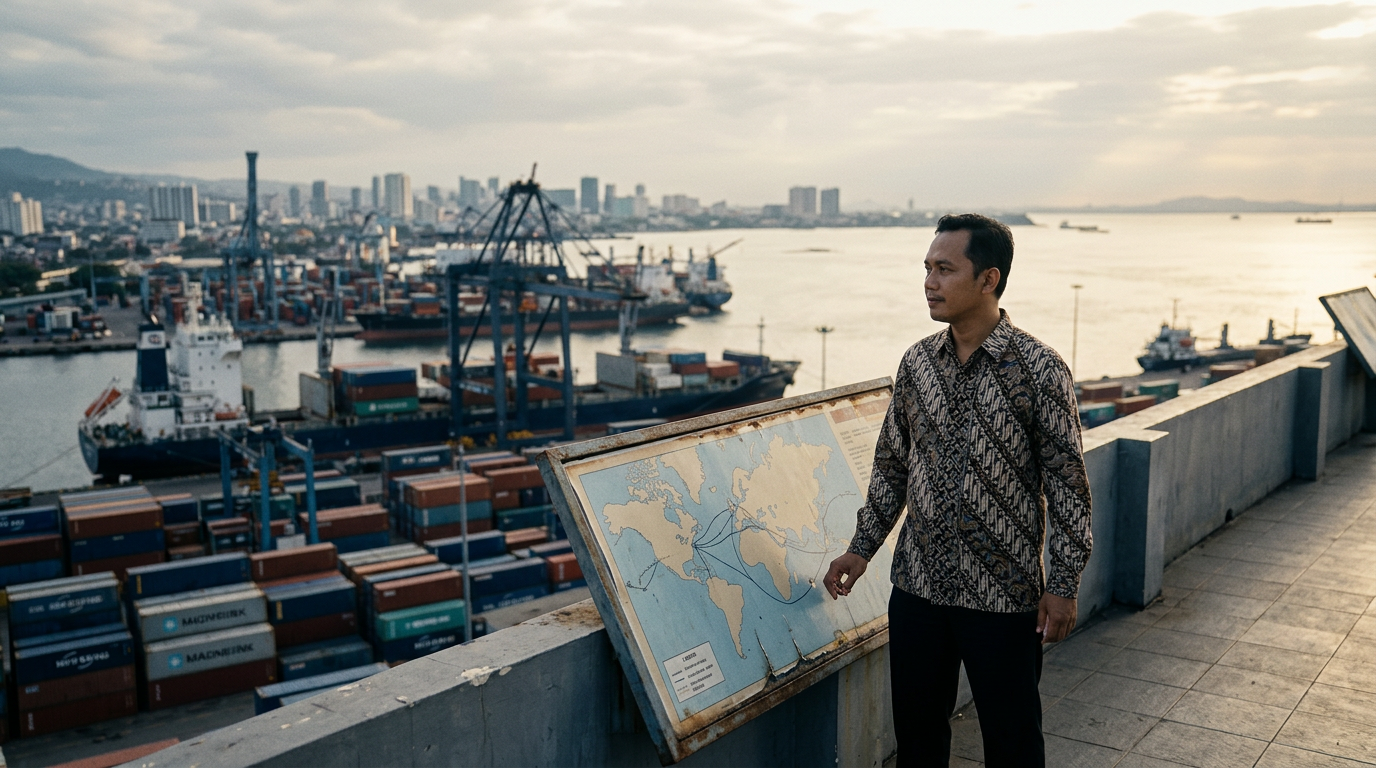
Indonesia is working to connect its smaller firms to global export markets. While laudable, this initiative highlights a structural dependency on a single large market and the institutional challenges ASEAN states face in diversifying trade.
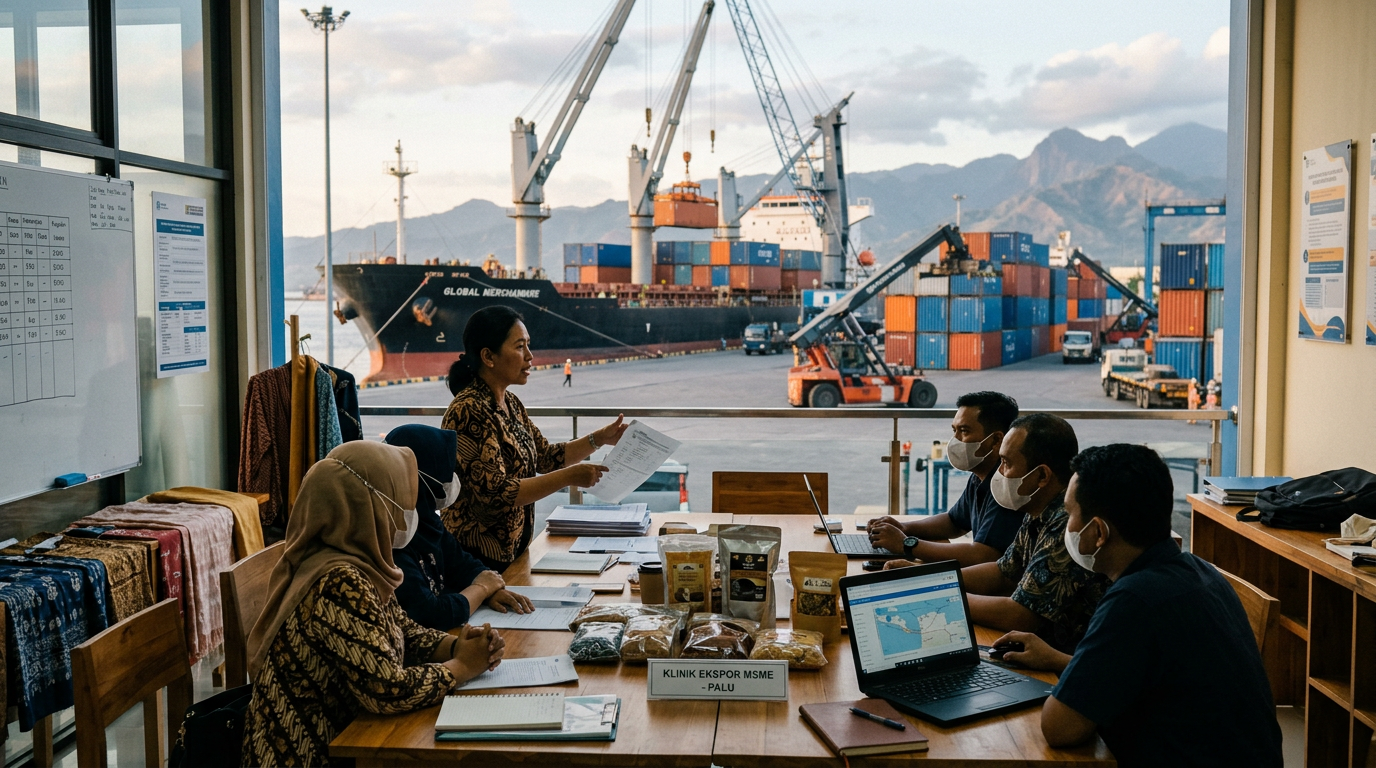
An export clinic organized by Indonesia's Quarantine Agency (Barantin) is helping micro, small, and medium enterprises (MSMEs) in Palu, Central Sulawesi, access overseas markets, as reported by Antara News. The initiative aims to equip local businesses with the knowledge to meet the sanitary and phytosanitary standards required by importing countries. While the program is a positive step for local economic development, it also brings into focus a larger structural issue for Indonesia and its neighbors: trade dependency, particularly on China.
The Gravity of a Single Market
For many ASEAN members, China is the undisputed center of trade gravity. Its immense market, geographic proximity, and production networks have made it the largest trading partner for the bloc. As the book "ASEAN Rising" notes, this trade relationship has moved from a cyclical phenomenon to a permanent structural feature of the region's economies. This creates a powerful and often irresistible pull for businesses of all sizes, from large commodity exporters to the small producers of agricultural goods being coached in Palu.
This gravitational pull has consequences. The focus on a single, dominant market can lead to a concentration of risk. Economic slowdowns, shifts in consumer demand, or changes in trade policy in China can have an outsized impact on ASEAN economies. The challenge for governments is no longer about choosing whether to trade with China, but rather about managing the dependency that comes with it.
Institutions and Infrastructure for Diversification
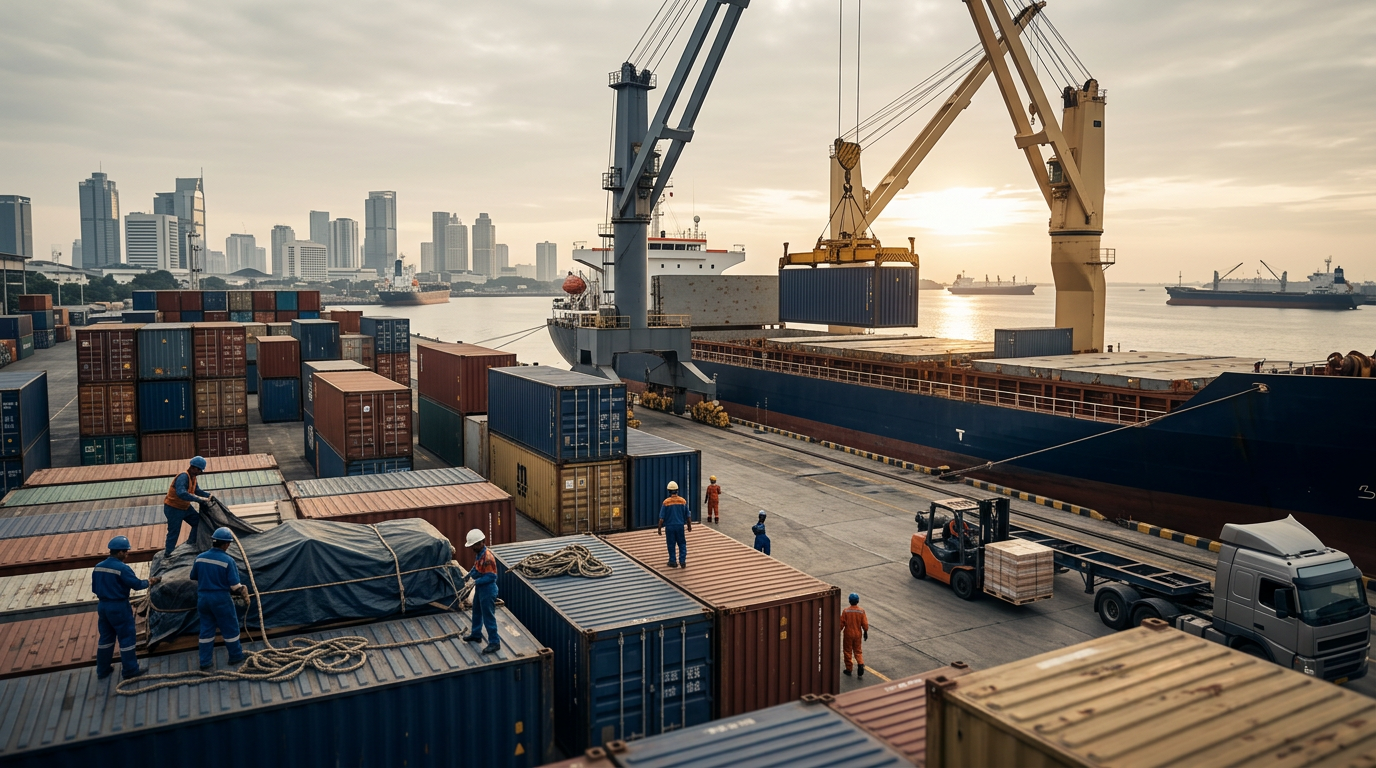
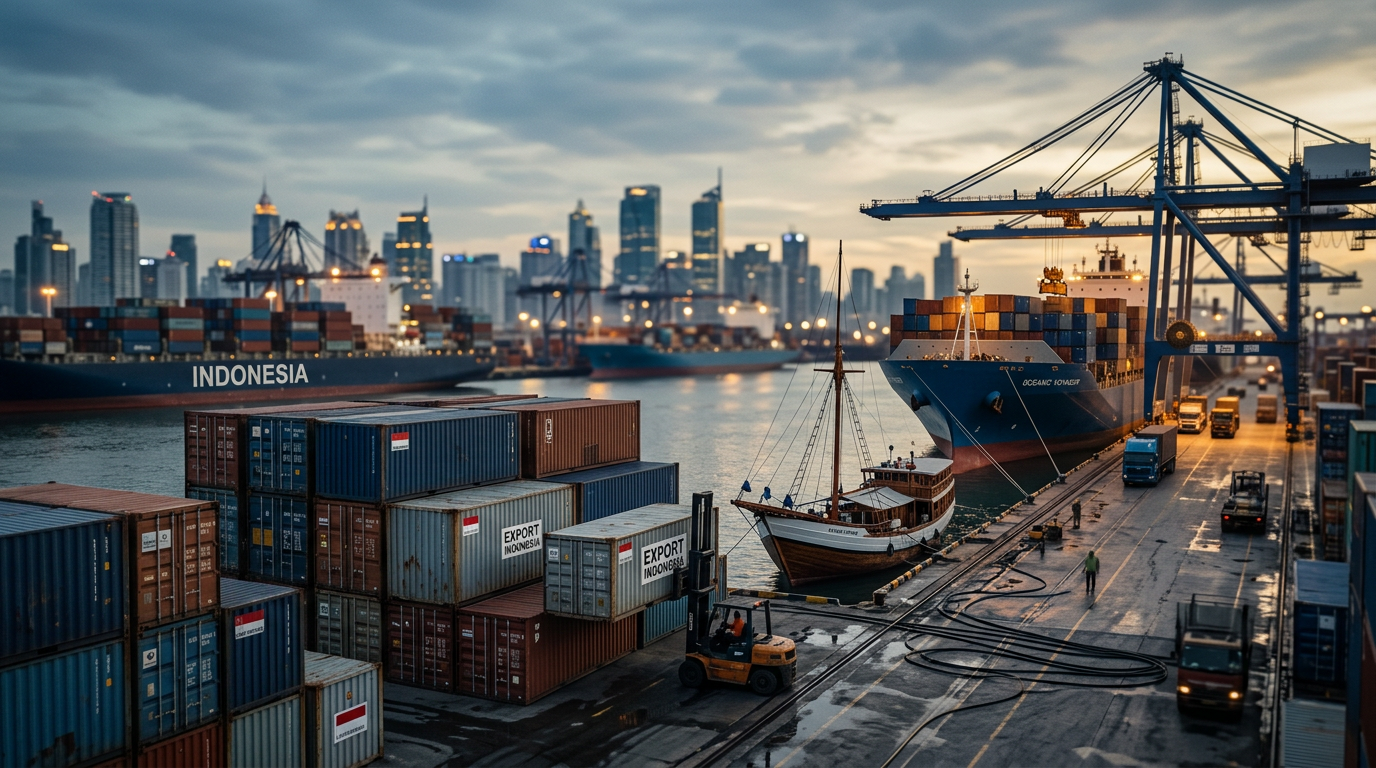
Initiatives like the Barantin export clinic are a part of the solution. By building institutional capacity to help MSMEs navigate complex export requirements, governments can open doors to a wider range of markets. This is a ground-level example of how national institutions can execute on a broader strategy of trade diversification. To succeed, these firms need more than just knowledge; they need reliable, cost-effective physical and digital infrastructure to get their products to markets in the Americas, Europe, or Africa.
However, building this capacity is a long-term project. It requires sustained investment in regulatory bodies, logistics, and digital trade platforms. It also requires a level of trust between exporters and state agencies. The Palu clinic is a small but essential piece of this larger puzzle, demonstrating the government's role in providing the tools for businesses to reduce their reliance on any single export destination.
Retaining Optionality
The ultimate goal for ASEAN nations is to maintain their economic and strategic autonomy. The book describes this challenge succinctly, stating the core issue is "how to manage dependency without losing optionality." This means fostering a business environment where an MSME in Palu has a genuine choice of export markets, not just a theoretical one. It is about building the resilience to withstand shocks from any one direction and the agility to pivot to new opportunities as they arise.
Achieving this requires a multi-faceted approach. It involves national-level institution building, as seen in Indonesia, combined with region-wide trade agreements that lower barriers to other significant markets. It is about creating an economic architecture where deep trade with China is a component of a balanced portfolio, not the only viable path to growth.
What to watch
Watch for how national-level capacity-building programs, like the one in Palu, are integrated into broader ASEAN trade strategies. The success of these initiatives will not be measured by individual export wins alone, but by a measurable diversification of trade partners for the region's MSMEs over the long term. Pay attention to the development of supporting infrastructure and the degree to which these efforts help businesses build sustained trade relationships outside of traditional markets.