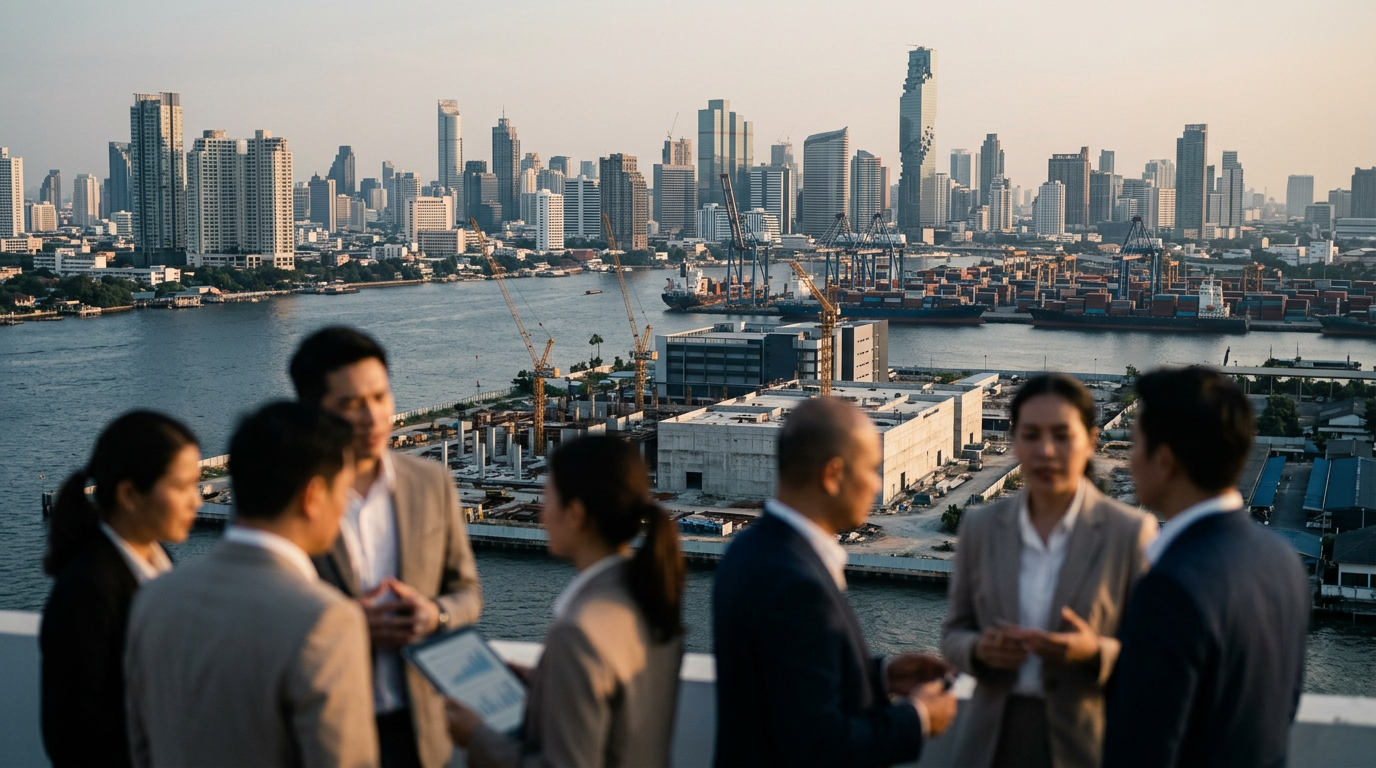
Thailand
, the IMF, and the Trade Balancing Act
Thailand is using the 2026 IMF-World Bank meetings to showcase its economy. The event highlights a deeper challenge for all ASEAN members: how to manage deep trade ties with China while preserving strategic options.
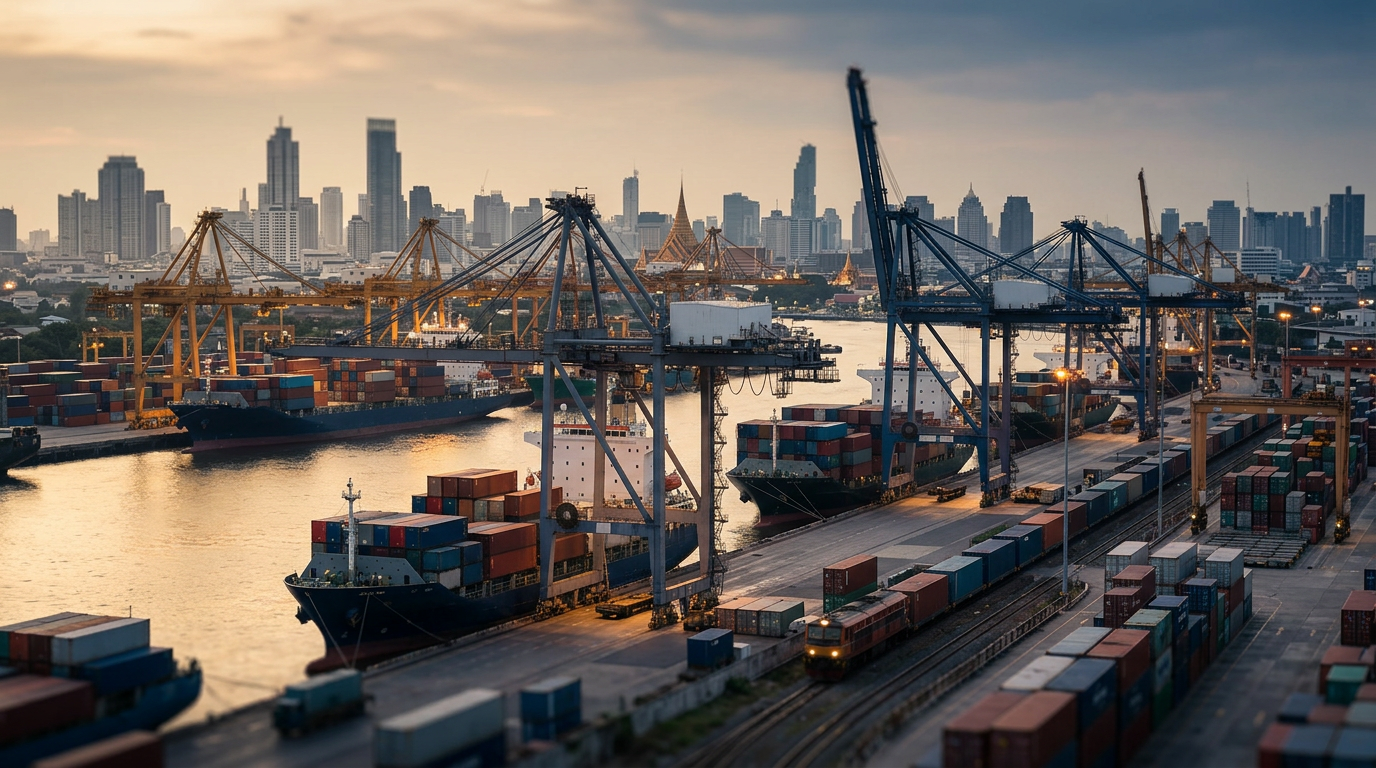
As Thailand prepares to host the 2026 IMF-World Bank Group Annual Meetings, the government is planning a significant showcase of its products and tourism sector. According to the Bangkok Post, the event is seen as a prime opportunity to present the nation's economic strengths to a global audience. While the immediate focus is on logistics and presentation, the event also casts a light on the structural economic realities that Thailand and its neighbors navigate. Specifically, it raises questions about how to balance trade relationships and manage economic dependencies, a central theme of regional economic strategy.
The Gravity of Integration
No ASEAN economy can ignore the pull of its largest trading partner. China's economic integration with the region is profound and structural. For countries like Thailand, this relationship is a source of immense economic activity, driving exports and supplying essential goods. This deep trade connection is a permanent feature of the economic environment, not a temporary or cyclical trend. As discussed in ASEAN Rising, the primary issue for governments is not about whether they should engage with China, but rather how they can manage the resulting dependency while maintaining their freedom to make independent policy choices. This is the core task of economic statecraft in the region today.
Managing Dependency
For Thailand, hosting the IMF and World Bank is a platform to signal its institutional capacity and readiness for investment from a diverse set of partners. It is a subtle but clear assertion of its place in the global economic system, independent of any single partner. The challenge is to convert this visibility into tangible diversification of trade and investment. Effective management of dependency involves building robust domestic institutions, fostering a competitive talent pool, and investing in high-quality infrastructure that serves Thailand's own long-term interests. These foundational strengths are what allow a country to engage from a position of confidence, ensuring that "trade depth with China is now a structural feature, not a cyclical one." It is about building an economy resilient enough to absorb shocks and flexible enough to seize opportunities from all corners of the globe.
Beyond the Showcase
The real work for Thailand begins when the delegates depart. The showcase is a moment in time, but the underlying economic strategy requires sustained execution. Attracting foreign capital beyond the orbit of a single major partner requires a predictable regulatory environment and a high degree of trust in public and private institutions. For Thailand, this means continuing the hard work of domestic reform and strategic infrastructure development. The goal is not to reduce trade with any single partner but to broaden the base of economic engagement. By strengthening its own foundations, Thailand can better manage its trade relationships, ensuring they contribute to national prosperity without compromising strategic autonomy.
What to watch: Observers should monitor the concrete trade and investment agreements that emerge following the IMF meetings. The key indicator of success will not be the polish of the presentation, but whether Thailand can translate the diplomatic event into a more diversified and resilient economic structure, particularly in how it balances its deep trade relationship with China against new opportunities with other global partners.