
ASEAN Analysis & Commentary
Every analysis published on ASEAN Rising is sourced, datestamped and signed. We're more interested in being right in 12 months than first in 12 minutes.
Foundation pieces
Start here. The three pieces below set out the lens ASEAN Rising uses to read every story.
ASEAN Rising's core lens. Execution Economics is the study of whether countries, companies and institutions can convert obvious potential into delivered outcomes - and which six pillars decide the answer.
The region has capital, demographics, location and policy ambition. None of that has ever been the binding constraint. The next decade is an execution test, not a potential test - and it is already being scored.
Malaysia is the test case for whether ASEAN's middle powers can turn FDI, semiconductors and data centres into compounding domestic capability. Read the live coverage and execution scorecard.
Analysis tagged #china
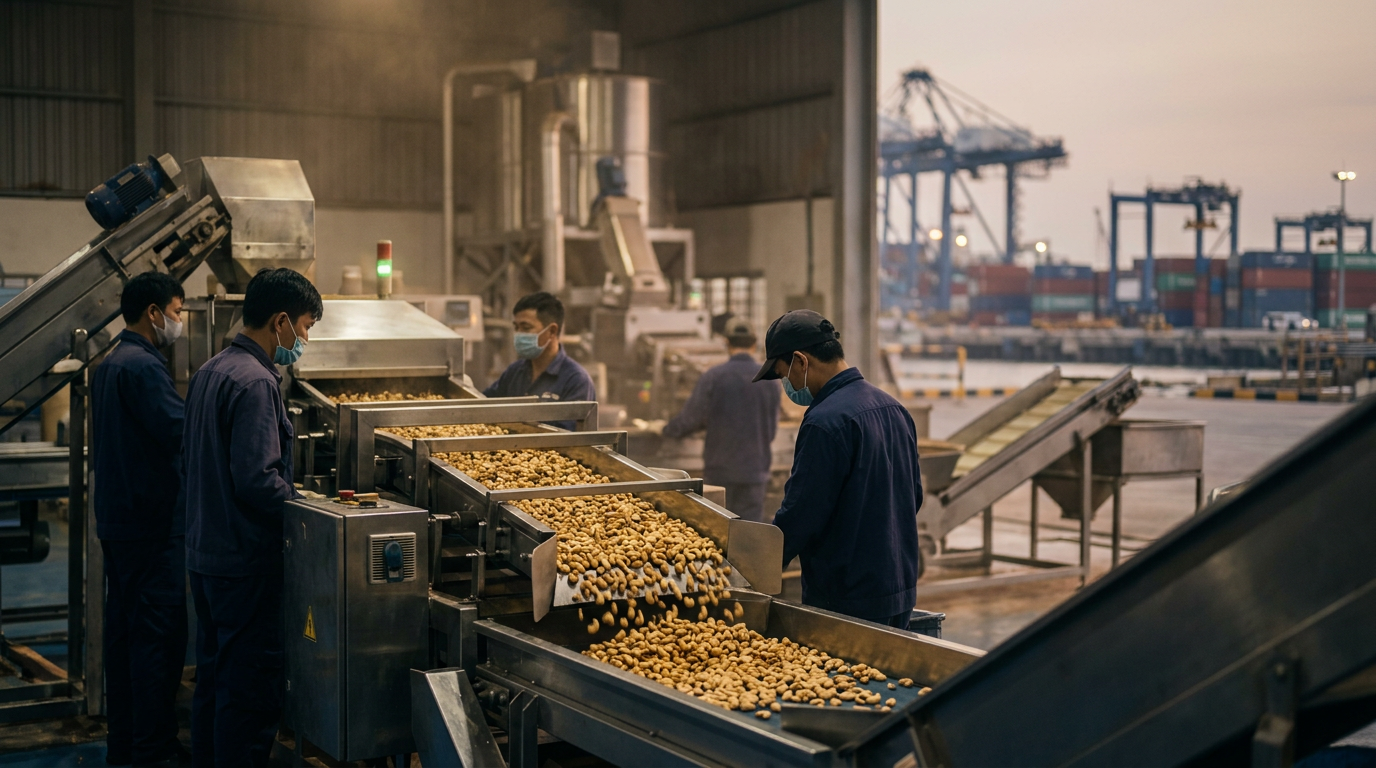
 Vietnam
 cashews, Ghanaian interest, and the China trade
A recent visit by a Ghanaian delegation to a Vietnamese cashew machinery firm illustrates a broader pattern of industrial deepening and managed trade dependency with China.
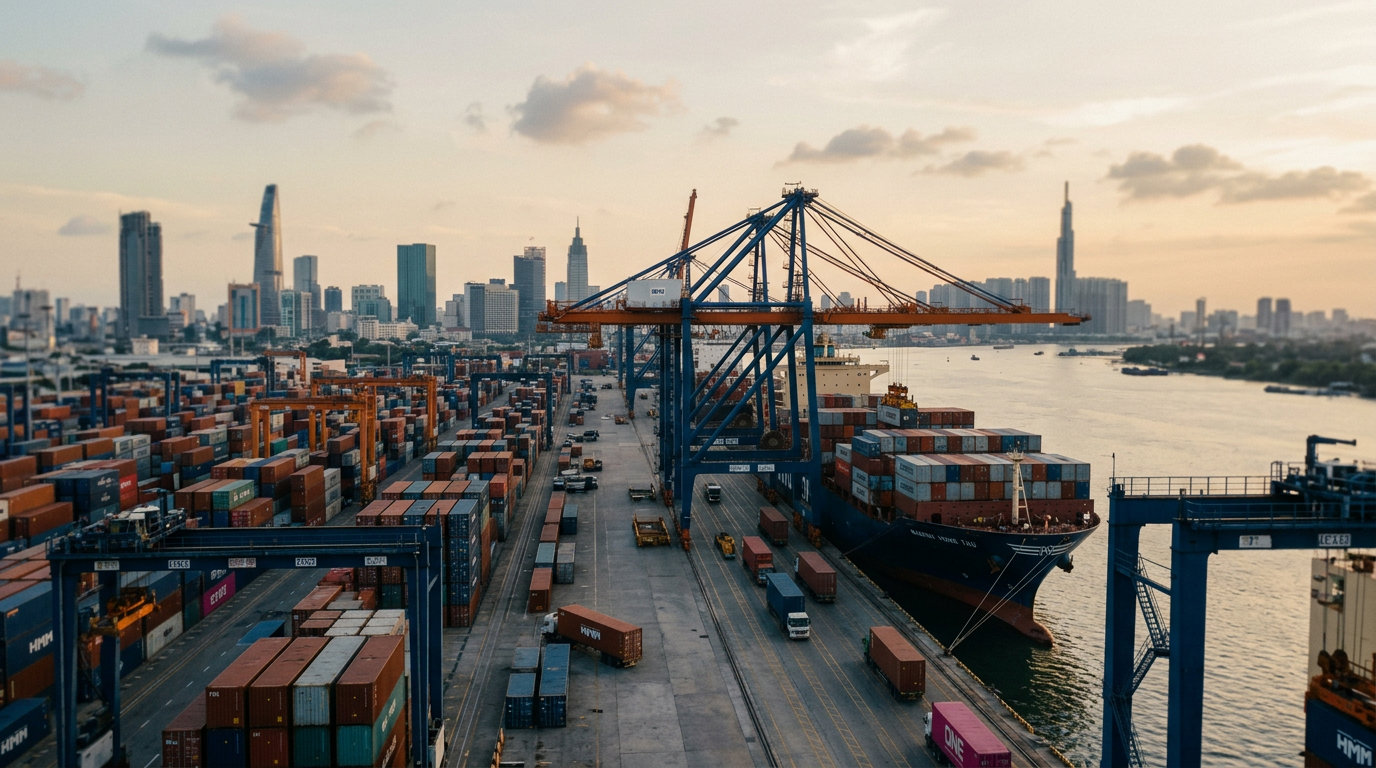 Vietnam
's quiet export substitution model
Vietnam's model of shifting from primary agricultural exports to higher value-added goods offers a template for other developing nations looking to move up the value chain.

 Thailand
, the EU, and the Gravity of China
Bangkok pursues a free trade agreement with the European Union, but its economic future is increasingly tied to China.
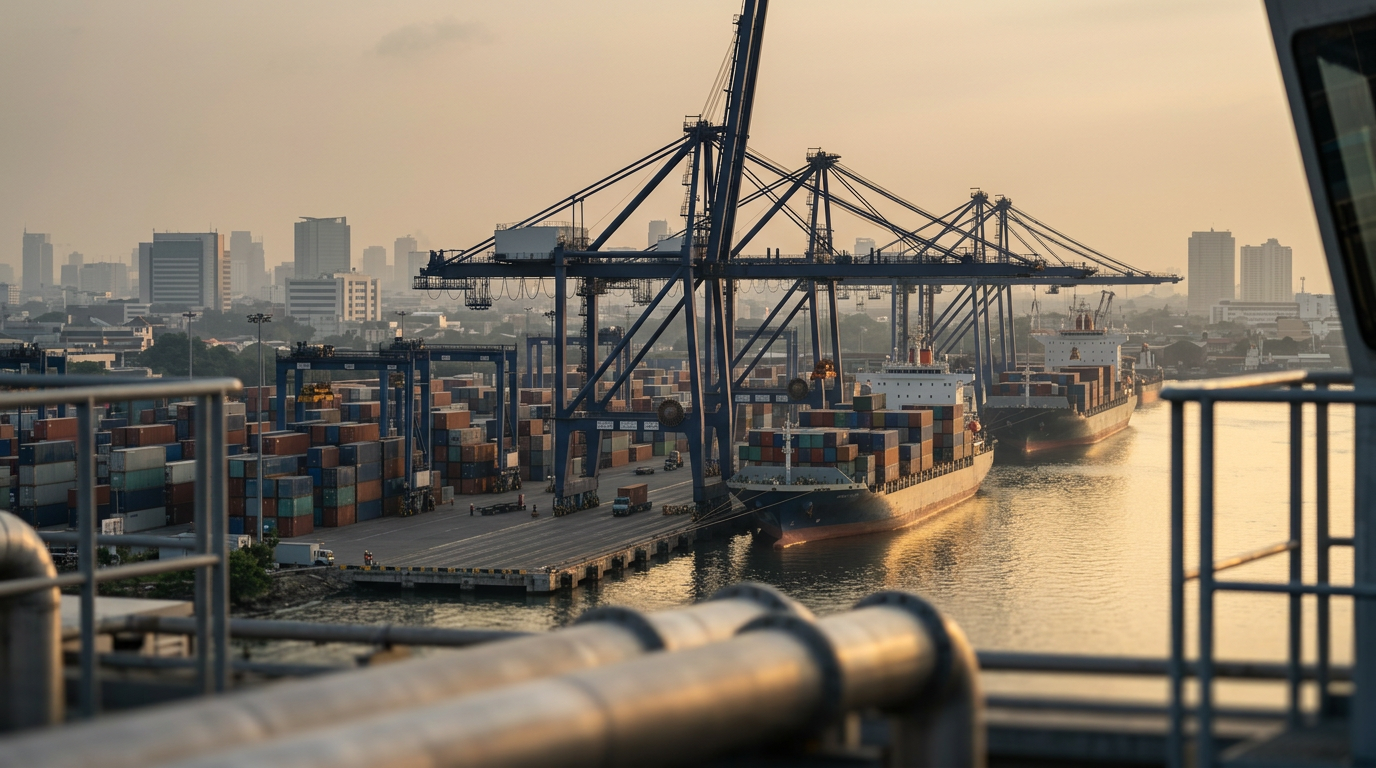
 Indonesia
's Commodity Data Platform Aims to Manage Trade Dependency
Indonesia's new commodity export monitoring platform is a step toward managing trade dependency, a structural feature of ASEAN's relationship with China.
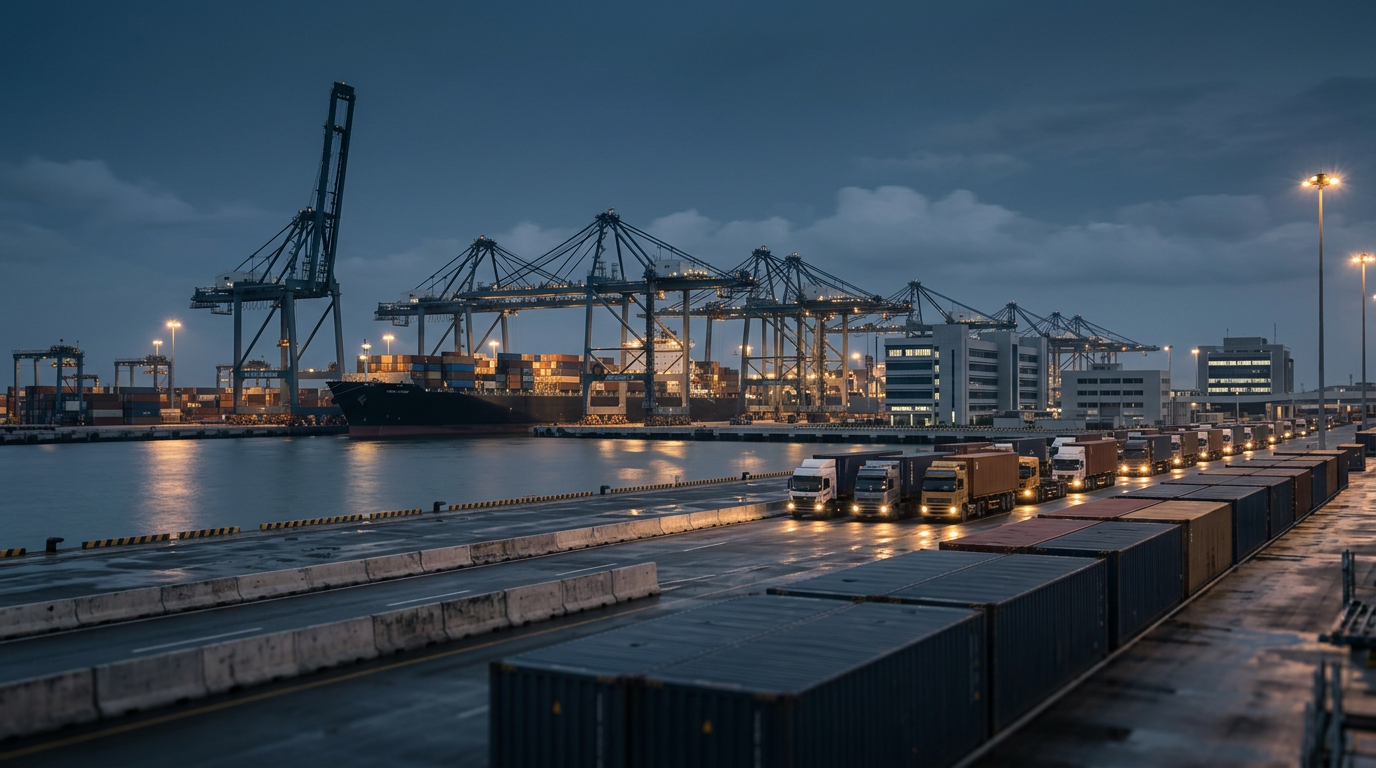 Indonesia
's Commodity Single Door: A Step Toward Managed Dependency?
Indonesia is centralizing its commodity export system. This move is a practical example of an ASEAN state managing its deep trade relationship with China.
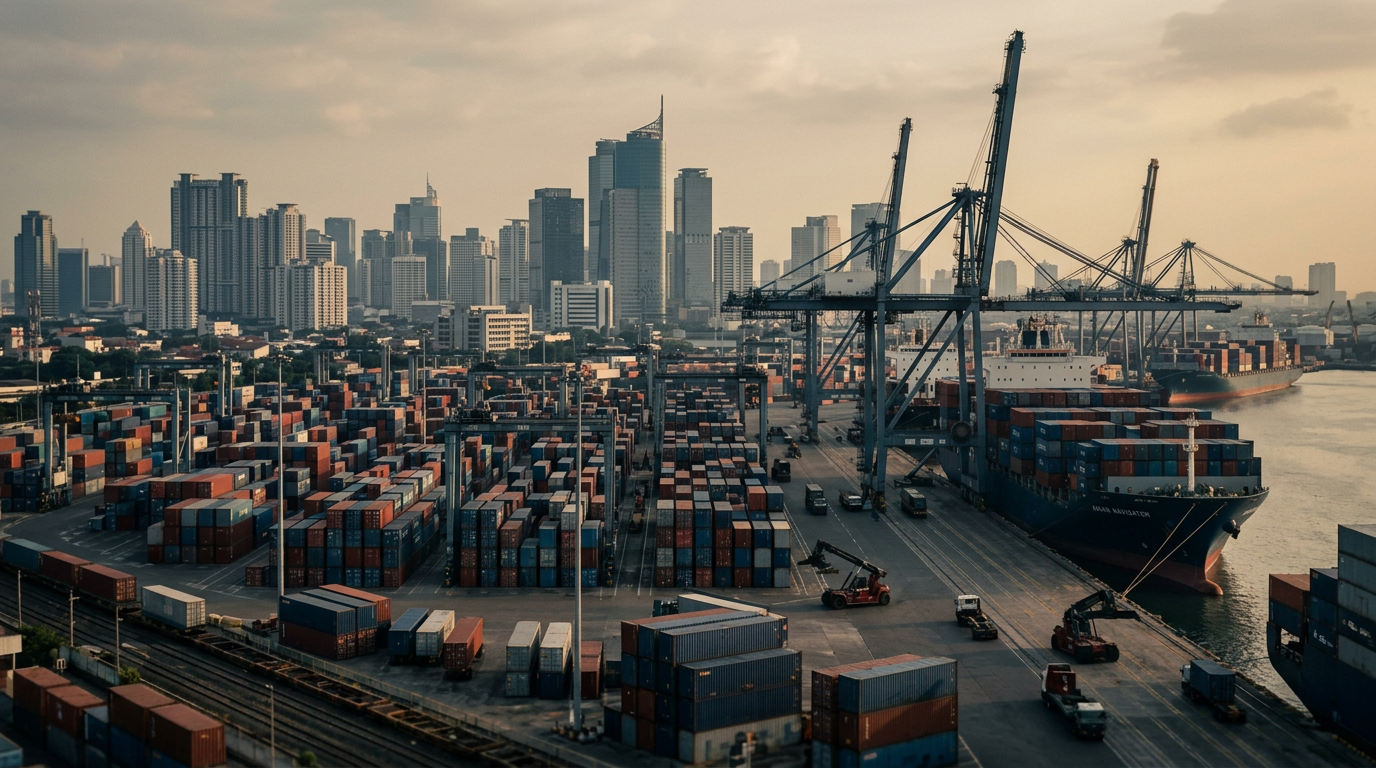 Indonesia
's Single-Door Export System Aims to Deepen Trade Control
Jakarta is launching a new export system for key commodities by year-end, a move that reflects a broader ASEAN trend of managing trade dependencies and asserting strategic control over supply chains.
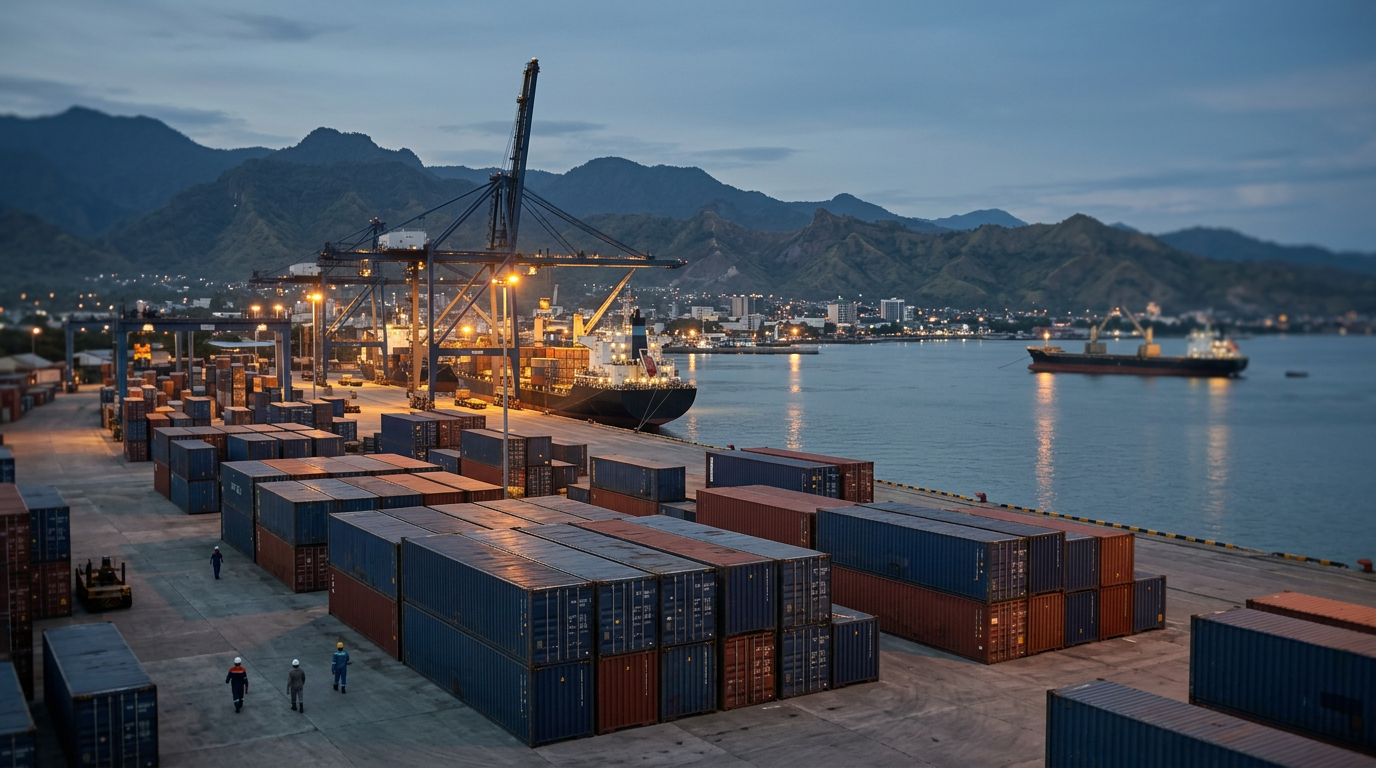 Indonesia
, China, and the MSME Export Question
An export clinic for MSMEs in Palu, Sulawesi highlights a deeper structural question for Indonesia: how to manage its trade dependency on China while building sustainable, broad-based export growth.
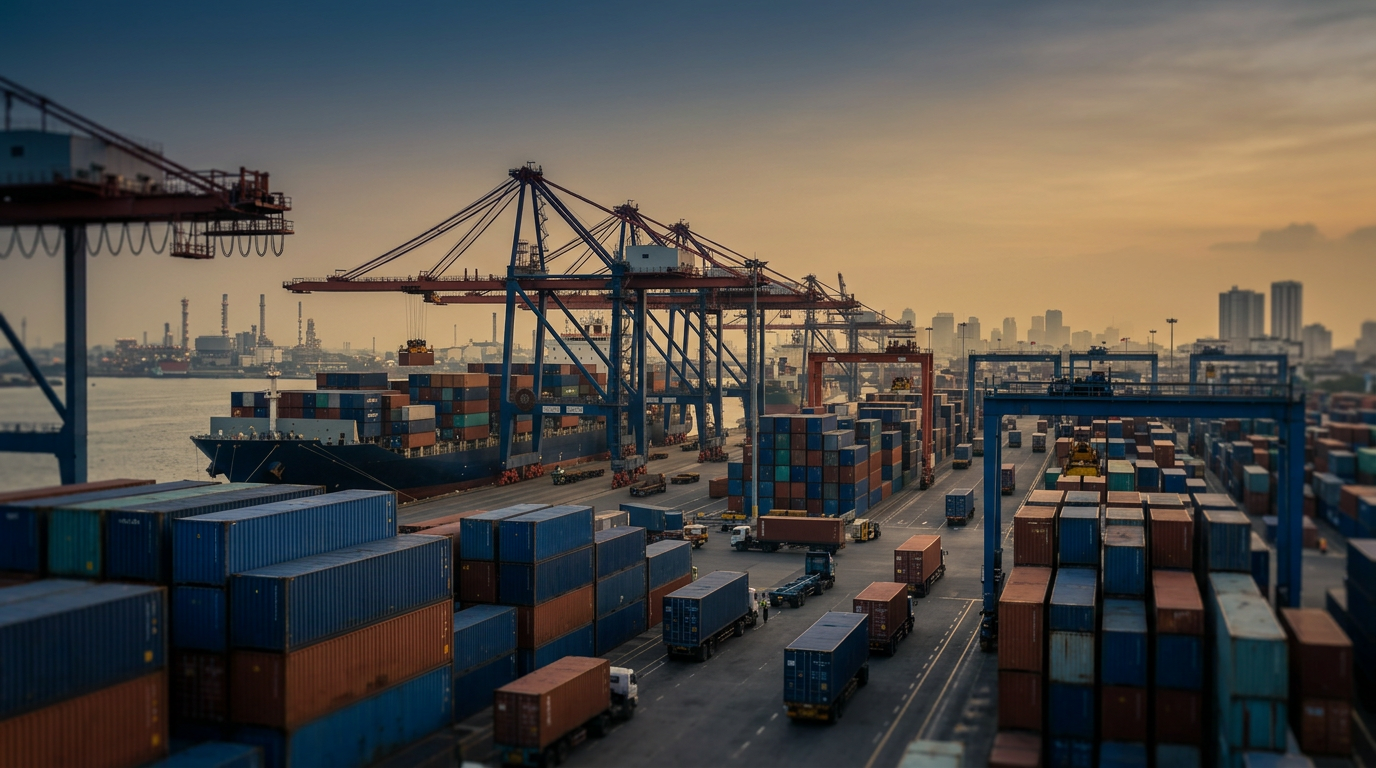 Indonesia
, Export-Led Growth, and the China Question
An export clinic in Palu is a small but significant indicator of how Indonesian policymakers are thinking about export-led growth. The logic is sound, but the execution is everything.
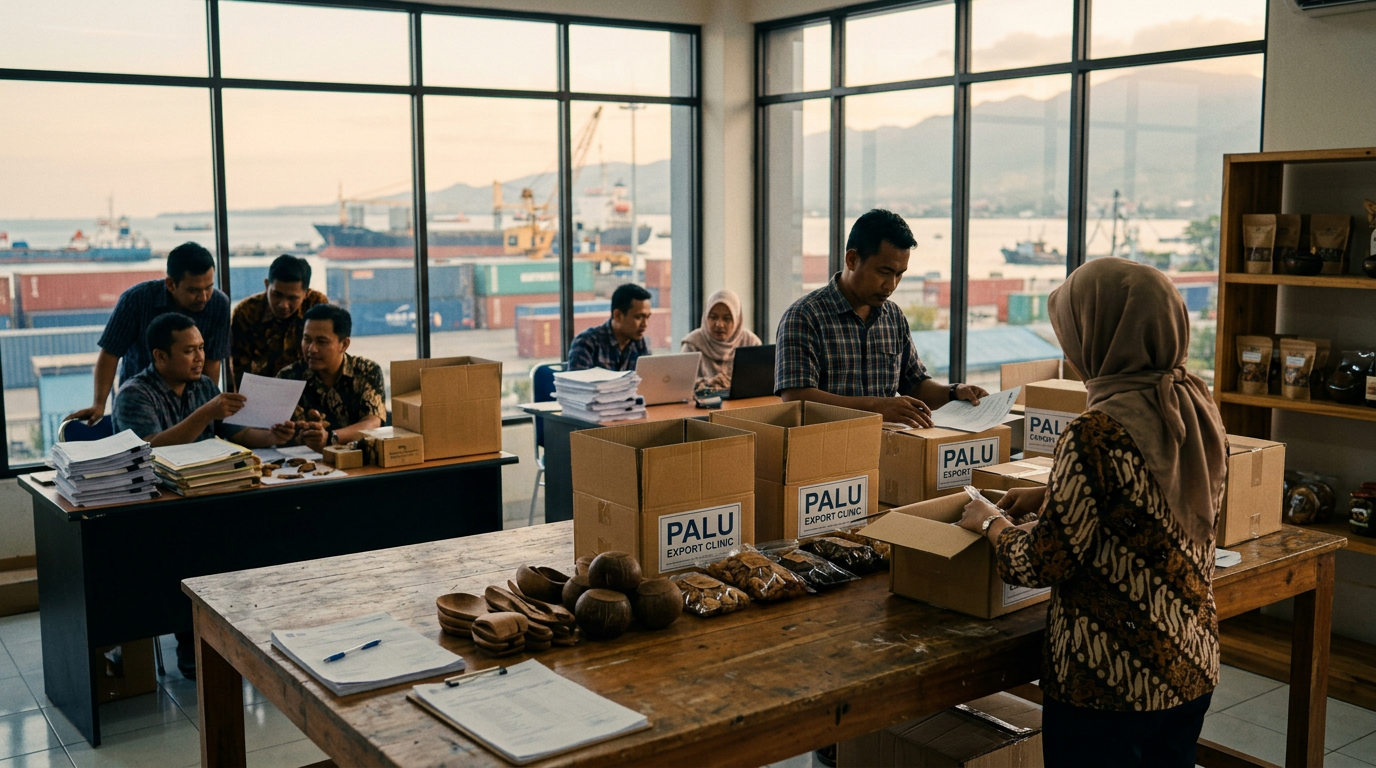 Indonesia
, China, and the MSME Export Question
An export clinic in Palu is a small but significant indicator of how Indonesian policymakers are thinking about the country's trade relationship with China, focusing on building institutional capacity for smaller firms to manage dependency and access new markets.
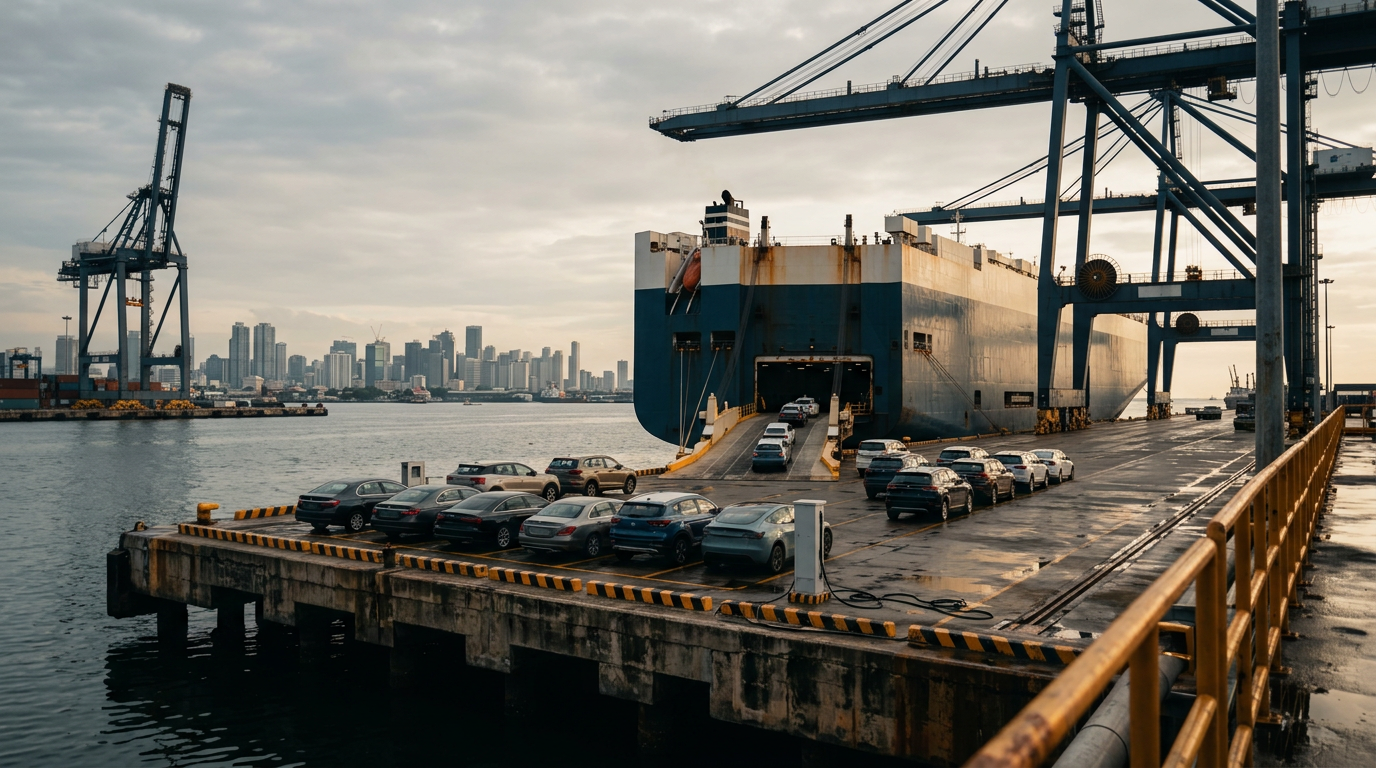
 Philippines
Mitsubishi, the Philippines, and the EV challenge
Mitsubishi Motors just held an environmental summit in the Philippines. This highlights a deeper question: how will ASEAN automakers manage the transition to electric vehicles, with Chinese firms dominating the low-cost segment?
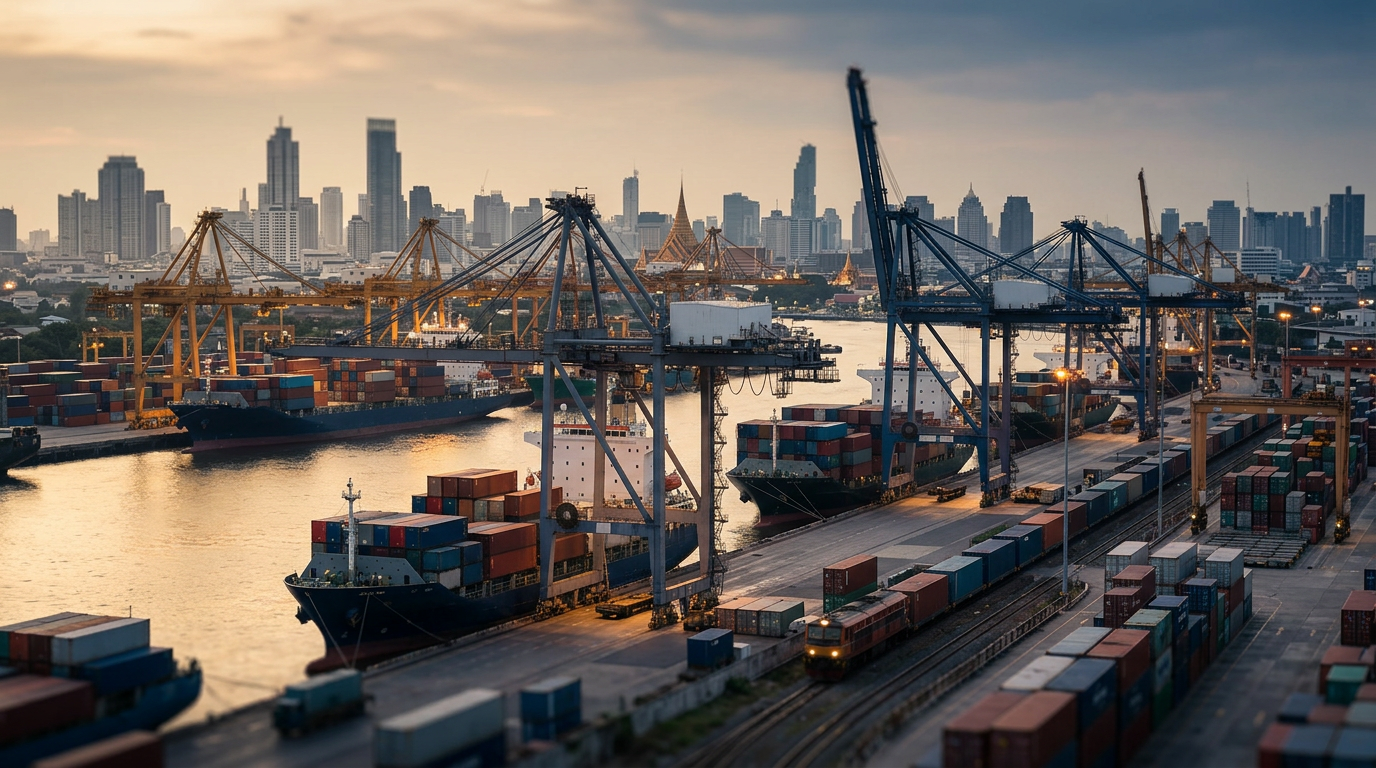 Thailand
, the IMF, and the Trade Balancing Act
Thailand is using the 2026 IMF-World Bank meetings to showcase its economy. The event highlights a deeper challenge for all ASEAN members: how to manage deep trade ties with China while preserving strategic options.
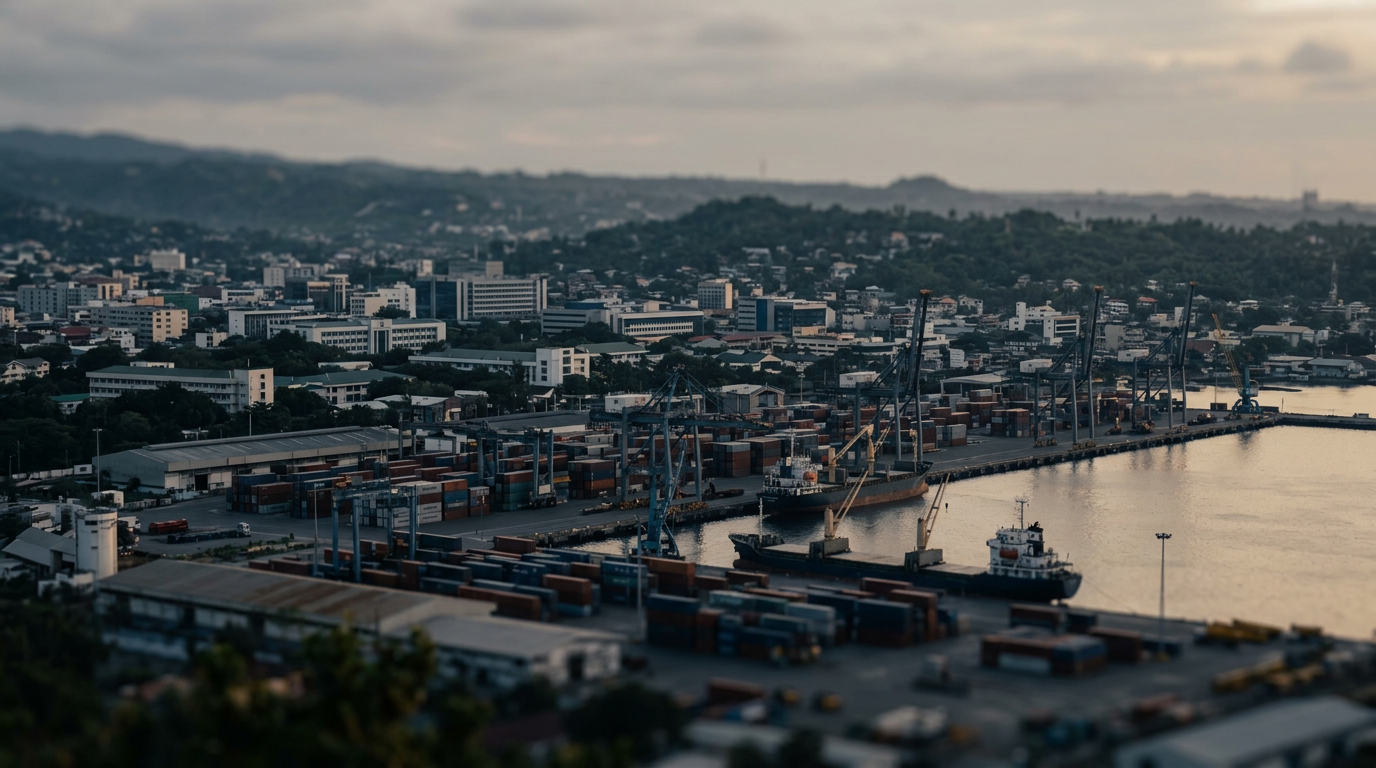 Philippines
The EV Transition and the Search for Supply Chain Optionality
Mitsubishi Motors Philippines Corp.'s recent environmental summit highlights the EV transition, a shift that tests ASEAN's ability to manage its deep trade relationship with China while building new industrial capacity.
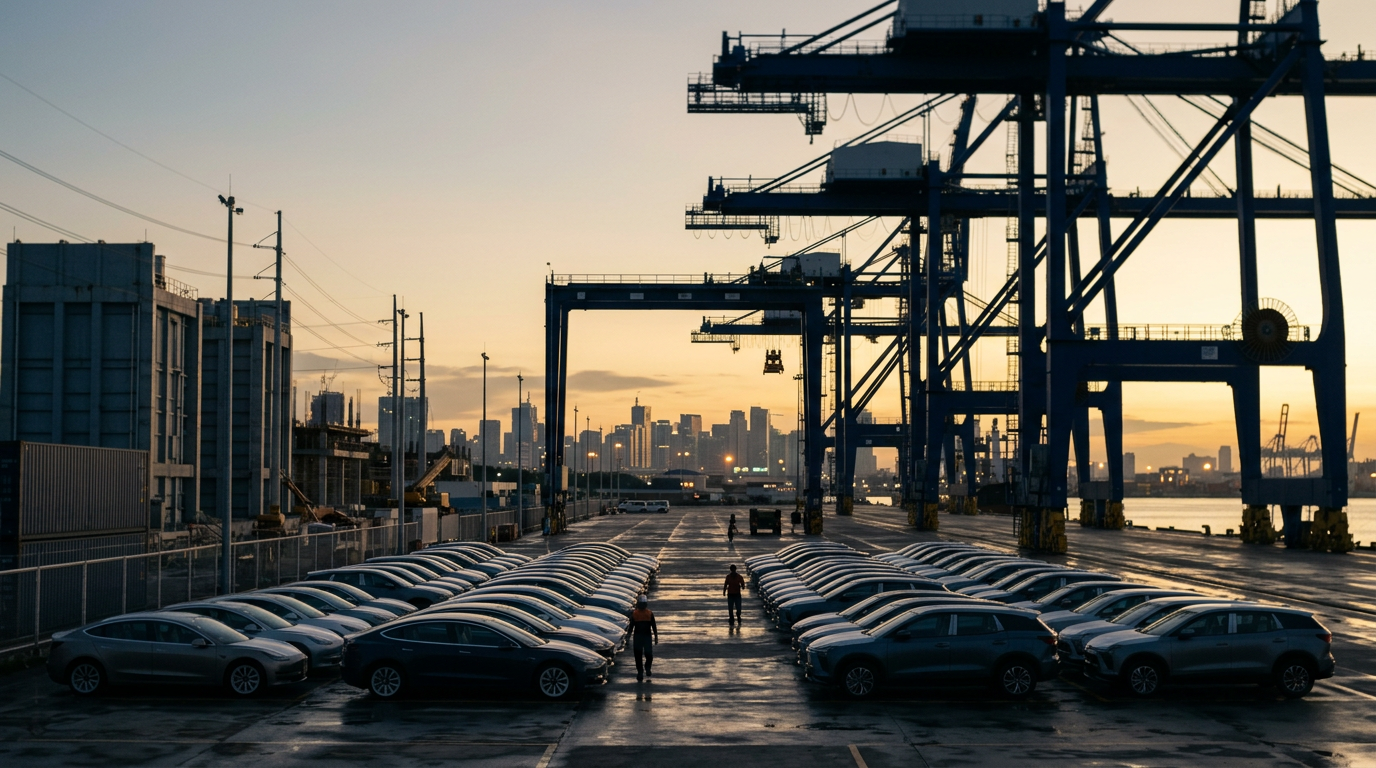 Philippines
The EV Transition and the Allure of Chinese Capital
The recent investment by GAC in the Philippines' EV sector is not just a commercial deal. It is a strategic move that reflects the deep, structural economic ties between China and ASEAN.
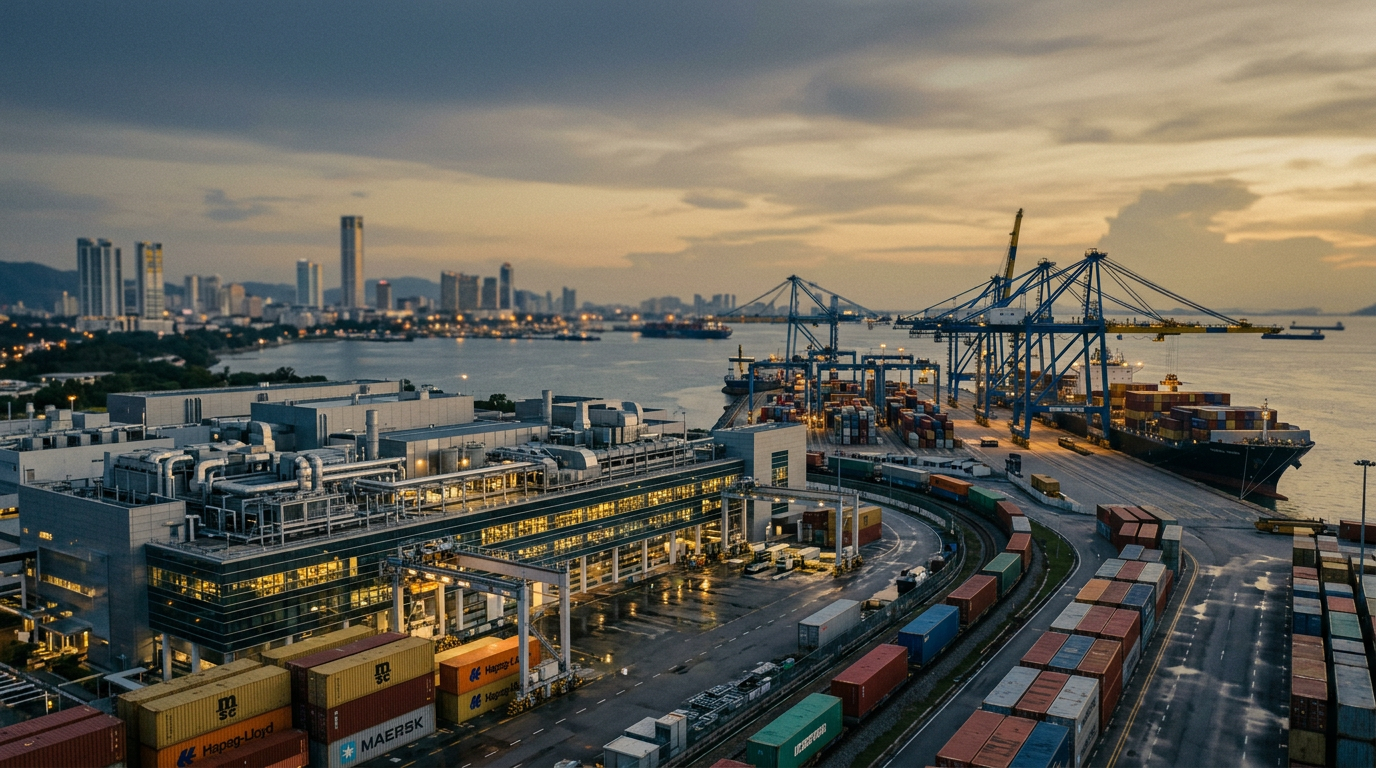
 Malaysia
's Semiconductor Rise and the China Question
Robust semiconductor shipments are helping sustain Malaysia's export momentum. This highlights the sector's growing importance, but it also surfaces a deeper question about how to manage economic dependency in a strategic industry.
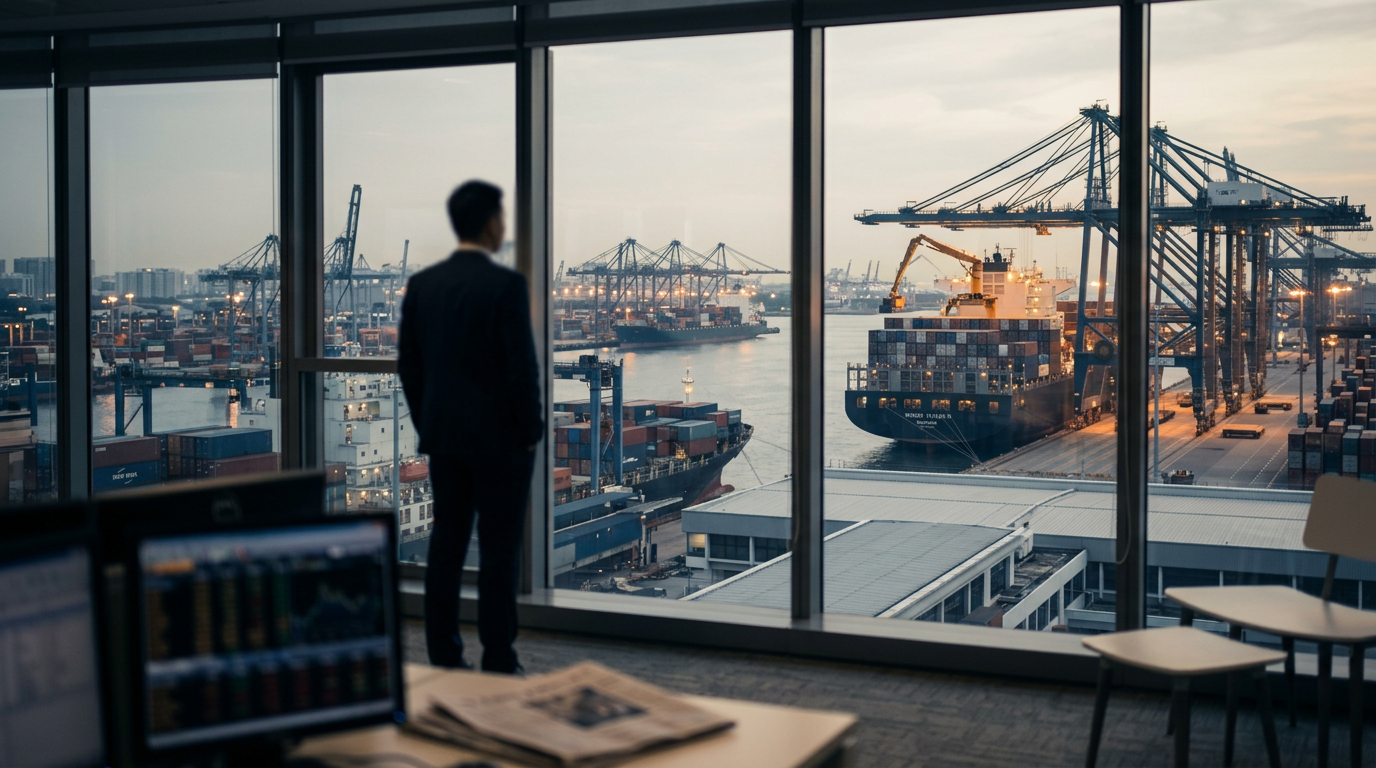
 Singapore
Radiant World Failure Highlights Commodity Trade Counterparty Risk
The failure of Singapore-based Radiant World, a commodity trading house, underscores the structural dependencies and counterparty risks that ASEAN institutions must navigate in the commodities sector.
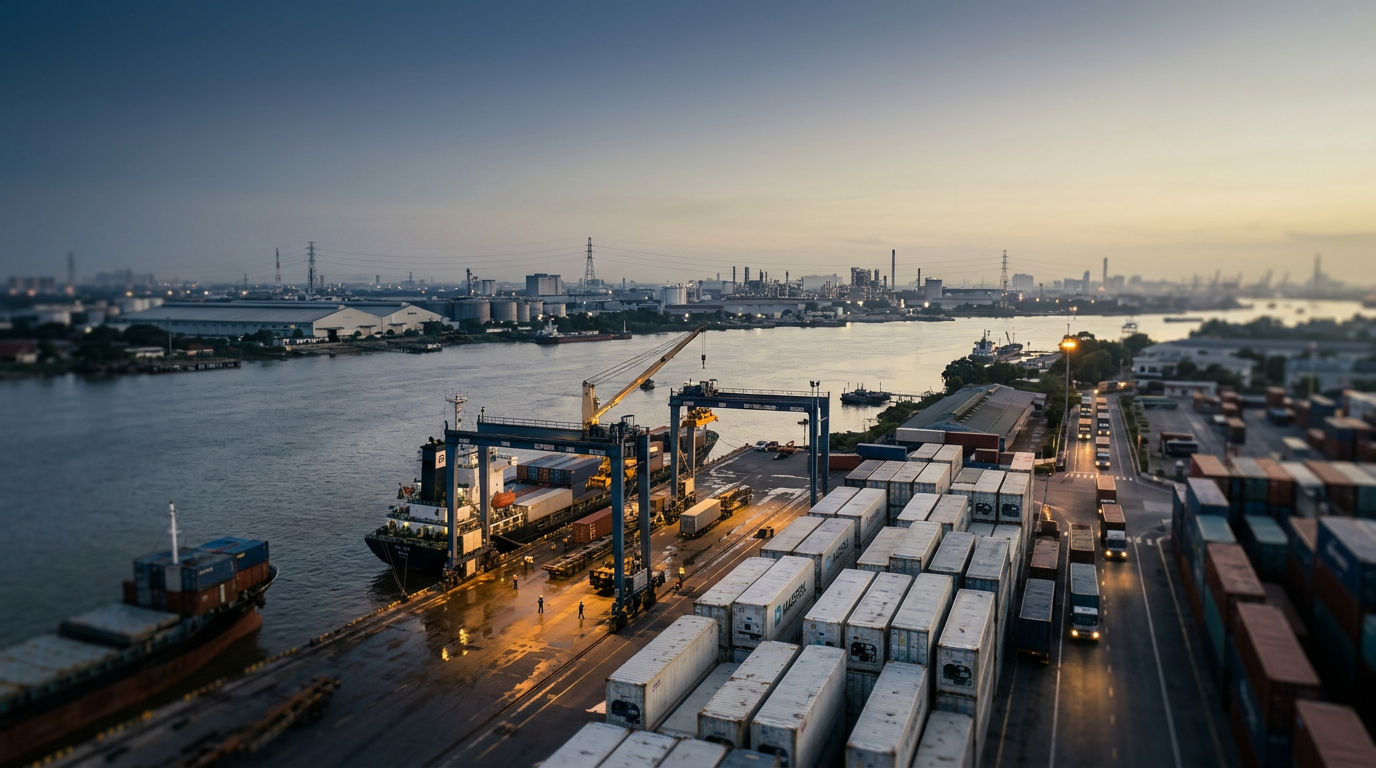 Vietnam
's Shrimp Exporters and the China Question
Vietnam's shrimp export growth, driven by Chinese demand, shows how trade depth with China is now a structural feature for ASEAN economies, not a cyclical one.
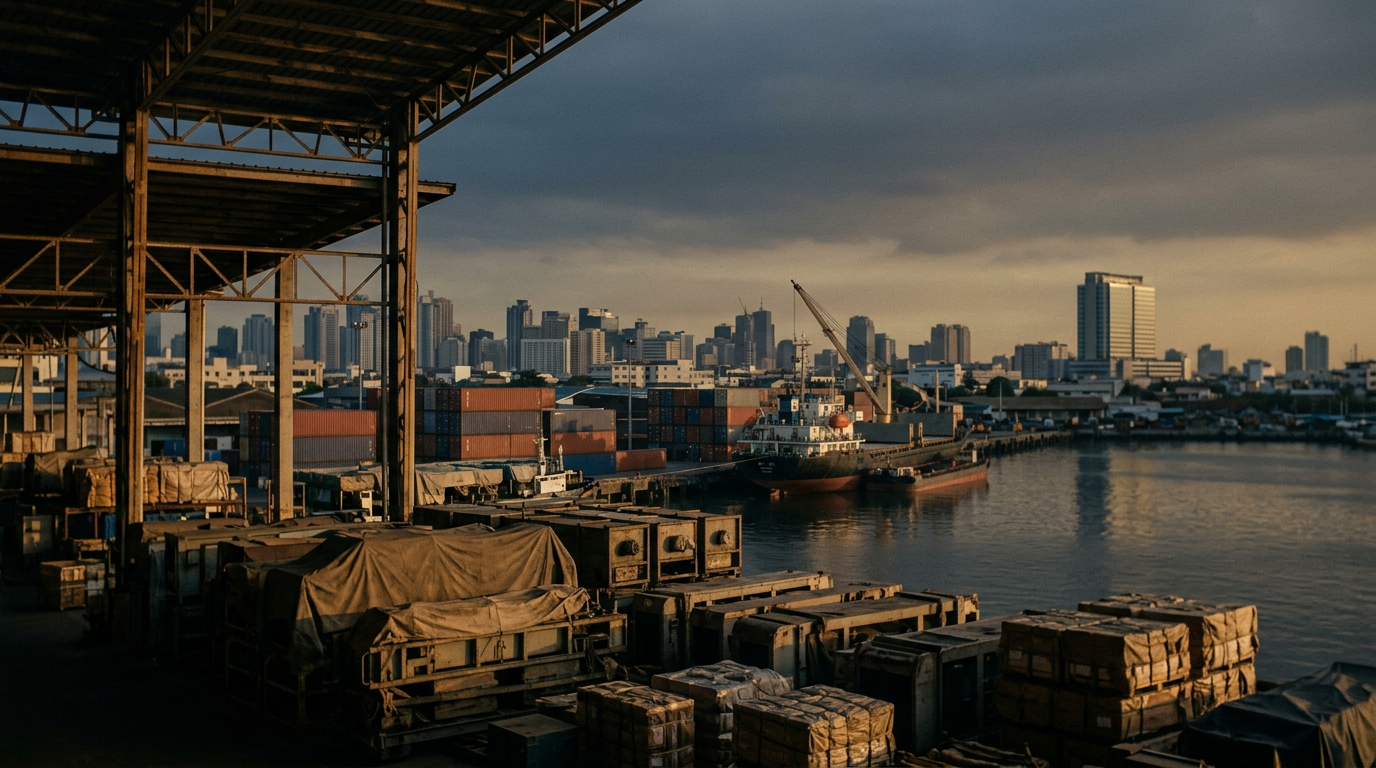 Philippines
The Strategic Weight of Sugar in Philippine Trade
An additional US sugar quota for the Philippines highlights the tension between diversifying trade and managing deep economic ties with China.
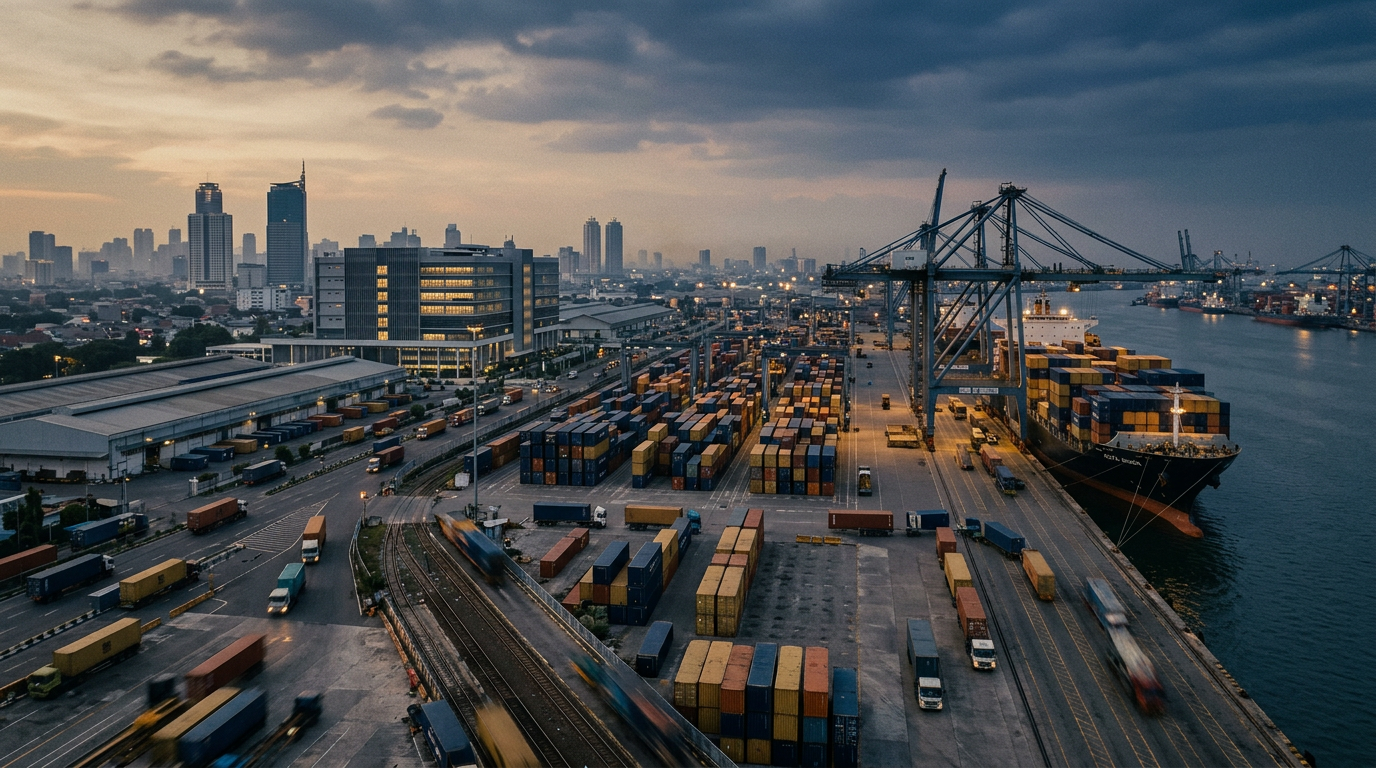 Indonesia
 Overhauls Commodity Exports, Balancing Trade and Dependency
Jakarta's single-door export system is a test of institutional capacity, aiming to manage trade flows more effectively, especially with its largest partner, China.
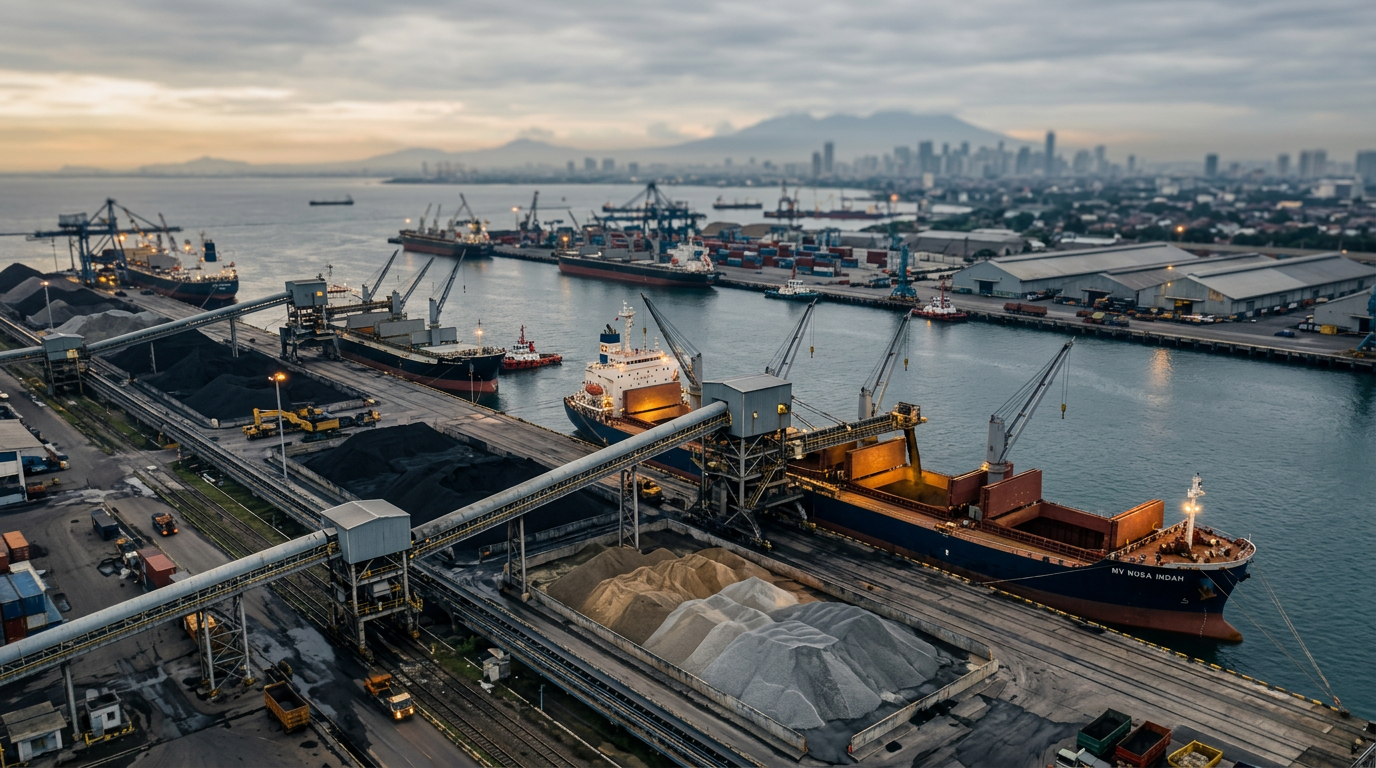 Indonesia
's "Single-Door" Export System and the Question of Optionality
Indonesia plans to fully implement a centralized export mechanism for key natural resources by December. This move is a clear example of an ASEAN state managing its deep trade relationship with China while seeking to maintain strategic and economic optionality, a central theme.
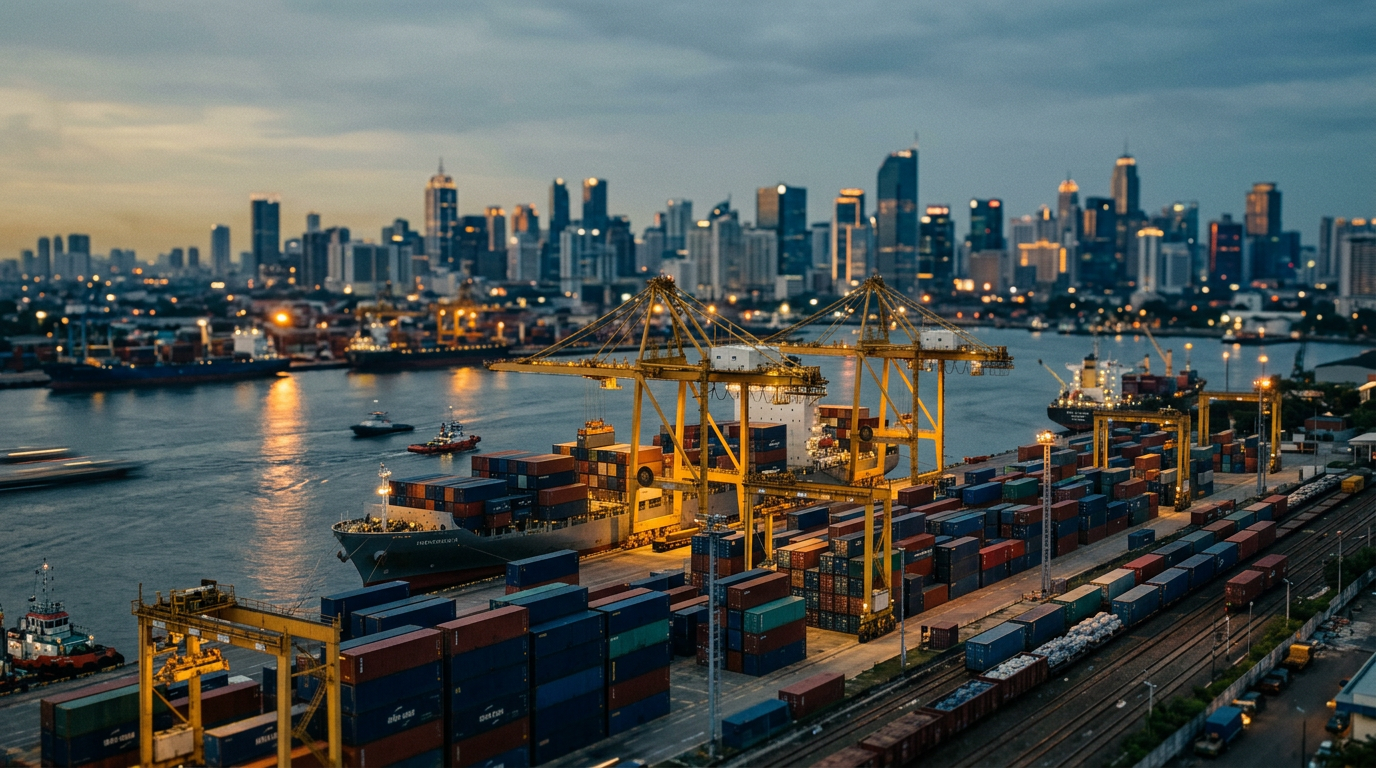 Indonesia
 Sees Resilient Exports Amid Oil Price Surge
Indonesia's Trade Minister projects export growth will continue despite rising global crude oil prices, a resilience that reflects the country's deep and structural trade relationship with China.
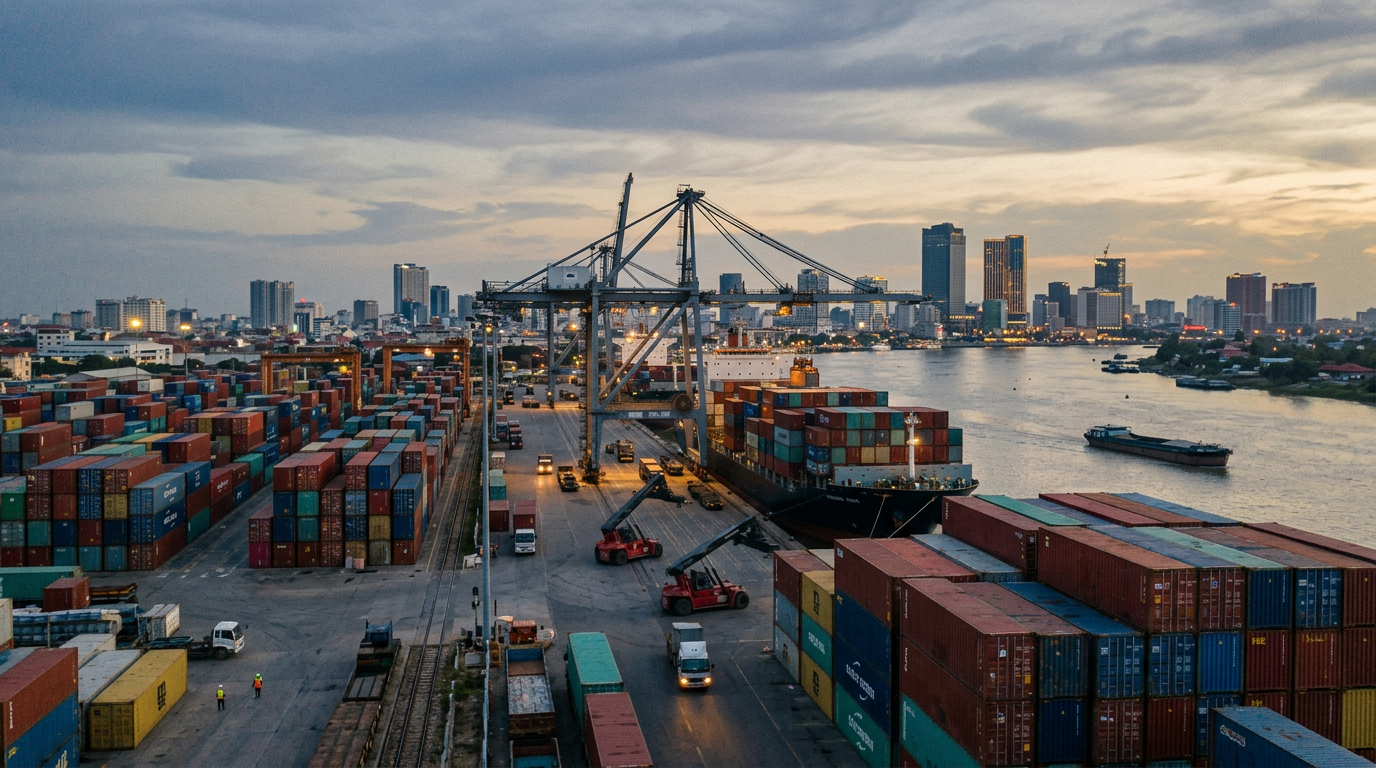
 Cambodia
ASEAN-India Trade Talks and the Shadow of China
As ASEAN and India upgrade their trade agreement, the background is the region's deep economic integration with China and the strategic imperative to diversify.
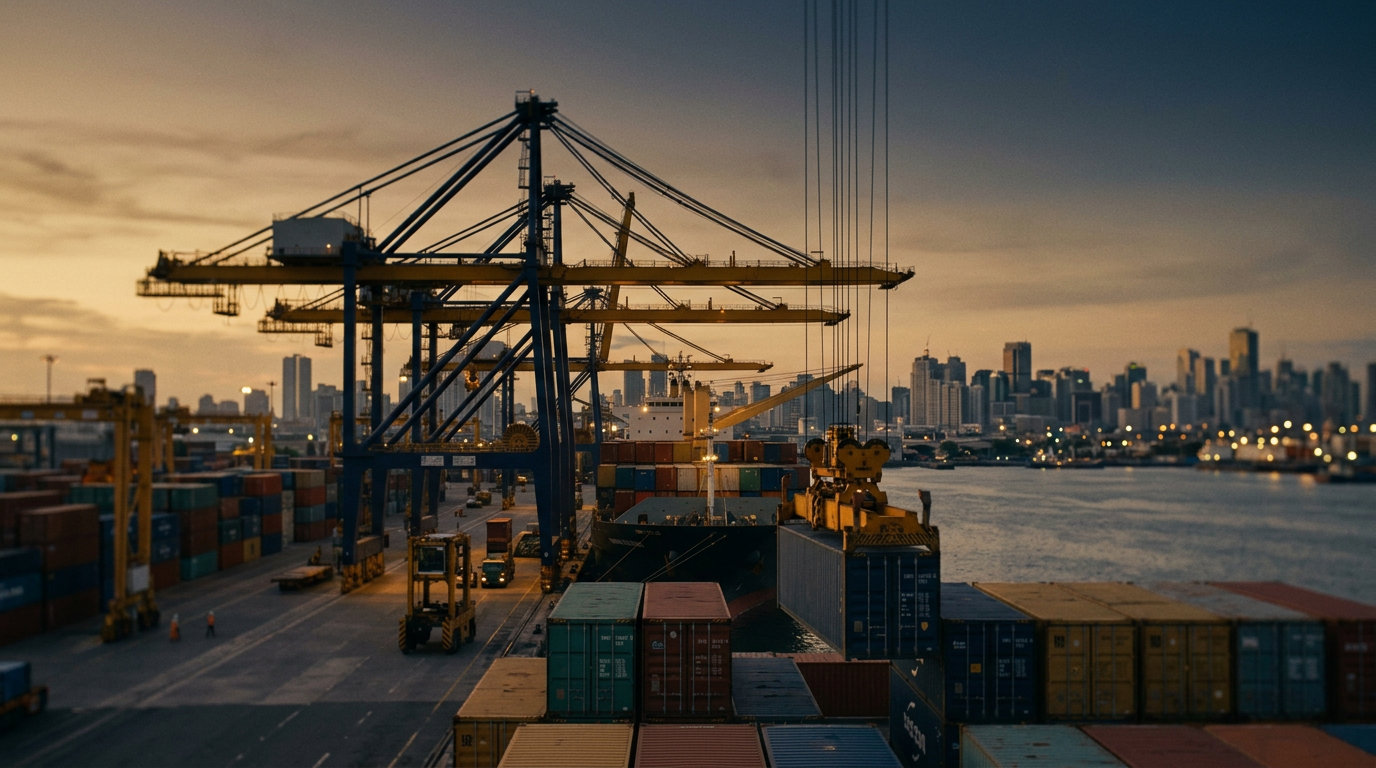 Philippines
The Philippines Looks Beyond The China Market
Trade with China has been a growth engine for the Philippines. But to build a resilient national economy, the country must diversify its export destinations.
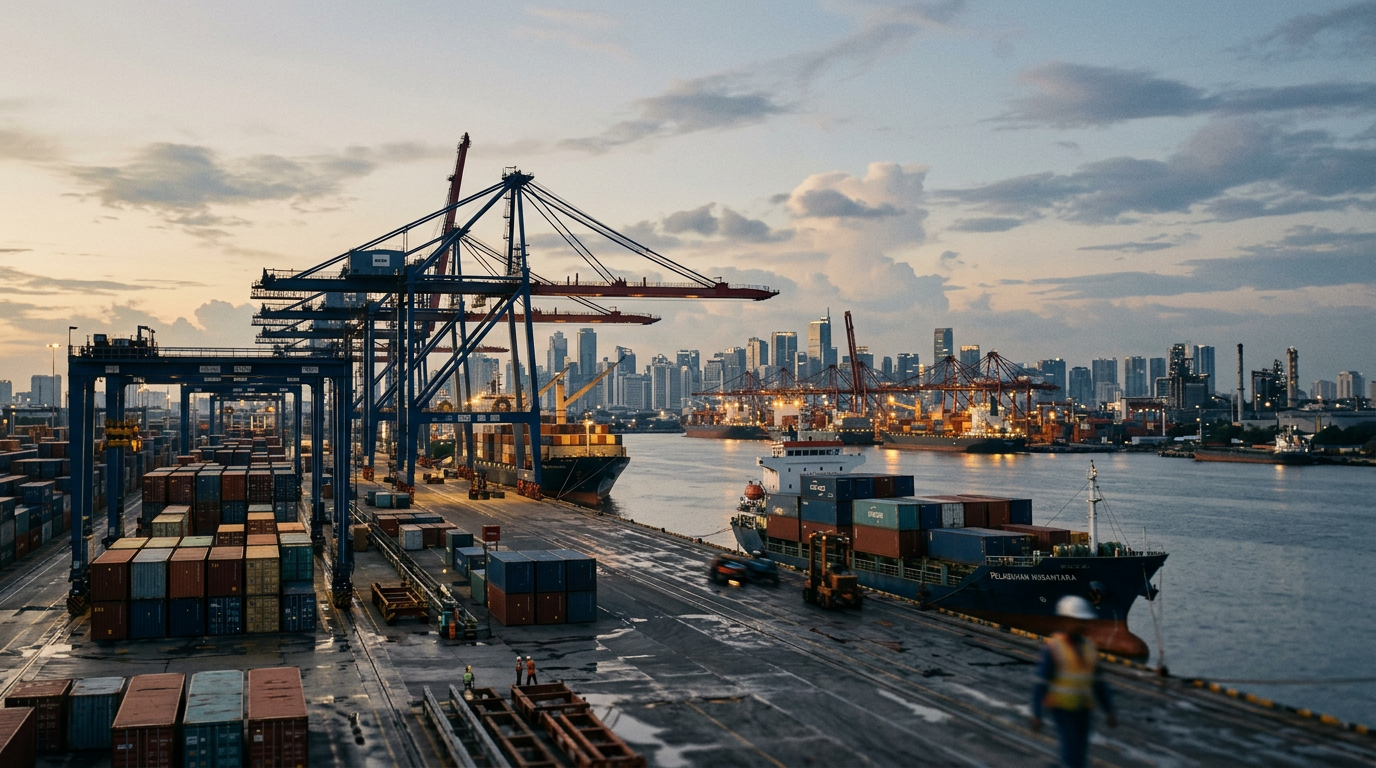 Indonesia
's Commodity Centralization and the China Question
Prabowo Subianto's plan to centralize strategic commodity exports is a move to manage dependency. While it could improve state revenue and oversight, it poses risks to institutional capacity and execution, particularly in how it shapes the trade relationship with China.
 Thailand
 Weighs New Rules for Digital Platforms
Thailand's competition watchdog is looking to update its rules for digital platforms. This move reflects a region-wide effort to manage the complexities of the digital economy while maintaining a competitive environment, a theme explored in the book "ASEAN Rising".
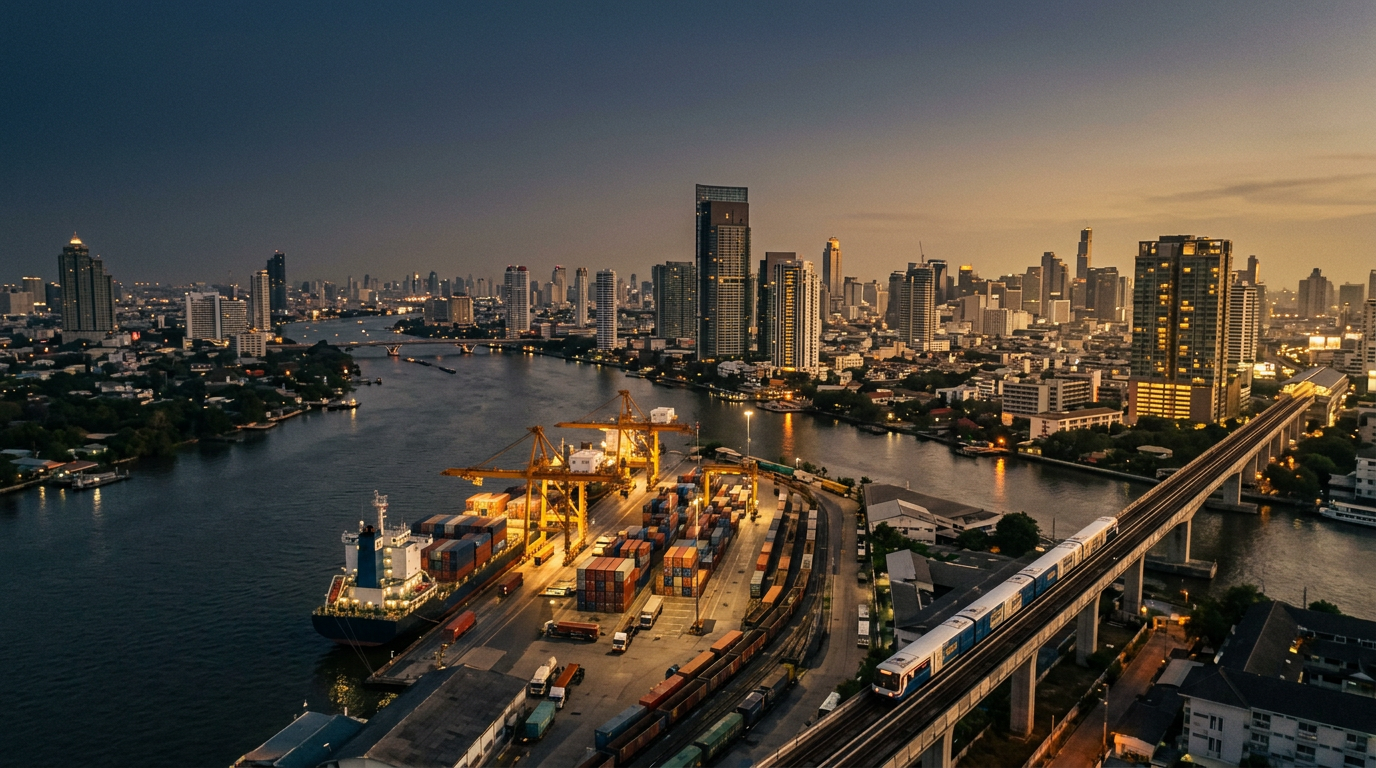 Thailand
Thais Embrace the iPhone 18. China
The strong debut of the iPhone 18 in
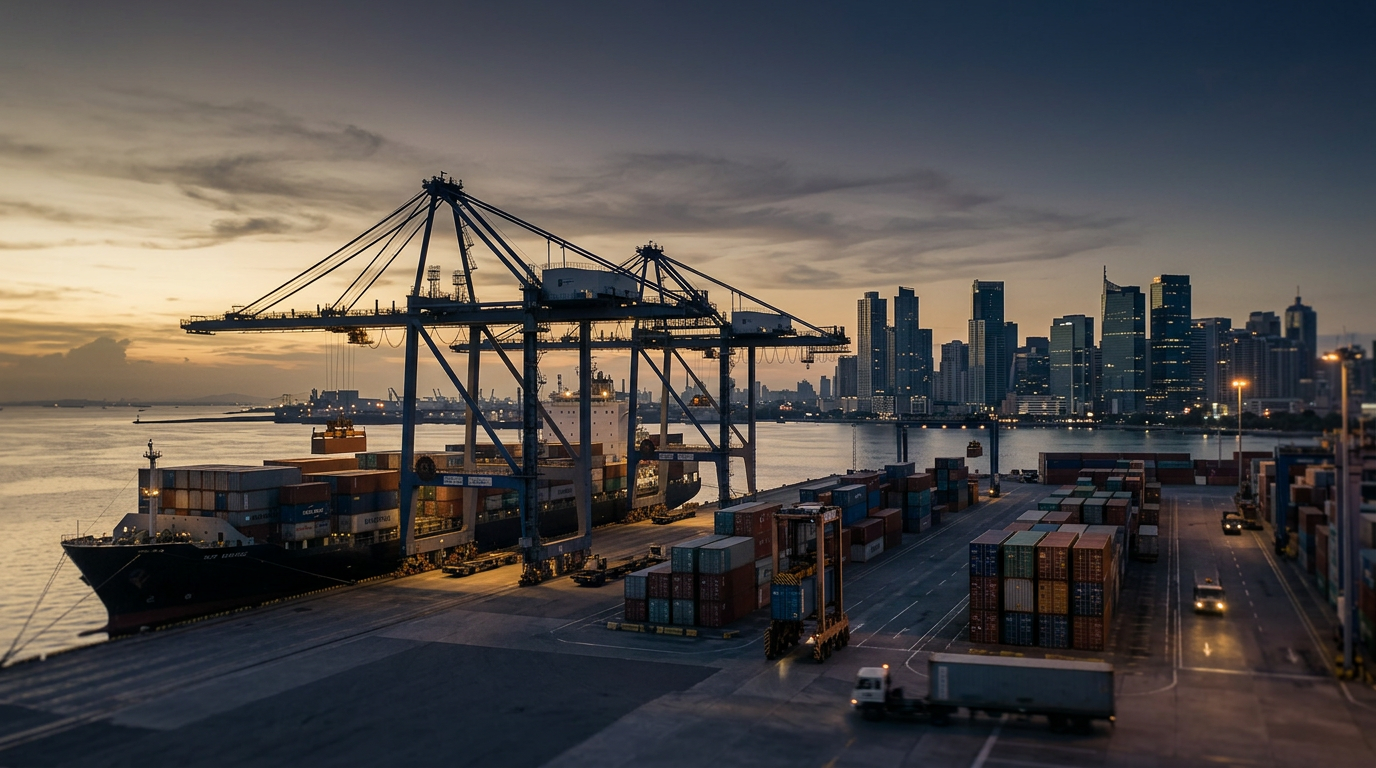 Philippines
The Philippines-Canada FTA: A Test of Strategic Diversification
A prospective Philippines-Canada FTA is a small but significant step in a larger ASEAN-wide effort to manage economic dependency on China by building institutional bridges to other trade partners.
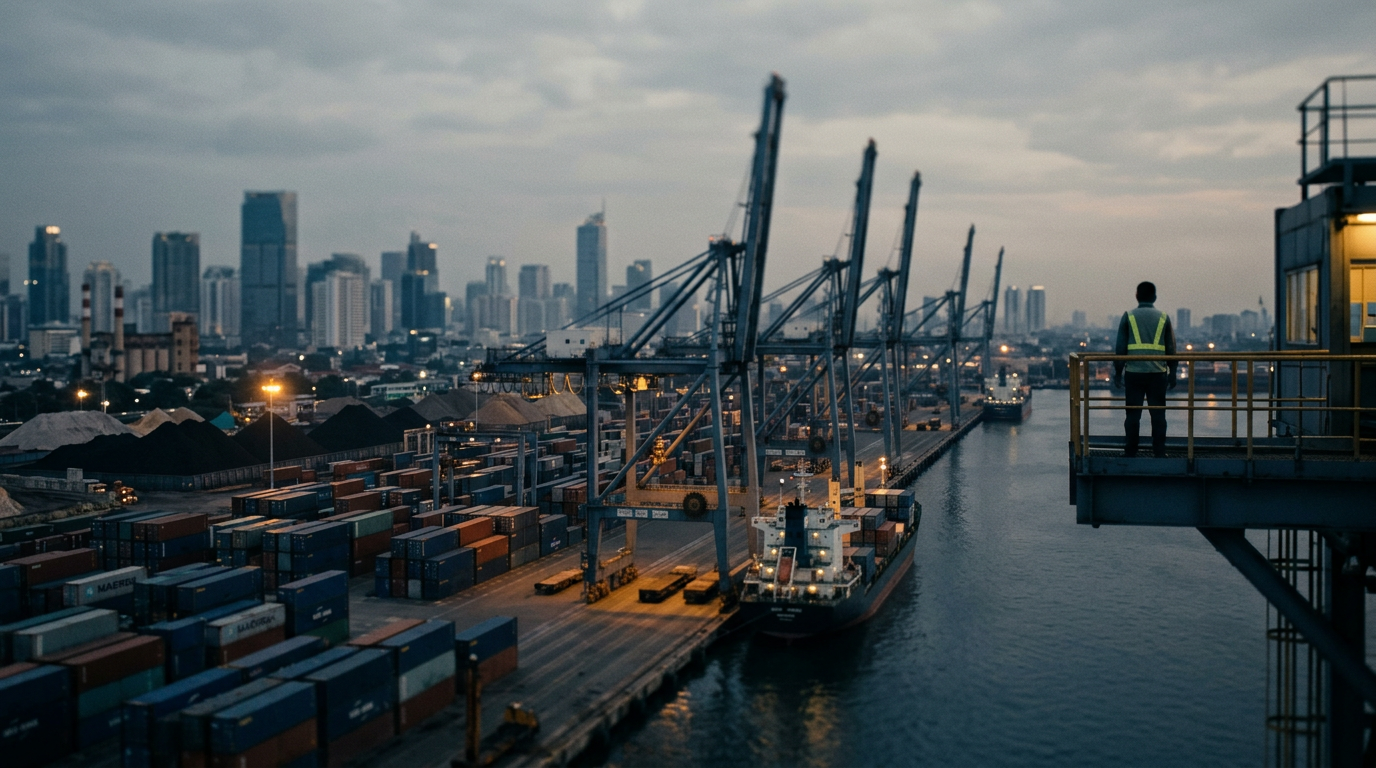 Indonesia
's Deindustrialization Risk in a China-Centric ASEAN
An economist warns that Indonesia faces a risk of deindustrialization due to manufacturing stagnation. This reflects a structural dependency on commodity exports and a failure to capture higher value-add in regional supply chains.
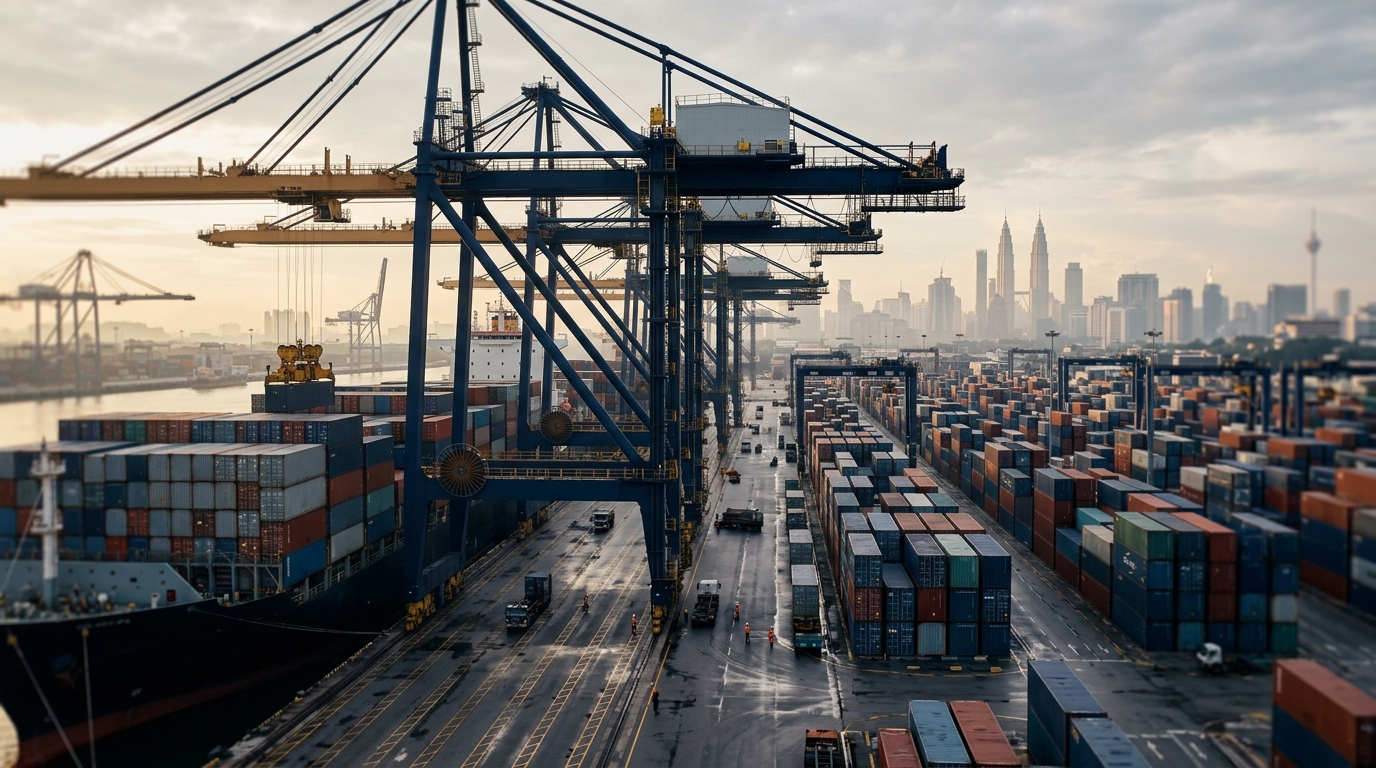 Malaysia
's China Trade: A Structural Reality
Trade with China is now a structural feature for Malaysia, not a cyclical one. The core task for Kuala Lumpur is to manage this dependency without sacrificing strategic flexibility.
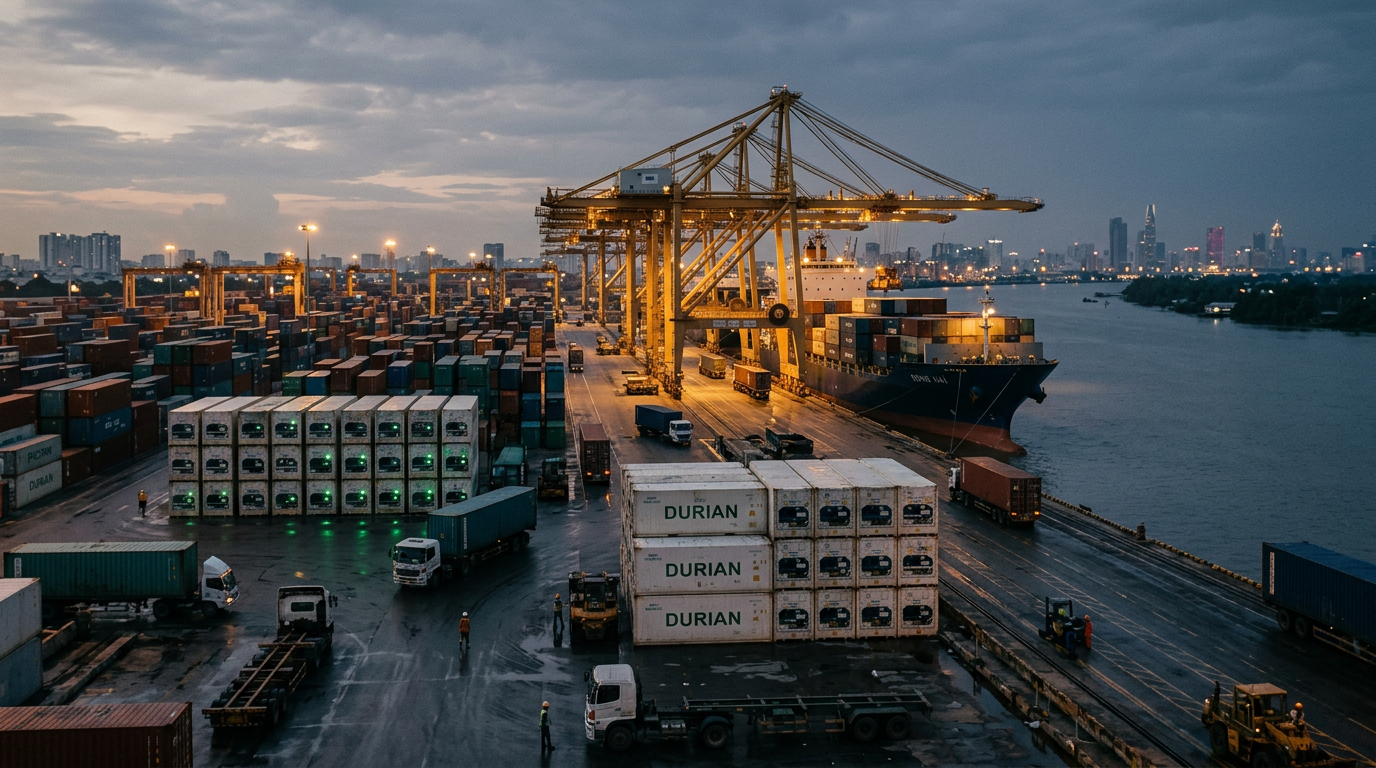 Vietnam
's Durian Trade and the China Question
Vietnam's durian market is overheating, driven by insatiable demand from China. The dynamics of the durian trade offer a miniature case study in how ASEAN members can manage their growing economic dependency on China.
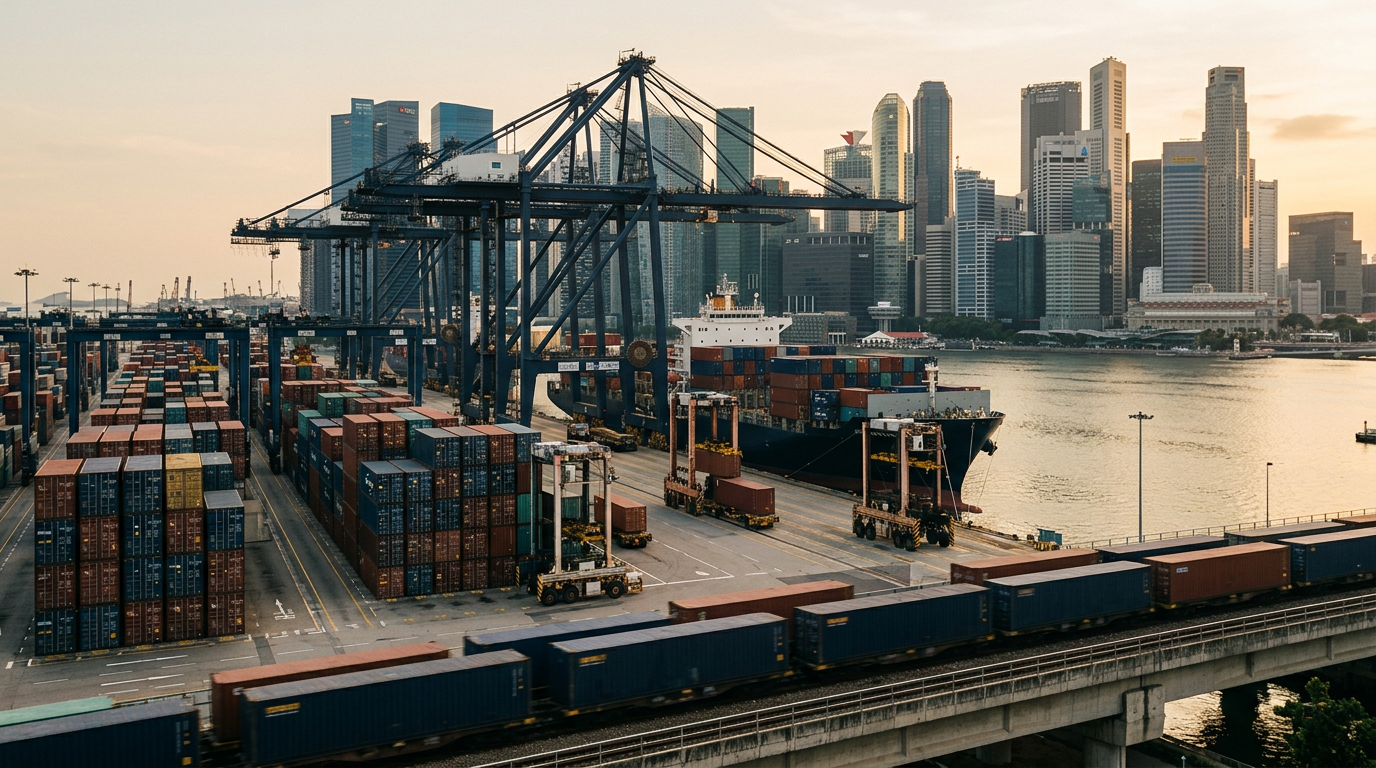 Singapore
Managing Trade Dependency: A Singapore Case Study
Trade depth with China is a structural feature of the ASEAN economies. The question for governments is no longer whether to engage, but how to manage dependency without losing optionality.
 Philippines
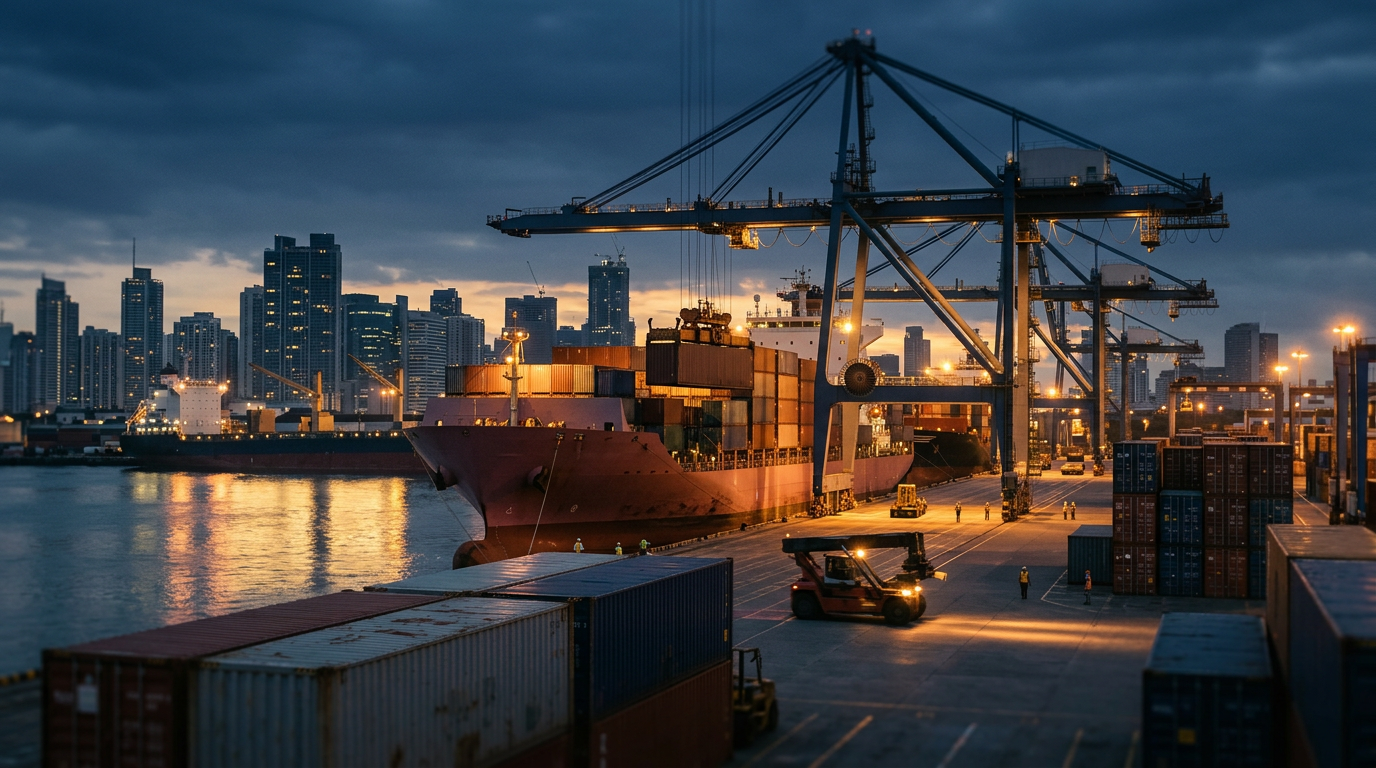
 Deepens China Trade Ties at ASEAN Expo
The Philippines is sending its largest-ever trade delegation to the China-ASEAN Expo, a move that highlights the structural depth of the bilateral trade relationship and the ongoing effort to manage economic dependency while maximizing export gains.
 Indonesia
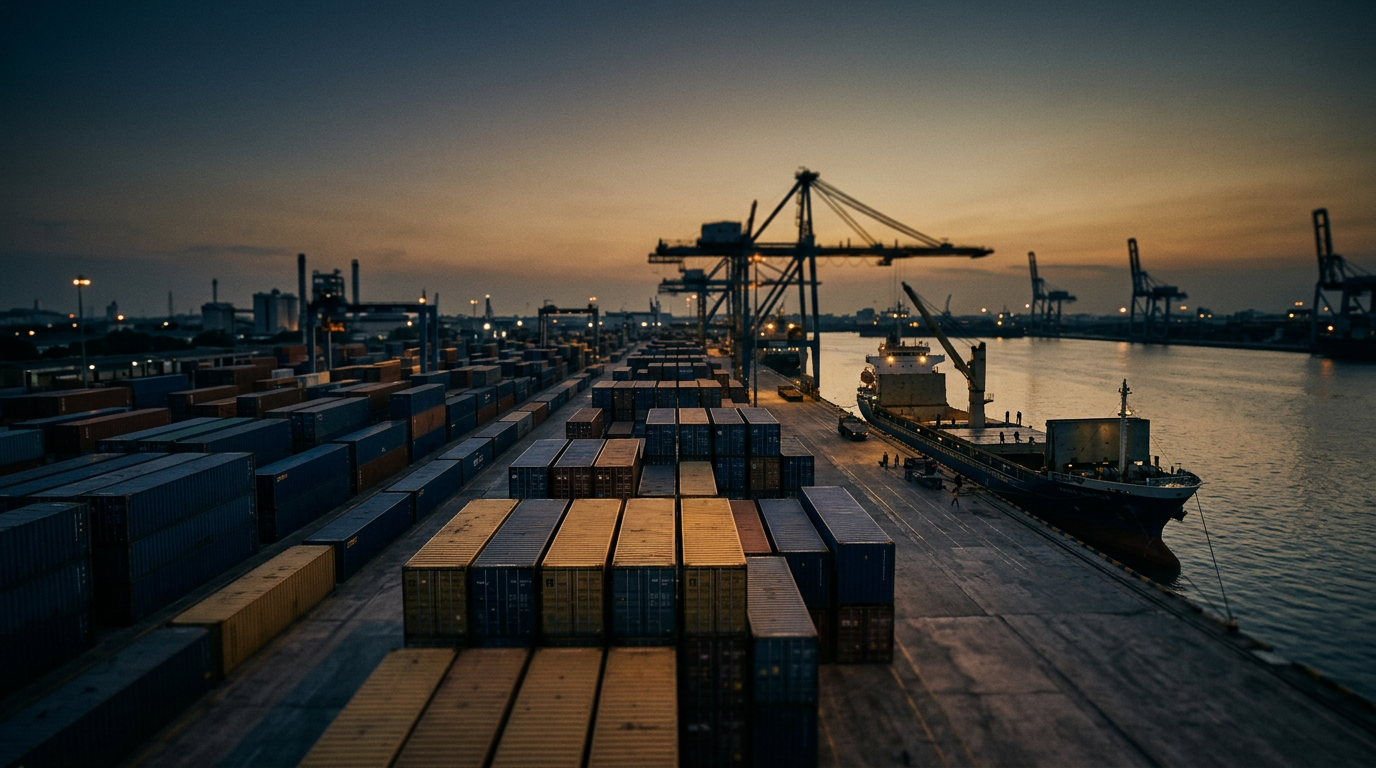
's Commodity Exchange and the Question of Trade Depth
Indonesia has ambitions to become a price-setter, not just a price-taker. Success depends on building credible benchmarks and getting producers and traders on board.
 Indonesia
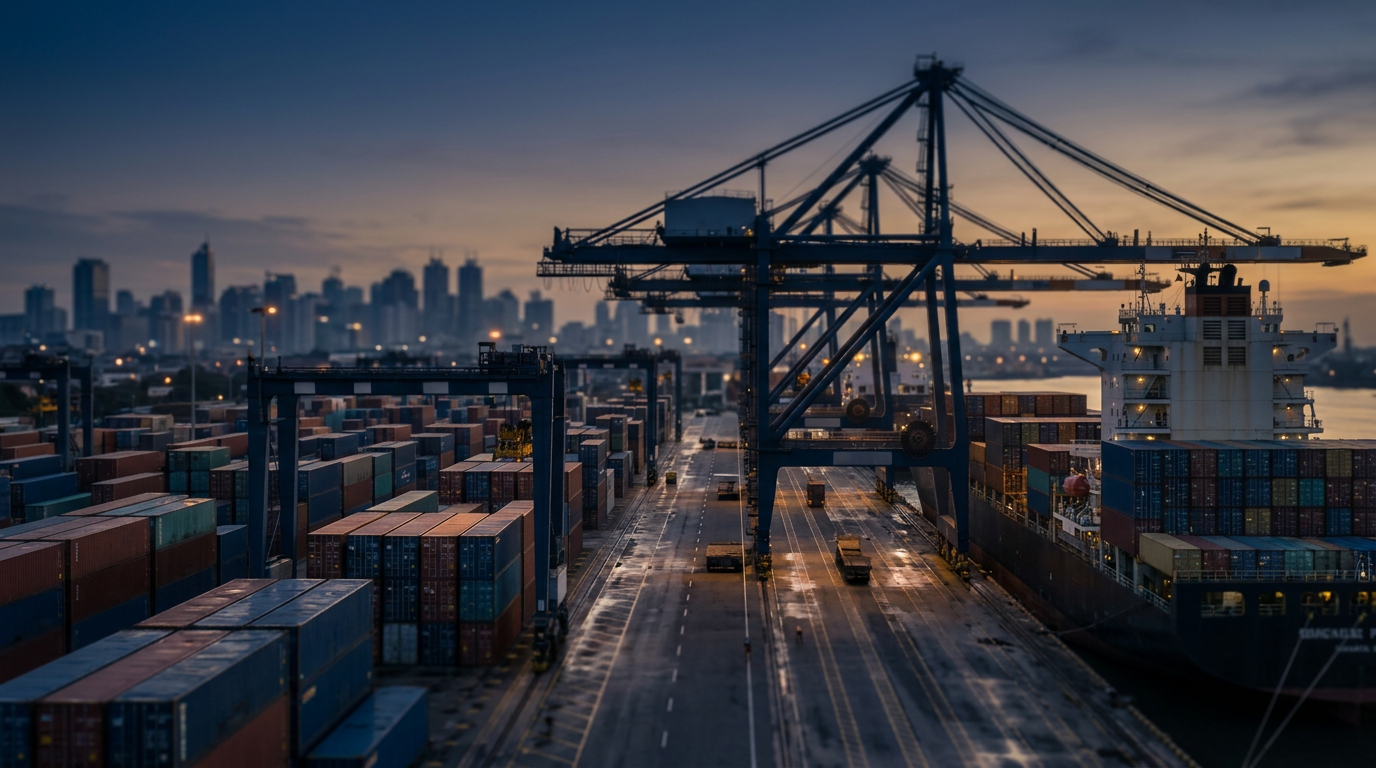
ASEAN's Test of Resilience Amid Great Power Rivalry
As a former Indonesian trade minister calls for ASEAN to build resilience against geopolitical headwinds, the bloc's deep trade relationship with China requires careful management to maintain strategic autonomy.
 Philippines
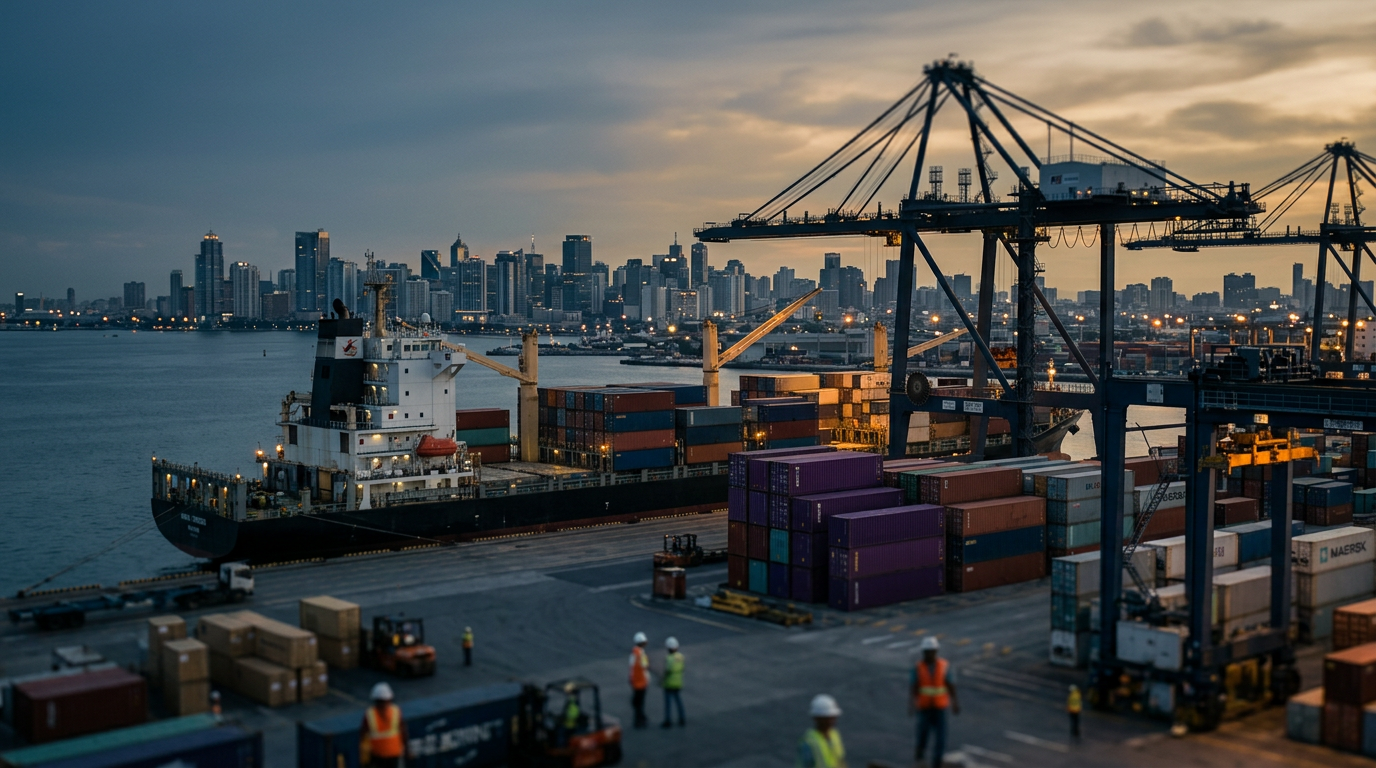
The Philippines, Ukraine, and the Ube Trade: A Lesson in Dependency Management
A recent trade overture from Ukraine to the Philippines highlights a core theme of ASEAN economic statecraft: managing dependency. While China remains the dominant trade partner, new connections offer a path to greater strategic optionality.
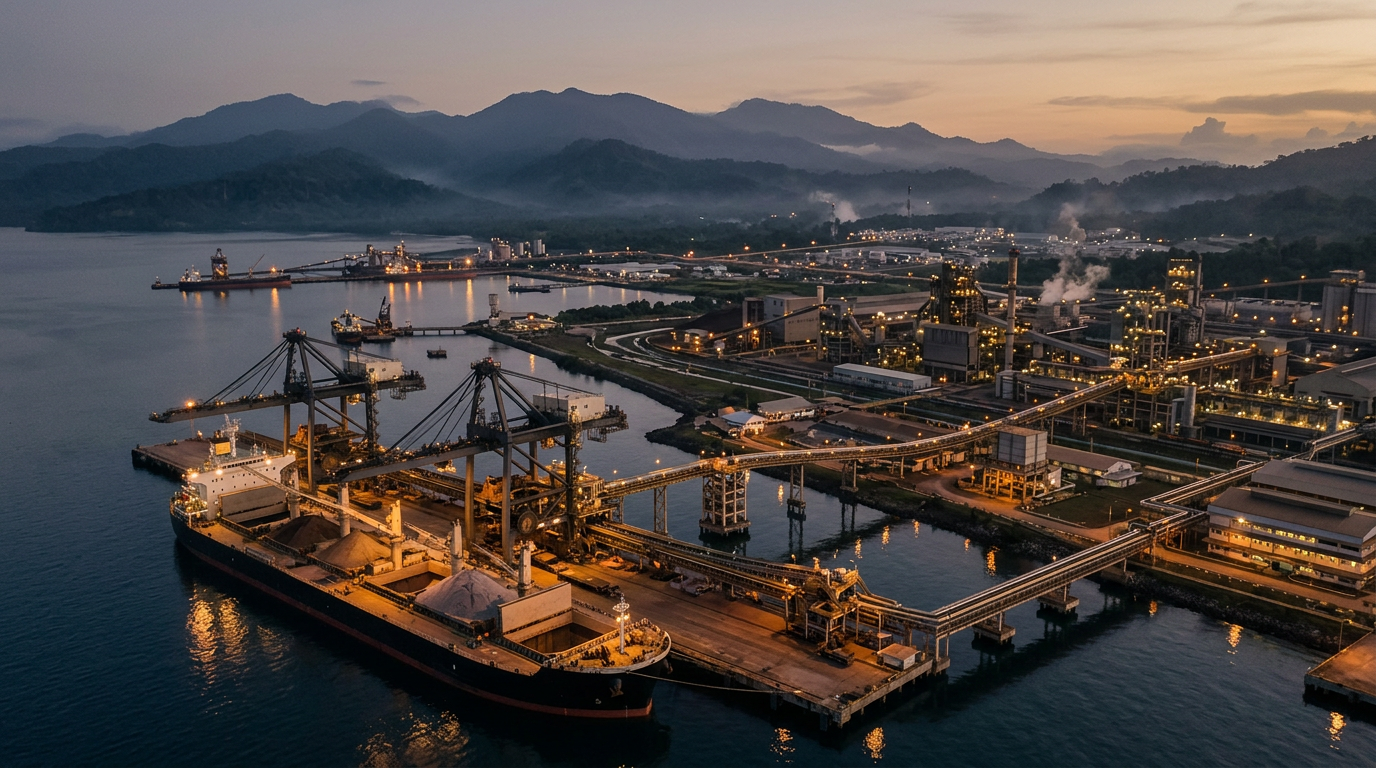 Indonesia
, China, and the New Politics of Nickel
Indonesia is leveraging its nickel reserves to build domestic value, a strategy that deeply involves Chinese capital and technology, testing its ability to manage dependency while maximizing national gains.
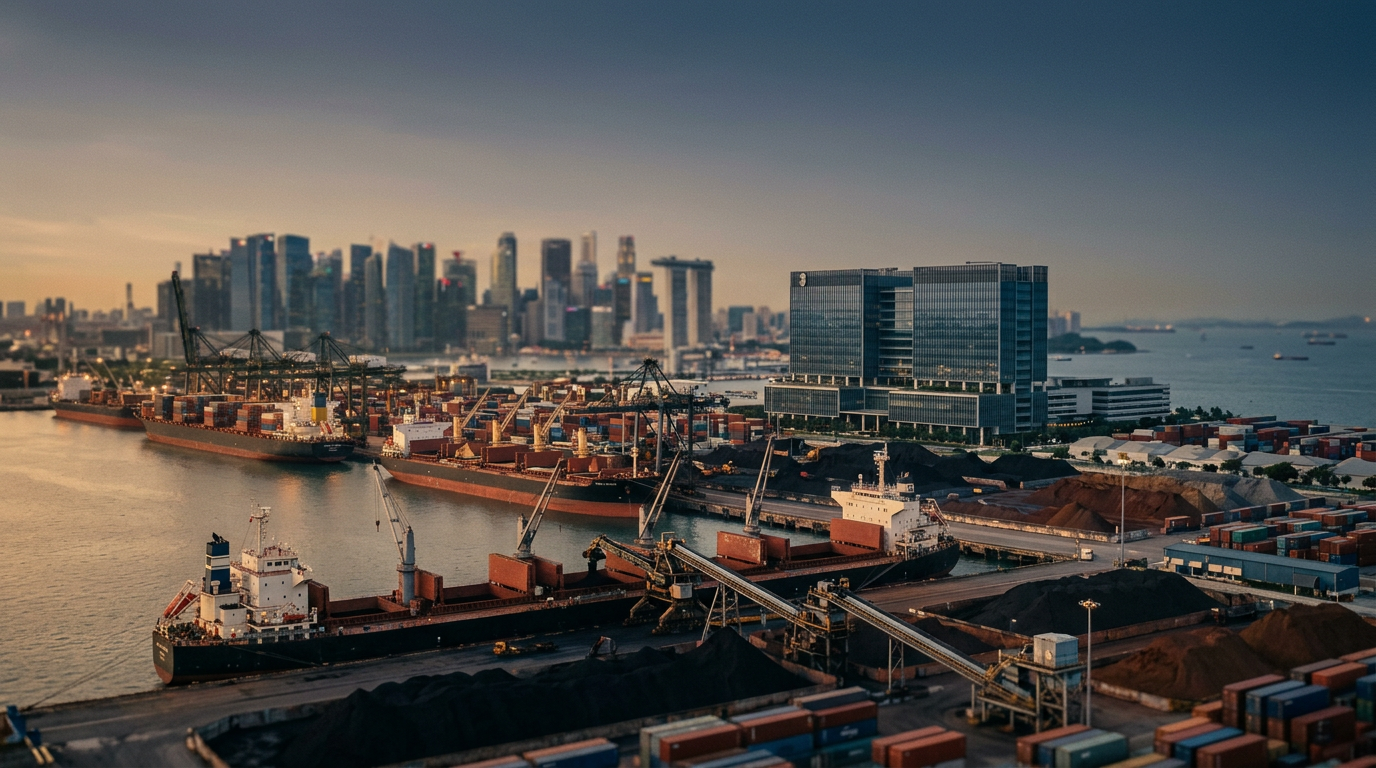 Singapore
, Radiant World, and the Challenge of Commodity Trade
The legal issues facing Singapore-based Radiant World, a major iron ore and coal trader, bring into focus the institutional strengths and weaknesses of ASEAN commodity hubs. While the case seems contained, it highlights the constant need for robust governance to manage the.
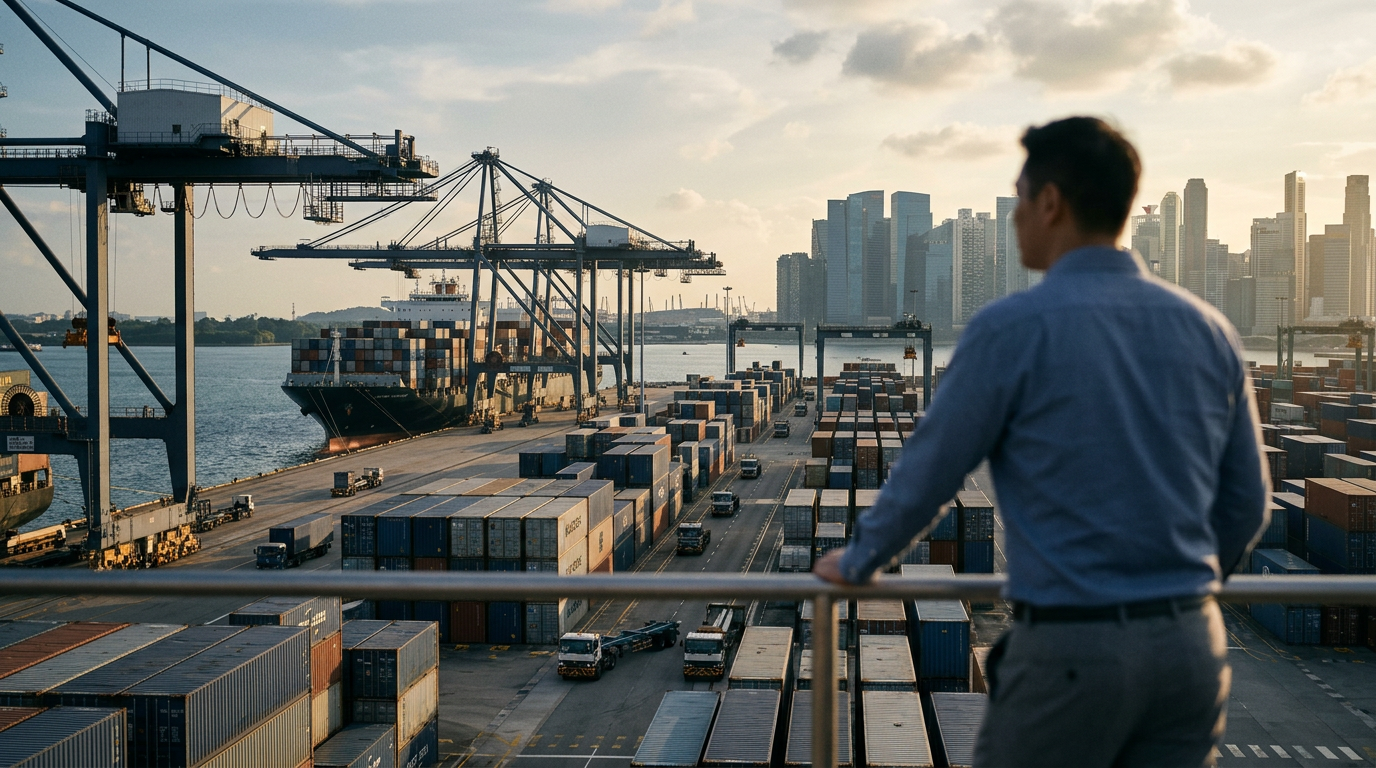 Singapore
, Supply Chains, and Strategic Dependency
Singapore's ambition to be a "traffic controller" for regional business flows is a direct response to the era of managed dependency, particularly as firms diversify their supply chains away from China.
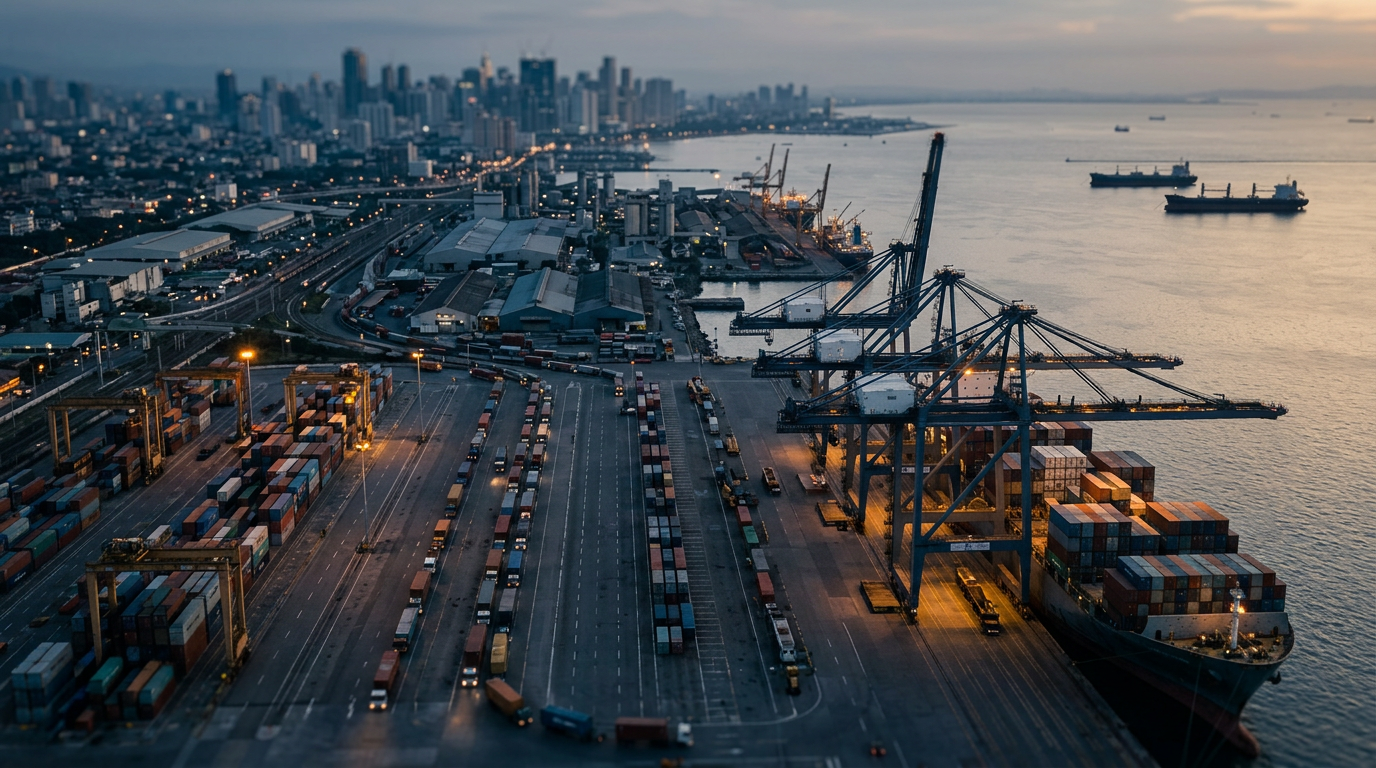 Philippines
The Philippines, Fruit, and Trade Dependency
The Philippines is showing how a single commodity can be a test case for managing deep trade relationships with China.
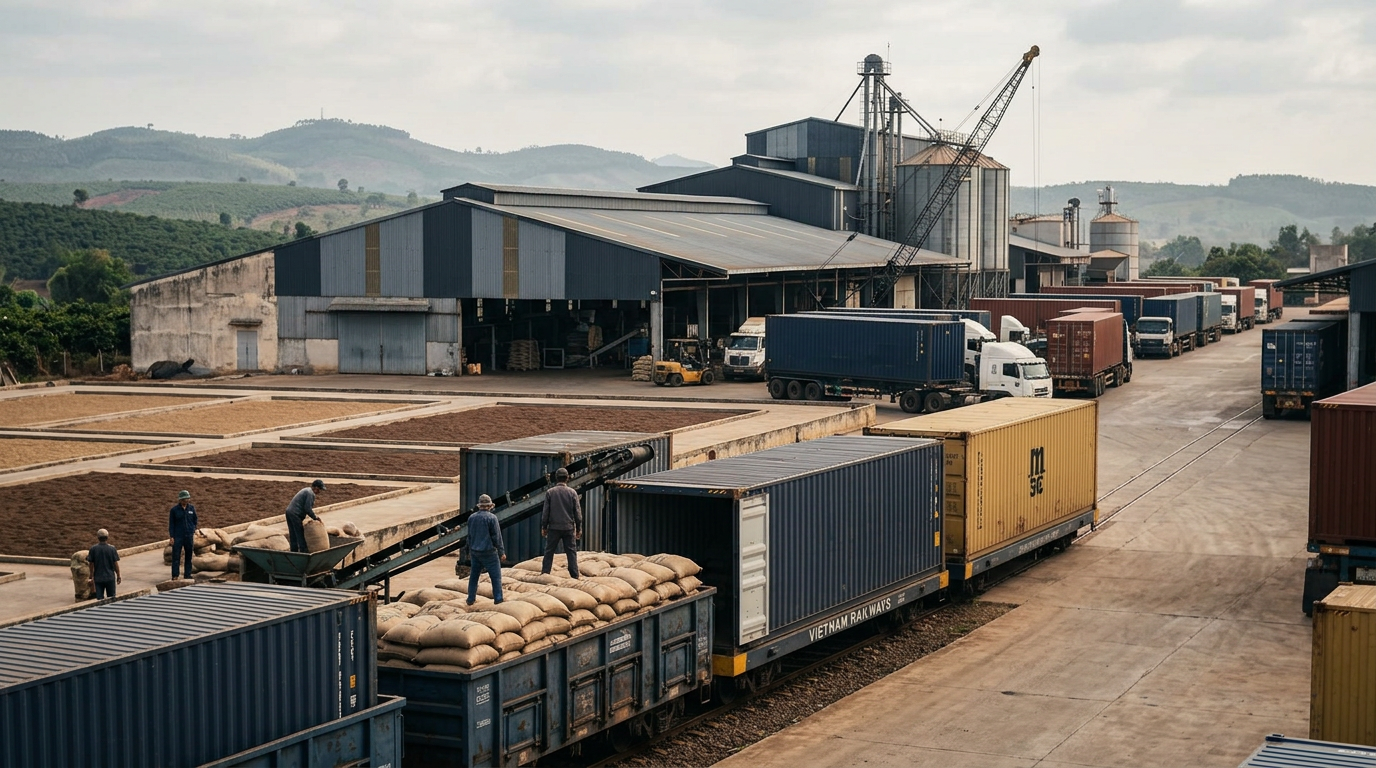 Vietnam
's Coffee Trade and the China Question
Trade with China is a structural reality. For ASEAN governments, the task is not one of engagement, but of managing dependency while preserving strategic options.
 Thailand
 Opens Capital Markets, Deepens China Integration
The Stock Exchange of Thailand will list 28 new depositary receipts, including several linked to Chinese equities. This move reflects a broader ASEAN trend: deeper financial integration with China is a structural reality that requires careful management.
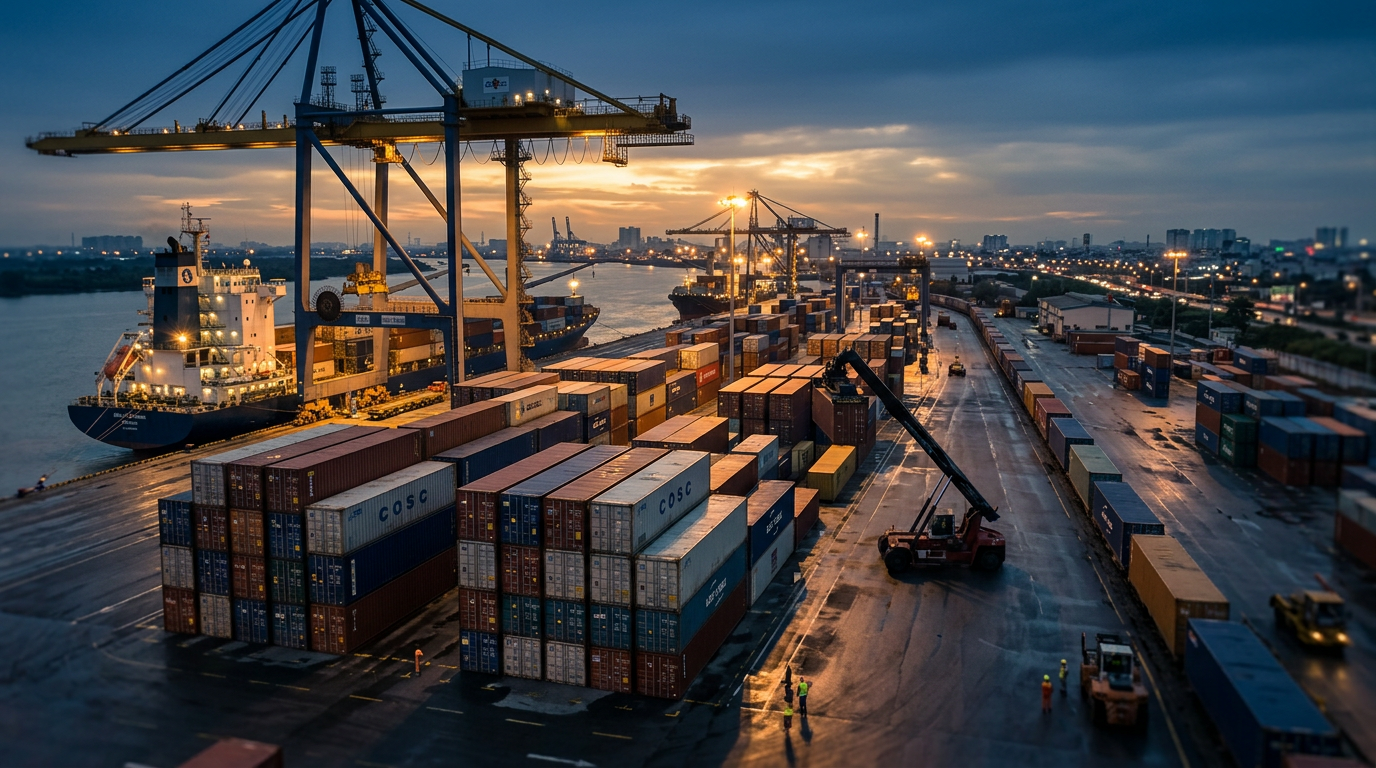 Vietnam
's Tax Base and the China Trade Question
Trade with China presents both a structural reality and a strategic challenge for ASEAN members like Vietnam. The rise of globally competitive domestic firms, reflected in their growing tax contributions, is a positive indicator of economic resilience, but it does not erase the.
 Philippines
The Philippines Art Market Navigates China Ties
The recent expansion of the Philippine art market, highlighted by a major auction, takes place within a complex economic relationship with China that requires careful management.
 Malaysia
Malaysia's Budget 2027 proposal for the semiconductor industry highlights a deep-seated challenge for ASEAN: how to manage economic dependency on China while building national industrial capacity.
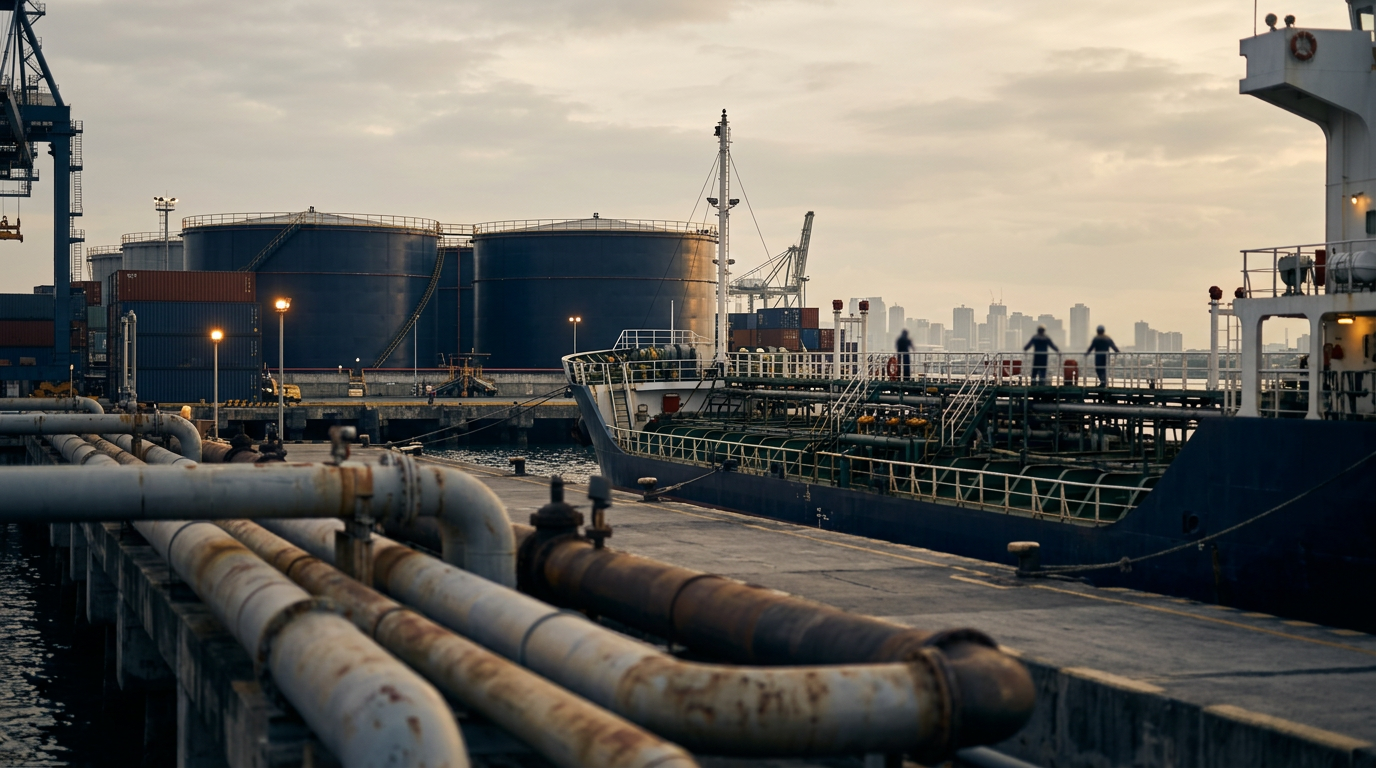 Philippines
Philippine Fuel Prices and the China Trade Dilemma
Manila's exposure to global oil shocks highlights a broader ASEAN theme: managing dependency on a single, dominant trade partner, China, without losing strategic flexibility.
 Indonesia
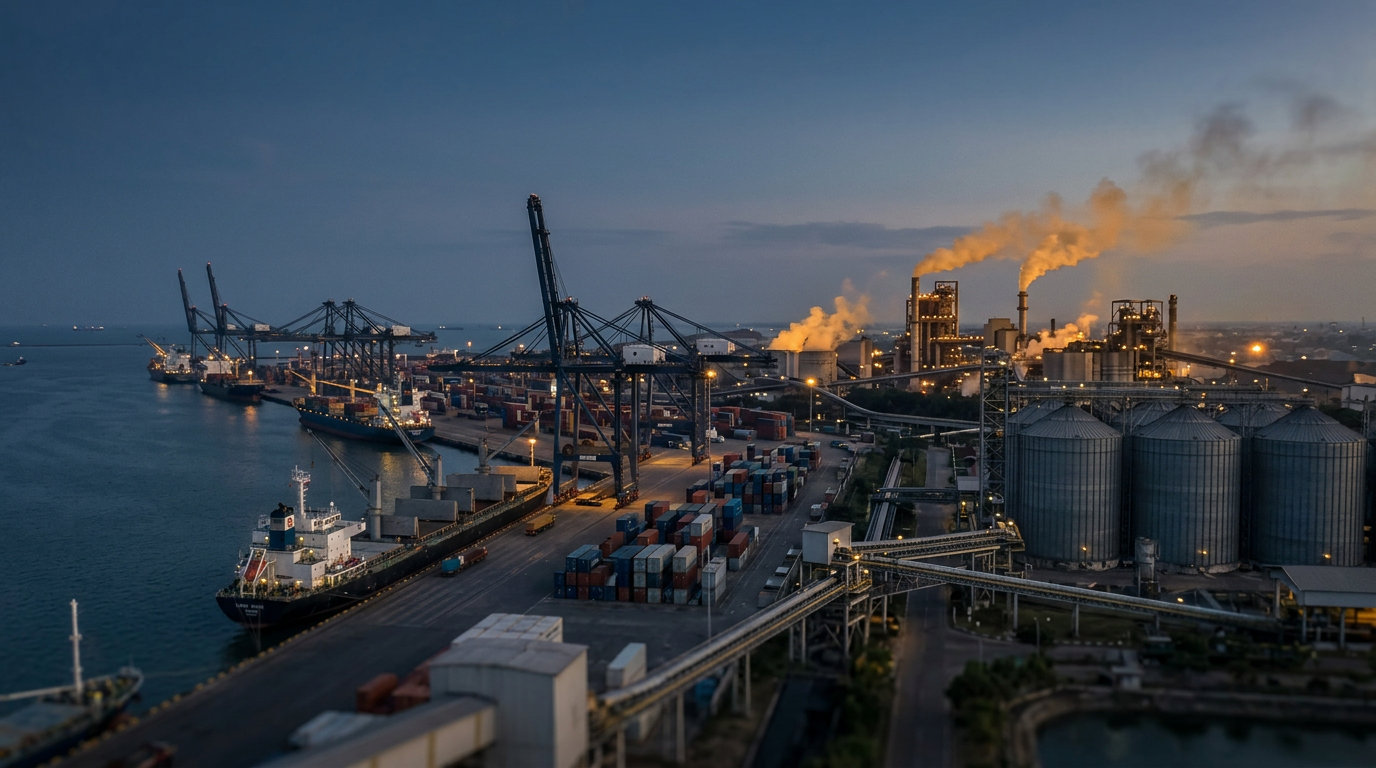
's Commodity Strategy and the China Question
Indonesia wants to set its own prices for key commodities. This tests its ability to manage dependency on China while building its own institutions.
 Thailand
: Beyond the Numbers, China Looms Large
An upward revision of Thailand's GDP forecast is welcome news, but deeper analysis reveals a complex interplay of domestic stimulus and an enduring, structural dependency on China's economy.
 Singapore
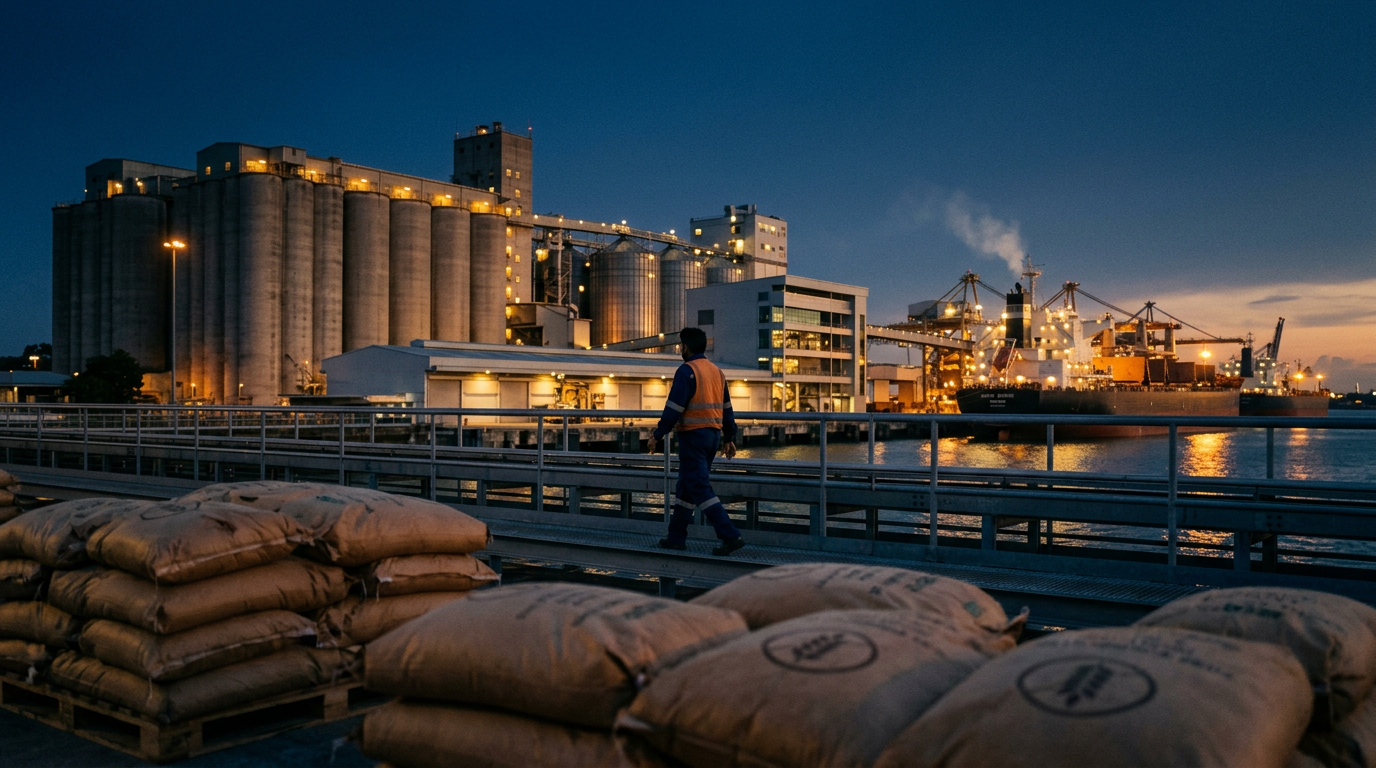
Vietnam's Rice Trade and the China Question
Vietnam's rice export figures for 2026 show a decline in volume and value, but the underlying trade dynamics with China reveal a deeper story about managed dependency and strategic options for ASEAN nations.
 Malaysia
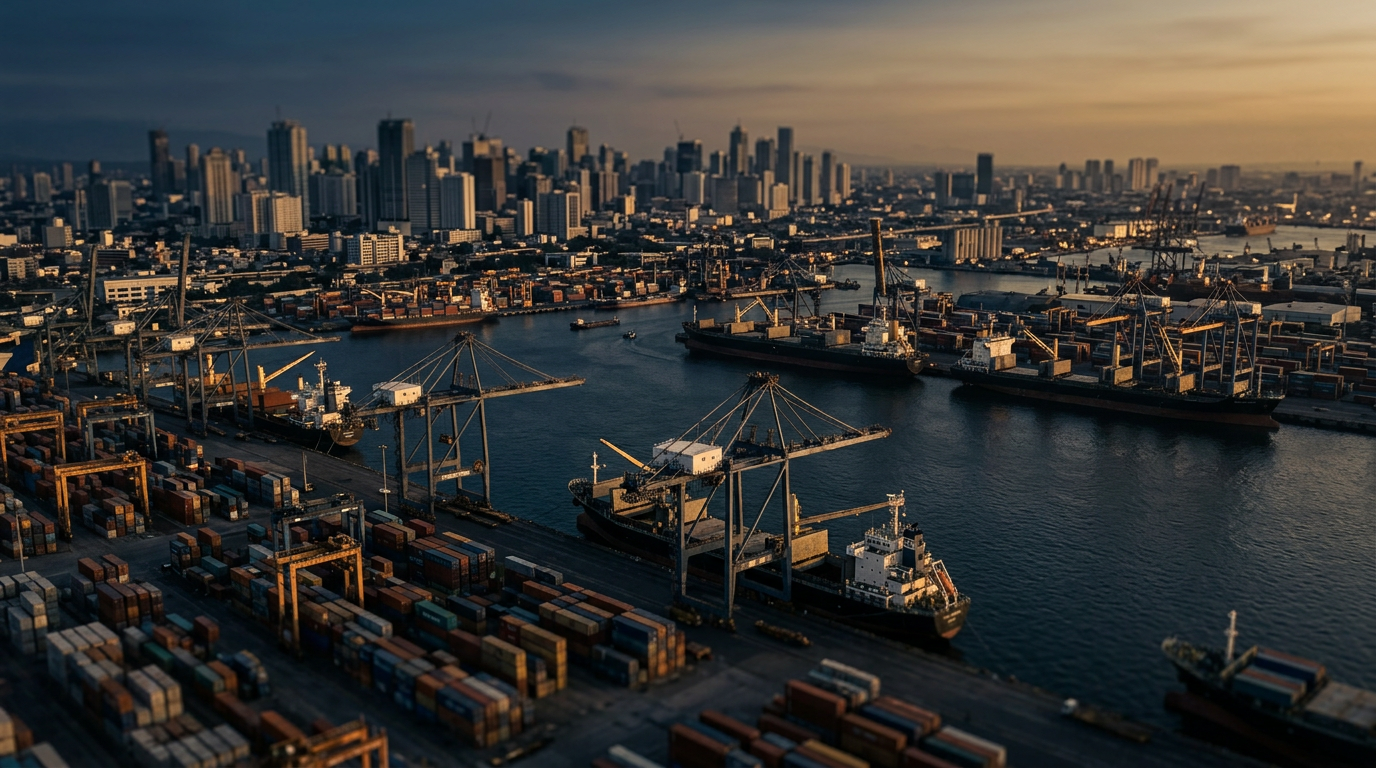
Philippine Exports and the China Question
Manila's export growth is a positive signal, but it sharpens the broader ASEAN question of how to manage economic dependency on China.
 Thailand
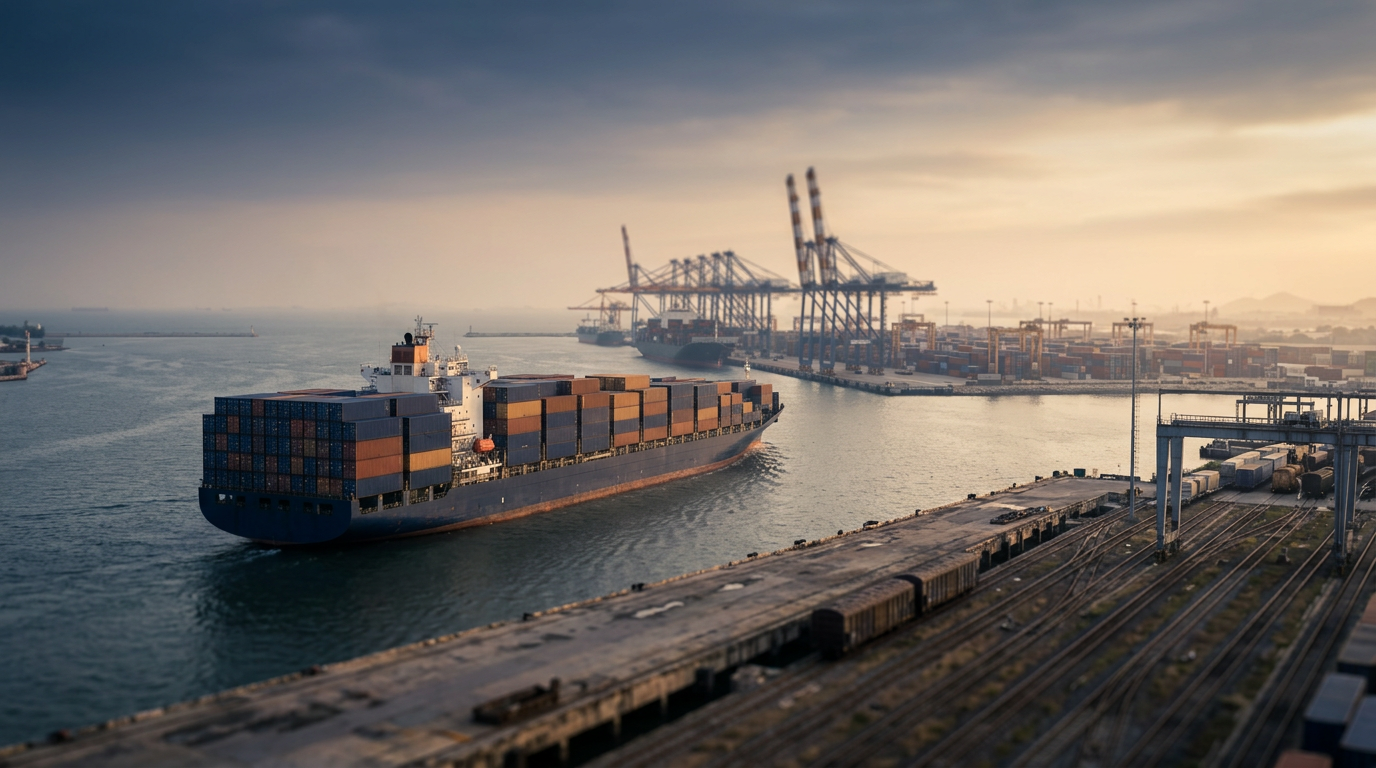
 Manages Trade Balance Amid Structural China Ties
Thailand posted a balanced trade account in July, a data point that shows its exposure to China is structural, not cyclical. The task for Thai policymakers is to manage this economic dependency while preserving strategic options.
 Singapore
A high-profile court case in Singapore involving a major iron ore trader highlights the island state's institutional strengths and its role as a hub for managing complex commercial relationships, including those tied to China.