Singapore
Vietnam's Rice Trade and the China Question
Vietnam's rice export figures for 2026 show a decline in volume and value, but the underlying trade dynamics with China reveal a deeper story about managed dependency and strategic options for ASEAN nations.
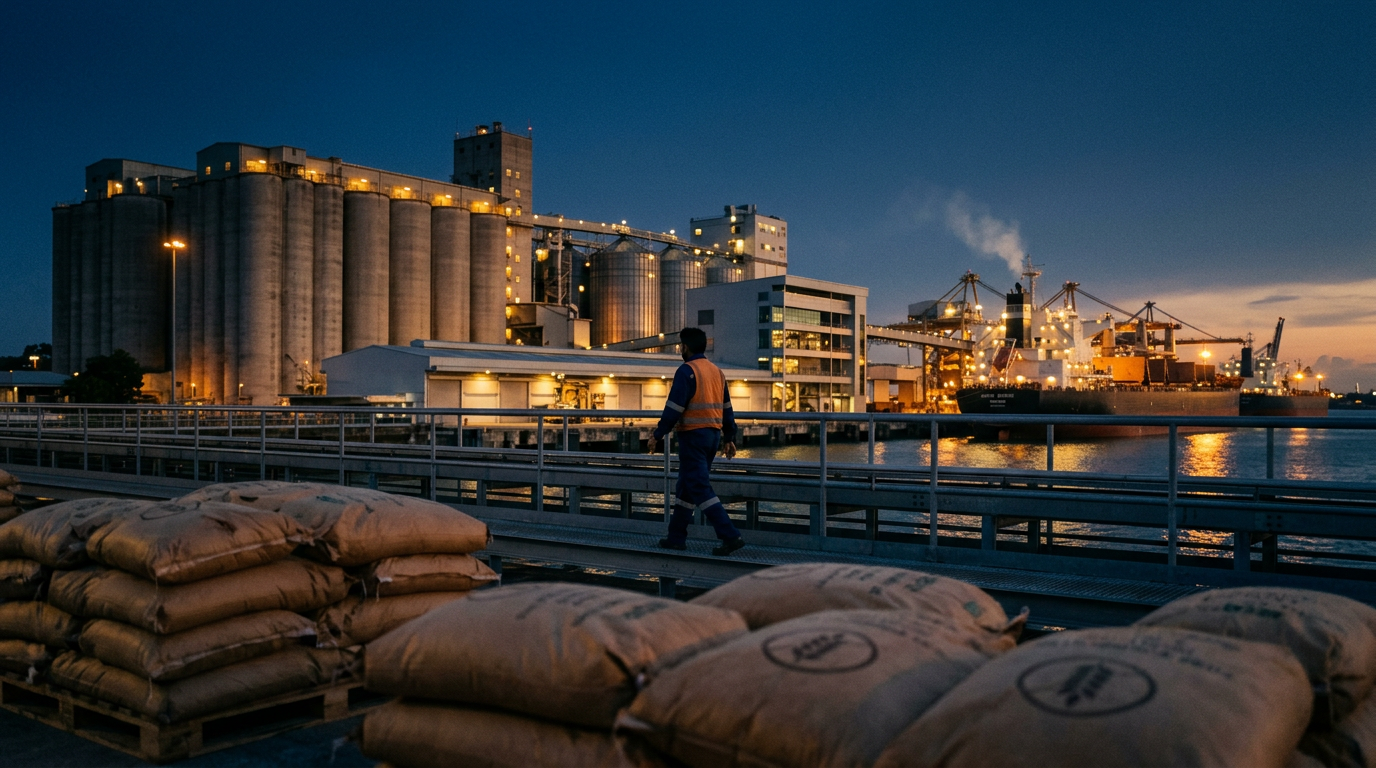
Vietnam reported that rice exports reached nearly $2.91 billion in the first eight months of 2026, according to the Ministry of Agriculture and Environment. This represents a 5% decrease in volume and a 10.7% fall in value compared to the previous year. While these figures reflect market fluctuations, they also fit into a much larger and more significant pattern for Vietnam and its ASEAN neighbors: the complex trade relationship with China.
Trade Deepens, Dependency Grows
The structure of ASEAN-China trade has evolved significantly over the past two decades. For agricultural producers like Vietnam, China is not just another market; it is often the largest and most accessible one. This proximity and scale make deep trade integration with China an economic reality. As detailed in "ASEAN Rising," the core issue for governments is no longer about the choice to engage with China, but about how to handle the resulting dependency while preserving strategic flexibility. The reliance on a single, powerful trading partner for key agricultural exports creates both economic opportunities and vulnerabilities.
Institutions and Infrastructure
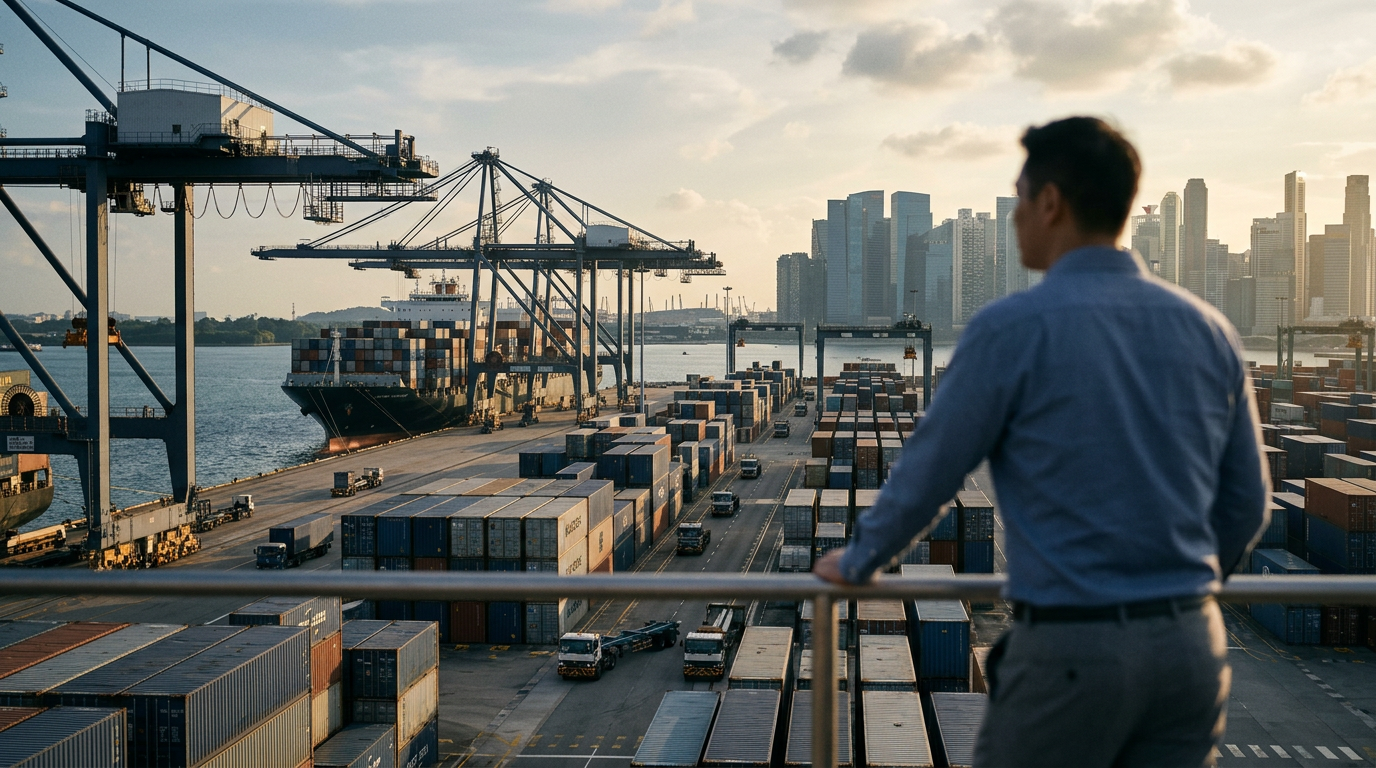
To manage this dependency, ASEAN members are focusing on building robust institutions and infrastructure. For Vietnam, this means improving the execution of its trade policies and investing in infrastructure that can support a diversified export strategy. This includes modernizing ports, improving logistics networks, and ensuring that its customs and quarantine institutions can meet the standards of multiple international markets, not just China. The goal is to reduce transactional friction and open up new channels for its rice and other agricultural products. Building the institutional capacity to enforce quality standards and trade agreements is fundamental to this effort. Without strong execution, even the best-laid plans for diversification will falter.
Beyond Rice: Capital and Talent
The challenge extends beyond the trade in goods. Managing the relationship with China also involves attracting capital and developing talent in a way that supports long-term economic sovereignty. For Vietnam, this means channeling investment, including from China, into sectors that build productive capacity and create high-skilled jobs. It also requires cultivating a talent pool with the expertise to navigate the complexities of international trade law, logistics, and finance. The development of human capital is essential for moving up the value chain, transforming Vietnam from a simple supplier of agricultural commodities into a more sophisticated economic actor. This approach turns the passive reality of trade depth into a proactive strategy of managed interdependence.
What to watch next is how Vietnam and other ASEAN states institutionalize their trade diversification strategies. Pay attention to cross-border infrastructure projects that do not solely lead to China, the specific terms of new bilateral trade agreements with countries beyond the immediate region, and domestic investments in agricultural technology and logistics. These are the quiet indicators of a region working to maintain its strategic options in an era defined by deep economic ties with its northern neighbor.