Singapore
Singapore
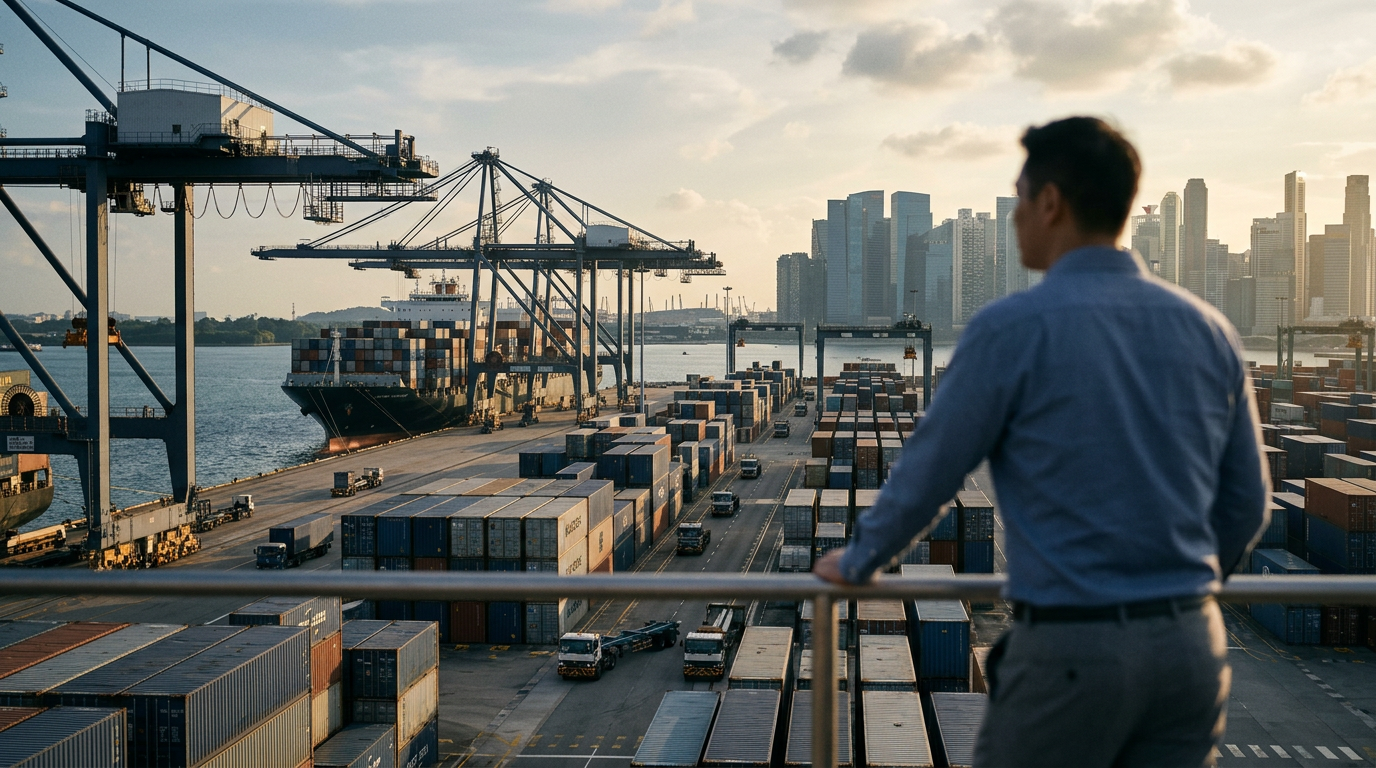
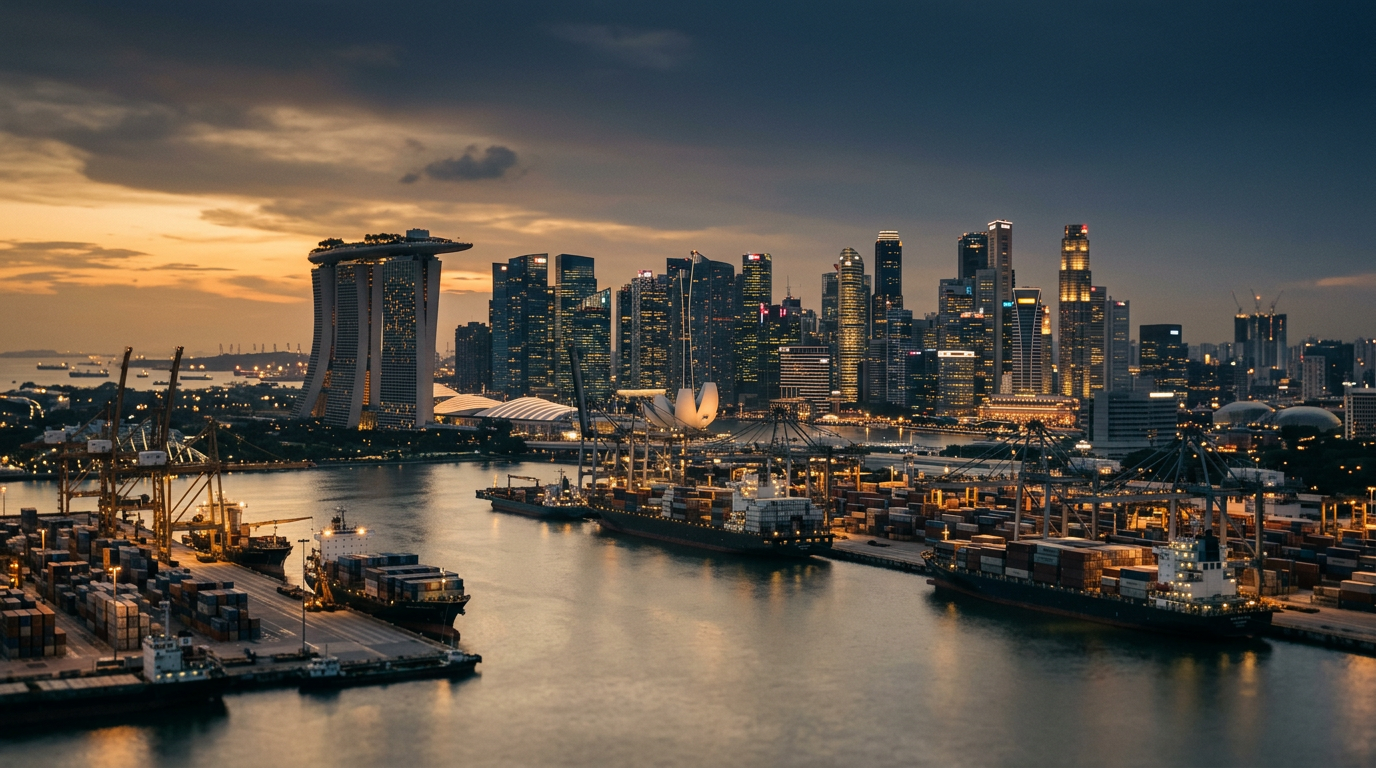
A high-profile court case in Singapore involving a major iron ore trader highlights the island state's institutional strengths and its role as a hub for managing complex commercial relationships, including those tied to China.
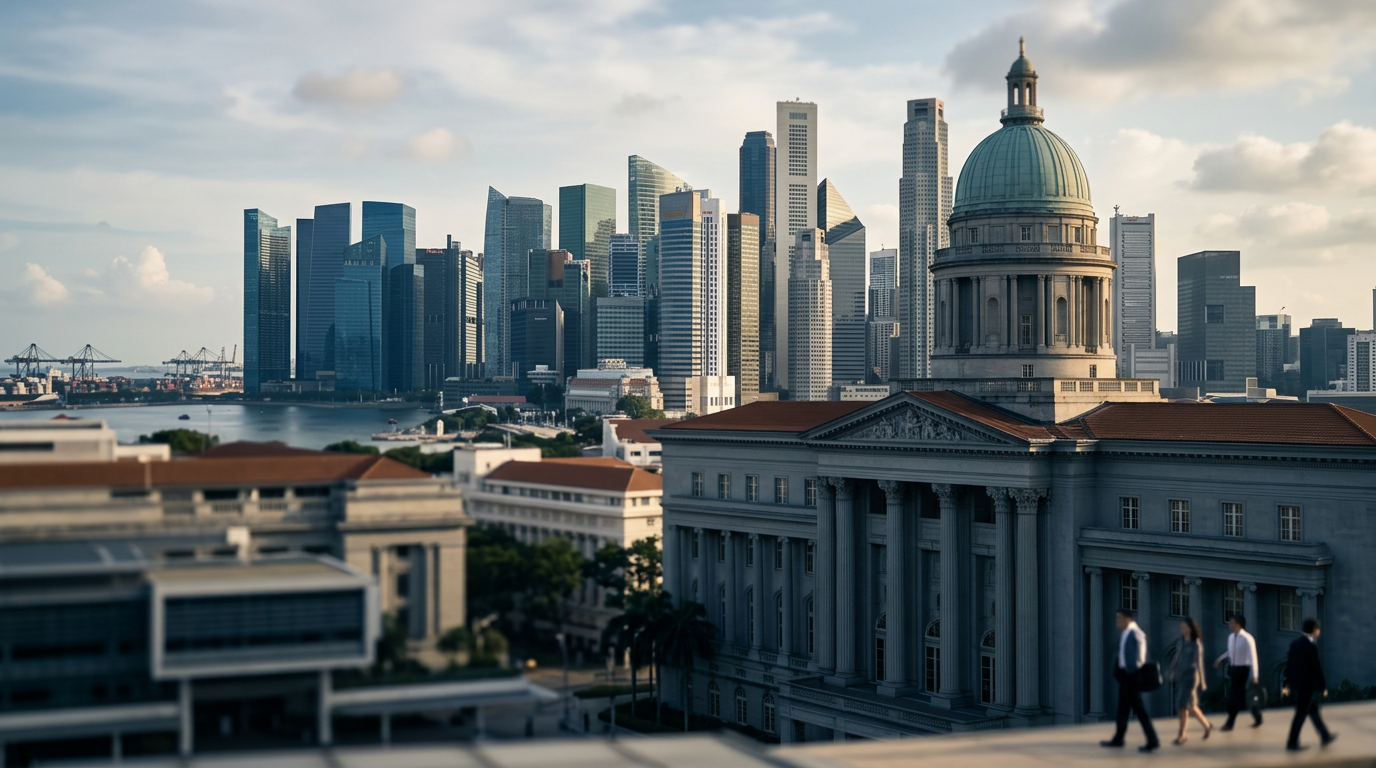
A recent court case in Singapore, initiated by Japan's Mizuho Bank against the local operating entity of iron ore trader Radiant World, has drawn attention to the city-state's legal and financial institutions. As reported by e.vnexpress.net, the dispute involves one of the world's largest iron traders and unfolds within Singapore's Supreme Court, showcasing the country's role as a key venue for international commercial dispute resolution.
Institutions as a Strategic Asset
Singapore's development model is built on a foundation of strong, predictable, and transparent institutions. The decision by a major Japanese bank to use the Singaporean legal system to address a grievance with a large trading house, which has significant business tied to Chinese steel production, is a clear indicator of trust in these institutions. This is not a matter of chance but the result of decades of policy focused on establishing the country as a reliable hub for finance, logistics, and legal services. The case demonstrates the practical value of this strategy. International capital and trade flow through Singapore precisely because of the reliability of its legal framework. For businesses operating across the complex ASEAN and global landscape, this predictability is a valuable asset, reducing risk and providing a stable platform for commerce.
Managing Dependency and Optionality
The case also offers a glimpse into the intricate economic relationships that define the region. Iron ore is a primary input for steel, a sector deeply intertwined with China's industrial economy. While the specifics of the case are between the bank and the trader, the context is the vast, interconnected supply chain that links global commodity producers with Chinese industrial consumers, often financed and managed via Singapore. This situation reflects a core theme from ASEAN Rising: the deep and structural nature of the region's economic ties with China. The book notes that for ASEAN governments and businesses, the objective is "how to manage dependency without losing optionality." Singapore's institutional strength provides one method of managing this dependency. By offering a neutral, rules-based venue for resolving disputes, it allows firms from Japan, China, and elsewhere to engage in complex commercial arrangements with greater confidence. The Singaporean state does not eliminate the risks of deep engagement with a single, large economic partner, but its institutional framework helps to manage those risks.
The Role of Trust
Underpinning the legal and financial systems is the element of trust. A sophisticated global bank like Mizuho would not resort to a foreign court if it did not have a high degree of confidence in that court's impartiality and effectiveness. This trust is hard-won. It is built not only on written laws but also on the consistent and predictable execution of those laws. The Radiant World case, whatever its outcome, will be another data point affirming Singapore's status as a high-trust jurisdiction in a region where personal relationships can often supersede institutional processes. This institutional trust is Singapore's core competitive advantage and a key reason for its success as a global and regional business hub. It provides the stability necessary for capital to be deployed, for contracts to be honored, and for disputes to be resolved in an orderly manner, benefiting the entire regional economy.
What to watch: The progress of this court case through the Singaporean legal system will be observed by international businesses and legal experts. Observers will be looking for how the institutions handle the complexities of a major international trade dispute. The final judgment and its enforcement will reinforce perceptions about the reliability of Singapore as a premier jurisdiction for managing commercial risk in Asia.