Malaysia
Malaysia
Malaysia's Budget 2027 proposal for the semiconductor industry highlights a deep-seated challenge for ASEAN: how to manage economic dependency on China while building national industrial capacity.
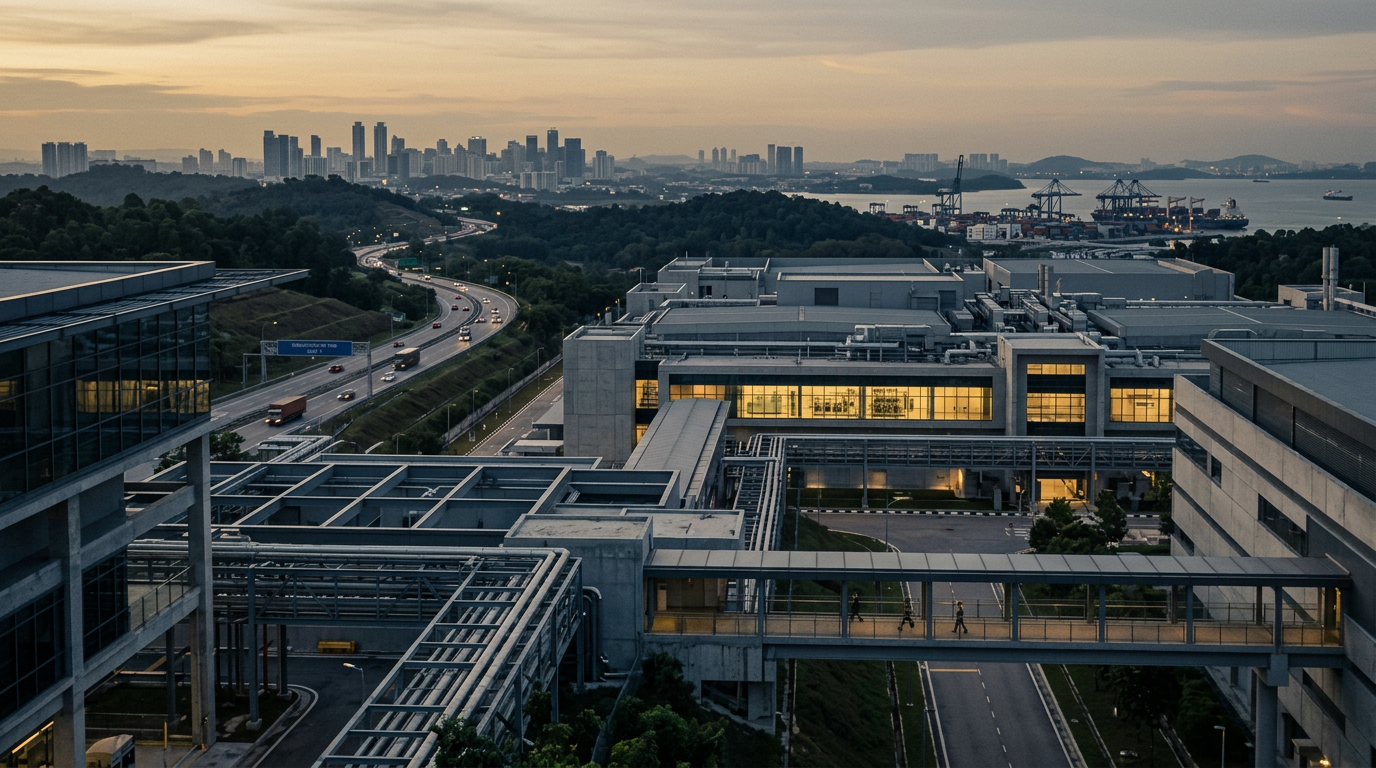
Malaysia's Ministry of Investment, Trade and Industry (Miti) has proposed 11 initiatives for the country's Budget 2027, aimed at boosting the semiconductor sector and growing exports. The move, reported by Malay Mail, signals a proactive push to solidify Malaysia's position in the global electronics supply chain. While the proposal is national in scope, it reflects a broader ASEAN-wide dynamic of leveraging industrial policy to navigate complex economic relationships, particularly with China.
Institutions and Infrastructure
Malaysia's budget proposal is a classic example of state-led industrial policy. By seeking dedicated funds, Miti is using the national budget as a tool to direct capital towards a strategic sector. This approach requires robust institutional capacity to manage the funds effectively and ensure they translate into real-world industrial growth. The success of these initiatives will depend on the government's ability to execute its plans, from building new fabrication plants to upgrading existing infrastructure. This mirrors a regional trend where ASEAN governments are increasingly taking an active role in shaping their economic futures rather than leaving it to market forces alone.
Trade and Dependency
The push to expand Malaysia's semiconductor industry is also a response to the country's deep trade ties with China. As the book "ASEAN Rising" notes, for member states, "trade depth with China is now a structural feature, not a cyclical one." Malaysia, like its neighbors, benefits immensely from this relationship, but it also creates vulnerabilities. By investing in high-value sectors like semiconductors, Malaysia aims to move up the value chain and create a more balanced economic partnership with its largest trading partner. This is not about decoupling from China but about building a more resilient and sophisticated domestic industrial base that can better withstand external shocks and geopolitical shifts.
Talent and Capital
A successful industrial strategy requires more than just government funding; it needs a steady supply of skilled talent and private capital. The Miti proposal will need to be complemented by investments in education and training to ensure a pipeline of engineers and technicians. Attracting foreign direct investment will also be necessary, not just for the capital it brings but also for the technology and expertise that come with it. Malaysia's ability to cultivate a skilled workforce and create an attractive environment for both domestic and foreign investors will determine the long-term success of its semiconductor ambitions.
What to watch
Observe how Malaysia's semiconductor-focused budget initiatives are implemented and whether they attract the intended private investment and talent. Note whether other ASEAN nations follow with similar state-directed industrial policies in strategic sectors. The execution of this plan could offer a template for other member states on how to manage dependency on China by building up their own industrial capabilities and moving into higher-value manufacturing.