Philippines
Philippine Fuel Prices and the China Trade Dilemma
Manila's exposure to global oil shocks highlights a broader ASEAN theme: managing dependency on a single, dominant trade partner, China, without losing strategic flexibility.
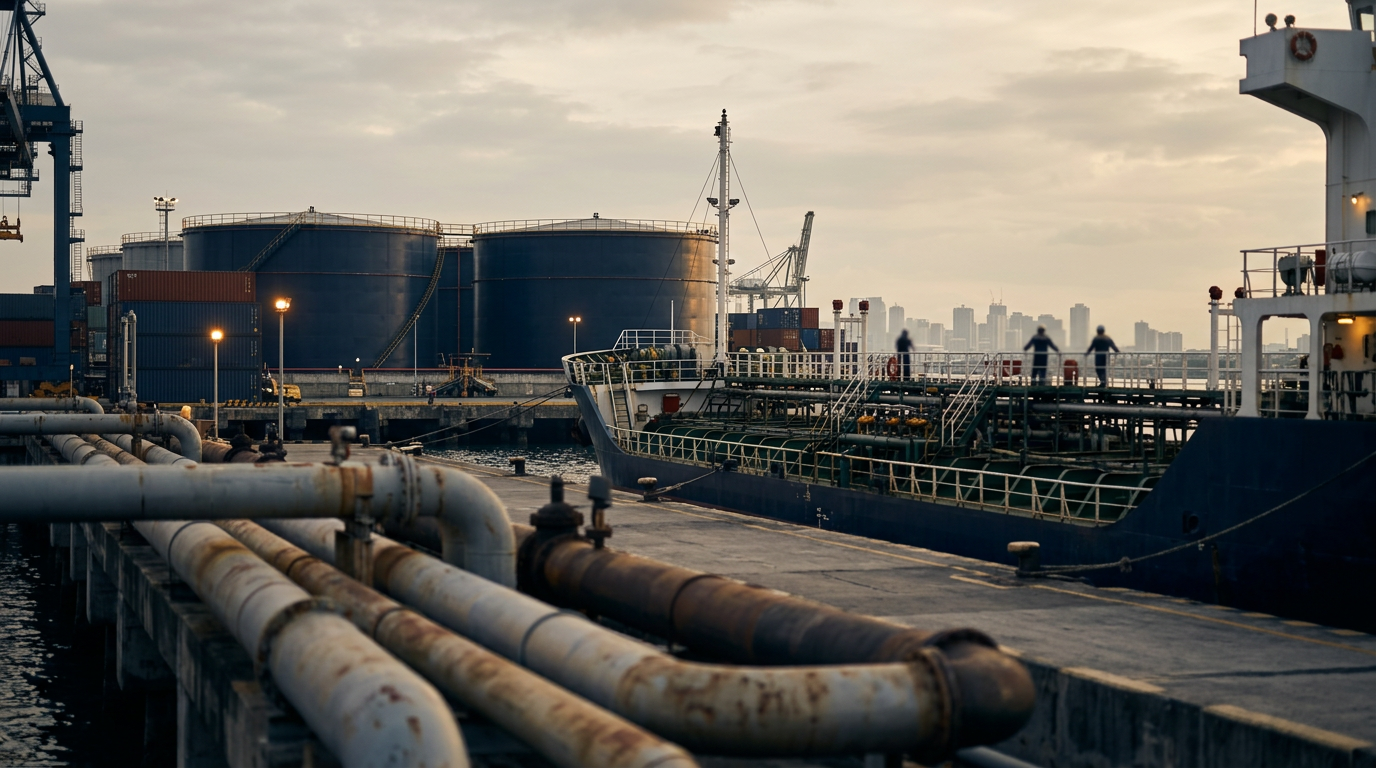
The Philippine Department of Energy is advising motorists to refuel ahead of a predicted oil price increase, as reported by philstar.com. This recurring vulnerability to global energy markets, intensified by distant conflicts, serves as a sharp reminder of the Philippines' economic exposure. It also mirrors a deeper, structural challenge facing the Philippines and its ASEAN neighbors: the complex trade relationship with China.
Energy Shocks and Trade Exposure
For an economy like the Philippines, a net importer of energy, sudden swings in global oil prices have immediate and significant consequences. They affect transportation costs, inflation, and the disposable income of households and businesses. This exposure is a function of the country's import dependency. While the current price pressure comes from traditional energy markets, it illustrates the risks of relying heavily on external sources for essential goods.
This dynamic is not limited to fuel. The Philippines, along with most of ASEAN, has a deep and structural trade relationship with China across a vast range of goods. This has delivered significant economic benefits, lowering costs for consumers and providing a massive market for exports. However, it also creates dependencies that can be tested by external shocks, whether they are geopolitical, economic, or, as with the oil market, related to supply chain security.
Dependency and Optionality
As Matthew Barsing notes in ASEAN Rising, the question for governments is no longer whether to engage with China, but how to manage the resulting dependency. The book argues that "trade depth with China is now a structural feature, not a cyclical one." For Manila, this means that while Chinese imports may not be the source of the current fuel price concern, the underlying economic structure of deep integration with a single large partner carries its own set of risks.
The challenge is to preserve strategic optionality. Over-reliance on any single partner for trade, investment, or critical goods can limit a nation's policy choices and make it vulnerable to shifts in that partner's economy or political posture. The Philippine government's efforts to diversify its energy sources find a parallel in the broader strategic need for ASEAN states to diversify their economic partnerships. This is not about reducing trade, but about building resilience through a broader network of trade and investment ties.
What to watch: Observers should monitor the progress of Philippine and ASEAN-wide initiatives aimed at diversifying trade partners beyond China. Pay attention to the practical execution of new trade agreements and infrastructure projects that connect ASEAN economies with markets in India, Europe, and the Americas, as these are the long-term indicators of a strategy to manage dependency and maintain economic flexibility.