Philippines
The Philippines Art Market Navigates China Ties
The recent expansion of the Philippine art market, highlighted by a major auction, takes place within a complex economic relationship with China that requires careful management.
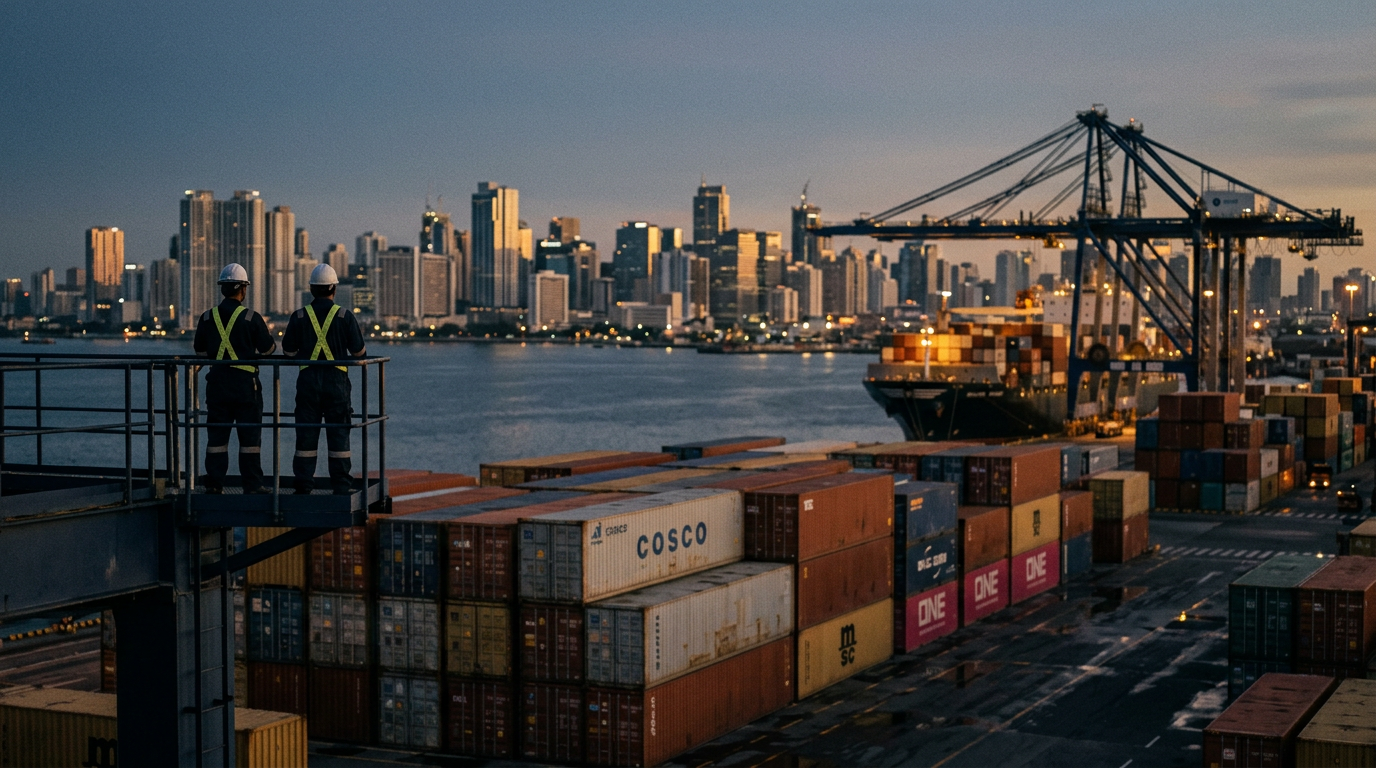
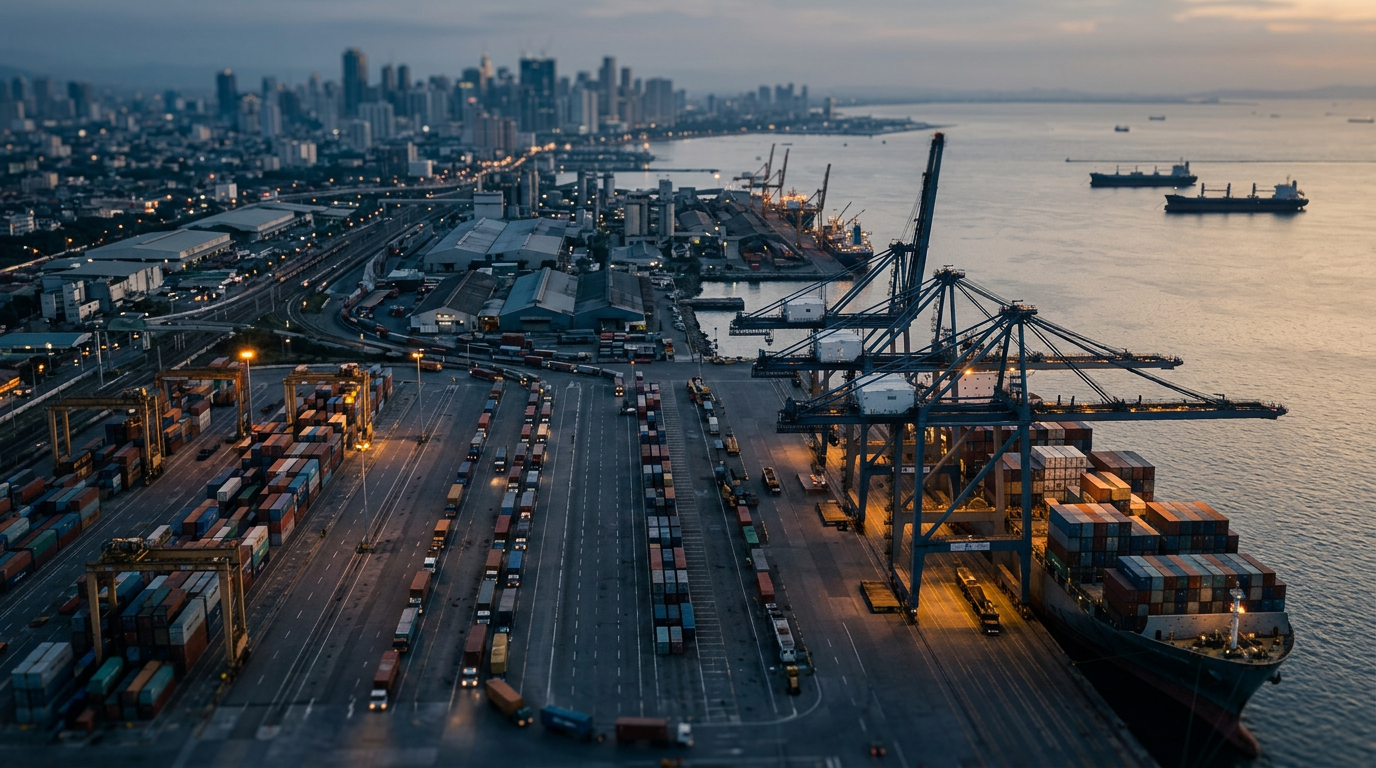
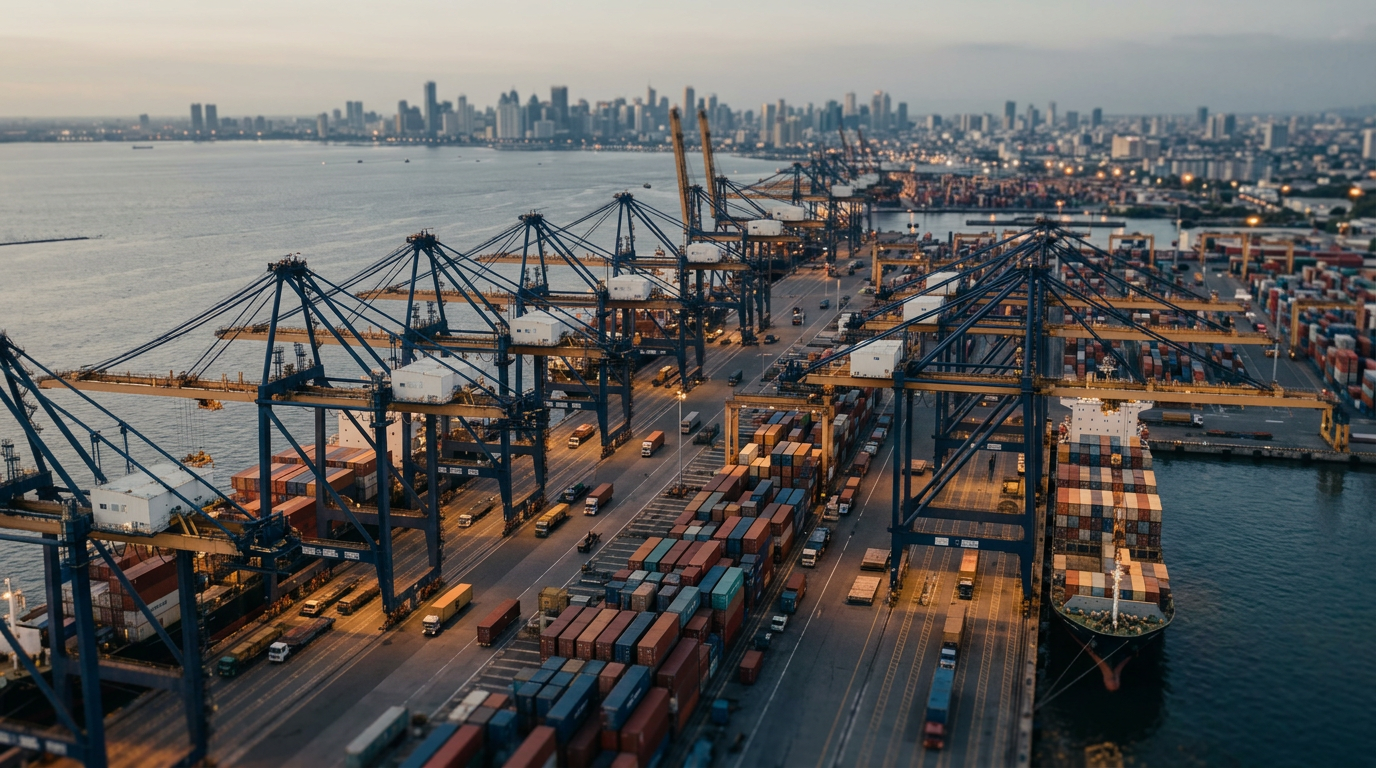
A recent high-profile auction at León Gallery in the Philippines, as reported by philstar.com, is bringing renewed attention to the country's art and antiques market. While on the surface a domestic cultural event, it unfolds within the broader economic context of the Philippines' deep and complex trade relationship with China. This dynamic, where cultural assets gain value while economic dependency on a single large partner grows, illustrates a wider regional theme.
Art, Investment, and Economic Fundamentals
The expansion of the market for fine art and historical artifacts is often a sign of growing national wealth and a maturing investment landscape. As capital accumulates, a portion of it naturally flows into cultural assets, which are seen as stores of value and markers of national identity. The success of auctions featuring rare Philippine art points to the existence of a confident domestic collector base with significant capital at its disposal. This confidence is built on the Philippines' sustained economic growth over the past decade. However, the foundations of this growth are tied to a regional economic structure heavily influenced by China.
Trade Depth and Strategic Questions
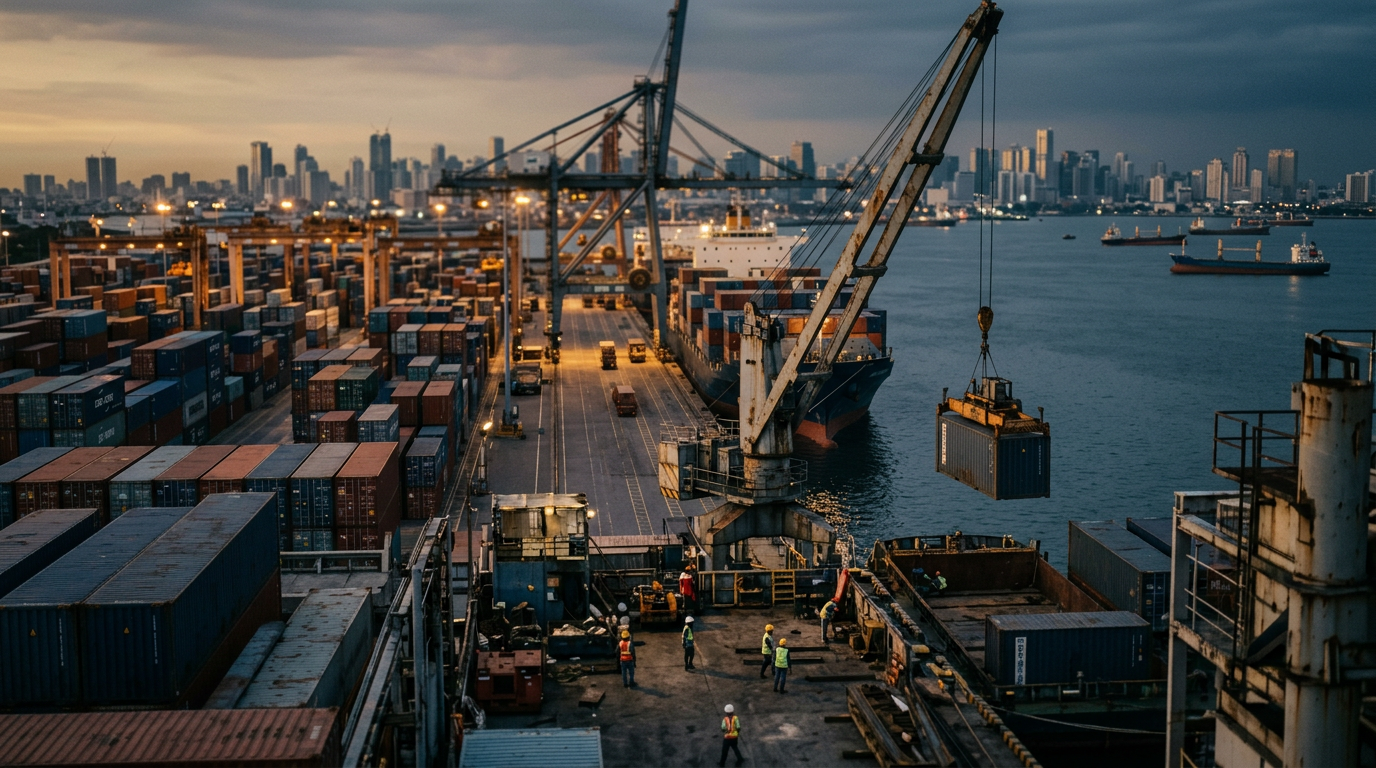
The Philippine economy, like many of its neighbors in the region, is deeply integrated with China. This integration is not just about the volume of goods exchanged; it is a structural dependency that shapes investment flows, supply chains, and infrastructure development. The book ASEAN Rising notes that for nations in the region, "trade depth with China is now a structural feature, not a cyclical one." The core issue for governments, including the one in Manila, is how to manage this dependency. The growth in domestic asset classes, such as the art market, is positive, but it does not alter the fundamental reliance on an external economic engine.
This economic reality exists alongside geopolitical and security tensions, particularly in the South China Sea. The Philippines has been vocal in asserting its territorial rights, creating a dual relationship with Beijing: one of合作 as a primary economic partner, and one of confrontation over maritime sovereignty. This balancing act requires careful institutional management to ensure that economic ties do not compromise strategic autonomy.
Managing Dependency
The challenge for the Philippines is to leverage the economic benefits of its relationship with China to build a more resilient and diversified domestic economy. Stronger institutions are needed to regulate foreign investments, ensure fair competition, and prevent corruption. Developing human capital and investing in national infrastructure are also essential to move the economy up the value chain. These steps can help reduce over-reliance on any single trade partner and create a more stable foundation for long-term growth. The flourishing art market can be seen as a small but significant indicator of a nation building its own cultural and economic capital, but the larger task of managing dependency remains.
What to watch: The key indicator to watch is not the headline figures from the art world, but how the Philippine government channels the proceeds of its China-fueled growth. Observers should monitor whether this capital is used to strengthen domestic institutions, diversify trade relationships, and make strategic investments in infrastructure and talent that increase the country's economic optionality over the long term.