Philippines
Mitsubishi, the Philippines, and the EV challenge
Mitsubishi Motors just held an environmental summit in the Philippines. This highlights a deeper question: how will ASEAN automakers manage the transition to electric vehicles, with Chinese firms dominating the low-cost segment?
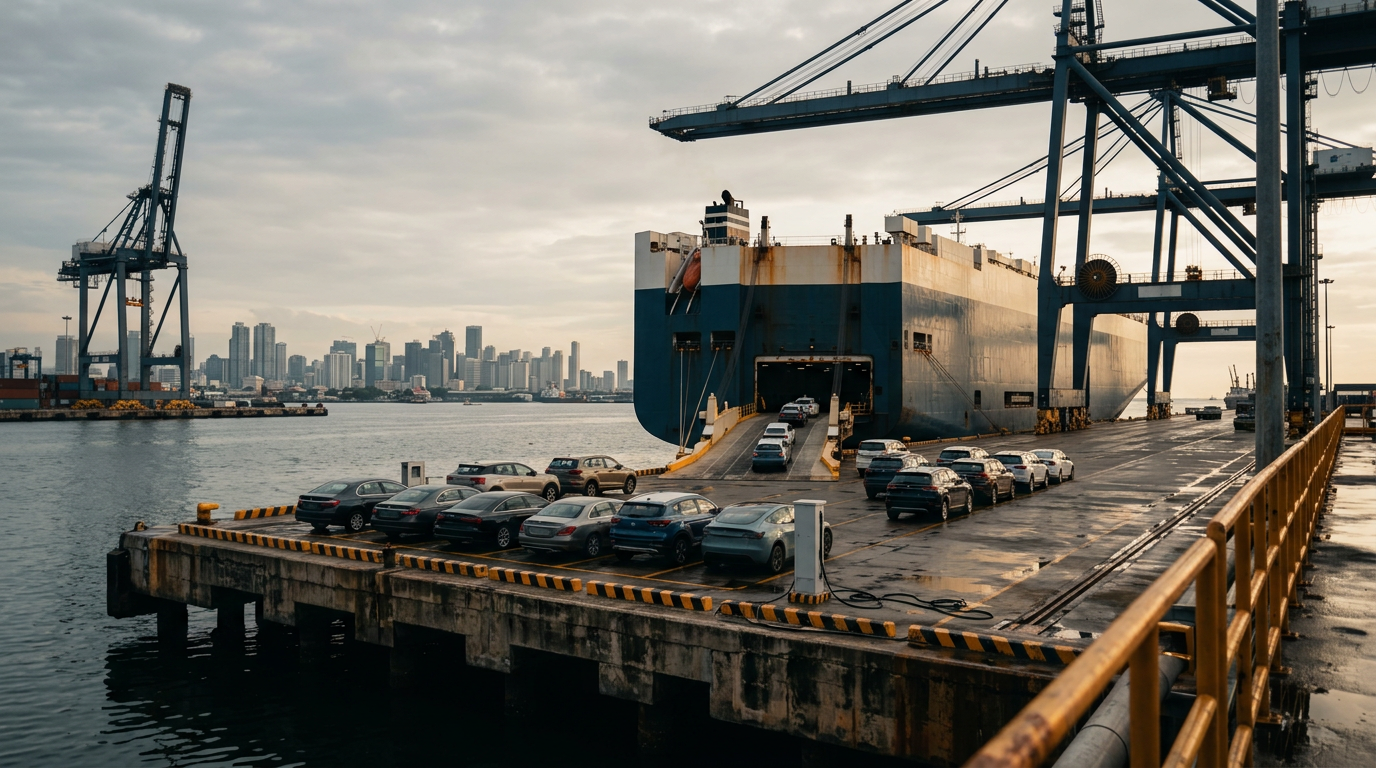
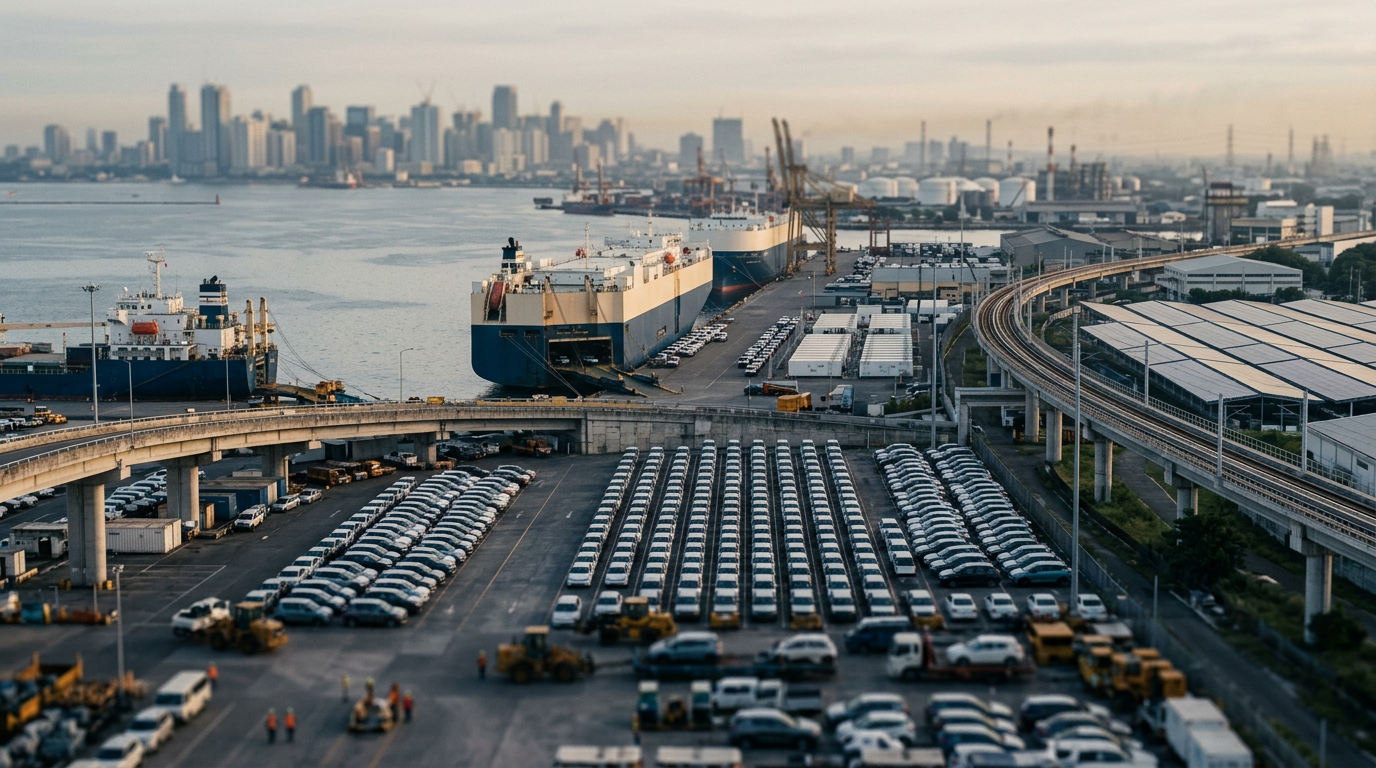
Japanese automakers have long dominated the Philippine market, and Mitsubishi Motors is no exception. Its recent 2026 Environmental Summit in Laguna, as reported by the Philippine Star, signaled a commitment to environmental sustainability, a theme resonating across the automotive industry. Yet, this event also casts a light on the immense strategic challenge facing legacy automakers in ASEAN: the transition to electric vehicles (EVs) in a market increasingly defined by Chinese competitors.
The Incumbent's Dilemma
For decades, Japanese brands like Mitsubishi built formidable positions in ASEAN through a combination of durable products, extensive local production facilities, and deep-seated supply chains. This required substantial capital investment in plants and infrastructure, tailored to the internal combustion engine (ICE). The pivot to EVs is not a simple retooling exercise. It demands a fundamental overhaul of this established ecosystem, from manufacturing processes to talent and aftermarket support.
The challenge is compounded by the fact that the ICE market remains profitable and retains a large, loyal customer base. A premature or poorly executed shift to EVs risks ceding this profitable ground while simultaneously failing to compete effectively in the new EV space. Automakers are thus caught in a balancing act: servicing their existing market while investing billions in a future where their historical advantages are less certain. This requires careful allocation of capital and a clear-eyed view of how quickly consumer preferences and regulatory environments will change.
China's Structural Advantage
The primary disruptive force is the rise of Chinese EV manufacturers. These firms, such as BYD, have built a commanding lead in battery technology, production scale, and cost structure. They are not burdened by legacy ICE infrastructure. Instead, their operations were designed from the ground up for EV production, giving them a significant structural advantage. As a result, they can offer feature-rich EVs at price points that are difficult for incumbents to match.
This dynamic mirrors a broader theme discussed in "ASEAN Rising": the structural nature of the region's economic relationship with China. The book notes that for governments and industries, the central task is learning "how to manage dependency without losing optionality." For the auto industry, this means navigating a new reality where key components, and increasingly entire vehicles, are sourced from China. This creates a dependency that must be carefully managed to preserve the viability of local manufacturing and assembly operations, a cornerstone of industrial policy for countries like the Philippines and Thailand.
The Path for Execution
The response from legacy automakers and ASEAN governments cannot simply be to protect the old model. Instead, it must focus on execution in several key areas. For automakers, this involves strategic investments in joint ventures, localizing battery and component manufacturing where feasible, and developing products that cater to the specific needs and price points of ASEAN consumers. It also requires upskilling the existing workforce, transforming talent from an ICE-focused base to one proficient in EV technology and software.
For governments, policy will be a deciding factor. This includes creating a stable regulatory environment for EV adoption, investing in public charging infrastructure, and using investment incentives to attract high-value segments of the EV supply chain. The goal should not be to block competition, but to create conditions where local and international firms can build a competitive and sustainable EV ecosystem within ASEAN. What to watch: Keep an eye on the sales figures for both legacy ICE models and new EV entrants in key markets like Thailand, Indonesia, and the Philippines. Observe the policy responses from national investment boards, particularly regarding incentives for battery production and local assembly. Finally, watch for joint ventures or strategic partnerships between Japanese automakers and both local and Chinese technology firms, as these will be leading indicators of the evolving competitive landscape.