Vietnam
Vietnam's Durian Trade and the China Question
Vietnam's durian market is overheating, driven by insatiable demand from China. The dynamics of the durian trade offer a miniature case study in how ASEAN members can manage their growing economic dependency on China.
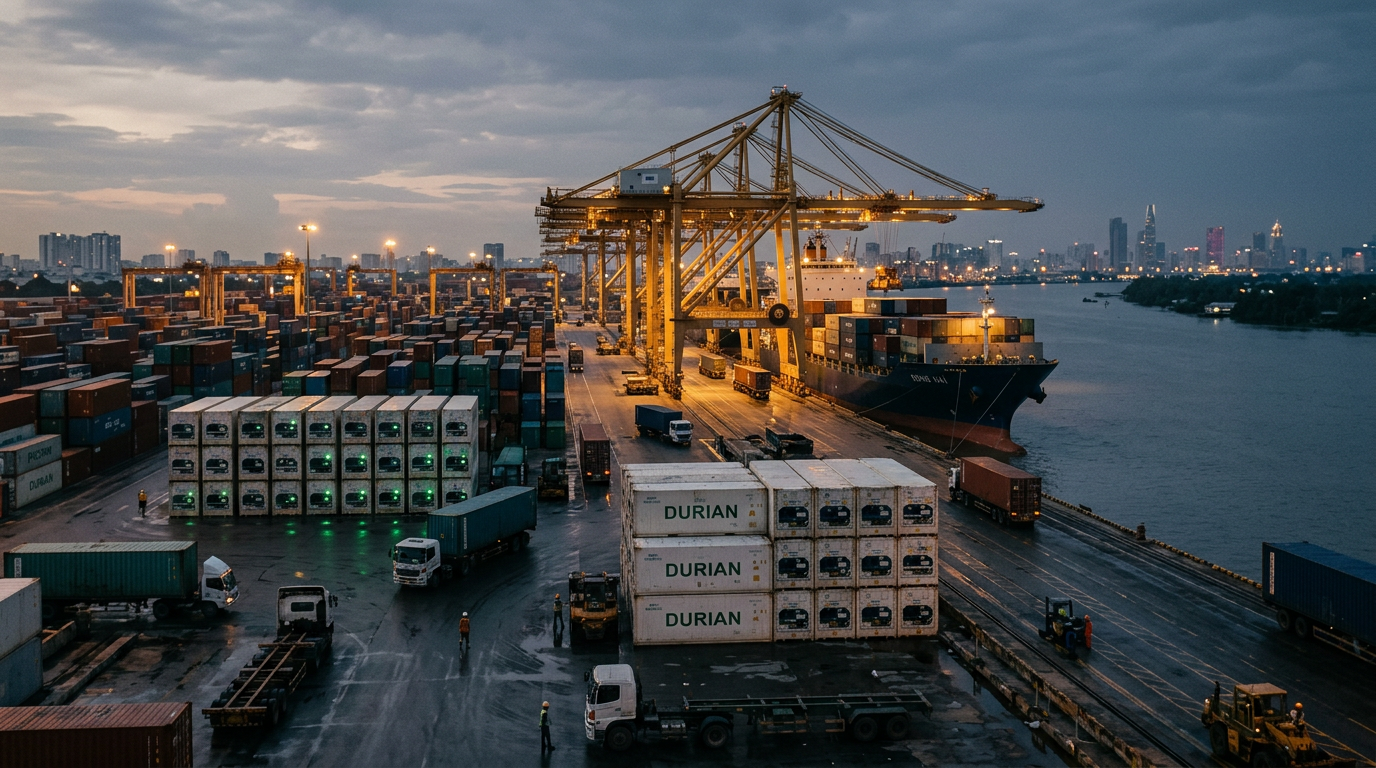
A surge in the price of Musang King durians in Vietnam highlights the profound impact of Chinese demand on ASEAN economies. According to a report from e.vnexpress.net, prices for the premium fruit jumped by nearly 56% over two weeks in Ho Chi Minh City. This price spike is not an isolated event but a direct consequence of Vietnam gaining official access to the Chinese market, a development that has reshaped the agricultural sector.
The Gravity of Trade
The durian boom illustrates a broader pattern of economic integration between ASEAN and China. As detailed in the book ASEAN Rising, this "trade depth with China is now a structural feature, not a cyclical one." For producers in Vietnam, this has meant a rapid and lucrative expansion. Farms are converting to durian cultivation, and the export value has soared. This is a clear manifestation of the economic gravity exerted by China, where a growing middle class has an appetite for Southeast Asia's products. The institutional framework, specifically the protocol signed between Vietnam and China, was the final piece needed to formalize and accelerate this trade relationship. Capital flowed into the sector, and the infrastructure for processing and shipping durians scaled up to meet the opportunity.
Managing Dependency
While the economic benefits are immediate, the situation also presents a clear case of managed dependency. The intense focus on a single crop for a single market creates vulnerabilities. Vietnamese authorities and businesses must now navigate the complexities of this relationship. The question is no longer about seeking engagement with China but about structuring it to retain economic and strategic flexibility. This involves building institutions capable of upholding quality standards, as seen with the issuance and monitoring of growing area codes required by China. It also requires developing the talent to manage sophisticated supply chains and trade relationships, ensuring that the short-term gains do not lead to long-term over-reliance. The trust that underpins this trade is built on reliable execution and adherence to mutually agreed-upon standards.
Beyond the Orchard
The dynamics of the durian trade serve as a microcosm of the larger strategic picture for Vietnam and other ASEAN members. The inflow of Chinese capital and the access to its vast market are transformative. However, this economic integration comes with inherent risks. A sudden shift in Chinese import policies, a change in consumer tastes, or a geopolitical disruption could have severe consequences for Vietnamese farmers and exporters. Therefore, the institutional capacity to diversify export markets, innovate in agricultural production, and manage the financial inflows from this trade is paramount. The goal is to harness the economic energy of China without becoming a captive supplier, ensuring that the benefits of today's boom are invested in a more resilient economic future.
What to watch
Observe how Vietnam's government and agricultural sector manage the institutional and infrastructural challenges of the durian boom. Pay attention to policy measures aimed at diversifying export destinations for durians and other agricultural products. Also, monitor whether the profits from this trade are reinvested into developing talent and infrastructure that supports a more diversified and resilient economic base, reducing reliance on a single commodity and a single market.