Vietnam
Vietnam's Tax Base and the China Trade Question
Trade with China presents both a structural reality and a strategic challenge for ASEAN members like Vietnam. The rise of globally competitive domestic firms, reflected in their growing tax contributions, is a positive indicator of economic resilience, but it does not erase the.
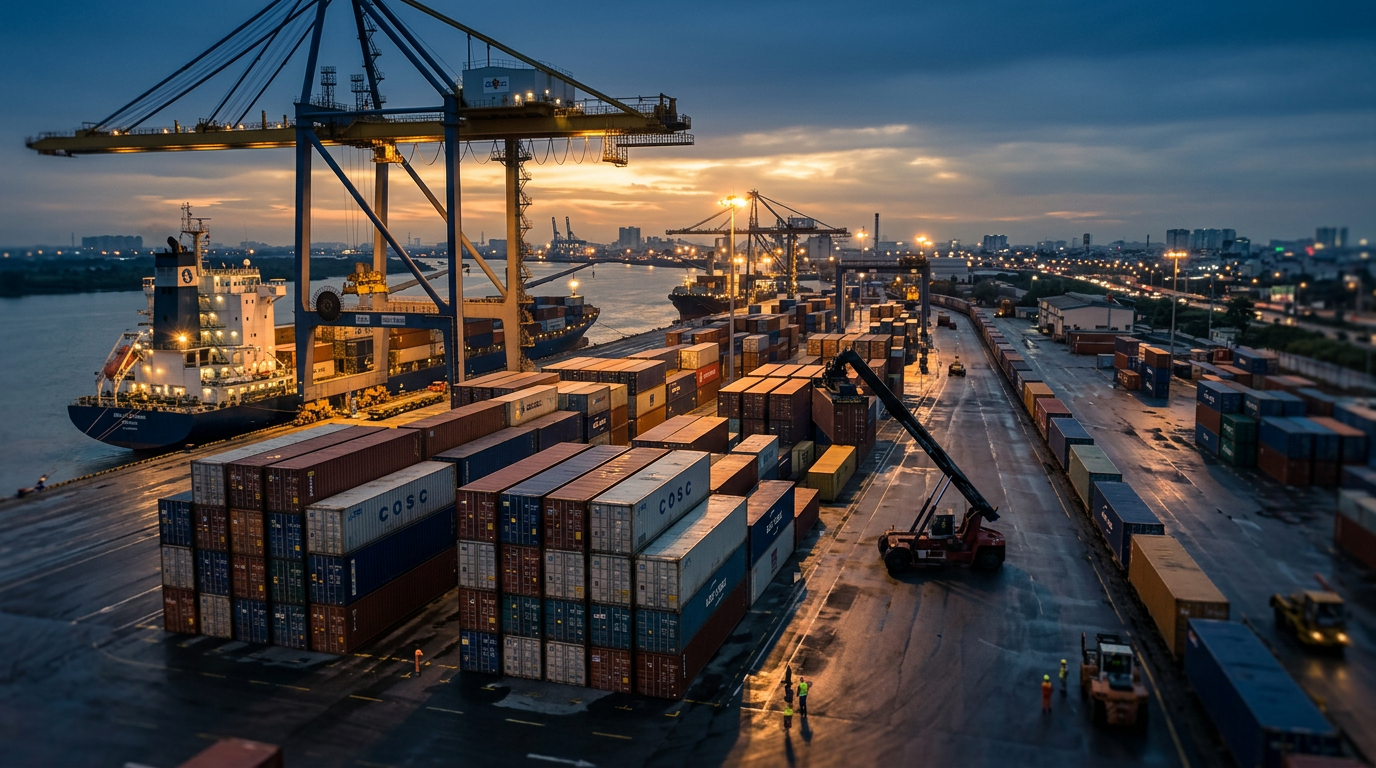
A recent report from VnExpress International highlighted the growing contribution of domestic enterprises to Vietnam's national budget, noting that Stavian Group, a diversified industrial holding company, now ranks among the country's 155 largest taxpayers. While a story about corporate tax rankings may seem purely fiscal, it opens a window into the institutional development and economic diversification that are central to managing ASEAN's relationship with its largest trading partner, China.
Institutions and Trade
The expansion of Vietnam's tax base is a testament to the strengthening of its state institutions. A consistent and broad-based tax collection system is a hallmark of a maturing economy, enabling the state to fund infrastructure, social programs, and industrial policy. This institutional capacity is the foundation upon which economic strategy is built. For ASEAN members, a robust domestic fiscal position is a prerequisite for navigating the complexities of deep trade integration with China.
As "ASEAN Rising" notes, the depth of trade with China is a structural feature of the regional economy. The policy debate is no longer about the merits of engagement but about the methods of managing the resulting dependency. Strong domestic institutions provide the state with the resources and the stability needed to make strategic choices, rather than being forced into reactive positions by economic necessity. The ability to fund infrastructure projects with domestic capital, for example, reduces reliance on external financing and the strategic concessions that often accompany it.
Diversification and Dependency
The success of a company like Stavian Group, with operations spanning from polymers to logistics, also points to a path for managing the dependency on China: economic diversification. While the report focuses on tax contributions, the underlying story is one of a Vietnamese enterprise achieving scale and competitiveness. This is a crucial element in balancing the trade relationship with Beijing.
A diversified economy with globally competitive domestic firms is less susceptible to shocks or pressures from a single trading partner. When a nation's industrial base is broad and its companies have access to multiple export markets, it gains what the book refers to as "optionality." This is the capacity to choose among different economic partners and strategies without being beholden to any single one. Vietnam's manufacturing sector, which has successfully integrated into global supply chains beyond China, is a case in point. This strategy does not aim to decouple from China- an unrealistic goal given the scale of the market- but to ensure that the relationship is one of interdependence, not over-dependence.
Talent and Capital
Underpinning this diversification is the development of local talent and the effective deployment of capital. The growth of large domestic enterprises is impossible without a skilled workforce and a financial system capable of channeling investment into productive sectors. Vietnam has made significant strides in education and workforce training, creating a talent pool that can support higher-value manufacturing and services. The rise of a significant private sector taxpayer base, as seen in the VnExpress report, demonstrates that domestic capital is being invested productively, generating returns for both shareholders and the state.
This accumulation of domestic talent and capital creates a virtuous cycle. It fosters innovation, enhances productivity, and strengthens the competitiveness of local firms. For the broader ASEAN region, this model is essential. The ability to nurture and retain talent, and to efficiently allocate capital, will ultimately determine how well member states can manage their structural relationship with China and secure their own economic futures.
What to watch
The key indicator to watch is not the headline trade numbers with China, but the underlying health of ASEAN's domestic economies. Observers should monitor the growth of the private sector tax base in member states, the diversification of export markets beyond China, and the level of investment in education and infrastructure. These metrics will provide a clearer picture of whether ASEAN nations are successfully building the institutional strength and economic resilience required to manage their most important trading relationship without sacrificing strategic autonomy.