
 Philippines
The Philippines Looks Beyond The China Market
Trade with China has been a growth engine for the Philippines. But to build a resilient national economy, the country must diversify its export destinations.
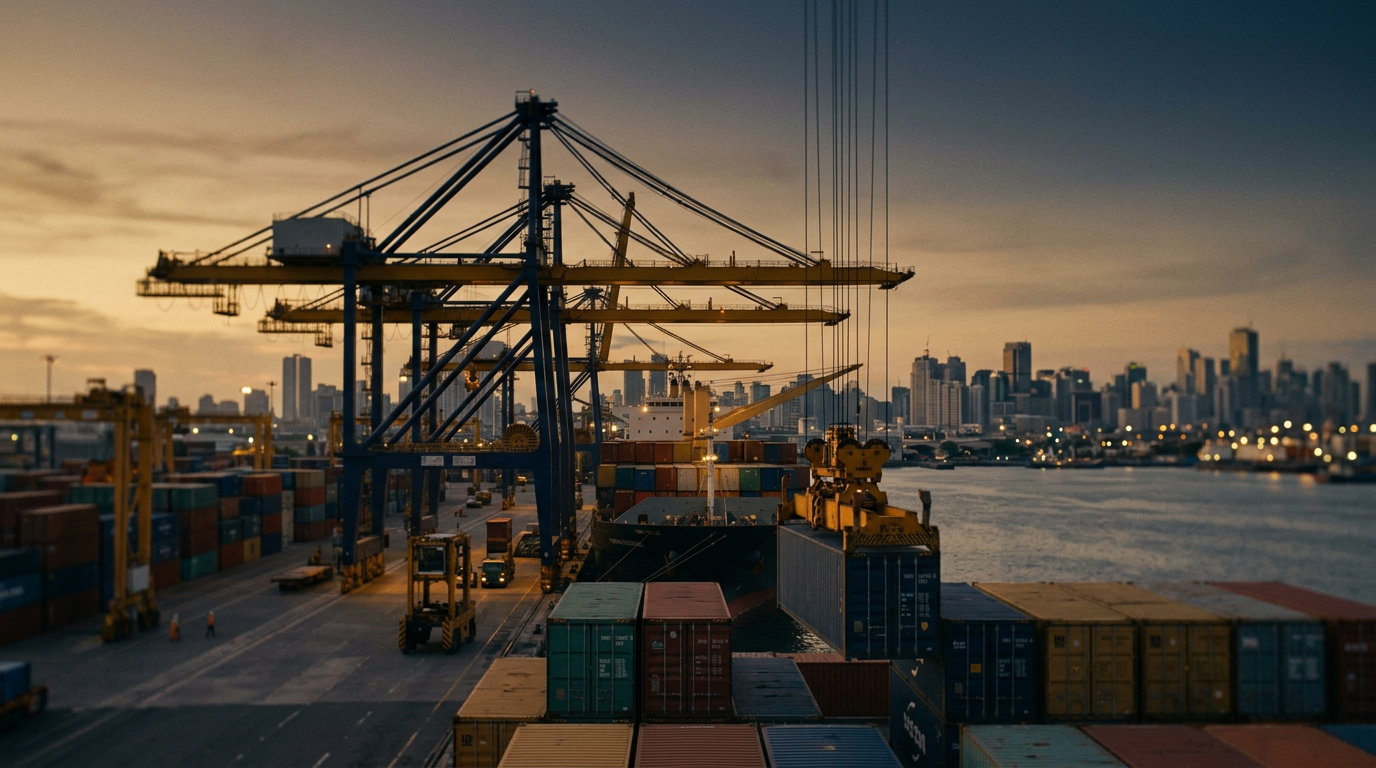
The Philippines has announced a successful first shipment of Carabao mangoes to Canada, with more plans to expand fruit exports to the United Kingdom, according to a report in philstar.com. While seemingly a small win, this development points to a larger strategic effort by the Philippines to diversify its trade relationships beyond its immediate region, particularly away from an over-reliance on the Chinese market.
Trade and Dependency
The Philippines, like many of its ASEAN neighbors, has benefited immensely from trade with China. This economic relationship has provided a ready market for Philippine goods, from electronics to agricultural products. However, this has also created a significant dependency. As outlined in "ASEAN Rising," the depth of trade with China is now a "structural feature, not a cyclical one" for the region. The core issue for governments is managing this dependency to maintain strategic flexibility and avoid being overly susceptible to shifts in a single market.
For the Philippines, this is not just an abstract economic concept. Over the past decade, geopolitical tensions, particularly in the South China Sea, have periodically spilled over into trade, with non-tariff barriers impacting Philippine agricultural exports like bananas. These incidents highlight the risks of a concentrated trade portfolio and underscore the importance of building robust alternative markets.
The Diversification Imperative
Developing new export destinations like Canada and the UK is a practical step toward mitigating these risks. It is a long-term play that involves building new institutional and logistical frameworks. Exporters must meet the stringent sanitary and phytosanitary standards of Western markets, which requires investment in talent and infrastructure at home. Certifications, quality control, and reliable cold chain logistics are all part of the execution required to make such initiatives successful.
These efforts to diversify are not about abandoning the China market, which remains a vital economic partner. Rather, it is about creating a more balanced and resilient export strategy. By expanding its footprint in North America and Europe, the Philippines can reduce its vulnerability to regional economic or political shocks. This diversification strengthens the country's economic sovereignty and provides a buffer against external pressures.
Capital and Infrastructure
Successfully entering and scaling in new, distant markets requires significant investment. For agricultural products, this means capital for modern farming techniques, processing facilities, and a seamless cold chain from farm to port to final destination. The government and private sector must work together to fund and build this necessary infrastructure.
While the initial shipments of mangoes to Canada are a positive sign, sustained success will depend on the ability to scale up production and logistics to meet demand consistently. This requires a national effort to improve the entire value chain, from farmer training to port efficiency. The trust built with Canadian and British consumers and regulators through these initial shipments is a valuable asset that must be maintained through consistent quality and delivery.
What to watch: The key metric to observe will be the growth in volume and variety of Philippine agri-food exports to these new markets over the next few years. Attention should also be paid to government and private sector investment in the cold chain infrastructure and processing facilities needed to support this export diversification strategy. Success will be measured not just in initial market entry, but in sustained, large-scale trade flows.


