Singapore
Singapore, Radiant World, and the Challenge of Commodity Trade
The legal issues facing Singapore-based Radiant World, a major iron ore and coal trader, bring into focus the institutional strengths and weaknesses of ASEAN commodity hubs. While the case seems contained, it highlights the constant need for robust governance to manage the.
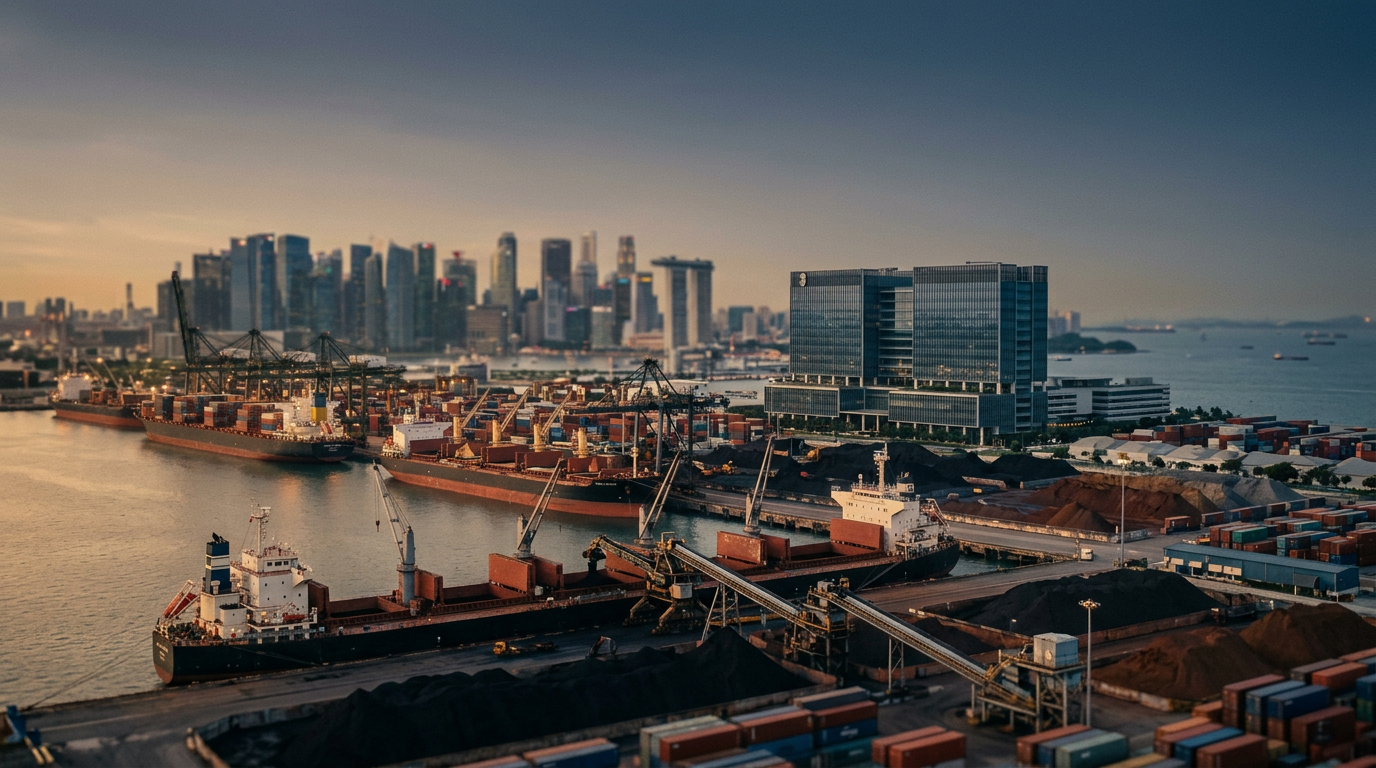
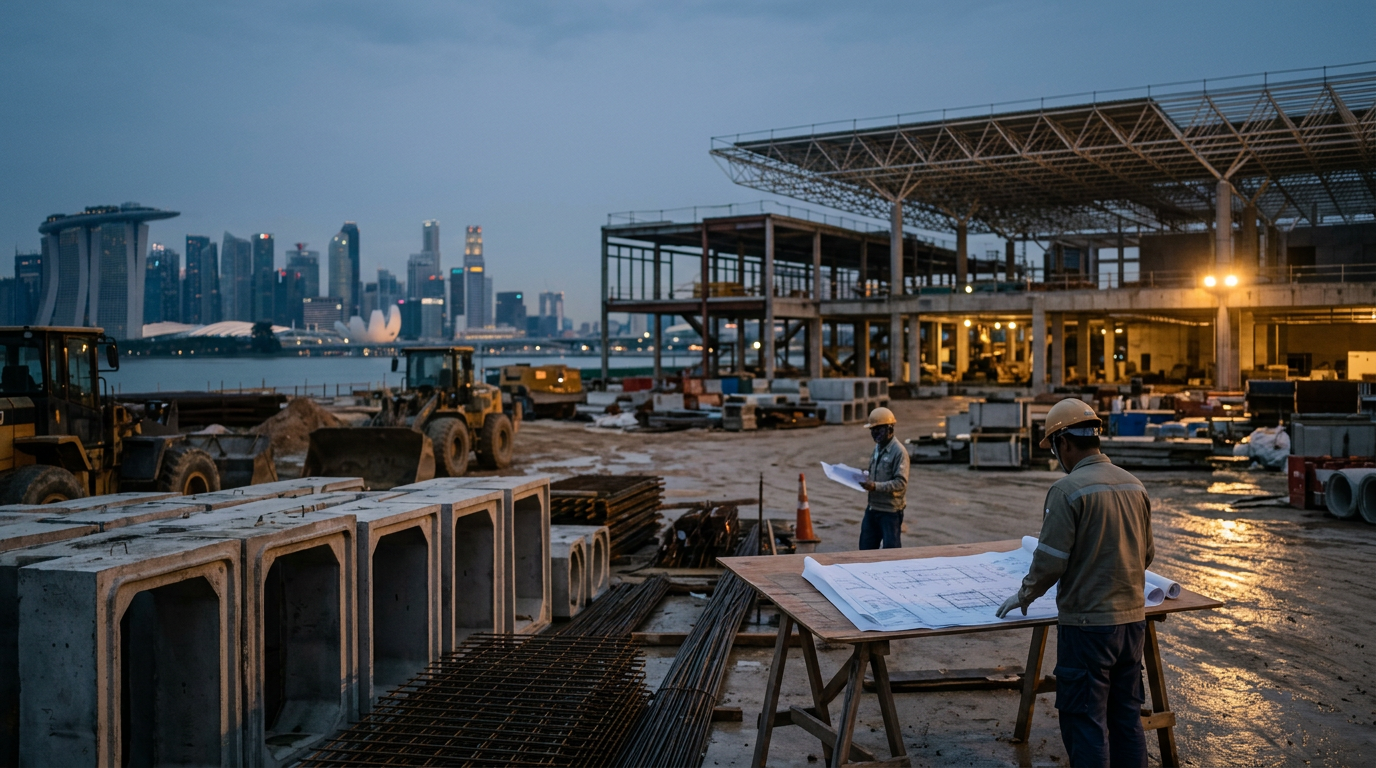
A recent report from the Straits Times has put a spotlight on the legal difficulties of Radiant World, a Singapore-based trader of iron ore and coal. The company's legal issues have led to a review of a scholarship it funds at UWC South East Asia. While government agency Enterprise Singapore is monitoring the situation, it has suggested a limited impact on the broader Singaporean commodities trading sector. The incident, however, serves as a useful case study for examining the institutional frameworks that underpin ASEAN's major commodity trading hubs.
Institutions and Trust
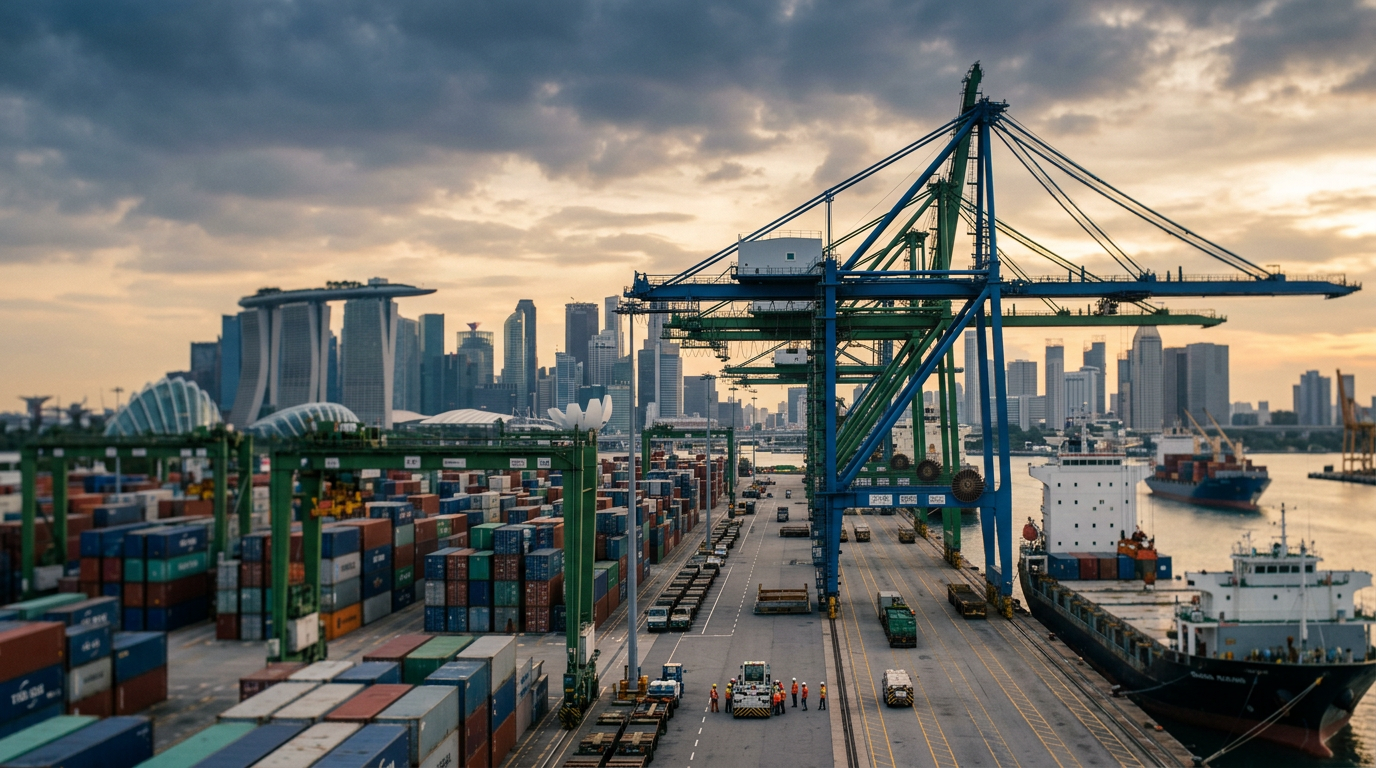
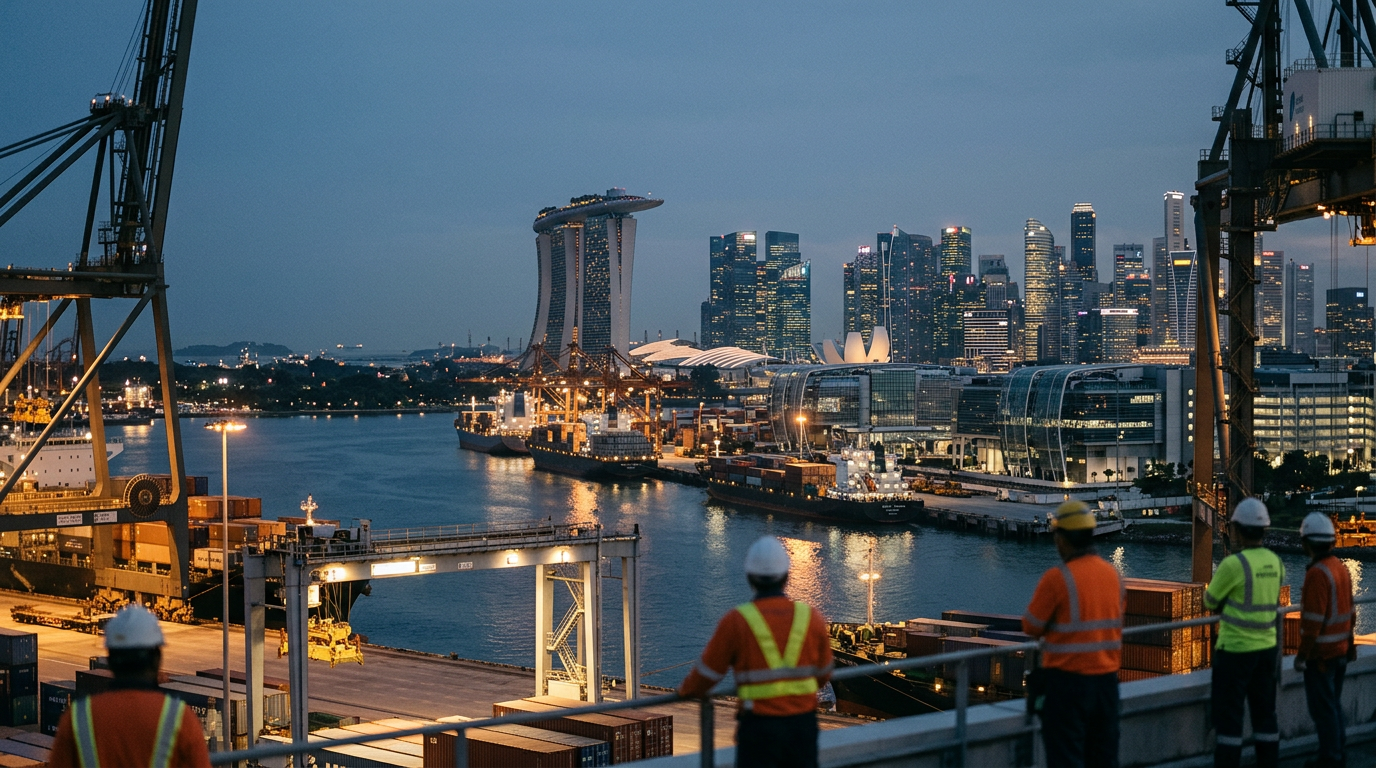
Singapore has built its status as a global commodity trading hub on a foundation of strong institutions and a high degree of trust. This includes a robust legal system, clear regulatory frameworks, and a reputation for contract enforcement. These elements are essential for attracting the massive flows of capital required to finance the physical trade of raw materials like iron ore. The Radiant World case is a test of this system. The ability of Singapore's legal and regulatory bodies to manage the fallout, ensure transparency, and hold relevant parties accountable is fundamental to maintaining the trust of global market participants. The government's response suggests confidence in the resilience of its institutional guardrails, but the situation underscores that even the most mature systems face constant tests.
Capital and Risk
The commodity trading business is notoriously capital-intensive. Traders operate on thin margins, relying on large volumes and sophisticated financing facilities to manage cash flow and risk. The legal problems confronting Radiant World illustrate the financial fragility that can exist beneath the surface of this high-volume business. Access to trade finance from major banks is the lifeblood of the sector. When a trader faces legal or reputational damage, financial institutions often move quickly to curtail credit lines, which can trigger a rapid liquidity crisis. This dynamic is not unique to Singapore; it is a structural feature of the global commodities market. For ASEAN trading hubs, it reinforces the necessity of having not just strong local banking partners but also a deep and liquid financial ecosystem capable of absorbing shocks when one participant falters.
China and Trade Depth
The case also has a wider geopolitical dimension, particularly concerning China. As a major trader of iron ore and coal, Radiant World is deeply embedded in the supply chains that connect resource producers, like Australia and Brazil, with Chinese industrial end-users. This reflects a broader regional reality outlined in the book ASEAN Rising: "Trade depth with China is now a structural feature, not a cyclical one." China is the dominant buyer for most major commodities, and traders operating from ASEAN hubs like Singapore are critical intermediaries in these flows. The challenge for these hubs is to facilitate this trade while managing the associated dependencies. A disruption involving a single trading firm, while perhaps not systemic, highlights the concentration risk tied to a single, dominant market. It raises questions about how ASEAN trading centers can foster diversification and build resilience in an environment where China's economic gravity is an inescapable force.