Philippines
The Philippines, Ukraine, and the Ube Trade: A Lesson in Dependency Management
A recent trade overture from Ukraine to the Philippines highlights a core theme of ASEAN economic statecraft: managing dependency. While China remains the dominant trade partner, new connections offer a path to greater strategic optionality.
A recent report that Ukraine is exploring imports of ube and other agricultural products from the Philippines offers a useful lens on the wider strategic challenges facing Southeast Asian economies. According to a report from philstar.com, this trade initiative is part of Ukraine's broader export strategy, signaling a desire to build new economic bridges even amidst conflict. For the Philippines, and for ASEAN as a whole, such unexpected overtures are opportunities to diversify trade relationships and manage economic reliance on any single partner.
Trade and Strategic Weight
For decades, the primary trade story for ASEAN has been the deepening integration with China. As detailed in the book "ASEAN Rising," this relationship has become a fundamental aspect of the regional economy. The core issue for governments is no longer about choosing whether to engage with their largest neighbor, but rather how to construct a sophisticated economic statecraft that prevents over-reliance. The goal is to build a portfolio of trade relationships that enhances, rather than constrains, national and regional autonomy.
Discussions with a distant partner like Ukraine, however small in initial value, fit perfectly within this framework. They represent a deliberate effort to broaden the field of economic partners. The Philippines, by exploring this and other non-traditional trade avenues, is practicing precisely the kind of dependency management that is essential for navigating the current geopolitical environment. It is a quiet form of economic diplomacy that builds resilience one trade deal at a time.
Institutions and Infrastructure
A trade relationship is more than just an agreement to buy and sell goods. It requires robust institutional support and physical infrastructure. Establishing a new agricultural export pipeline to Eastern Europe, for instance, necessitates alignment on customs procedures, phytosanitary standards, and payment systems. The Philippines Department of Trade and Industry and its Ukrainian counterparts will need to establish the formal institutional architecture to make the trade of products like ube viable and efficient.
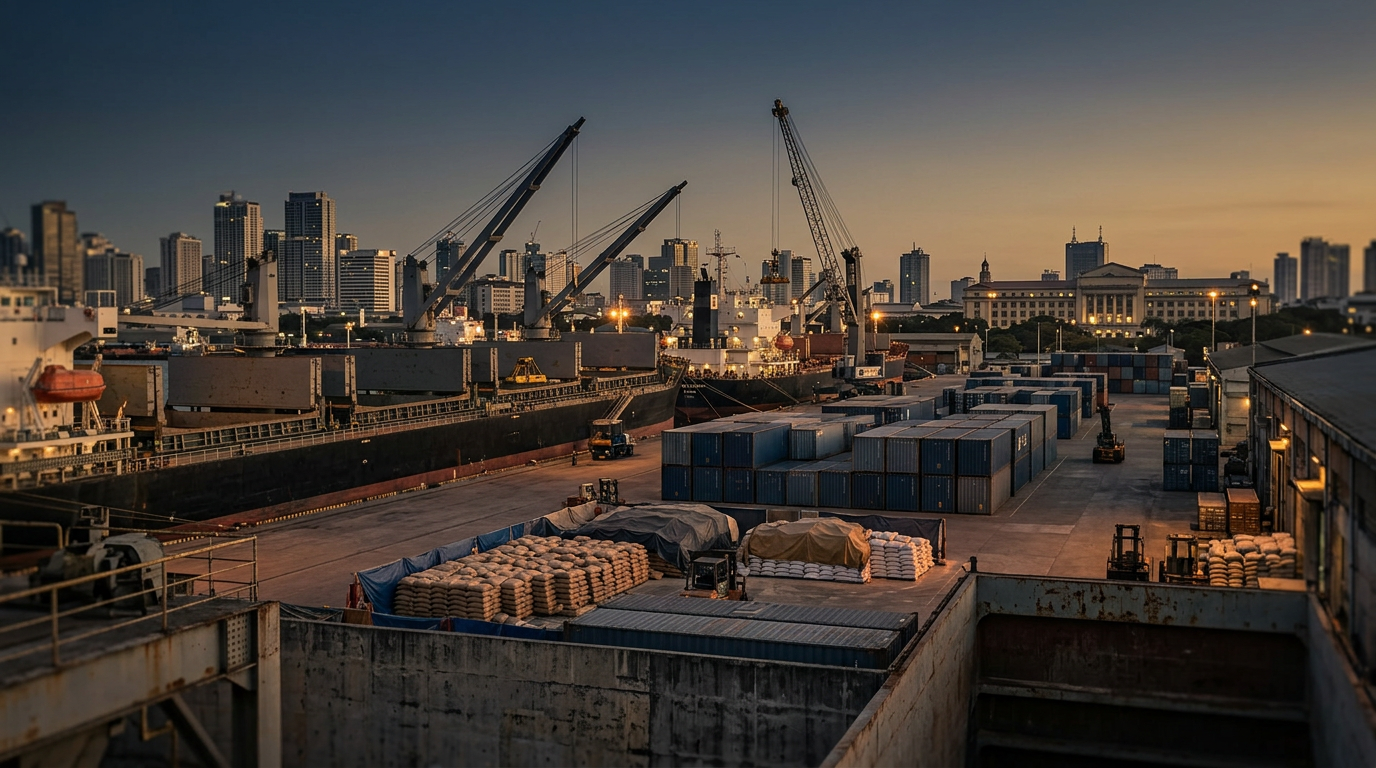
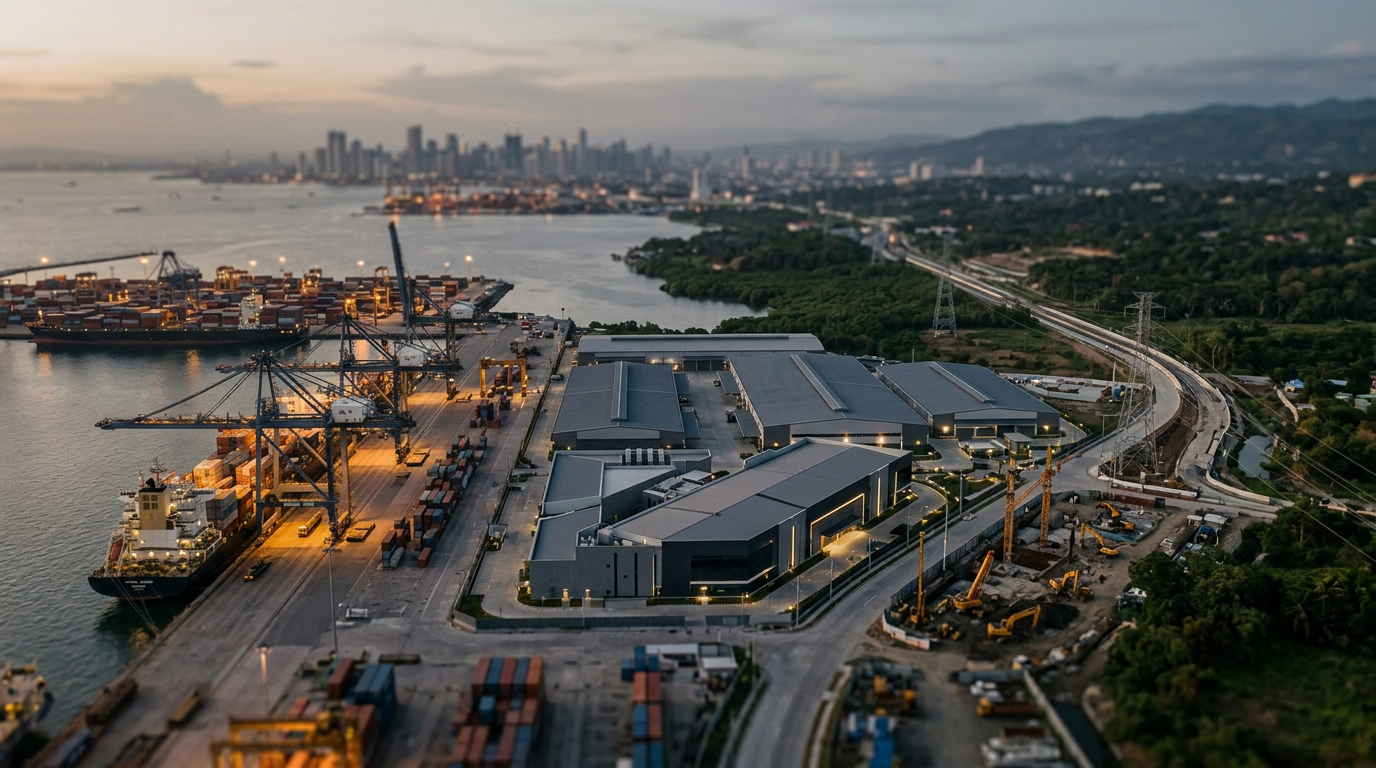
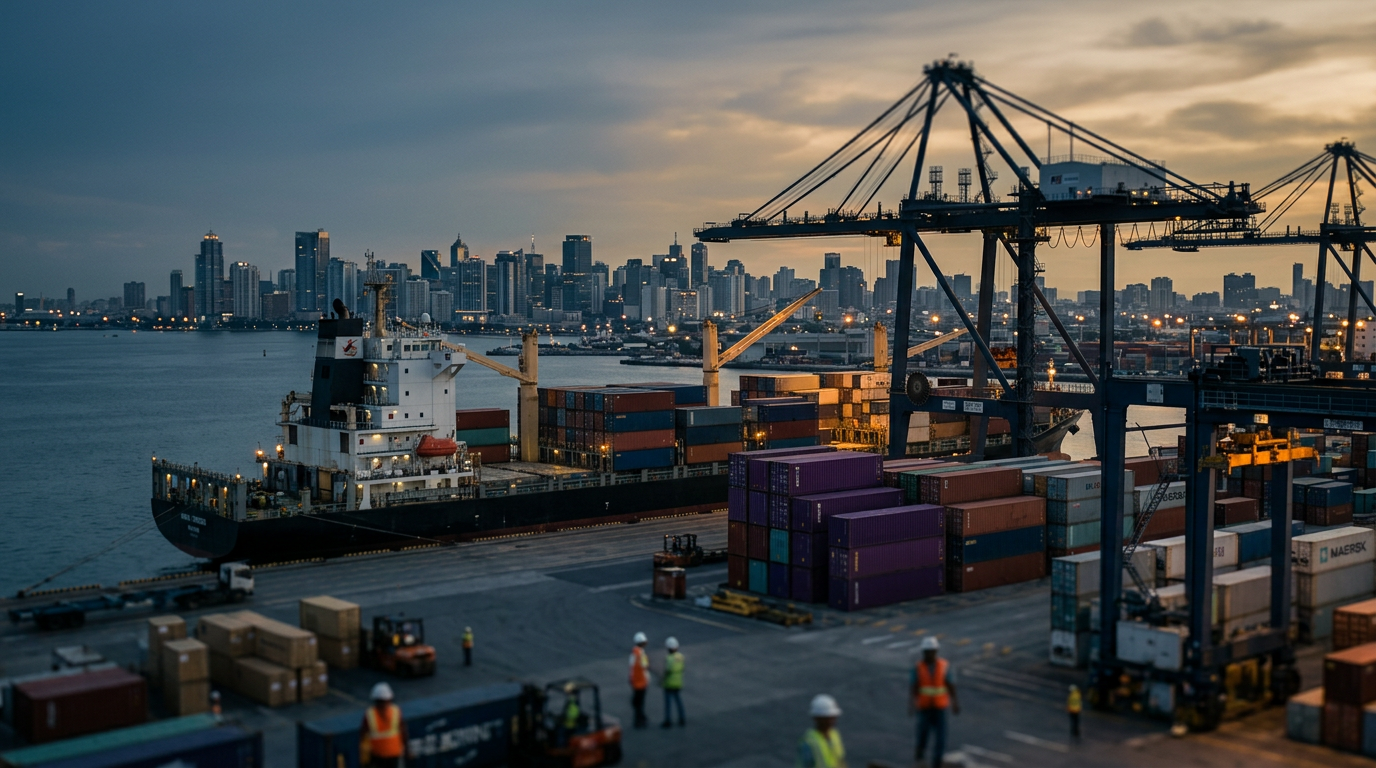
Furthermore, the logistics of moving perishable goods from Manila to Kyiv are not trivial. The transaction requires a dependable network of shipping, cold storage, and overland transport. This highlights the continuous need for investment in modern infrastructure. While China's Belt and Road Initiative has dominated the infrastructure narrative, the development of trade routes to Europe and other parts of the world is equally important for long-term economic security. The ability to execute complex, long-distance trade is a direct reflection of a country's institutional and infrastructural capacity.
What to watch: The key indicator of success for this initiative will not be the initial volume of ube shipped, but rather the establishment of formal trade agreements and the development of reliable logistics channels between the Philippines and Ukraine. Observers should monitor the specific steps taken by both governments to facilitate this trade, such as the signing of bilateral agreements or the announcement of new shipping routes. These actions will signal whether the initiative is a symbolic gesture or the start of a substantive, diversifying economic relationship.