Cambodia
ASEAN-India Trade Talks and the Shadow of China
As ASEAN and India upgrade their trade agreement, the background is the region's deep economic integration with China and the strategic imperative to diversify.
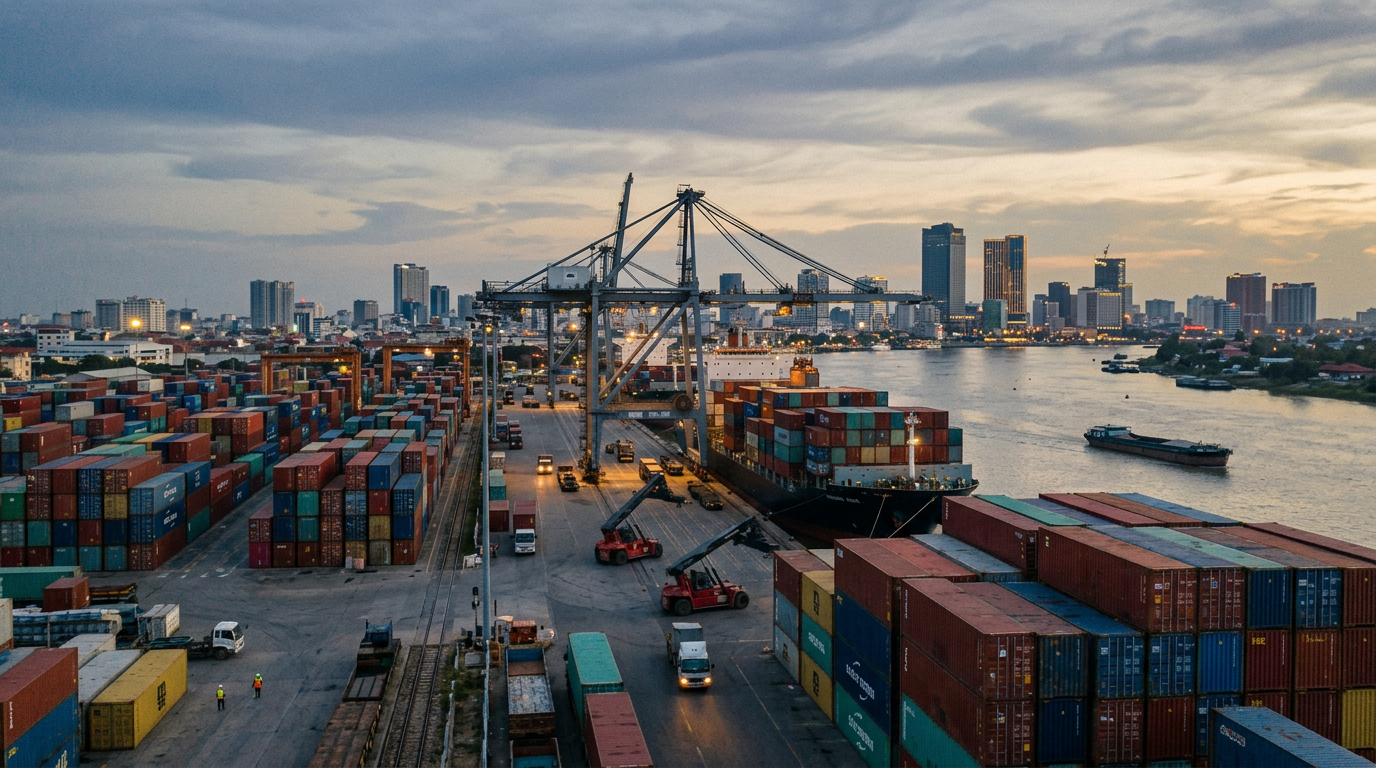
Economic ministers from ASEAN and India met in Manila on 22 September, co-chaired by officials from the Philippines and India, to review their existing trade in goods agreement. A joint committee reported that the ASEAN-India Trade in Goods Agreement (AITIGA), in force since 2010, is now slated for an upgrade. A joint media statement on asean.org noted the goal is to make the agreement "more trade-facilitative and mutually beneficial." This long-running effort to deepen trade with India comes as ASEAN states continue to manage their much larger and more complex economic relationship with China.
The China Constant
The economic architecture of Southeast Asia is built on a foundation of deep integration with China. As the book "ASEAN Rising" notes, this integration is a structural reality for the region. The sheer scale of China's economy and its proximity mean that its gravity is a constant force. For ASEAN governments, this is not a problem to be solved, but a condition to be managed. The core task is to sustain economic growth and capital formation that relies on Chinese demand and investment while preserving strategic autonomy. This is the context in which any ASEAN trade negotiation with another major partner, including India, must be viewed.
India as an Alternative Pole?
An upgraded AITIGA is part of a broader ASEAN strategy to build what the book calls "managed dependency without losing optionality." By strengthening trade and investment ties with India, the bloc can create a more balanced economic portfolio. India offers a continental-scale market and a growing source of capital and technology. While total trade with India remains far below that with China, it represents an important alternative growth pole. A modernized agreement could address non-tariff barriers, simplify rules of origin, and streamline customs procedures, making it easier for ASEAN-based firms to access the Indian market and for Indian capital to flow into regional infrastructure and manufacturing projects.
Institutional Execution
The success of this diversification strategy rests on institutional execution. The review of the AITIGA has been a multi-year process. The joint committee has been tasked with finalizing its terms of reference for the negotiations, with a quarterly reporting schedule to the main AITIGA Joint Committee. This methodical, consensus-based approach is typical of ASEAN-led initiatives. It is designed to ensure all member states are aligned, but it can also be slow. The ability of ASEAN and Indian institutions to conclude and then effectively implement a modernized, high-quality trade agreement will be a measure of their capacity to build a meaningful economic counterweight.
What to watch: The timeline for the AITIGA upgrade will be an indicator of how quickly both sides can move from consultation to execution. The specific provisions in the final agreement on trade facilitation, rules of origin, and investment will determine whether the upgraded pact can generate significant new trade and investment, or if it will be a more modest, symbolic adjustment to the existing framework. How ASEAN businesses and investors respond to any new arrangements will be the ultimate test of its success.