Philippines
The EV Transition and the Allure of Chinese Capital
The recent investment by GAC in the Philippines' EV sector is not just a commercial deal. It is a strategic move that reflects the deep, structural economic ties between China and ASEAN.
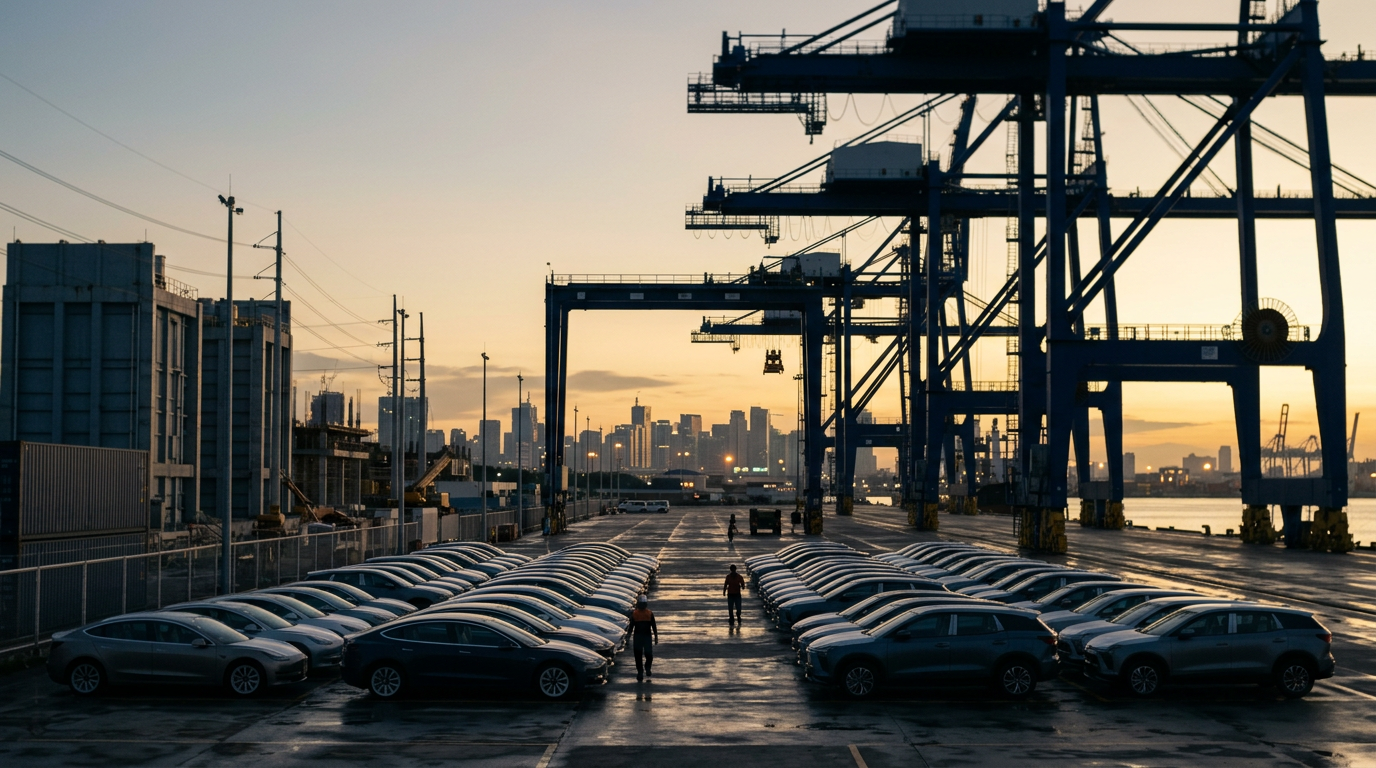
A recent announcement by China's GAC Group to invest in an all-electric vehicle assembly plant in the Philippines, as reported by The Philippine Star, has directed attention to the evolving industrial landscape in ASEAN. While Mitsubishi Motors was hosting an environmental summit, the more significant development for the nation's automotive sector was the GAC commitment. This move highlights the accelerating transition to electric vehicles and the strategic role of Chinese capital in this industrial shift.
Capital and Institutions
The Philippine government has actively courted EV investments through policy and incentives. The Electric Vehicle Industry Development Act (EVIDA) and associated tax breaks for imported EVs and manufacturing equipment have created a favorable environment for foreign capital. GAC's decision to establish a local assembly plant is a direct result of these institutional efforts. It signals that the policy framework is sufficiently attractive to draw in manufacturers who are looking to build a regional production footprint. This is not just about selling cars; it is about integrating the Philippines into a complex global supply chain for a next-generation industry.
Infrastructure and Execution
A successful transition to electric vehicles depends on more than just assembling cars. It requires a robust ecosystem of supporting infrastructure, most notably a widespread and reliable charging network. The GAC investment will test the Philippines' capacity to execute on this front. Building out charging stations, ensuring grid stability to handle increased demand, and developing maintenance and repair services are all necessary for consumer adoption. The success of GAC's venture will depend as much on the government and private sector's ability to deliver this infrastructure as it will on the quality of the vehicles themselves. Execution will be the determining factor in whether the Philippines becomes a true EV hub.
Trade, Talent, and Trust
The investment also brings into focus ASEAN's complex economic relationship with China. As detailed in ASEAN Rising, the depth of trade with China is a structural reality for the region. The book notes that for governments, the challenge is "how to manage dependency without losing optionality." This EV plant is a case in point. It represents a significant inflow of capital and technology, promising to create jobs and develop local talent in a high-value sector. However, it also deepens the Philippines' integration with China's industrial and technological ecosystem. Building trust between the government, the foreign investor, and the local workforce will be essential for the long-term success of this and similar ventures. It is a calculated dependency, taken on to secure a stake in a future-oriented industry.
What to watch
The key indicator to watch will be the pace of infrastructure development, particularly the rollout of a national charging network. Pay attention to how the Philippine government balances its strategic relationship with China against its ties with traditional automotive investors from Japan and the West. The ability of local educational and vocational institutions to adapt their programs to supply the specialized talent required for EV manufacturing and servicing will also be a critical factor in determining the ultimate success of this industrial strategy.