Philippines
The Philippines, Fruit, and Trade Dependency
The Philippines is showing how a single commodity can be a test case for managing deep trade relationships with China.
The Philippines announced US$290 million in export sales from the Asia Fruit Logistica event in Hong Kong, according to a report from philstar.com. The figure, composed of both signed orders and commitments, is a significant increase from the previous year. While a positive headline, it highlights a structural feature of the region's economies: deep and growing trade integration with China.
Commodity Exports and Capital
For a major agricultural exporter like the Philippines, trade shows are a routine part of the commercial calendar. The growth in sales figures for high-value agricultural products like durian and bananas is a tangible result of years of investment in production and market access. This capital, both public and private, has been directed at improving crop quality, logistics, and export readiness, specifically with the Chinese market in mind. The Hong Kong event serves as a gateway to mainland China, which is the largest market for Philippine agricultural products, particularly fruit.
The inflow of capital into the agricultural sector is a direct response to sustained demand. Yet this specialization brings concentration risk. When a single export destination becomes the primary driver of capital allocation and infrastructure development for a specific industry, the exporting nation's economy becomes sensitive to shifts in that market's consumer behavior, regulatory environment, and broader political considerations. This is a recurring theme in ASEAN economies that have embraced commodity-based export strategies.
Institutions and Infrastructure
Successfully exporting perishable goods at scale is a matter of institutional capacity and physical infrastructure. The Philippine Department of Agriculture and related agencies play a role in securing phytosanitary agreements and promoting the country's products abroad. These institutional functions are essential for trade. The US$290 million in sales is not just a commercial win but also a reflection of the bureaucratic and diplomatic work required to facilitate it.
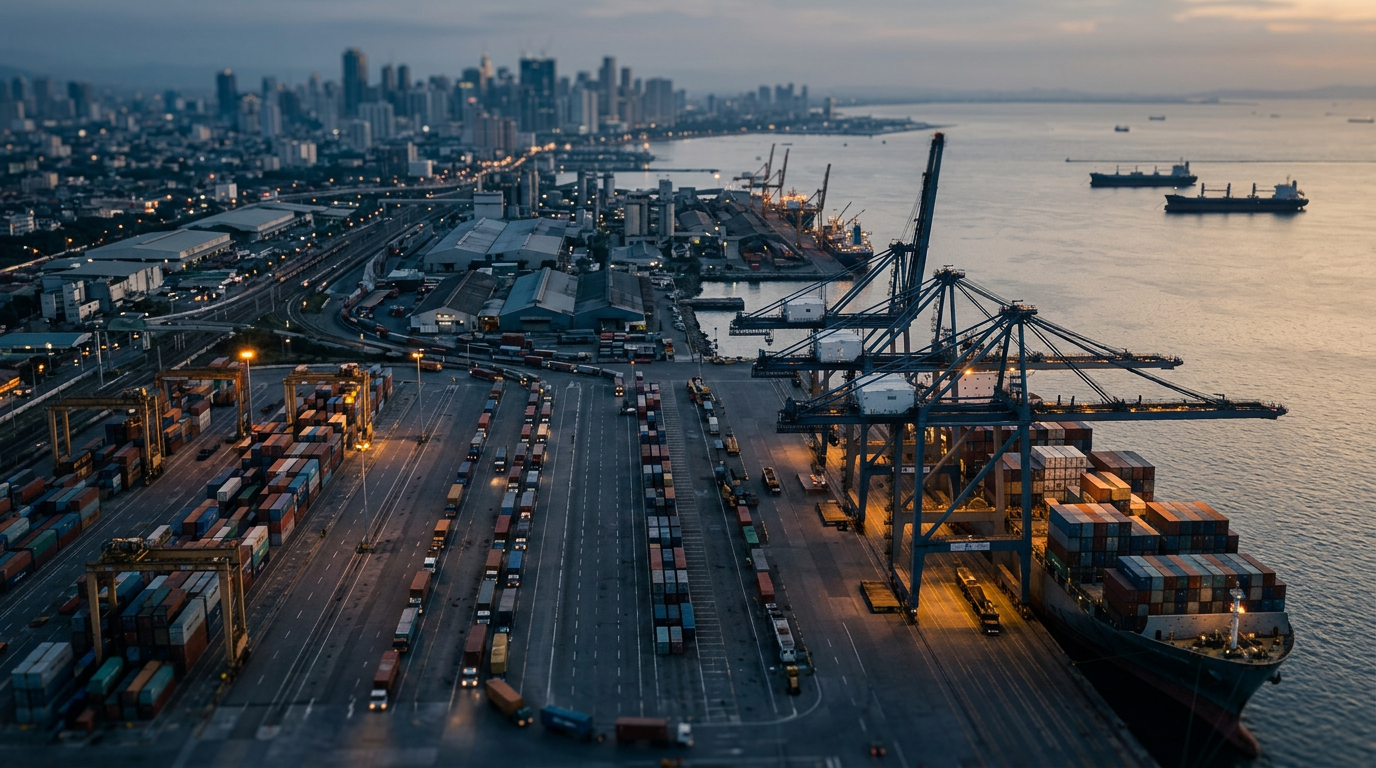
Likewise, the physical infrastructure of cold storage, transport networks, and port efficiency is a determinant of success. The book "ASEAN Rising" notes that trade with China is now a structural reality for the bloc. The question is how governments can "manage dependency without losing optionality." The development of infrastructure dedicated primarily to serving one large market is a case in point. While it boosts efficiency and lowers costs for the China trade, it may also create lock-in effects that make it harder to pivot to other markets if circumstances change. The institutions that oversee trade must therefore balance the pursuit of current opportunities with the development of a more diversified export infrastructure for the long term.
From Trade to Trust
The Philippines' fruit sales in Hong Kong are a microcosm of the broader ASEAN-China relationship. The commercial ties are deep, profitable, and built on a foundation of mutual economic interest. However, this economic relationship exists within a complex geopolitical context. The trust required to sustain and grow trade is not merely commercial; it is also political.
Disputes in other domains, such as maritime issues in the South China Sea, can affect the stability of trade flows. A government's ability to build and maintain trust with its large trading partners, while also upholding its national interests, is a delicate balancing act. The talent within government and business to navigate this complexity is a core national asset. For the Philippines, the sweet success of its fruit exports comes with the sober responsibility of managing a dependency that is both a source of prosperity and a potential point of vulnerability. What to watch
Observe how the Philippines and other ASEAN agricultural exporters invest in market diversification initiatives over the next 12-24 months. Watch for specific government programs or private sector investments aimed at expanding access to markets beyond China, such as the Middle East, Europe, or other parts of Asia. Also, monitor the development of infrastructure projects to see if they are tailored for broader regional or global connectivity, rather than being optimized primarily for a single trade corridor.