Singapore
Singapore, Supply Chains, and Strategic Dependency
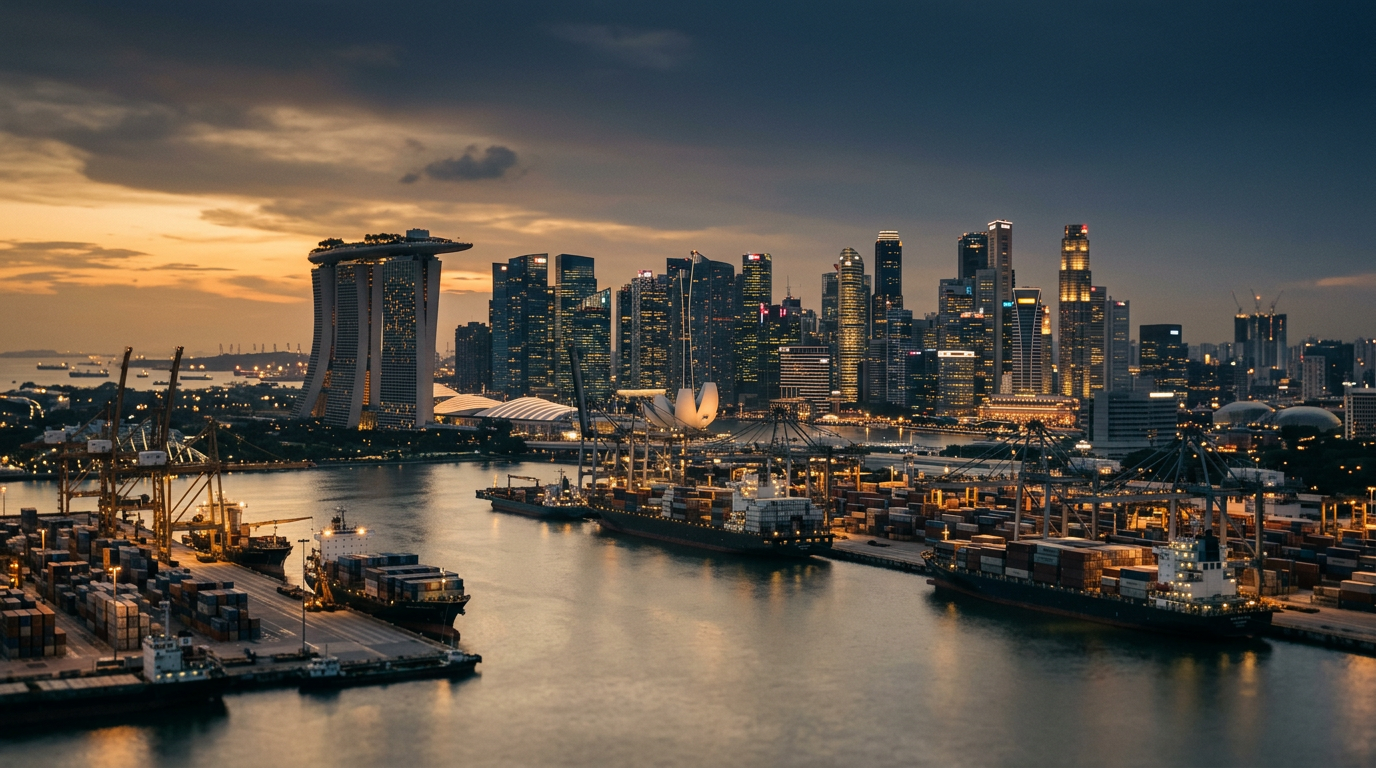
Singapore's ambition to be a "traffic controller" for regional business flows is a direct response to the era of managed dependency, particularly as firms diversify their supply chains away from China.
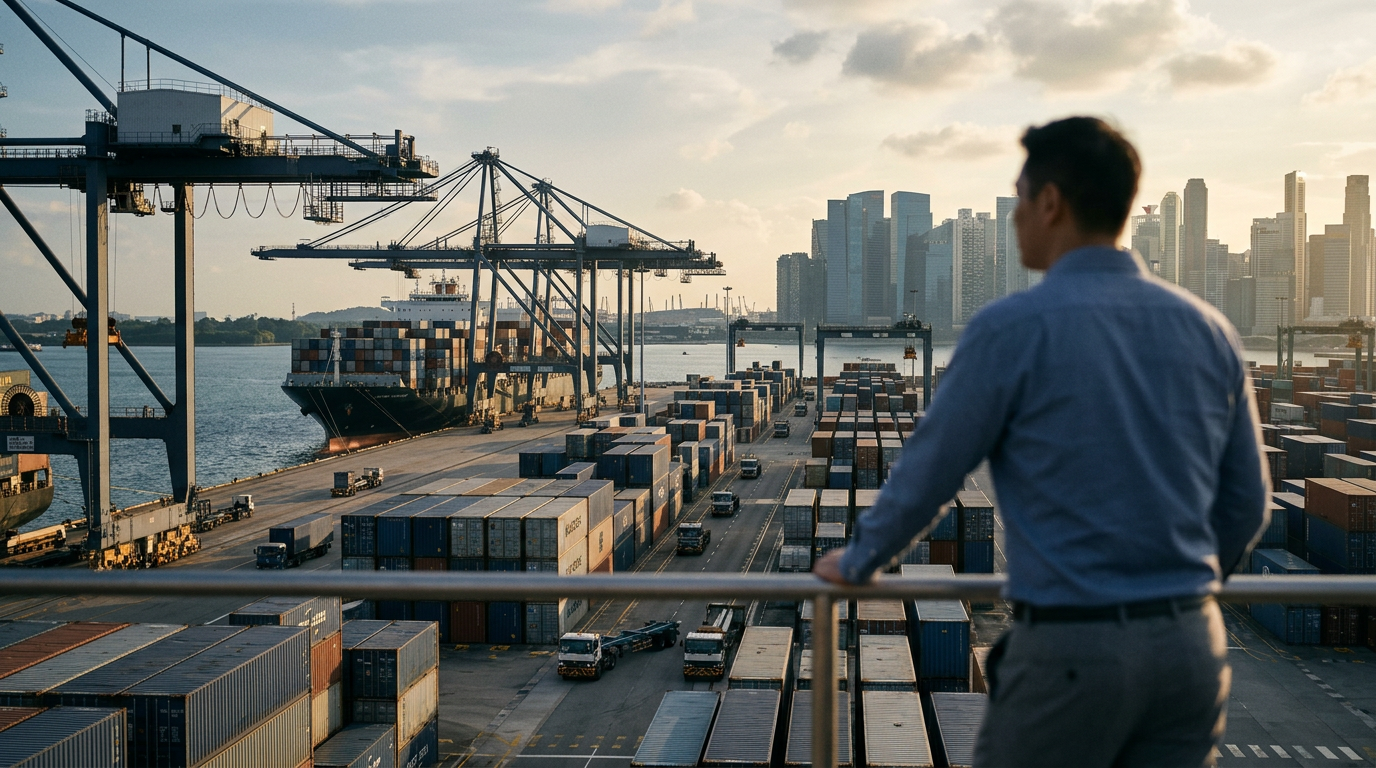
Singapore's Deputy Prime Minister Gan Kim Yong recently suggested the city-state should act as a "traffic controller" for business and supply chain flows, a response to ongoing reshuffling due to US tariffs. As reported in the Business Times, this strategy acknowledges that while Singapore may not compete on cost with its neighbors, it offers stability, strong infrastructure, and a trusted institutional framework that provides "value for money" for international firms navigating a complex geopolitical environment.
This "traffic controller" concept is an execution of a wider ASEAN strategy. The region is managing a complicated economic relationship with both the United States and China. The book "ASEAN Rising" notes that deep trade with China is now a permanent structural feature for the region. The challenge is not about whether to engage with China, but how to do so while maintaining strategic flexibility and avoiding over-reliance. Singapore's policy is a clear attempt to institutionalize its role as a hub for capital, talent, and logistics for companies operating within this new reality.
The Anatomy of a Hub
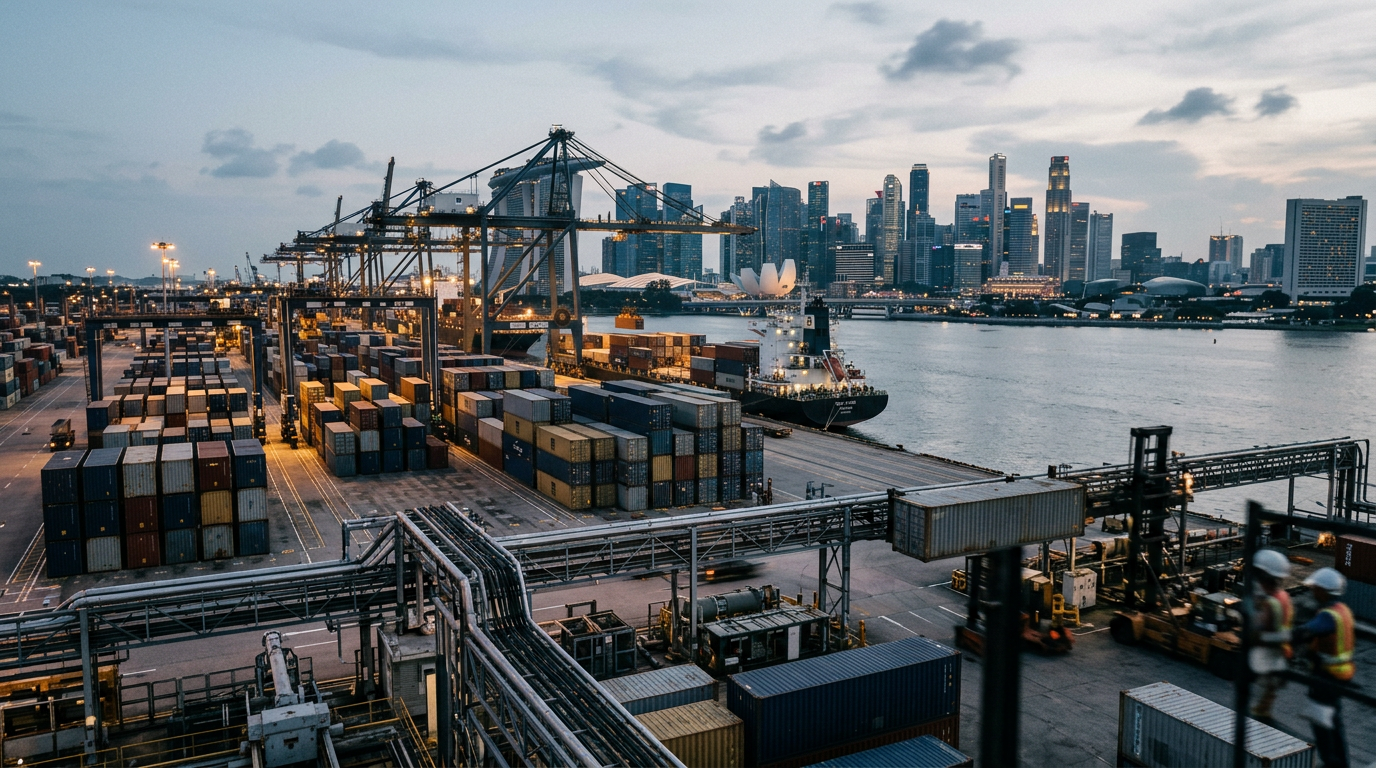
Singapore's proposition rests on several pillars. Its world-class port and airport infrastructure are the physical manifestation of its role as a logistics hub. This physical connectivity is matched by its digital and financial infrastructure, which allows capital to be deployed efficiently across the region. Companies setting up in Singapore are not just looking for a low-cost production base but are buying into an ecosystem of legal and financial services, intellectual property protection, and a deep talent pool.
This model is based on trust. For a firm to route its supply chain through Singapore, it must have confidence in the country's institutions and its ability to enforce contracts. Singapore has cultivated this trust over decades. As supply chains become more fragmented, companies are placing a higher premium on predictability and stability, two of Singapore's strongest attributes. This allows it to absorb and direct investment into neighboring ASEAN markets, effectively acting as a gateway to the region for global firms.
Dependency and Diversification
The move to diversify supply chains, often termed "China plus one," is a direct driver of Singapore's strategy. However, this diversification is not a complete exit from China. Instead, it is a calculated recalibration. Firms are looking to build resilience by adding production capacity in other markets, primarily in ASEAN countries like Vietnam, Malaysia, and Indonesia. For ASEAN governments, "the question is no longer whether to engage, but how to manage dependency without losing optionality."
Singapore is positioning itself as the nexus for this regional strategy. By providing the essential services that businesses need to manage complex, multi-country supply chains, Singapore reinforces its own economic position while facilitating growth and investment across the entire ASEAN bloc. It is a sophisticated response to the structural realities of global trade, turning the challenge of geopolitical competition into a tangible economic strategy.
What to watch: The key indicator of success for Singapore's "traffic controller" strategy will be the flow of foreign direct investment not just into Singapore itself, but from Singapore-based entities into manufacturing and service sectors across the rest of ASEAN. Observers should also monitor how regional ports and logistics networks evolve to support more distributed and complex supply chains, and whether Singapore's high-value service ecosystem can keep pace with the demands of businesses navigating this new landscape.