
 Philippines
Philippines Deepens China Trade Ties at ASEAN Expo
The Philippines is sending its largest-ever trade delegation to the China-ASEAN Expo, a move that highlights the structural depth of the bilateral trade relationship and the ongoing effort to manage economic dependency while maximizing export gains.
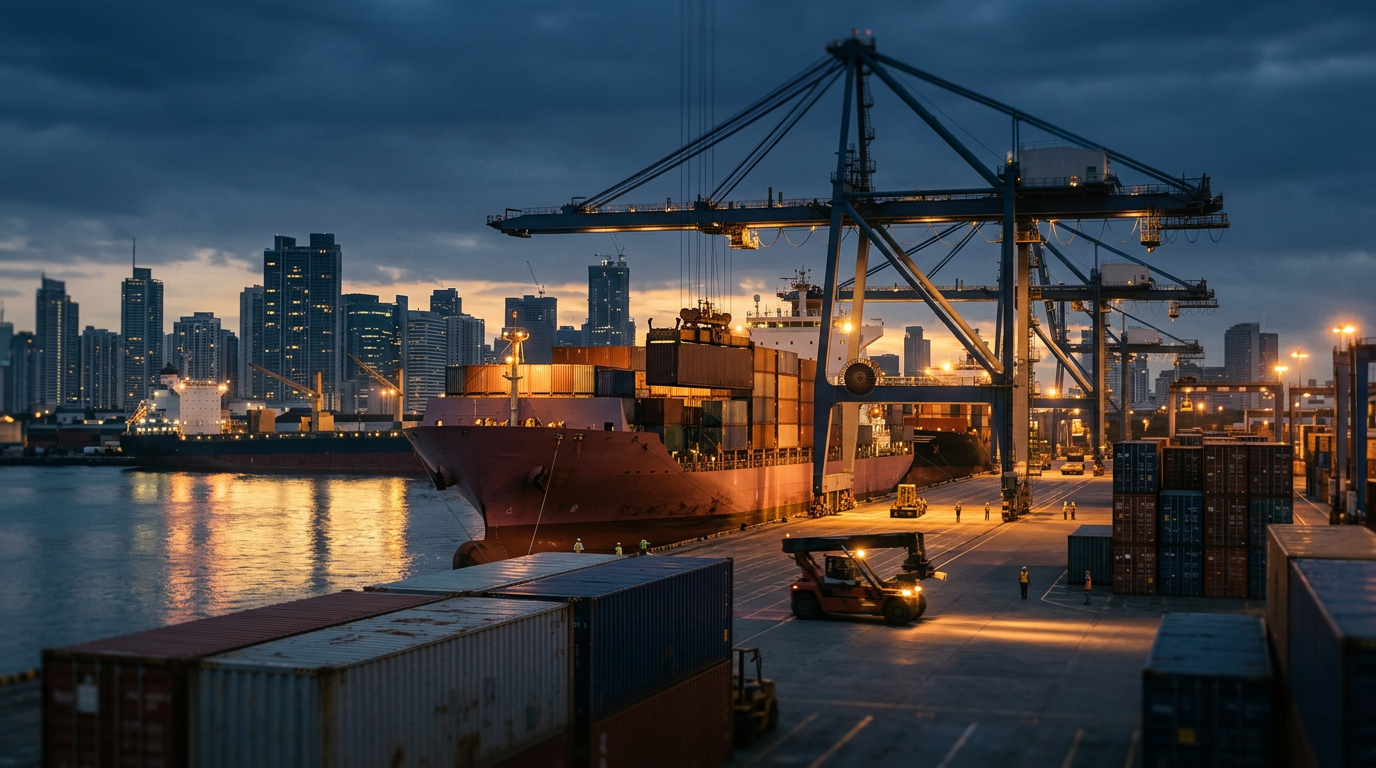
The Philippines is sending its largest-ever delegation to the China-ASEAN Expo, a move reported by philstar.com that signals a clear intent to deepen its trade relationship with Beijing. This initiative is not just about boosting export numbers; it reflects a broader regional dynamic where economic engagement with China is a permanent structural feature. The decision illustrates the practical choices ASEAN governments face as they navigate their most important trading relationship.
The Gravity of Trade
The scale of the Philippine delegation underscores the economic gravity of China. For the Philippines, as for its neighbors, expanding access to the Chinese market is a core component of its economic strategy. The expo provides a platform for Filipino exporters to connect with Chinese buyers, secure contracts, and integrate further into regional supply chains. The focus remains on tangible outcomes: increasing sales of agricultural products, electronics, and other goods where the Philippines has a competitive advantage. This effort is a direct execution of a trade policy that recognizes the immense size and proximity of the Chinese market.
Managing Dependency
While the economic benefits are clear, a deeper trade relationship with China requires careful management. As the book "ASEAN Rising" notes, the core issue for governments is "how to manage dependency without losing optionality." A larger trade footprint in China naturally increases economic reliance. For the Philippines, this means balancing the pursuit of export growth with a long-term strategy to maintain a diversity of trade partners and preserve its economic and strategic autonomy. This is not a question of disengaging from China, but of engaging smartly. The institutional framework for this management includes trade agreements, investment screening, and diplomatic engagement designed to ensure the relationship remains mutually beneficial and balanced.
Infrastructure and Institutional Links
Effective trade is built on a foundation of solid infrastructure and robust institutions. The China-ASEAN Expo itself is an institution, a recurring event that facilitates trade and dialogue. The success of the Philippine delegation will depend not only on the quality of their products but also on the efficiency of the logistical and financial infrastructure that connects the two countries. Ports, payment systems, and customs procedures must be streamlined to handle increased trade volumes. This requires sustained investment and bilateral cooperation to reduce friction and build the institutional trust necessary for a complex trading relationship to flourish.
What to watch next is how the Philippines leverages the connections made at the expo to translate them into durable export gains. Observers should also monitor how the government articulates its strategy for balancing this deeper economic integration with China against its efforts to strengthen ties with other major economic partners. The moves made in the coming months will provide insight into how Manila intends to secure its economic future within the intricate web of regional trade.


