Vietnam
Vietnam's Coffee Trade and the China Question
Trade with China is a structural reality. For ASEAN governments, the task is not one of engagement, but of managing dependency while preserving strategic options.
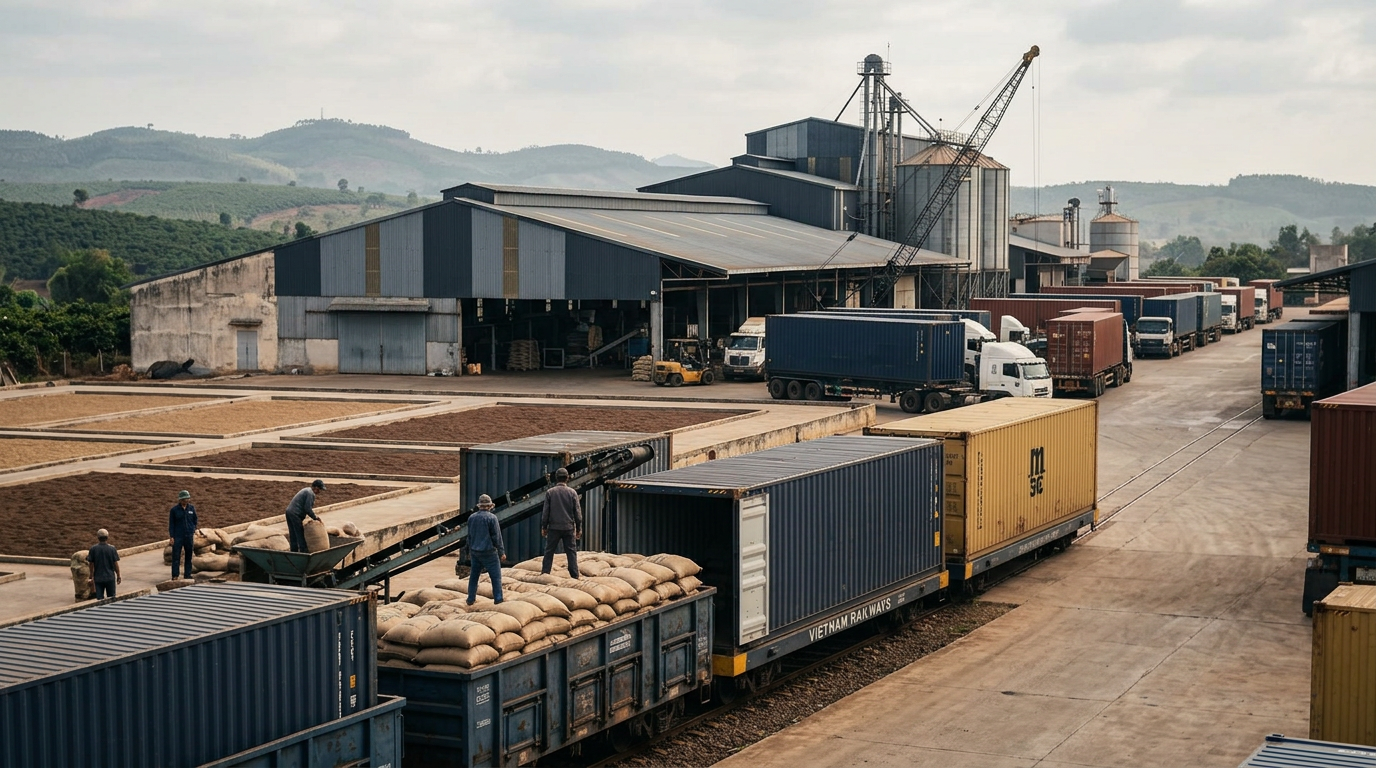
A recent report in e.vnexpress.net highlights that Vietnam's coffee exports exceeded US$6 billion in the first eight months of 2026, an increase of ten percent in volume from the previous year. This growth points to the country's established strength in global agricultural supply chains, particularly in coffee. However, behind the headline numbers, the destination of these exports reveals a deeper narrative about trade relationships and strategic dependencies, particularly concerning China.
Institutions and Trade Flows
Vietnam's success in the coffee sector is not accidental. It is the result of years of investment in production, processing, and export logistics. The country has built robust institutional frameworks to support its agricultural ambitions. However, as global trade patterns evolve, these institutions are being tested. China has become the second-largest importer of Vietnam's coffee, a significant shift that carries both economic benefits and risks. While diversification is a stated goal of many ASEAN nations, the gravitational pull of the Chinese market is strong. This reality forces a continual re-evaluation of trade policy to ensure that access to China's consumer base does not create an over-reliance that could be exploited.
Managing Dependency
The core issue for Vietnam, and for many of its neighbors, is how to handle the economic relationship with China. As the book "ASEAN Rising" notes, "trade depth with China is now a structural feature, not a cyclical one." This observation is clearly visible in the coffee trade data. The challenge for policymakers is to manage this dependency without sacrificing their ability to make independent strategic choices. This involves strengthening other trade partnerships and building resilience within the domestic economy. For Vietnam, this means looking for ways to add more value to its coffee exports, moving from raw beans to branded consumer products, which can command higher prices and create more stable revenue streams in a wider range of markets.
Capital and Infrastructure
Expanding and diversifying an export-oriented industry like coffee requires significant capital and infrastructure. China is not just a major market but also a major source of investment for infrastructure projects across ASEAN. While Chinese capital can accelerate development, it often comes with conditions that can deepen economic ties. For Vietnam to maintain its strategic flexibility, it must attract investment from a broader set of international partners. Improvements in logistics, from ports to digital trade platforms, are necessary to reduce friction and costs, making Vietnamese coffee more competitive in markets beyond its immediate neighborhood. This requires a concerted effort to create an attractive environment for foreign capital that aligns with Vietnam's long-term national interests.
What to watch
Observe how Vietnam and other ASEAN agricultural exporters navigate the balance between maximizing short-term export revenue from the Chinese market and pursuing long-term strategies for market diversification. The development of domestic processing capabilities and the success of branding initiatives in non-Chinese markets will be key indicators of their ability to manage this structural dependency. Also, monitor the sources of foreign direct investment into the region's agricultural and logistics sectors, as this will shape the infrastructure of trade and influence economic alignment for years to come.