
ASEAN Analysis & Commentary
Every analysis published on ASEAN Rising is sourced, datestamped and signed. We're more interested in being right in 12 months than first in 12 minutes.
Foundation pieces
Start here. The three pieces below set out the lens ASEAN Rising uses to read every story.
ASEAN Rising's core lens. Execution Economics is the study of whether countries, companies and institutions can convert obvious potential into delivered outcomes - and which six pillars decide the answer.
The region has capital, demographics, location and policy ambition. None of that has ever been the binding constraint. The next decade is an execution test, not a potential test - and it is already being scored.
Malaysia is the test case for whether ASEAN's middle powers can turn FDI, semiconductors and data centres into compounding domestic capability. Read the live coverage and execution scorecard.
Analysis tagged #Indonesia
 Malaysia
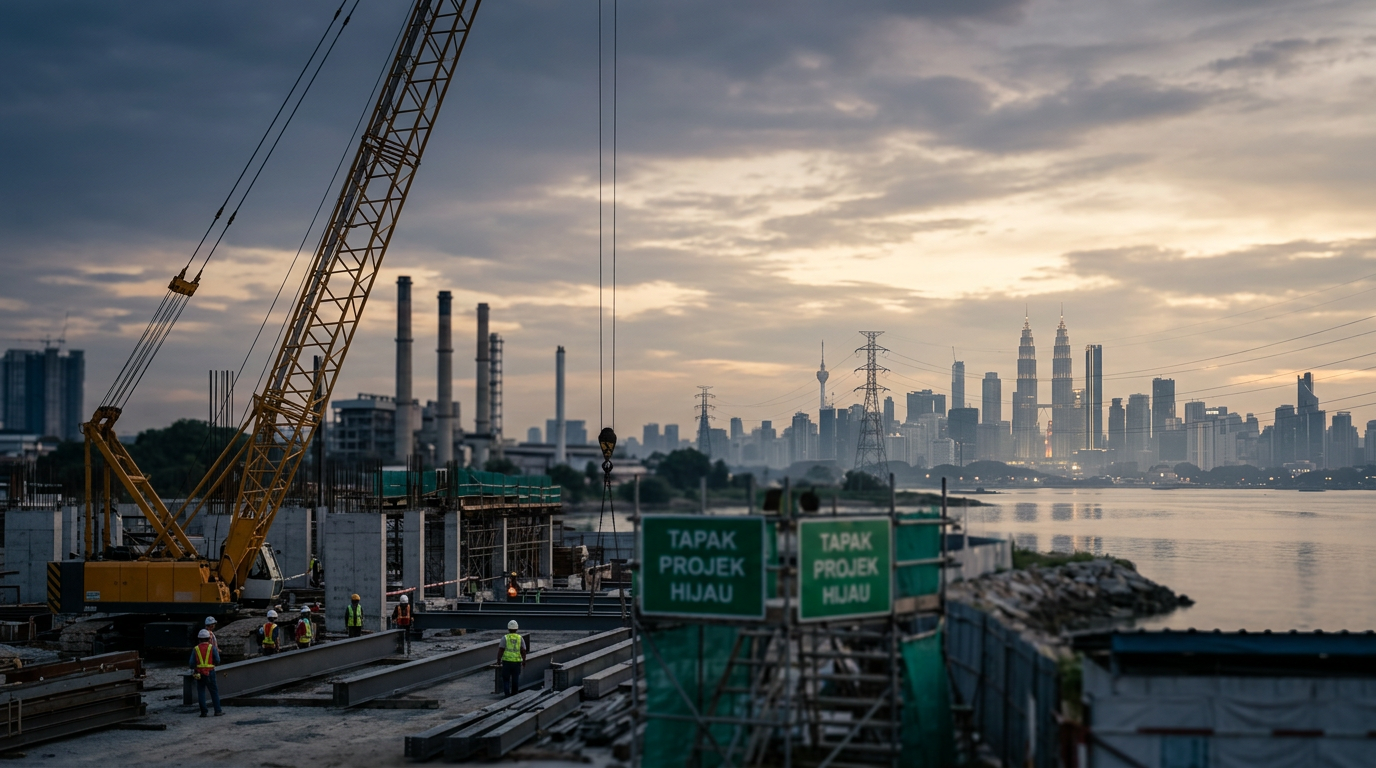
Green Pledges and Ground Realities in ASEAN
Ambitious goals for a green transition are running up against the slower work of turning promises into projects on the ground.

 Indonesia
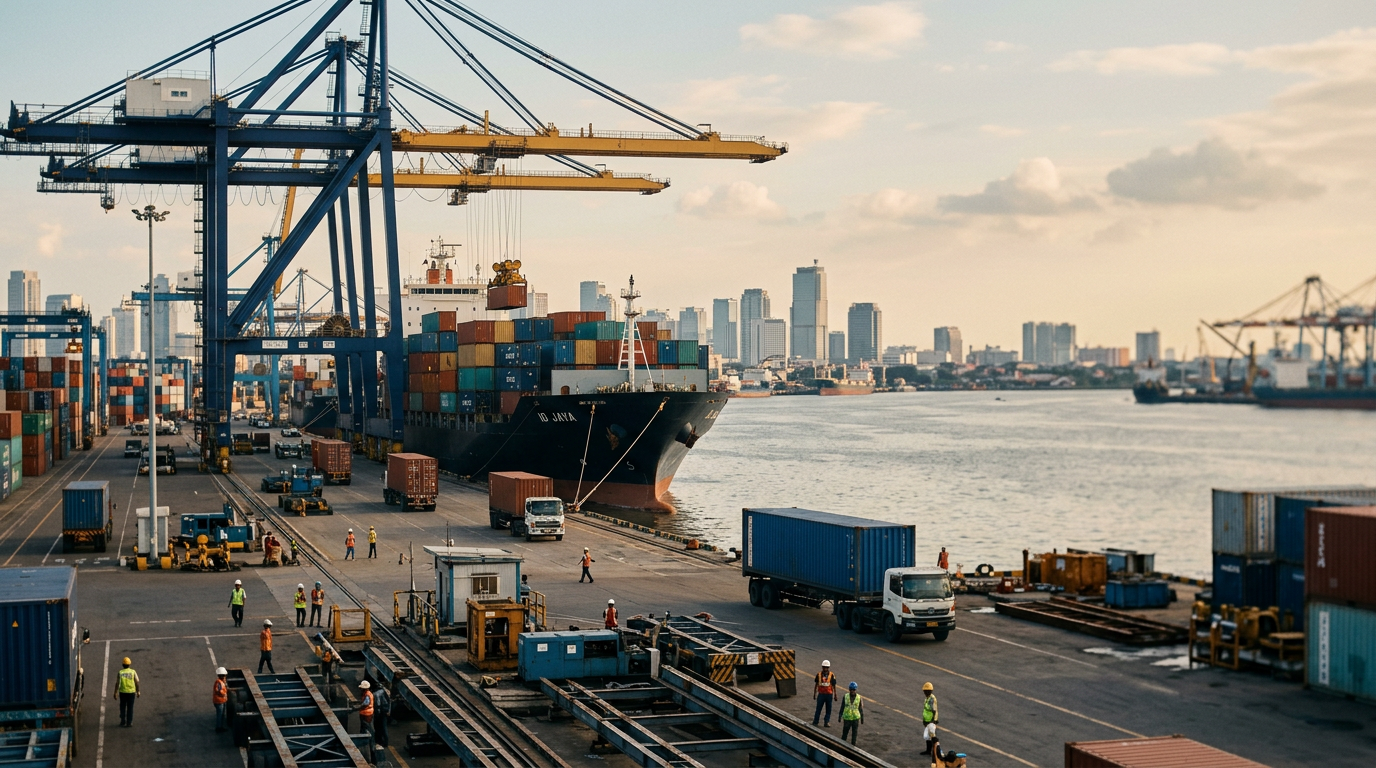
's Single-Door Export System Tests Its China Strategy
Indonesia plans to fully implement a single-door export system by December, a move that will test its ability to manage deep trade dependency on China without losing strategic optionality.
 Indonesia
, Gulf FDI, and the Long Road from Announcement to Reality
Scale matters only when institutions can turn it into investable depth. FDI announcements travel quickly. Realised flows depend on the slower work of land, permits, power and talent reaching the ground.
 Indonesia
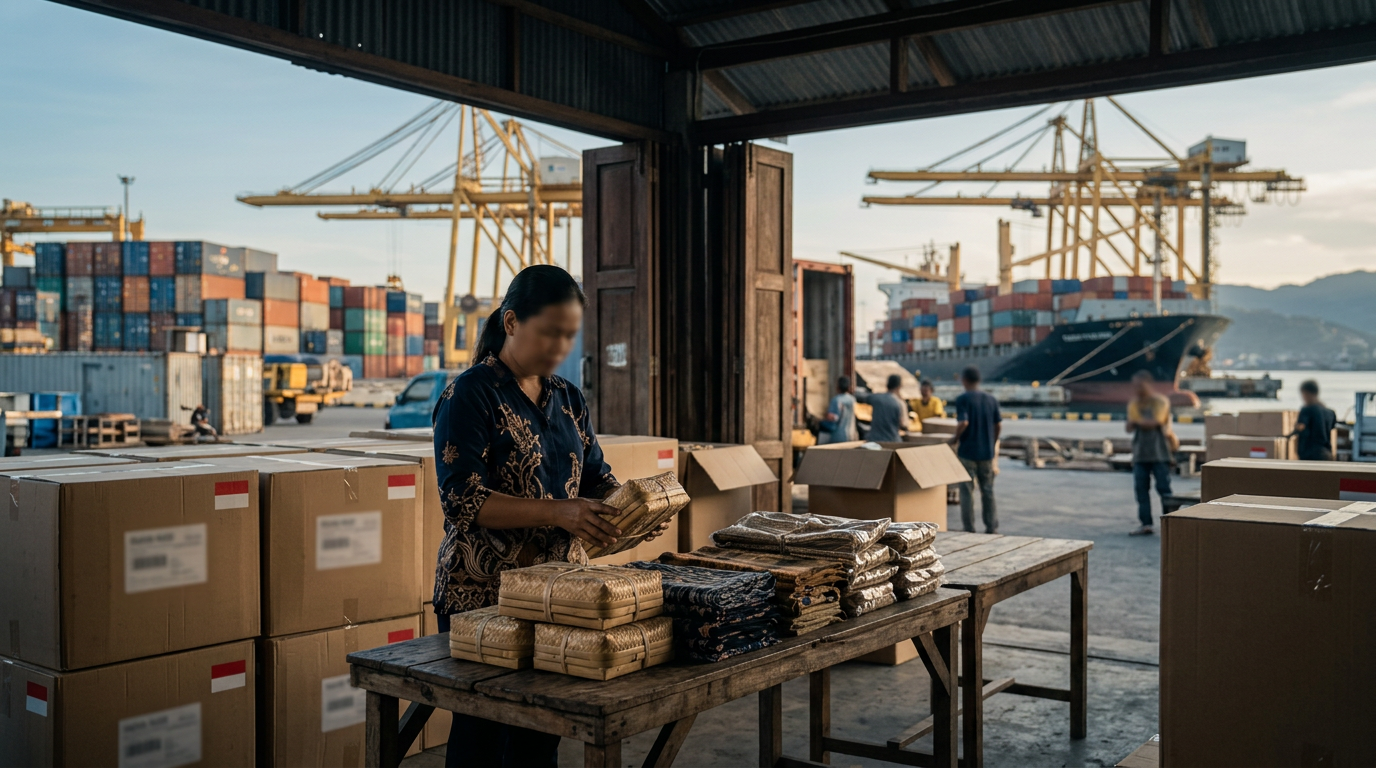
's MSMEs Look Abroad: A Test of Institutional Capacity
An export clinic in Palu, Indonesia, highlights the institutional challenges that ASEAN governments face in translating national trade policy into tangible export growth for small and medium-sized enterprises, which form the backbone of the region's economies.
 Indonesia
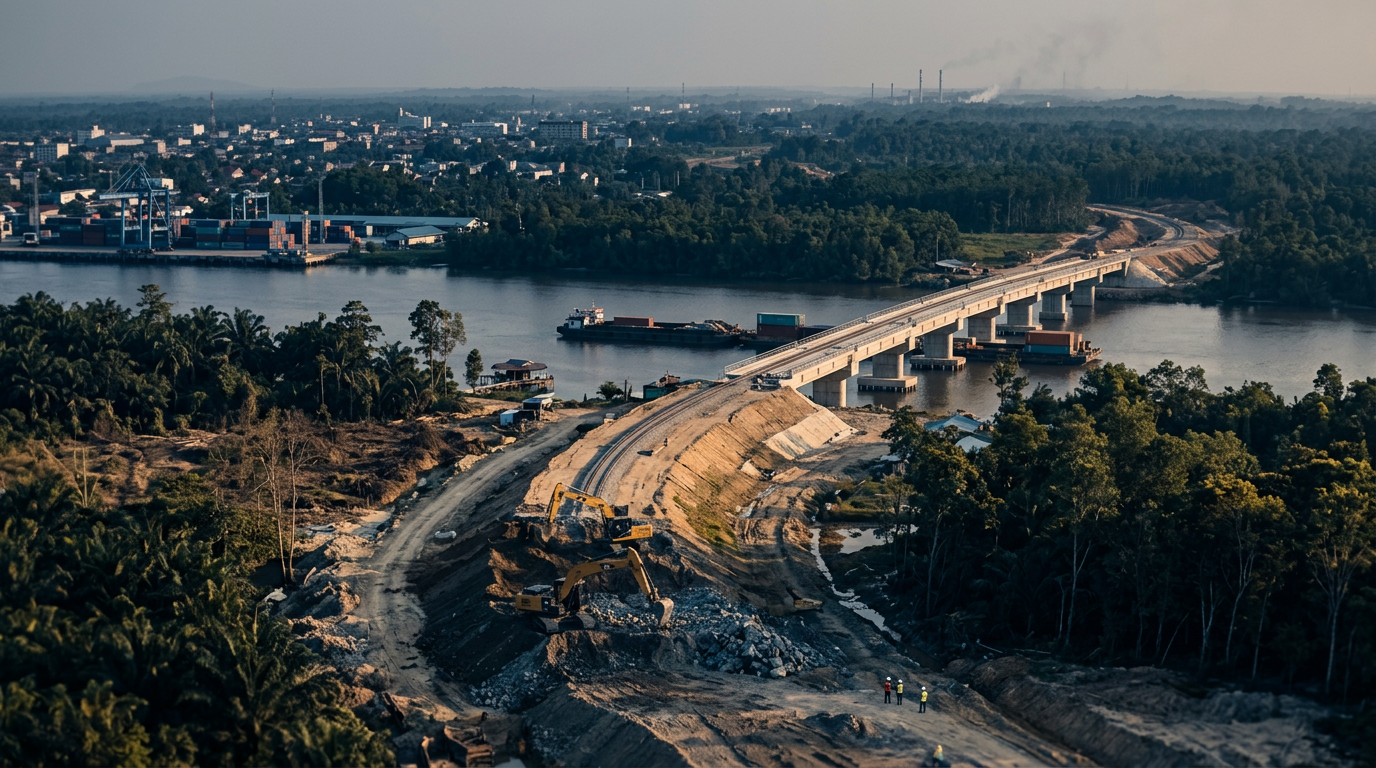
's Railway Plans Test Its Investment Climate
Indonesia is looking to China for a major railway project in Kalimantan. This tests whether Jakarta can translate large FDI announcements into reality, which depends on mastering land, permits, power, and talent.

 Singapore
, FDI, and the Challenge of Scale
A jump in Singaporean factory output, driven by AI demand, highlights a core ASEAN challenge: converting FDI announcements into realized, on-the-ground investment. For neighbors like Indonesia, the slower work of improving institutions and infrastructure is the real measure of.
 Indonesia
's MSMEs and the China Trade Question
An export clinic in Palu, Indonesia, highlights a deeper strategic challenge for the region: how to manage economic dependency on China while building institutional capacity for global trade.
 Indonesia
Managing Dependency: The View from Palu
An export clinic in Palu, Indonesia, illustrates a fundamental challenge for ASEAN: how to manage trade dependency on China without losing economic optionality.
 Indonesia
, China, and the MSME Export Question
An export clinic in Palu, Indonesia, highlights a deeper structural question for the region: how can its smallest firms integrate into global value chains dominated by China without sacrificing their independence and resilience?
 Indonesia
, China, and the MSME Export Push
Indonesia is working to boost exports from its smaller firms. This is not just a domestic growth story, but a strategic imperative in managing its deep trade relationship with China.
 Indonesia
's MSME Exporters Look Beyond The Region
Indonesia is working to connect its smaller firms to global export markets. While laudable, this initiative highlights a structural dependency on a single large market and the institutional challenges ASEAN states face in diversifying trade.
 Indonesia
, Export-Led Growth, and a Managed Dependency on China
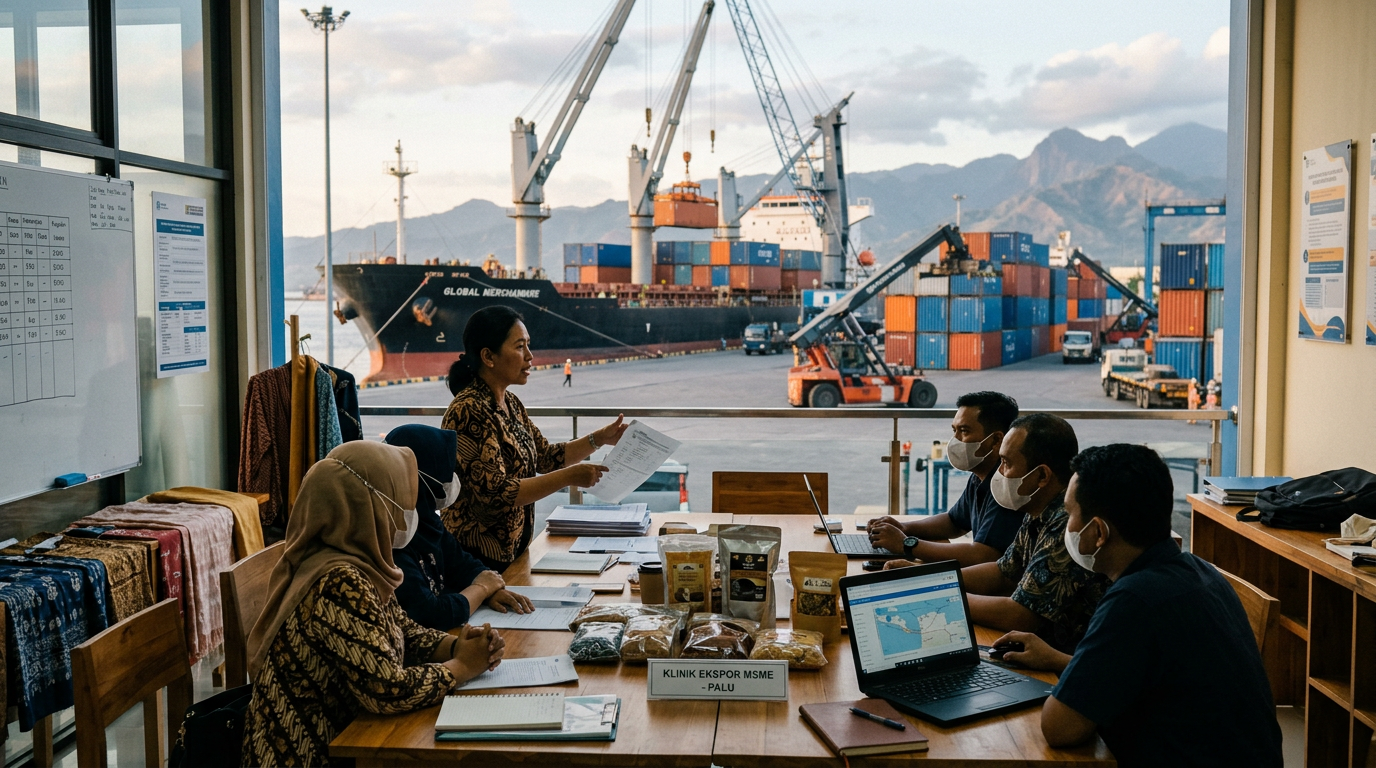
An export clinic in Palu, Indonesia, highlights a deeper structural question for the entire ASEAN bloc: how to manage economic dependency on China without sacrificing strategic options.
 Indonesia
, China, and the MSME Export Challenge
An export clinic in Palu is a small but significant indicator of a much larger challenge for Indonesia and ASEAN: how to manage deep trade links with China while developing export capabilities in smaller firms.
 Indonesia
The Real Co-Host of the FIFA ASEAN Cup Is State Capacity
The FIFA ASEAN Cup is not just a sporting event. It is a multi-year, multi-country test of institutional reliability, state capacity, and the region's ability to execute complex infrastructure projects on time and on budget.
 Indonesia
The Real Co-Host of the FIFA ASEAN Cup is Infrastructure
The FIFA ASEAN Cup will test whether the region's infrastructure is just announced or can actually be delivered. Real institution-building is what separates usable states from merely exciting ones.
 Indonesia
The Real Co-Host of the FIFA ASEAN Cup is Infrastructure
The FIFA ASEAN Cup will test whether the region's institutions and infrastructure can deliver a complex, multi-country event on time and on budget. Success or failure will send a strong signal to global capital.
 Indonesia
The FIFA ASEAN Cup and the Infrastructure Gap
The FIFA ASEAN Cup highlights the long-term value of reliable state institutions that can deliver complex projects on time. Infrastructure that arrives on time signals more than infrastructure that is merely announced.
 Indonesia
The FIFA ASEAN Cup Kicks Off, But What Comes After?
The FIFA ASEAN Cup 2026 is a test of institutional capacity and follow-through. Can ASEAN build on the foundation of a major sporting event to deliver lasting infrastructure and economic benefits?
 Indonesia
The FIFA ASEAN Cup Kicks Off, But What Comes After the Crowds?
The FIFA ASEAN Cup 2026 is a test of more than just athletic ability. The real measure of success is whether the public infrastructure built for the event can deliver long-term economic value.
 Indonesia
The FIFA ASEAN Cup Kicks Off a New Infrastructure Test
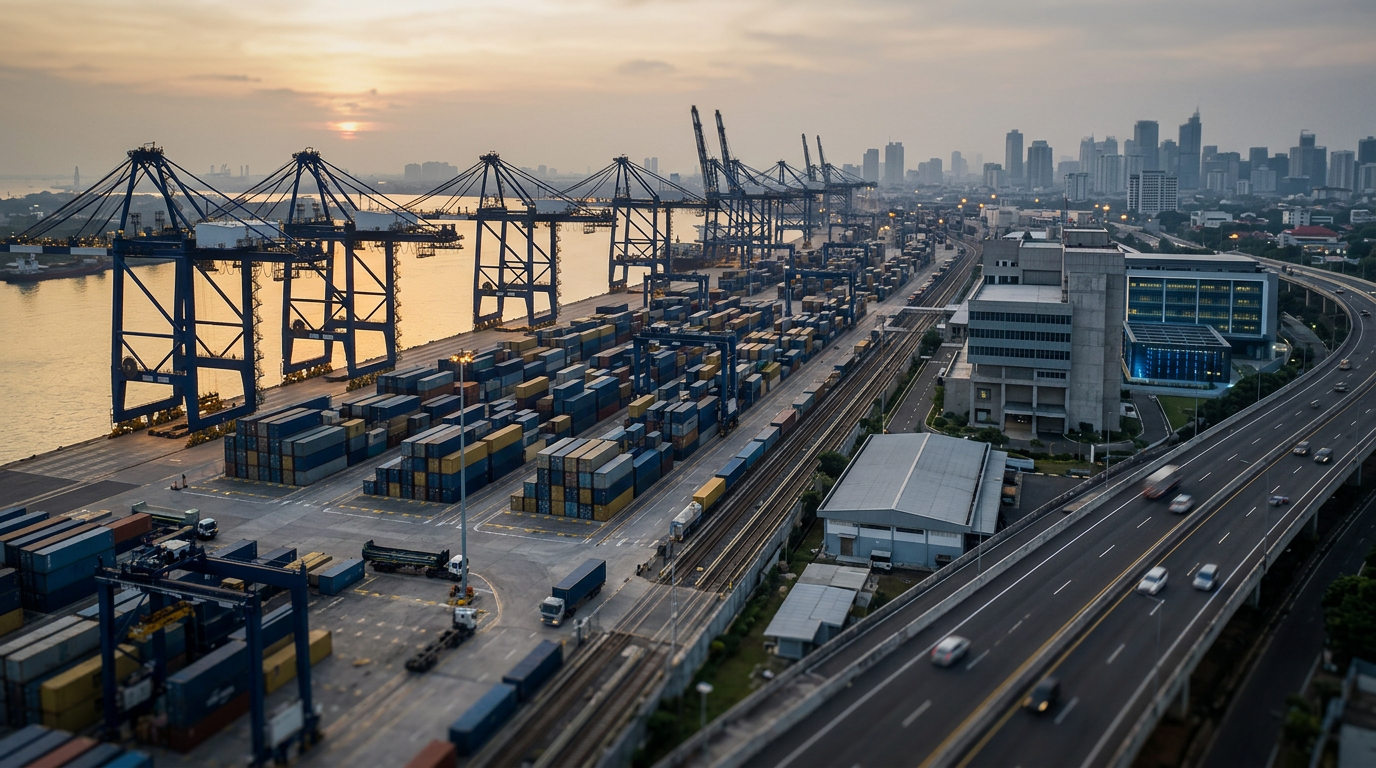
The FIFA ASEAN Cup 2026 has begun, putting the region's infrastructure and institutional capacity under a global spotlight. The tournament is a real-world test of ASEAN's ability to deliver complex, large-scale projects.
 Indonesia
 and the ASEAN Power Grid: A Question of Execution
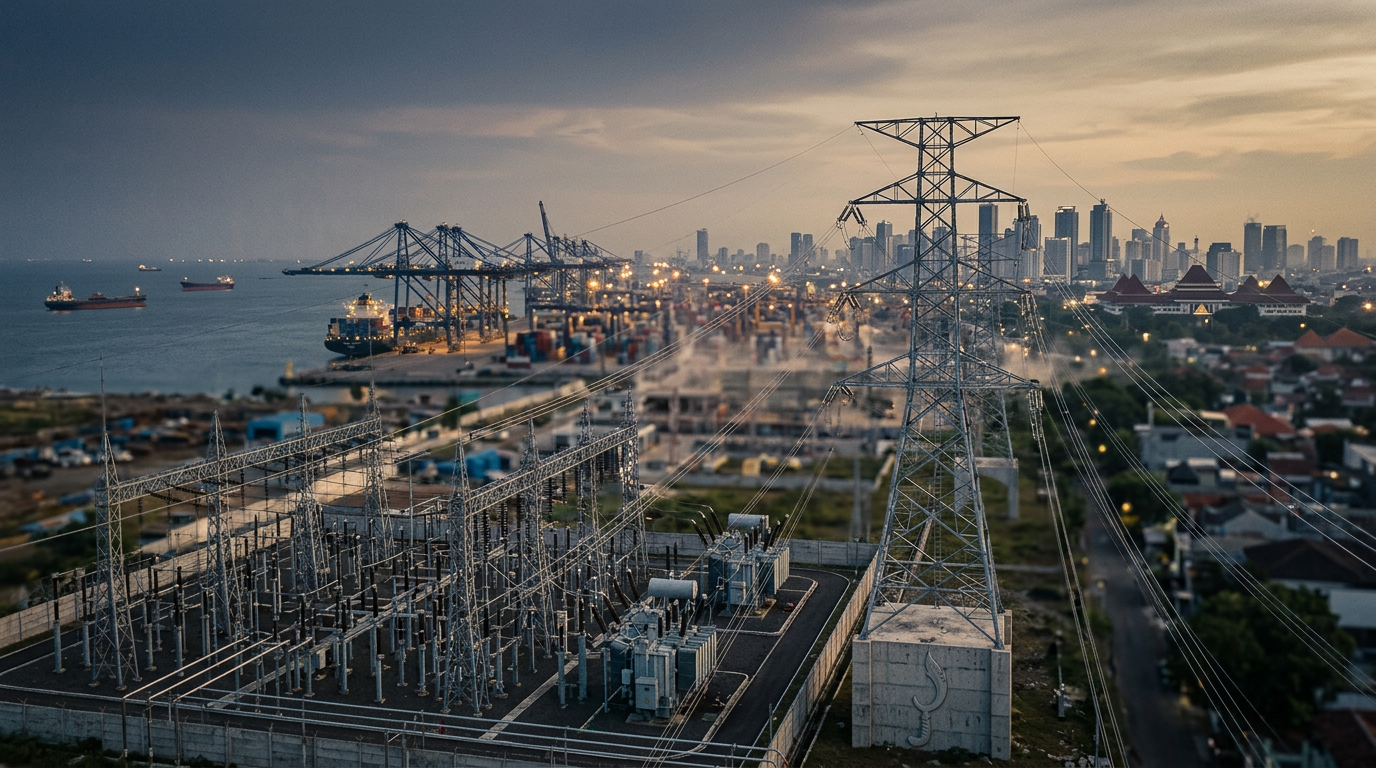
Indonesia's hesitation to join the ASEAN Power Grid highlights a core theme of regional integration: Announced infrastructure is one thing, but execution is another. For the APG to fulfill its promise, the institutional framework must be as solid as the physical connections.
 Indonesia
 and the ASEAN Power Grid: The Price of Integration
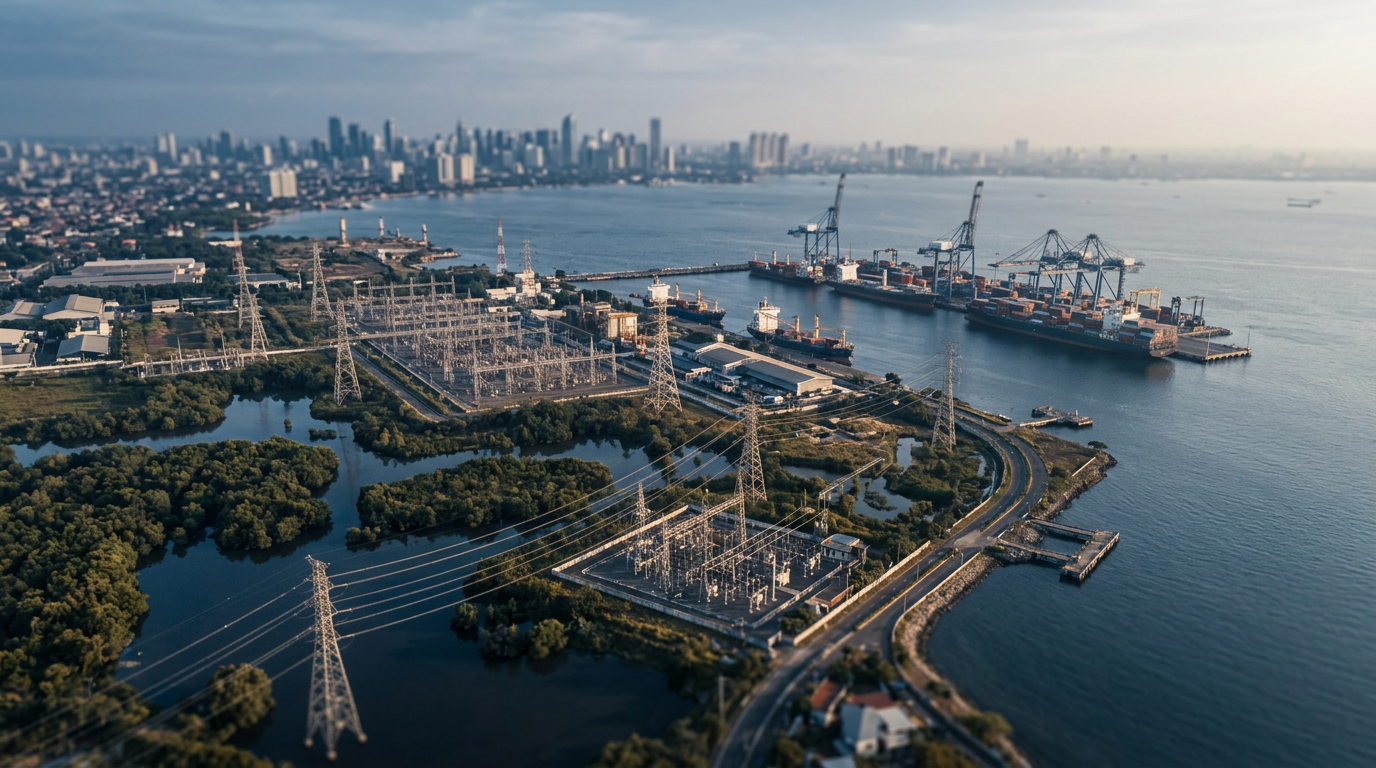
Indonesia's delay in joining the ASEAN Power Grid highlights a core challenge for regional integration: the tension between national interests and the collective benefits of shared infrastructure. While price negotiations are the immediate cause, the situation points to deeper.
 Indonesia
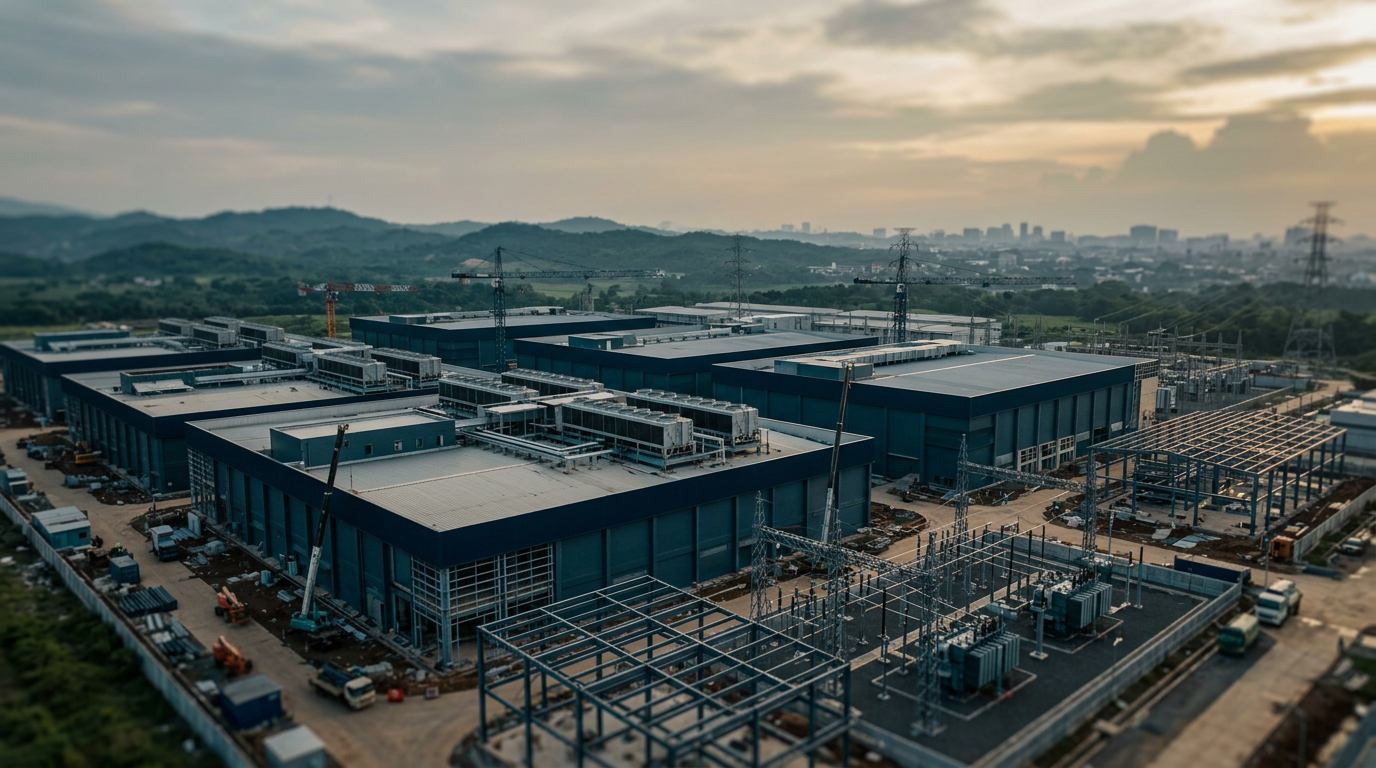
 and the Hyperscale Data Center Buildout
Where utilities, planning and connectivity move together, hyperscale capacity follows. That is the story of a new 640 MW AI data center campus in West Java, Indonesia.
 Indonesia
 and RCEP: From Ambition to Execution
The recent RCEP Ministers' Meeting in Manila spotlights Indonesia's leadership role. However, turning regional agreements into realised investment requires a sustained focus on domestic institutional capacity.
 Indonesia
 Rethinks Its Investment Climate
Recent news of significant offshore investment by a prominent Indonesian family highlights the institutional challenges that can limit the country's ability to absorb domestic and foreign capital.
 Indonesia
Foreign Investment: From Announcement to Execution
Foreign direct investment announcements travel quickly, but realised flows depend on the slower work of land, permits, power, and talent.
 Indonesia
Managing Dependency: Bengkulu, Coffee, and ASEAN Trade Strategy
A single shipment of coffee from Bengkulu to Italy highlights a broader ASEAN strategy: diversifying trade to manage economic dependency, particularly on China, by cultivating new global markets.
 Indonesia
's Airports and the Quiet Work of Institutions
The recent reopening of Indonesia's airports after a volcanic ash crisis highlights the importance of institutional reliability for the country's economic ambitions.
 Indonesia
's Commodity Exchange and the Question of China
Indonesia plans to establish a new commodity exchange, Icomex, to become a price maker. The initiative reflects a broader ASEAN trend of building institutional capacity to manage deep trade ties with China.
Changi, Jakarta, and the Quiet Problem of State Capacity
A recent volcanic eruption grounded flights between Singapore and Jakarta, creating travel chaos. This incident reveals a deeper truth about ASEAN infrastructure and the hidden friction of institutional capacity.
 Vietnam
Indonesia, Vietnam: Scaling franchise retail is hard
The world's largest F&B chain has closed 89 overseas stores, many in Indonesia and Vietnam. The closures show how ASEAN consumer growth stories depend on executional basics: land, permits, power, and talent.
 Indonesia
, Malaysia, and the Politics of Export Controls
Trade policy in Southeast Asia is shifting from pure export promotion to a more managed, nationalist stance, especially in the commodity sector. This reflects a broader re-evaluation of how ASEAN nations engage with global markets and manage their natural resources for domestic.
 Indonesia
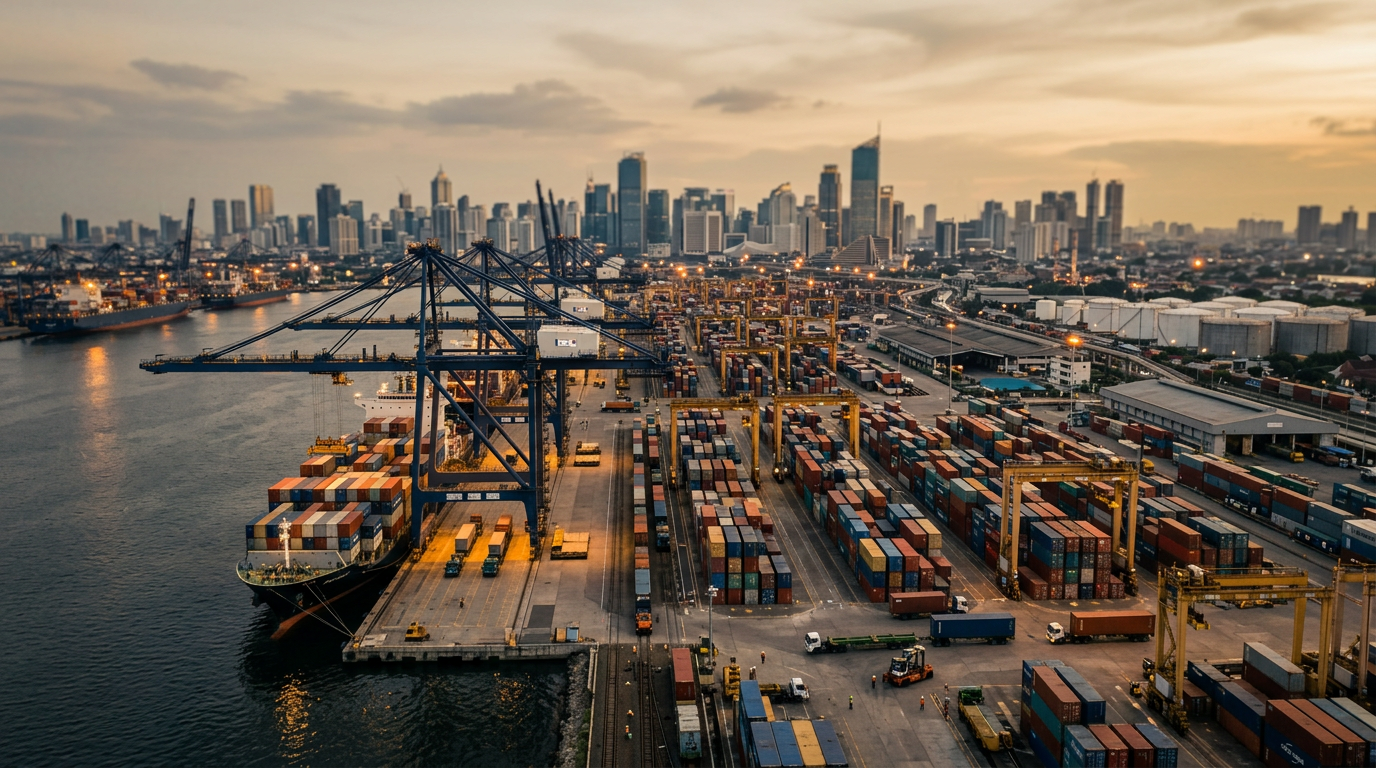
From FDI Promises to Realised Flows in Indonesia
Indonesia has long been a destination for foreign direct investment announcements. The slower work of turning those announcements into realised flows on the ground is where the real work of economic development happens, as detailed in ASEAN Rising.
 Indonesia
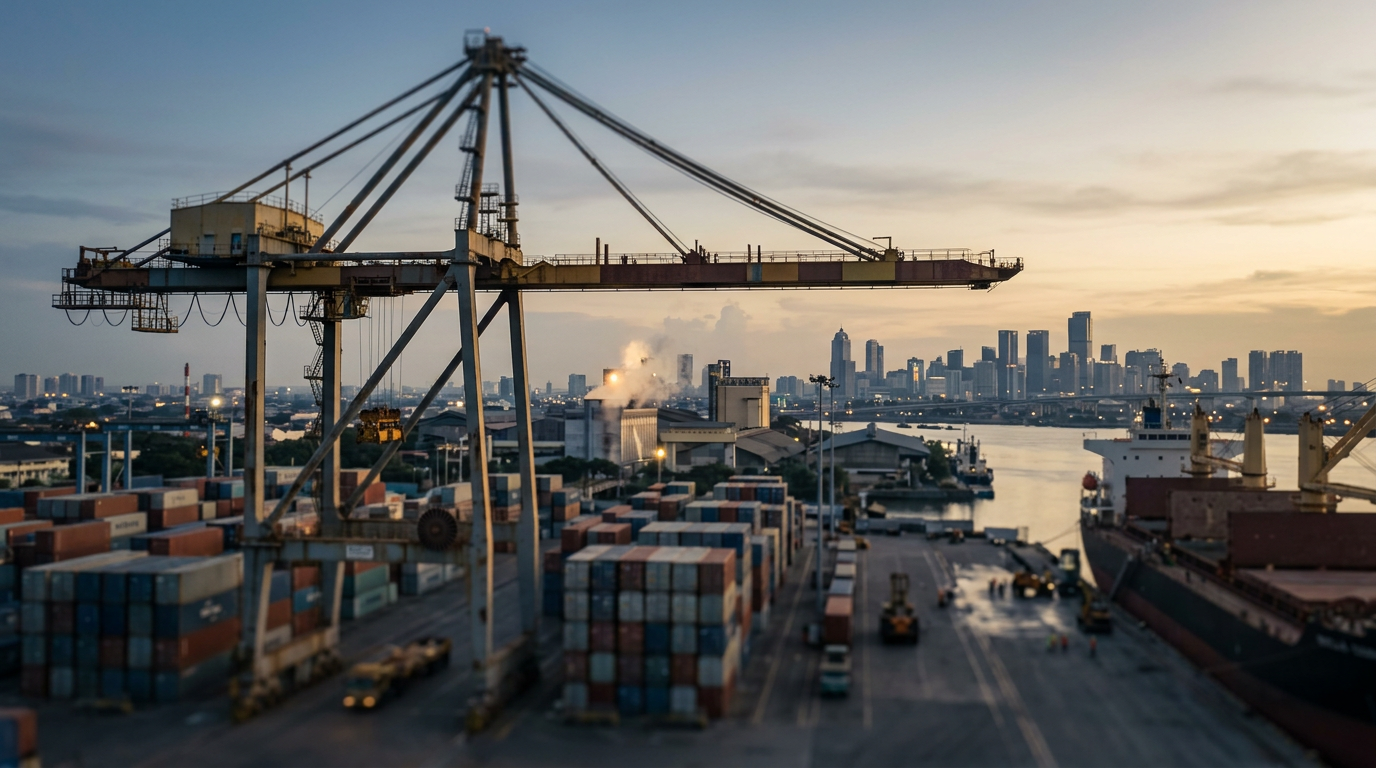
Steel, State Capacity, and ASEAN Integration
A recent meeting at the ASEAN Secretariat is a useful signal for institutional development in the region's steel sector, which is a foundational component of industrial policy and infrastructure development.
 Indonesia
's FDI Plateau: Execution Over Announcements
Indonesia's FDI growth held steady in 2025, a slowdown from the prior year. This reflects the long-term challenge of turning investment announcements into tangible projects, a matter of institutional execution.
 Indonesia
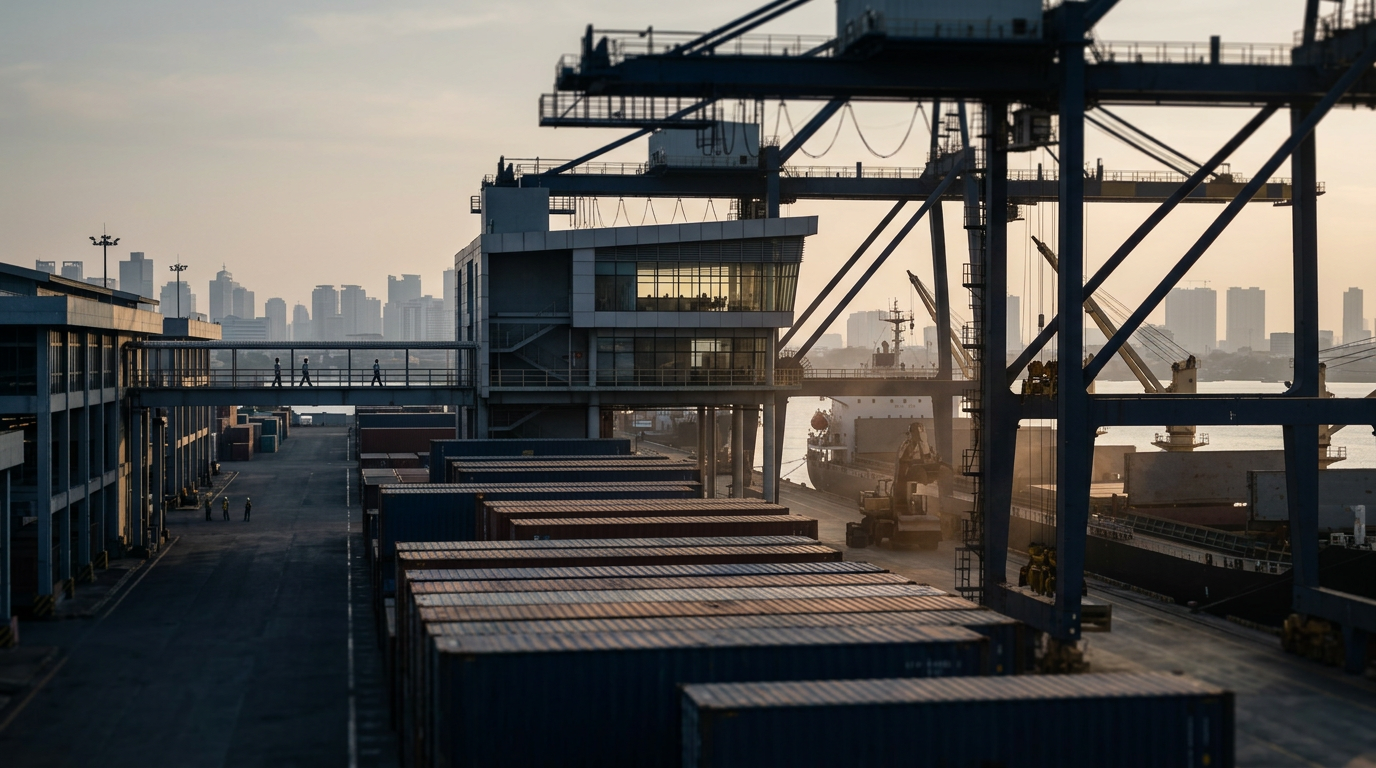
's Commodity Trade Monitoring: A New Tool for an Old Problem
Indonesia's new Danantara platform for monitoring commodity exports is a significant step, but it also highlights the delicate balance ASEAN nations must strike in managing their deep trade relationships, particularly with China.
 Indonesia
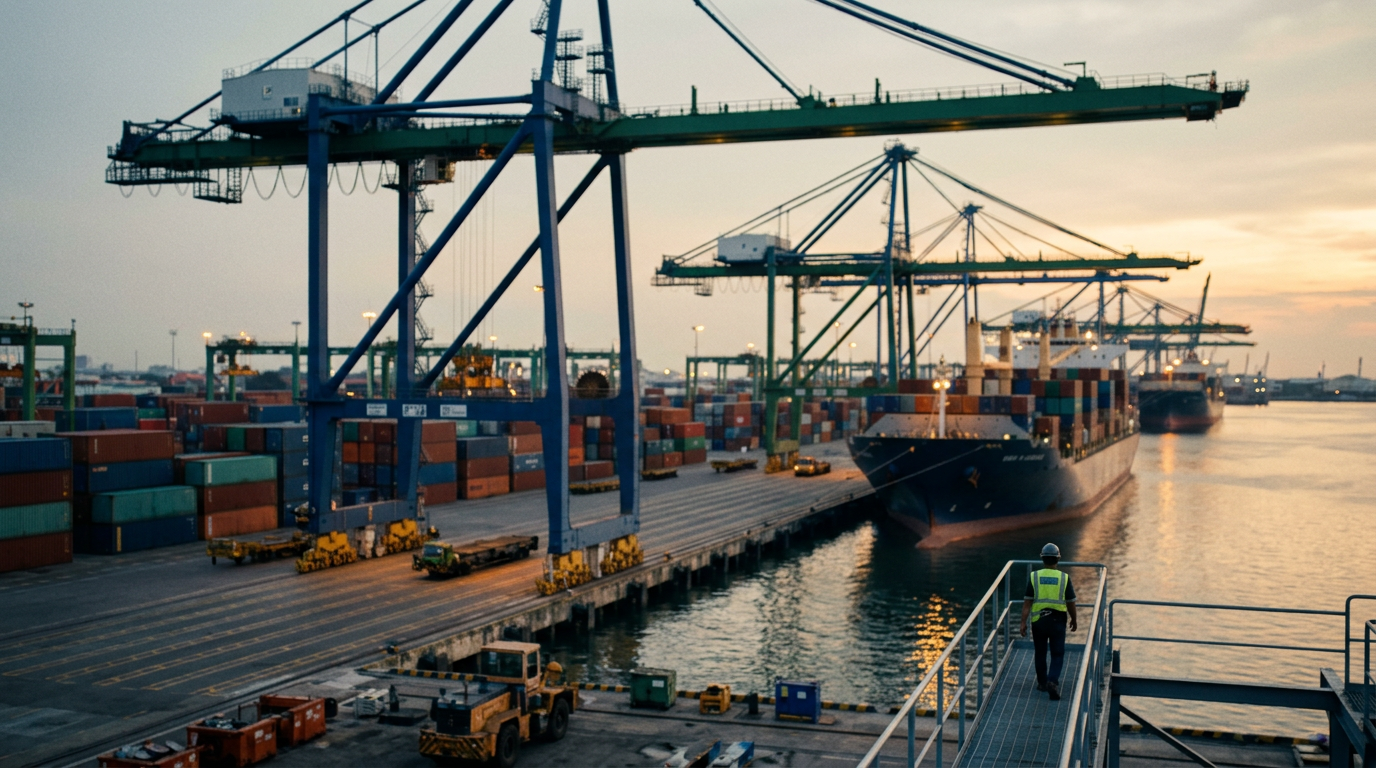
, Morocco, and the Search for New Markets
Indonesia's export promotion in Morocco reflects a wider ASEAN search for new markets beyond established partners. This is not about replacing China, but about building resilience and managing dependency through strategic diversification.
 Singapore
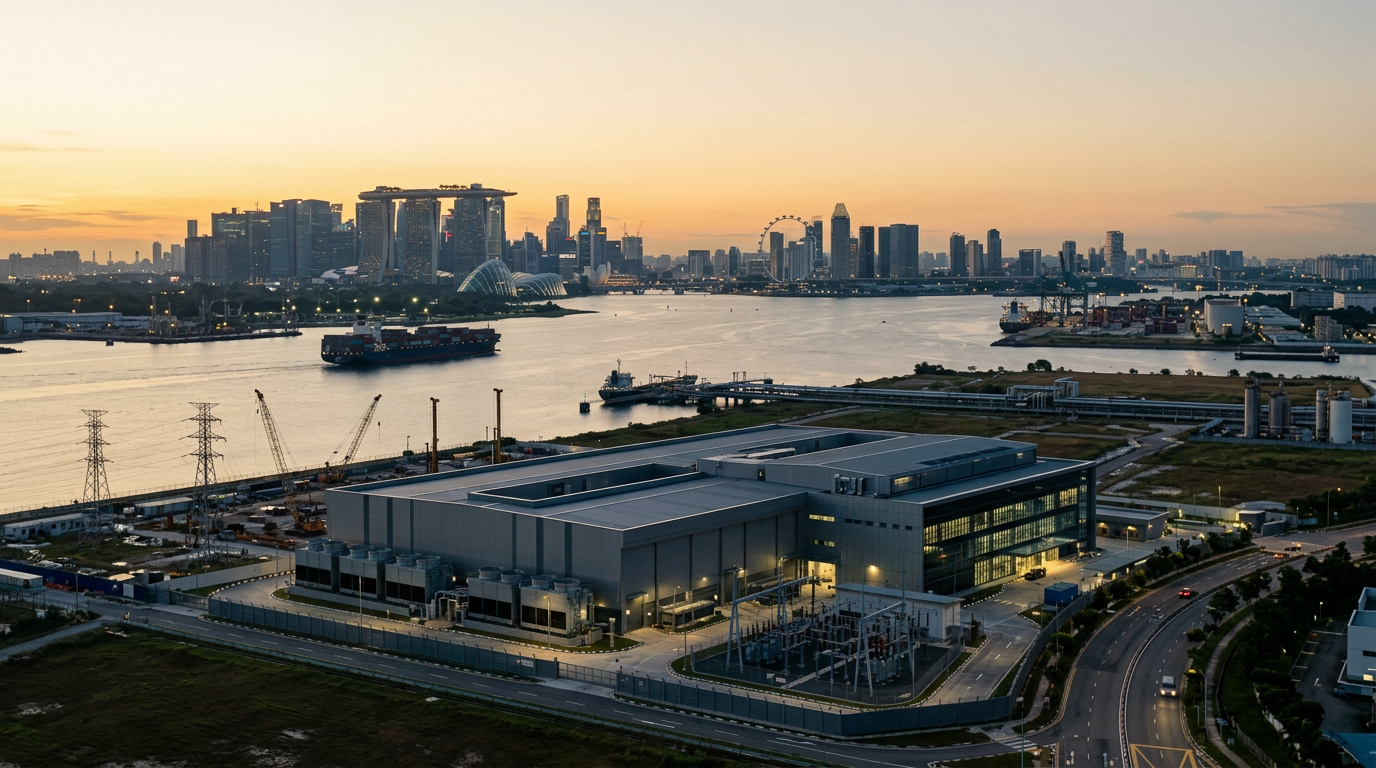
, Johor, and Batam: A Data Centre Ecosystem
Singapore is pursuing a premium data centre strategy due to resource constraints, while nearby Johor and Batam attract hyperscale investments. This emerging specialisation within the Singapore-Johor-Batam growth triangle is a live test of regional coordination on.
 Indonesia
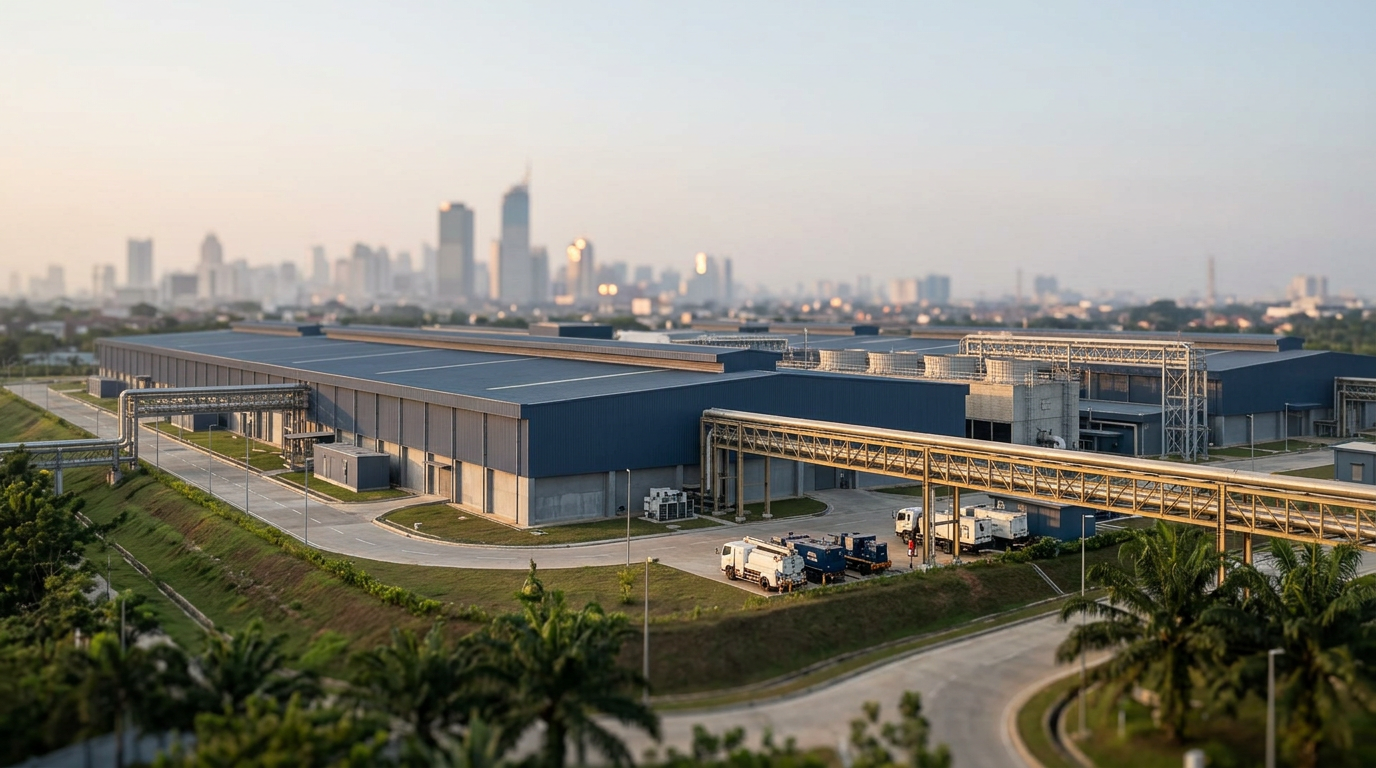
's Salim Group Takes Full Control of Data Center Venture, Formerly IndoKeppel
Salim Group has acquired Keppel's entire share in their joint data center venture in Indonesia, rebranding it as IndoData. This move highlights the growing competition and capital investment in Southeast Asia's digital infrastructure, particularly in emerging hubs like Indonesia.
 Indonesia
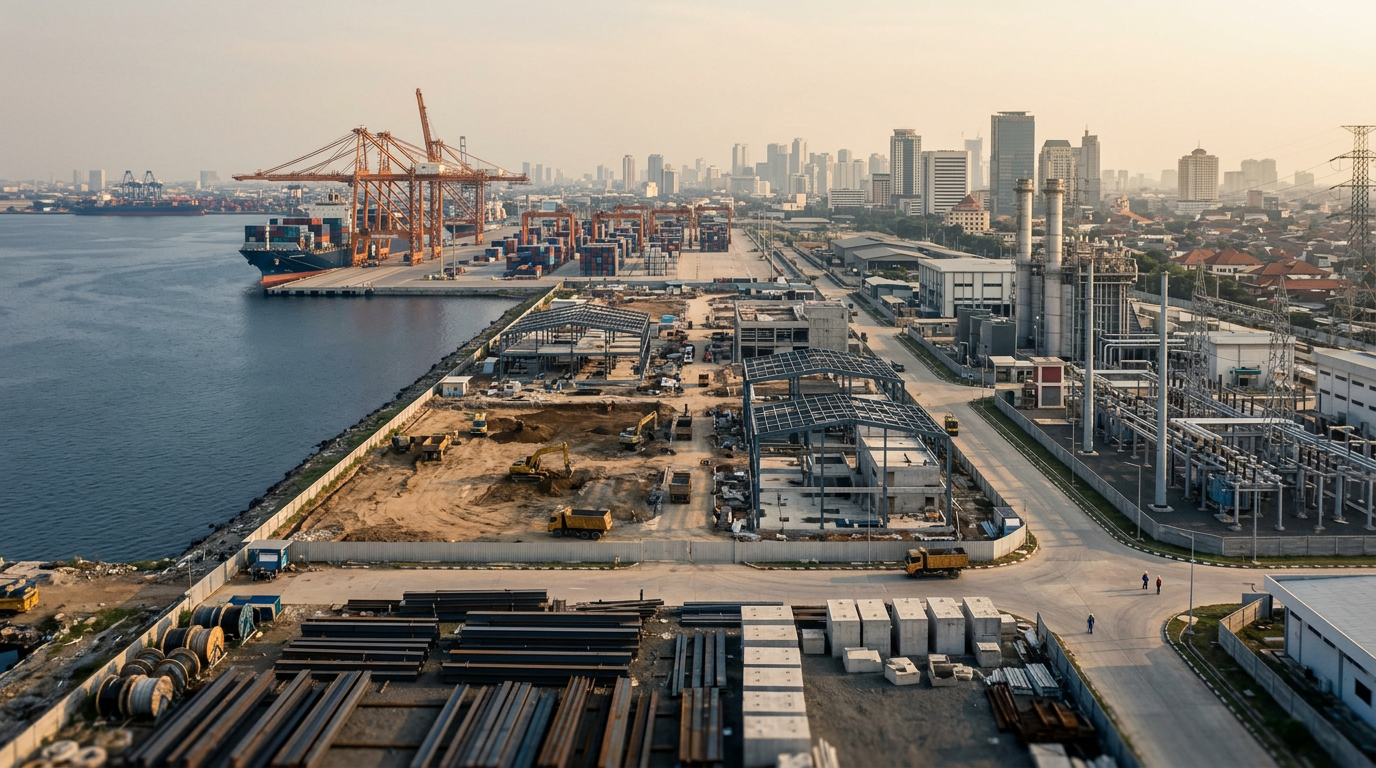
: From FDI Pledges to Project Realities
Indonesia has secured high-profile FDI pledges, yet the real test lies in converting these announcements into tangible projects. The journey from headline numbers to operational assets is a complex process of managing land, permits, power, and talent.
 Indonesia
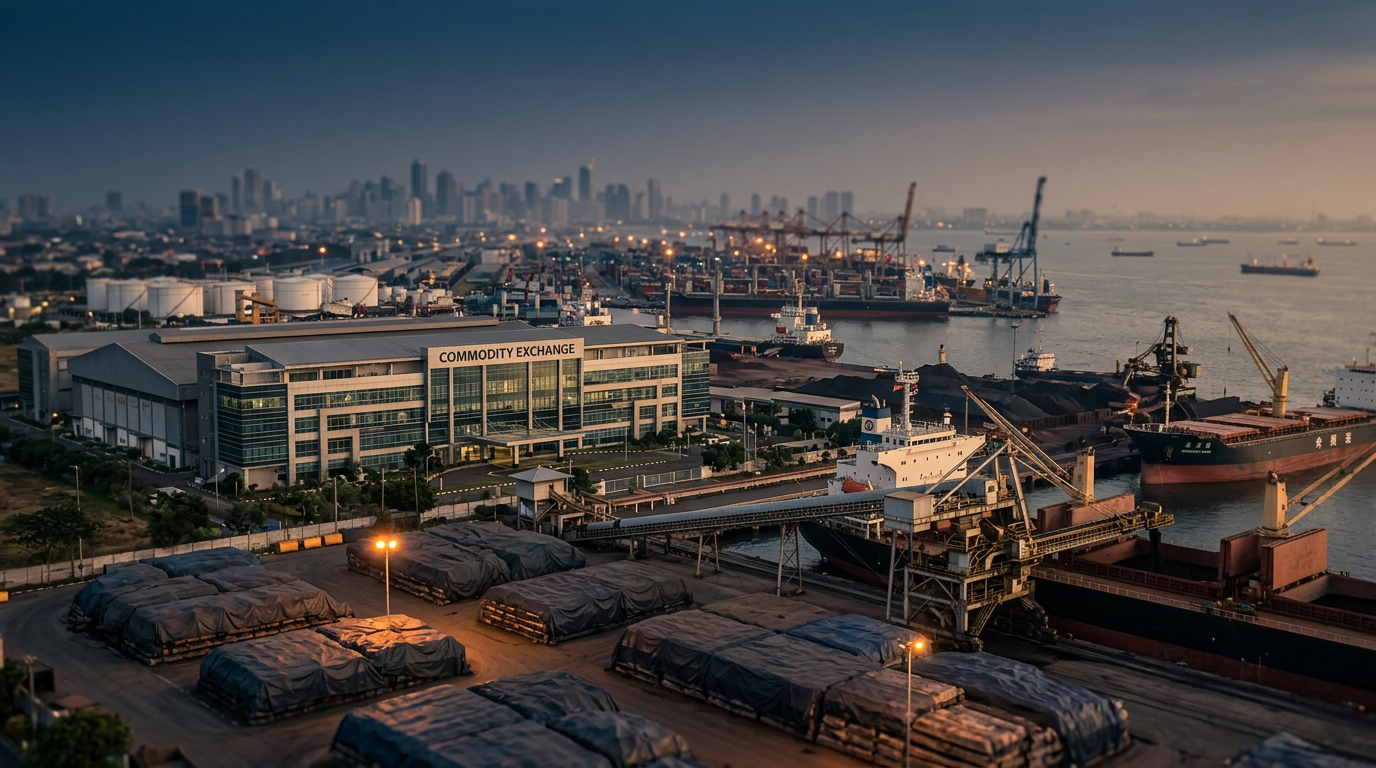
's Commodity Exchange and the Challenge of Managed Dependency
Jakarta's plan for a new commodity exchange for strategic minerals is a national initiative, but it raises regional questions about how to manage deepening trade links with China.
 Indonesia
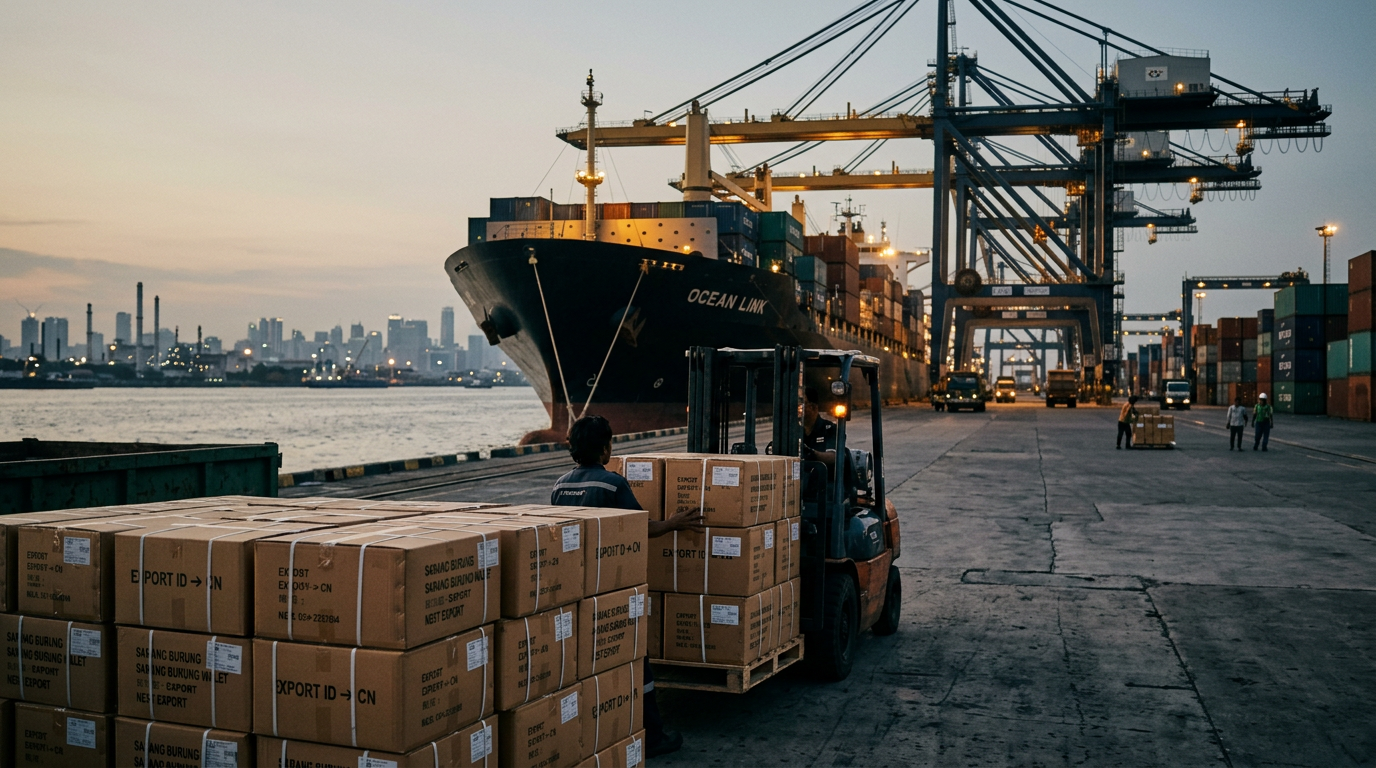
's Edible Bird's Nests Illustrate Deep China Trade
Indonesia's booming edible bird's nest exports to China are a case study in the managed dependency that defines the region's trade relationship with its largest partner.
 Indonesia
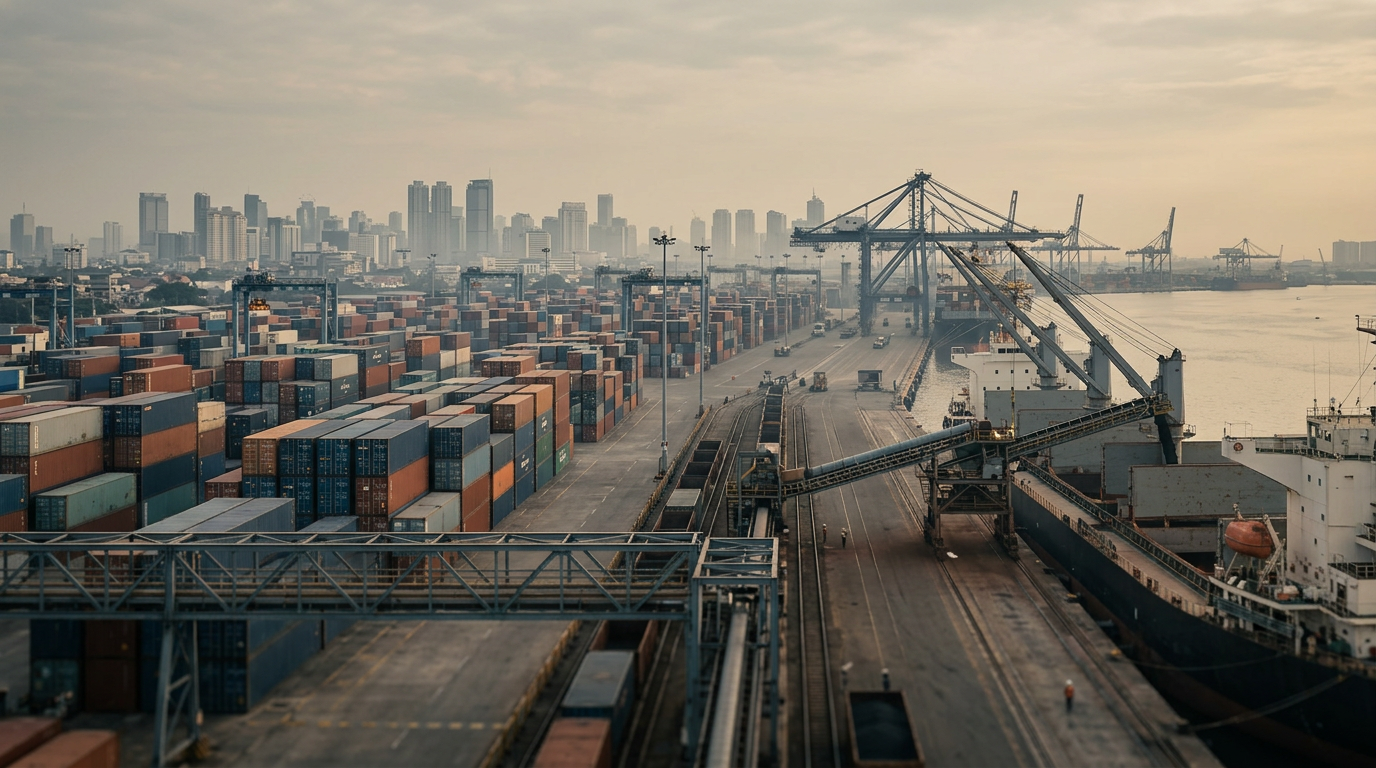
, China, and the Commodity Trade Tightrope
Jakarta's new state-run commodity export body is a bid to manage trade dependency, particularly on China, but its execution raises questions about institutional capacity and market trust.
 Indonesia
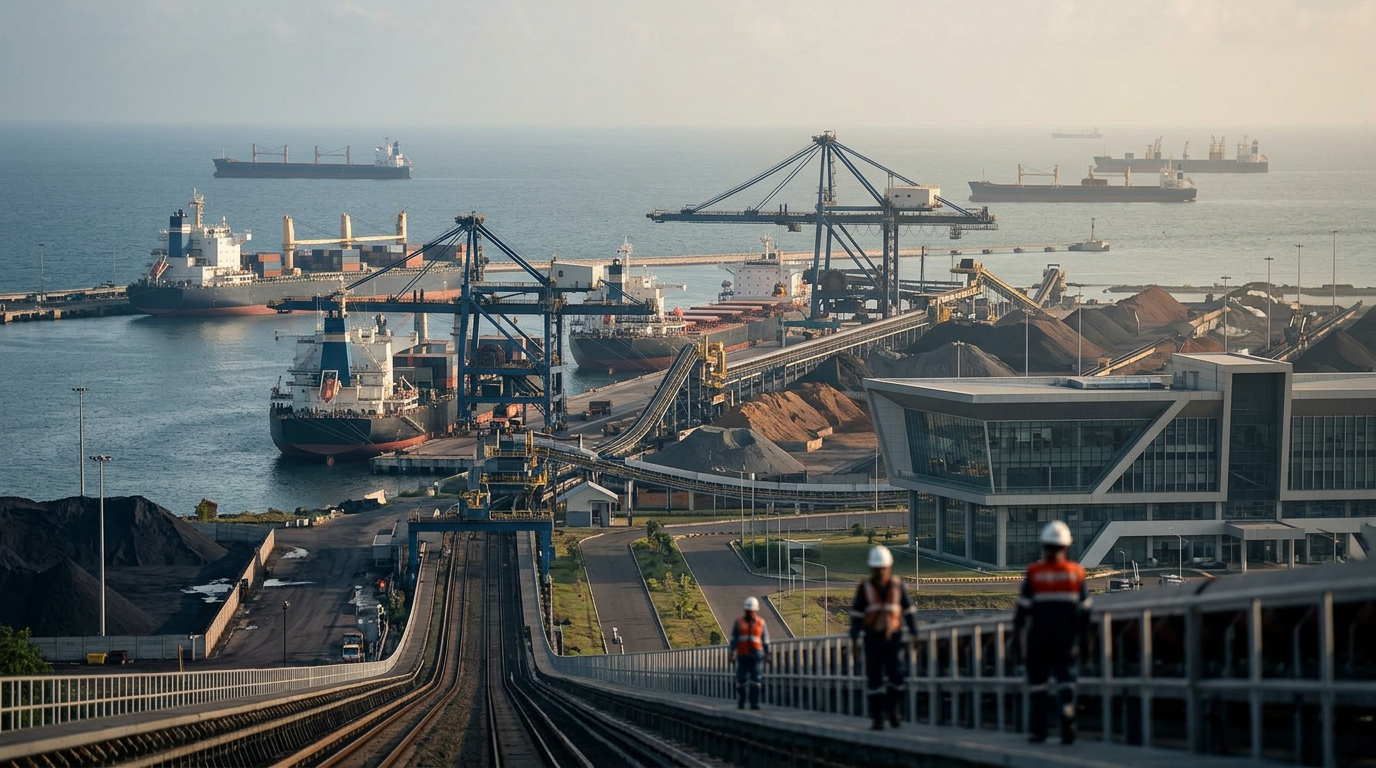
's Commodity Trade: A New Institution for a Structural Reality
Indonesia has created a new commodity export overseer, Danantara Sumberdaya. The move reflects a structural shift in trade, particularly with China, that requires new institutions to manage economic dependency while preserving strategic options.
 Indonesia
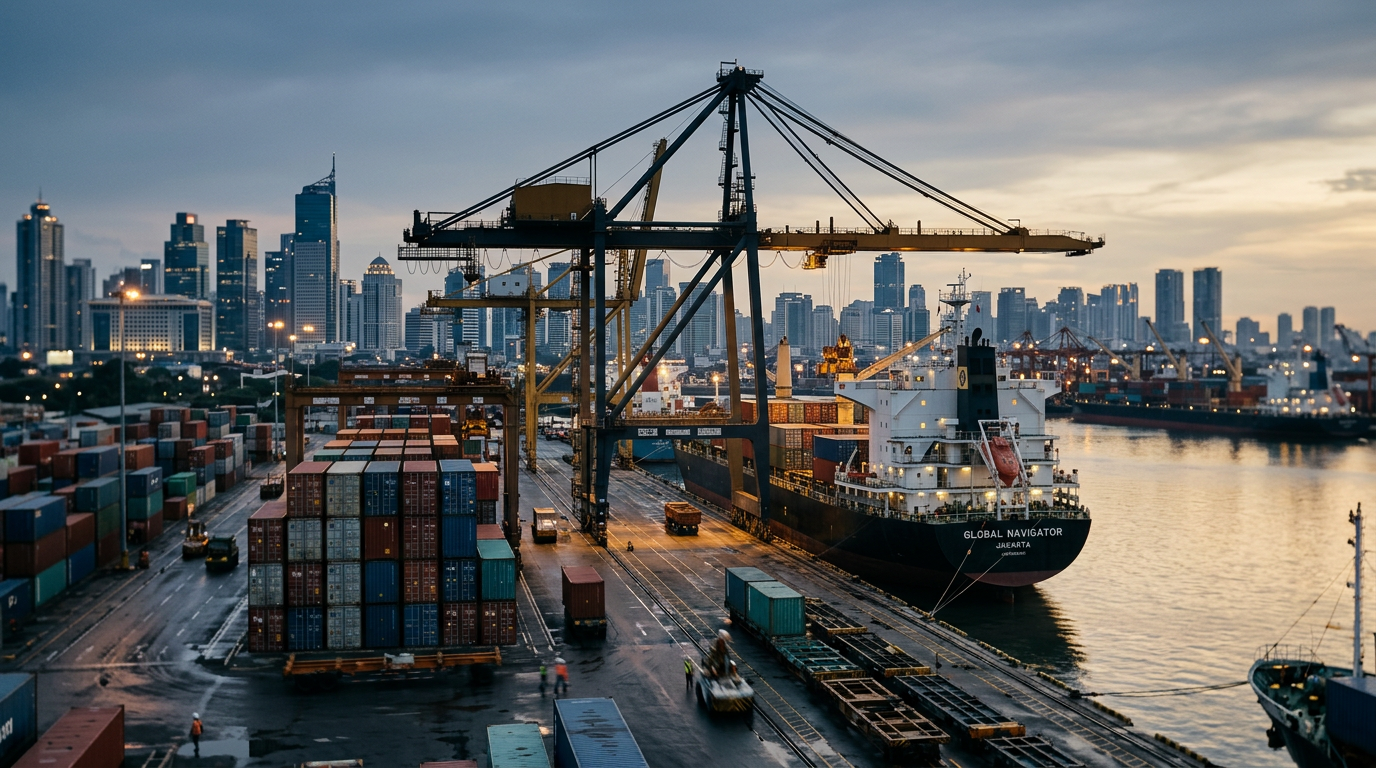
's Commodity Oversight Plan Highlights a Regional Balancing Act
A new Indonesian plan to track commodity shipments underscores a region-wide effort to manage deep trade relationships with China while maintaining strategic independence.
 Indonesia
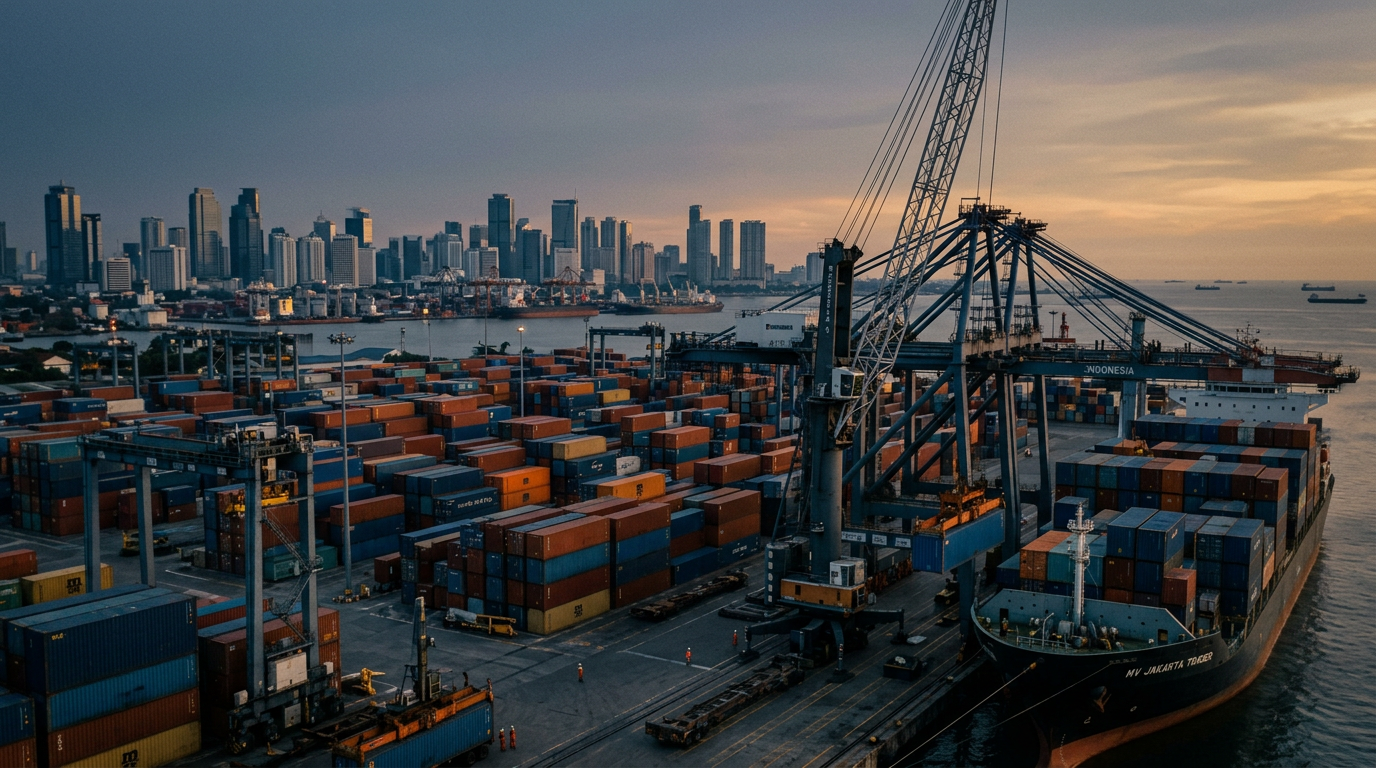
-China Trade: A Commodity Snapshot of a Structural Reality
Indonesia's latest commodity exports to China are a small but significant indicator of a larger structural reality for ASEAN. The region's trade depth with China requires a sophisticated approach to managing dependency while preserving strategic options.
 Indonesia
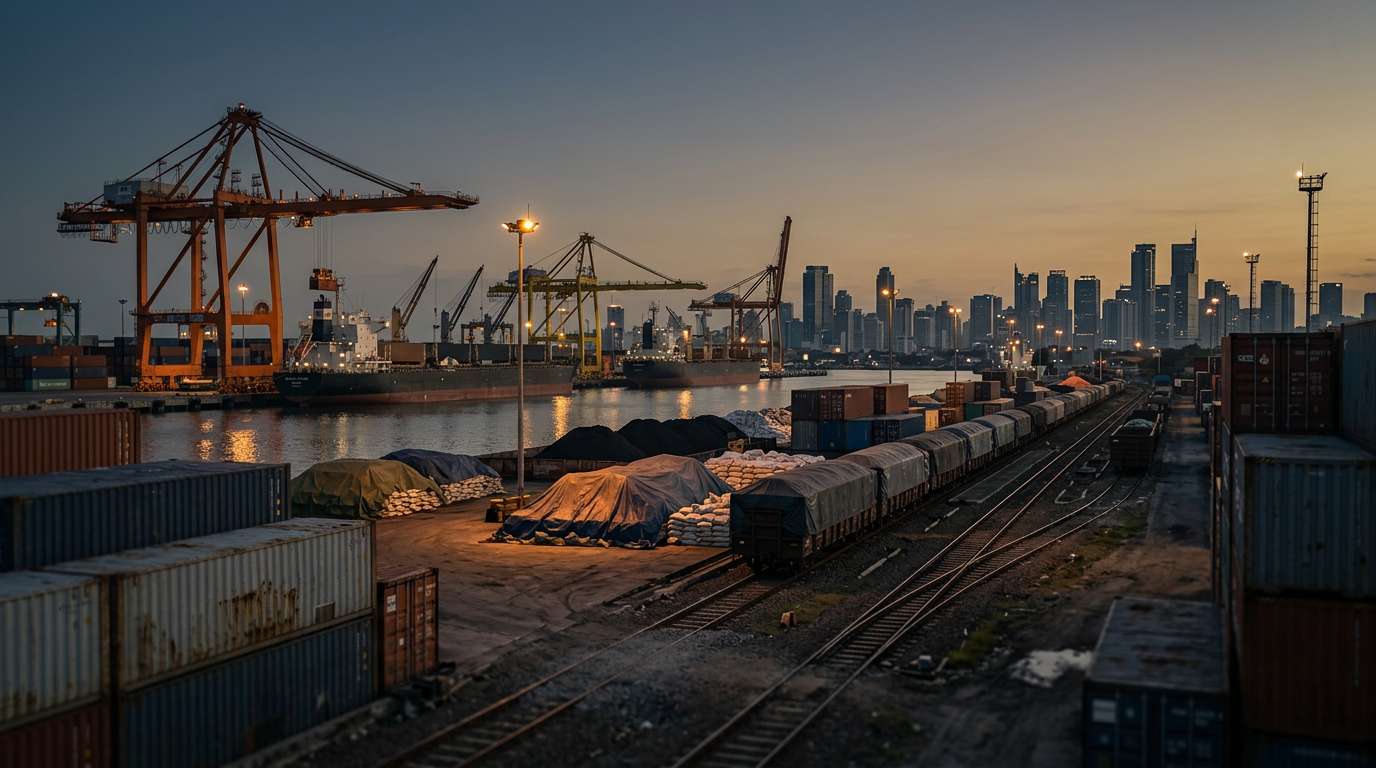
's Commodity Bourse and the Perils of Price Setting
Indonesia plans a new commodity exchange to set its own prices, but this move highlights the challenge of managing economic sovereignty while deeply integrated with global markets, particularly China.
 Indonesia
 balances investment and sovereignty
President-elect Prabowo Subianto's visit to Beijing highlights Indonesia's foreign policy balancing act. For Jakarta, sovereignty over its mineral wealth and a "free and active" foreign policy must coexist with the drive for foreign direct investment.
 Indonesia
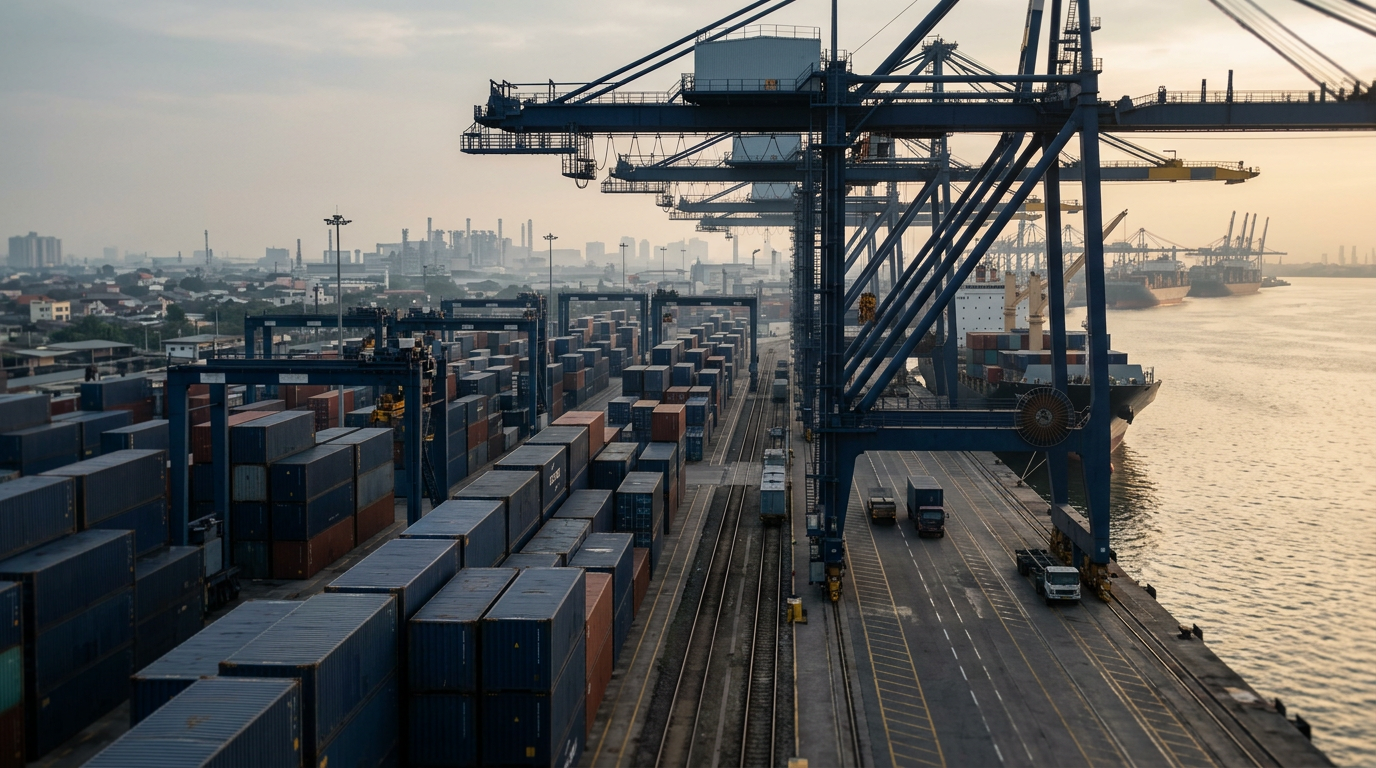
, Uruguay, and the Trade Diversification Imperative
Indonesia is expanding commodity export cooperation with Uruguay, a move that reflects a broader ASEAN strategy to manage trade dependency on China.
 Indonesia
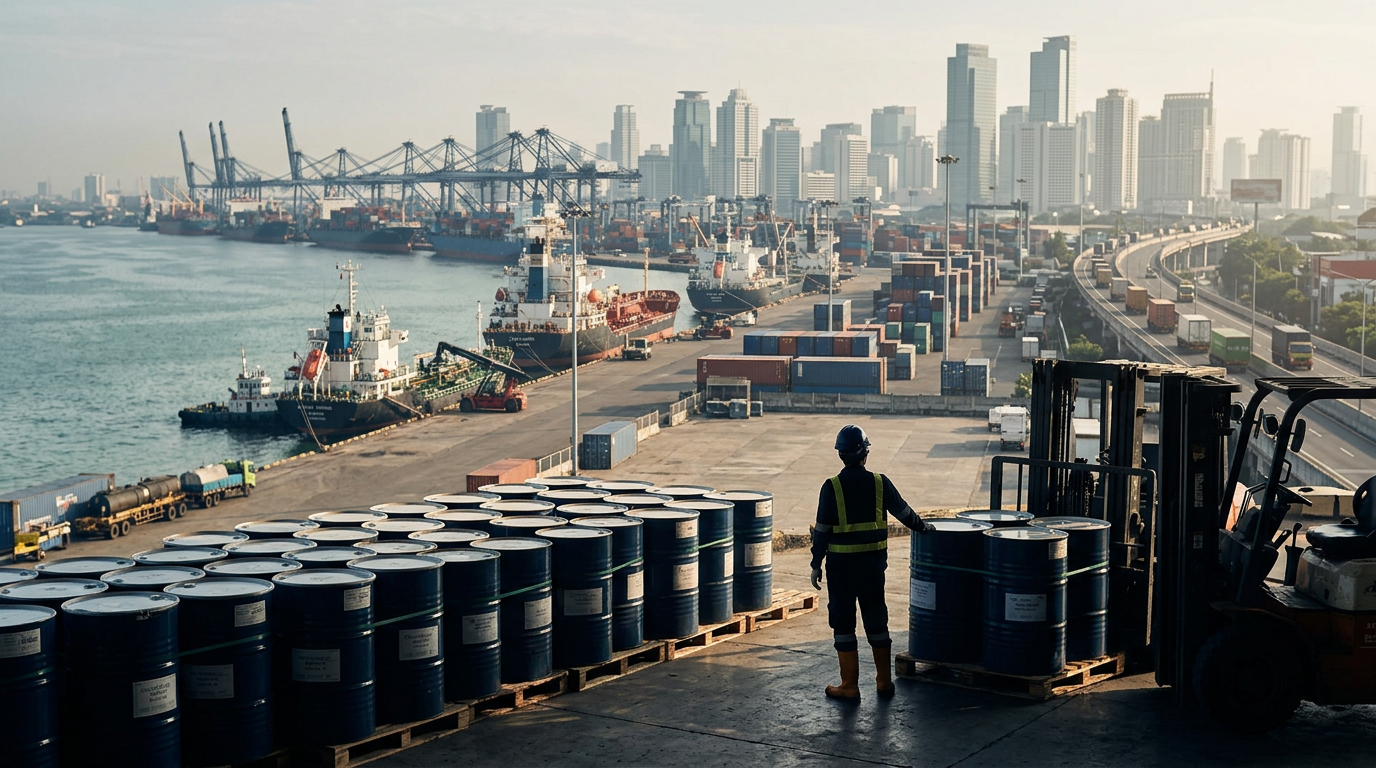
, Patchouli, and the Challenge of Value Addition
Indonesia wants to add more value to its patchouli oil exports. This mirrors a broader ASEAN challenge: how to move up the value chain from being a mere supplier of raw materials to a producer of finished goods, especially with China as the region's primary trade partner.