Indonesia
Indonesia and the ASEAN Power Grid: A Question of Execution
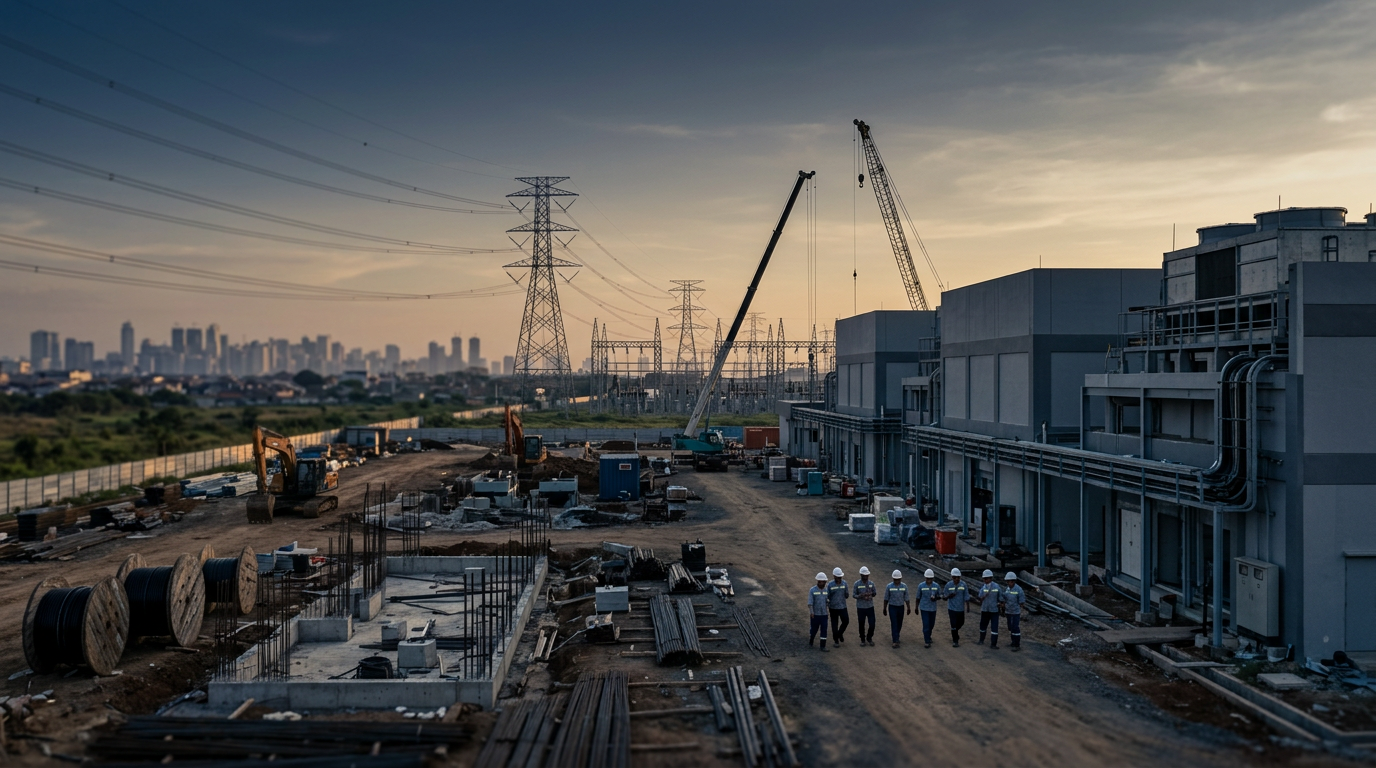
Indonesia's hesitation to join the ASEAN Power Grid highlights a core theme of regional integration: Announced infrastructure is one thing, but execution is another. For the APG to fulfill its promise, the institutional framework must be as solid as the physical connections.
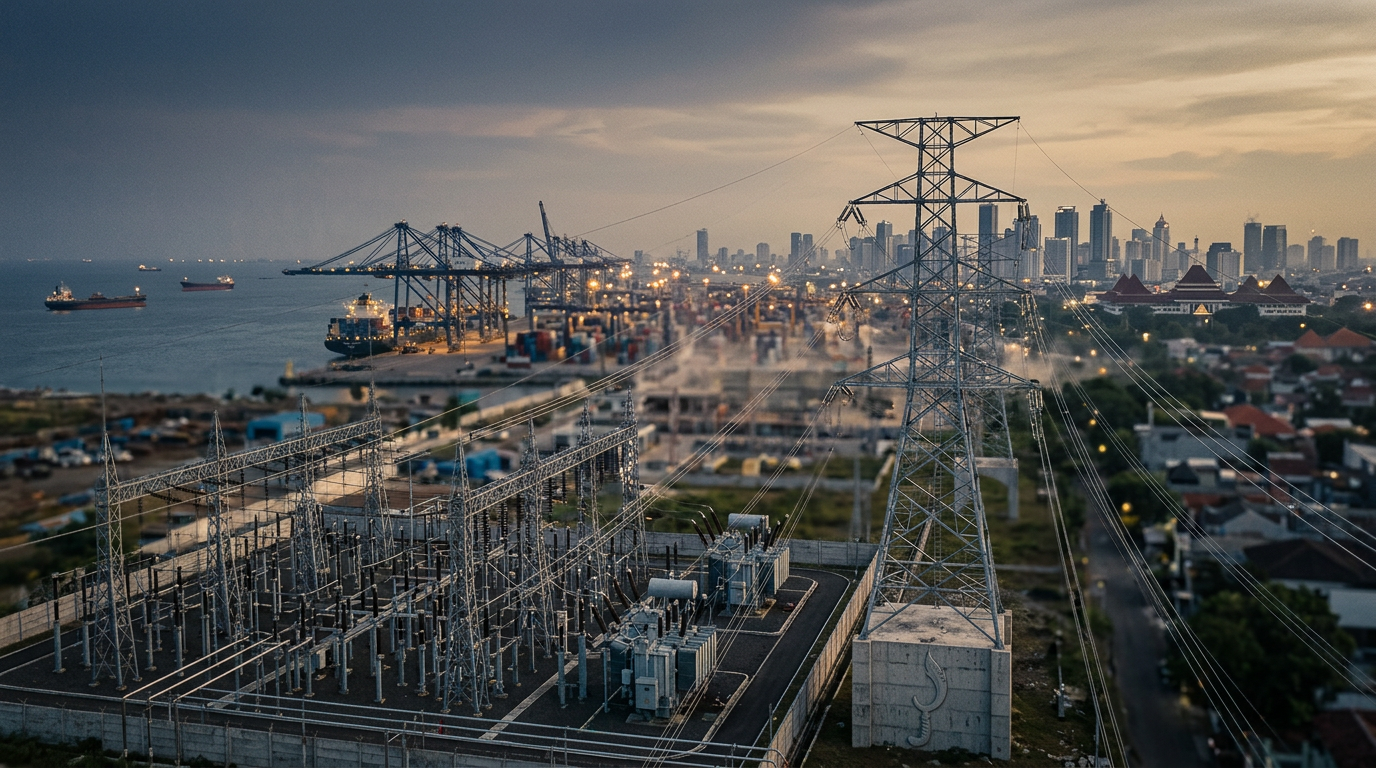
Indonesia's Minister of Energy and Mineral Resources recently stated that the country has not yet signed on to the ASEAN Power Grid (APG), an initiative for an integrated electrical system among ASEAN member nations. As reported by en.tempo.co, the government's current position is that signing the pact is not yet a priority. This stance raises questions about the execution of one of ASEAN's most ambitious infrastructure projects.
Institutions and Infrastructure
The APG aims to create a unified power market, enhancing energy security and enabling the sharing of renewable resources across Southeast Asia. The project has been a cornerstone of ASEAN's economic integration narrative for years. However, large-scale, cross-border infrastructure projects depend on more than just technical feasibility. They require deep institutional alignment on regulations, pricing, and dispute resolution. Without this, friction costs rise and participation becomes less attractive. As the book "ASEAN Rising" notes, the ability to deliver infrastructure on schedule is a powerful signal of state capacity and reliability.
The Cost of Friction
For Indonesia, the calculus involves balancing national energy priorities with regional commitments. The government has indicated a focus on ensuring domestic power supply and stability before committing to a regional grid. This perspective is understandable, as a premature connection to an unstable or poorly regulated grid could introduce risks. The delay is not necessarily a rejection of the APG's goals, but a reflection of the practical hurdles involved in harmonizing ten distinct national energy policies and systems. The institutional framework governing the APG must be robust enough to de-risk participation for all members, ensuring that the benefits of an integrated market are accessible without compromising domestic energy security.
State Capacity on Display
The gap between the announcement of ambitious projects and their implementation is a recurring theme in economic development. The APG is a clear example. While the vision is compelling, its success hinges on the collective institutional capacity of ASEAN members to build and govern it effectively. The book highlights that "a usable state is often more valuable than an exciting one." In the context of the APG, this means the tedious work of building regulatory trust and operational agreements is just as important as the physical construction of transmission lines. Indonesia's hesitation is a signal that this foundational work may require more attention.
What to watch: Observe the diplomatic and technical negotiations around the APG's regulatory framework. Progress in creating clear, enforceable rules for cross-border energy transmission and sales will be a more significant indicator of the project's future than high-level endorsements. Indonesia's eventual decision will serve as a barometer for the perceived reliability and practicality of ASEAN's institutional arrangements for large-scale infrastructure.