Indonesia
Indonesia's Commodity Exchange and the Question of China
Indonesia plans to establish a new commodity exchange, Icomex, to become a price maker. The initiative reflects a broader ASEAN trend of building institutional capacity to manage deep trade ties with China.
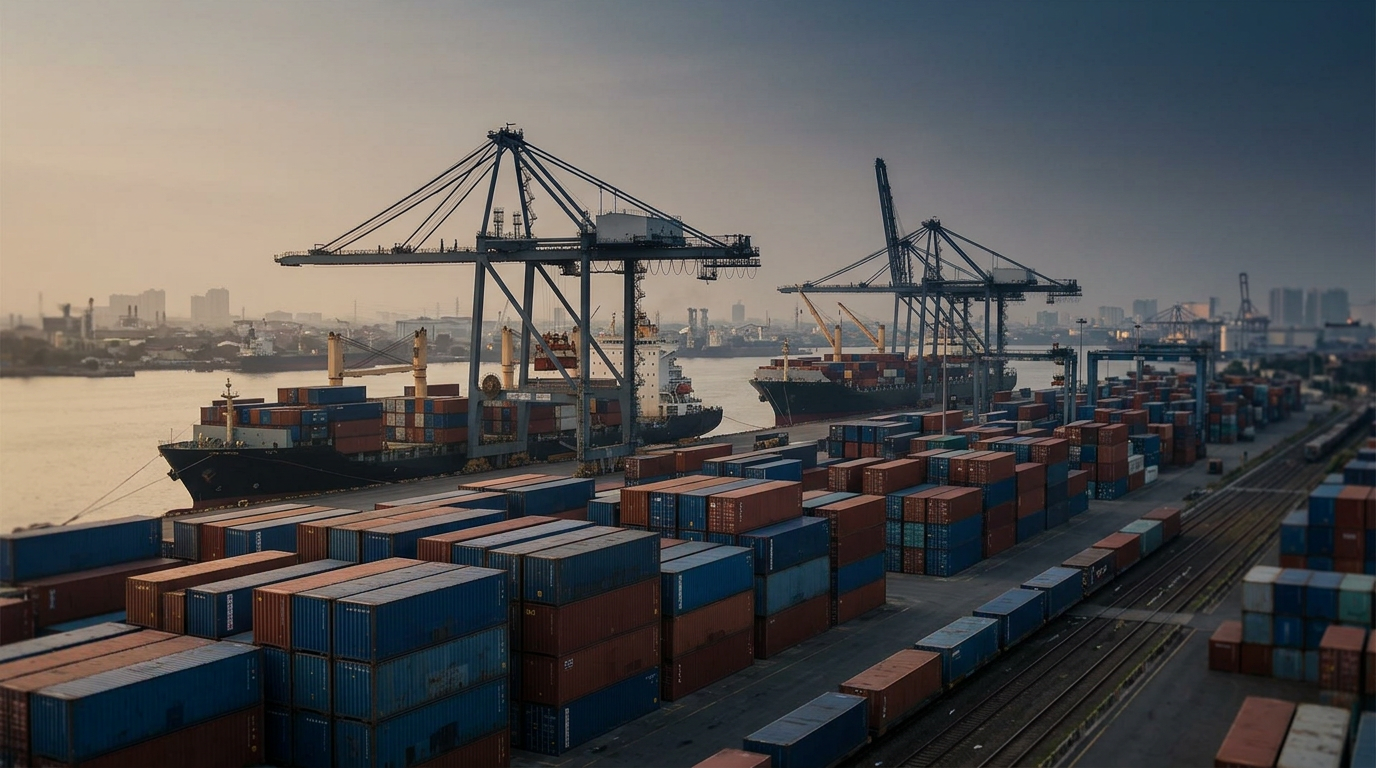
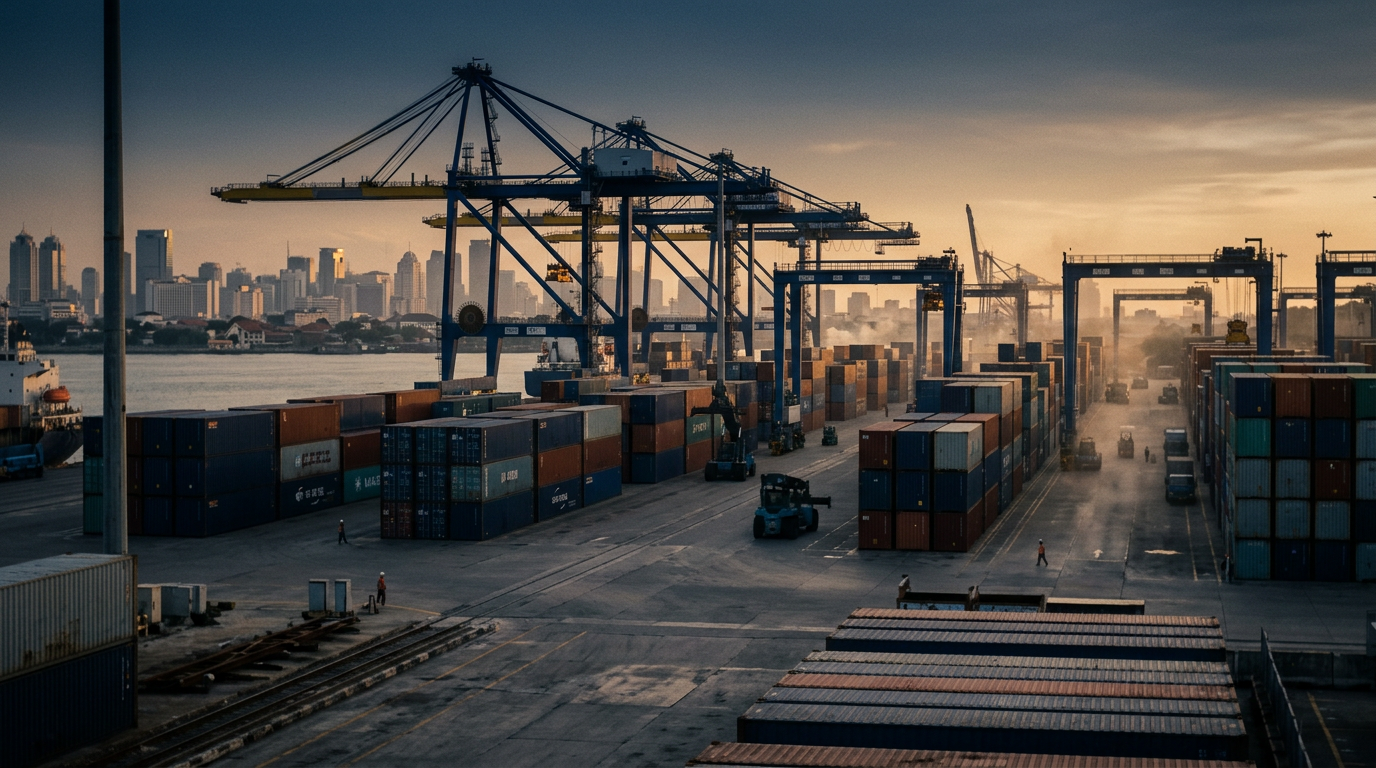
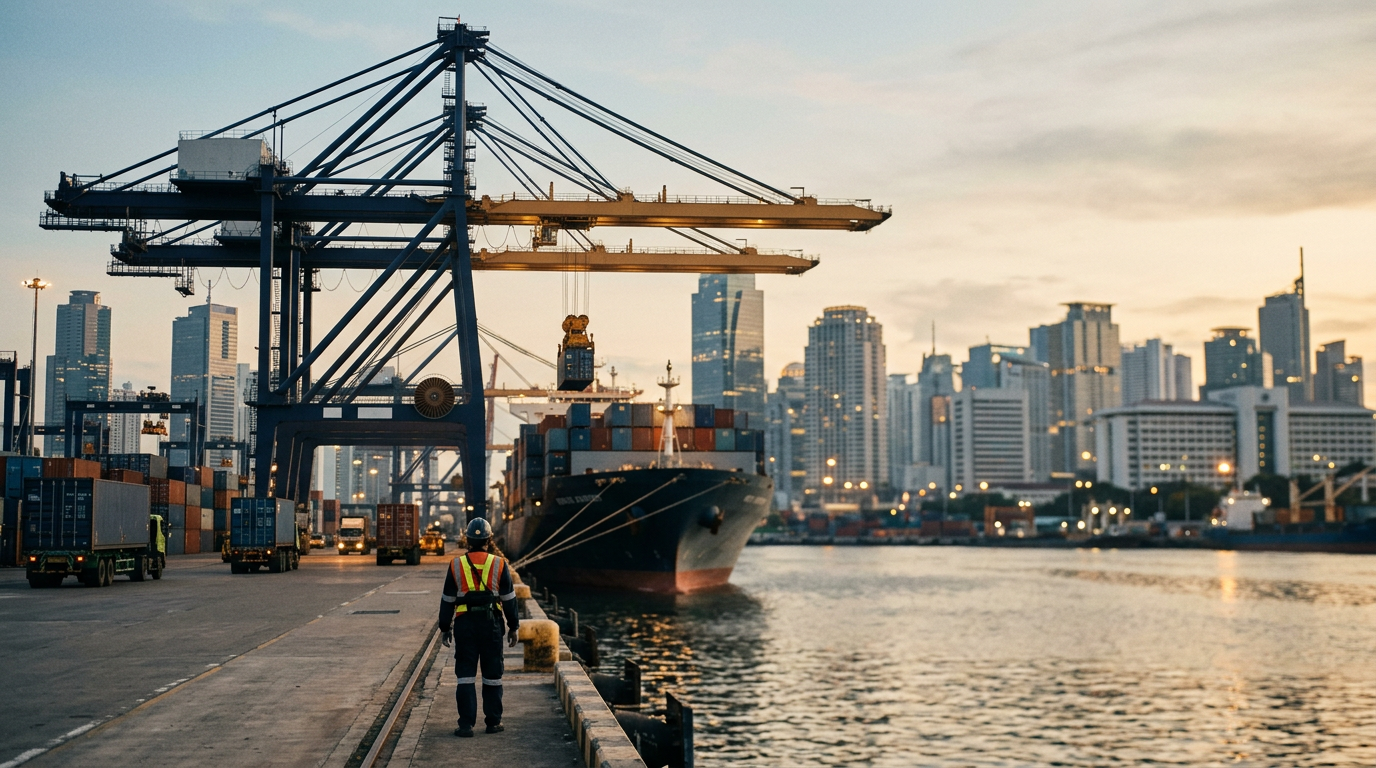
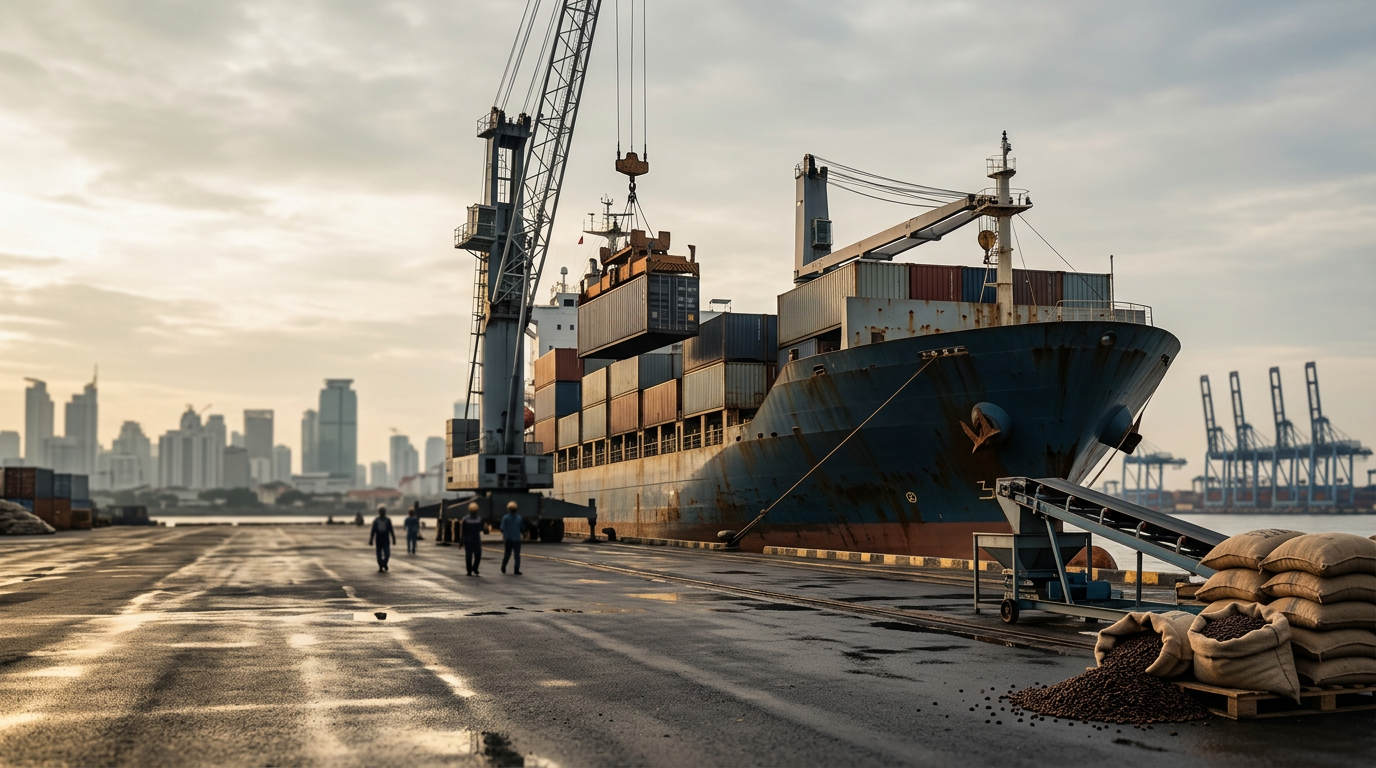
A recent analysis from The Jakarta Post questions whether Indonesia's planned commodity exchange, Icomex, can shift the country from a commodity price taker to a price maker. The government's ambition is to create a domestic benchmark for its key exports, moving pricing power away from established global exchanges in London, New York, and Singapore. The initiative highlights a fundamental challenge for resource-rich ASEAN economies: how to build the institutional and market power to better control their economic destinies, particularly in the context of their deep and complex trade relationships.
Institutions and Infrastructure
The establishment of a national commodity exchange is a direct attempt to build sovereign institutional capacity. For Indonesia, the goal of Icomex is to internalize the price discovery mechanism for strategic commodities like nickel, tin, and palm oil. Success depends on more than just a government decree. It requires sophisticated physical and digital infrastructure, including warehousing, quality verification systems, and a robust trading platform that can attract sufficient liquidity. Without a critical mass of domestic and international traders, the exchange will fail to produce credible benchmark prices, leaving Indonesia still subject to external pricing.
Managing Dependency on China
The Icomex initiative must also be viewed through the lens of ASEAN's trade relationship with China. As the largest buyer of many of Indonesia's raw materials, China is the most significant single source of demand. This trade concentration gives Chinese buyers considerable influence over pricing. A domestically controlled exchange could, in theory, provide a counterweight to that influence. However, for a bourse to be effective, it must be trusted by all market participants, including those from China. As the book "ASEAN Rising" notes, the reality for member states is that "trade depth with China is now a structural feature, not a cyclical one." The goal is not to decouple from this powerful demand center but to develop better mechanisms for managing the terms of engagement. An Indonesian exchange that is perceived as a purely political tool to raise prices will likely be bypassed by major international players.
A Regional Pattern
Indonesia's move is not happening in isolation. Other ASEAN members are pursuing similar strategies to gain more control over their economic value chains. Malaysia has long been a leader in Islamic finance, creating institutions that shape global markets. Singapore has built a world-class institutional framework for capital markets and trade services. These efforts reflect a growing recognition across the region that dependency on foreign capital, infrastructure, and markets must be balanced with the development of homegrown capabilities. The success of Icomex will depend on Indonesia's ability to execute a long-term strategy that builds trust among producers, traders, and international buyers, including those in China.
What to watch is whether Icomex can attract enough trading volume to establish genuine benchmark prices for key commodities like nickel. Its ability to do so will be a measure of its success in building market trust and providing a viable alternative to established global exchanges. This will also serve as a test case for other ASEAN nations looking to assert greater control over their commodity wealth while navigating their dependency on major trading partners.