Indonesia
Indonesia, China, and the Commodity Trade Tightrope
Jakarta's new state-run commodity export body is a bid to manage trade dependency, particularly on China, but its execution raises questions about institutional capacity and market trust.
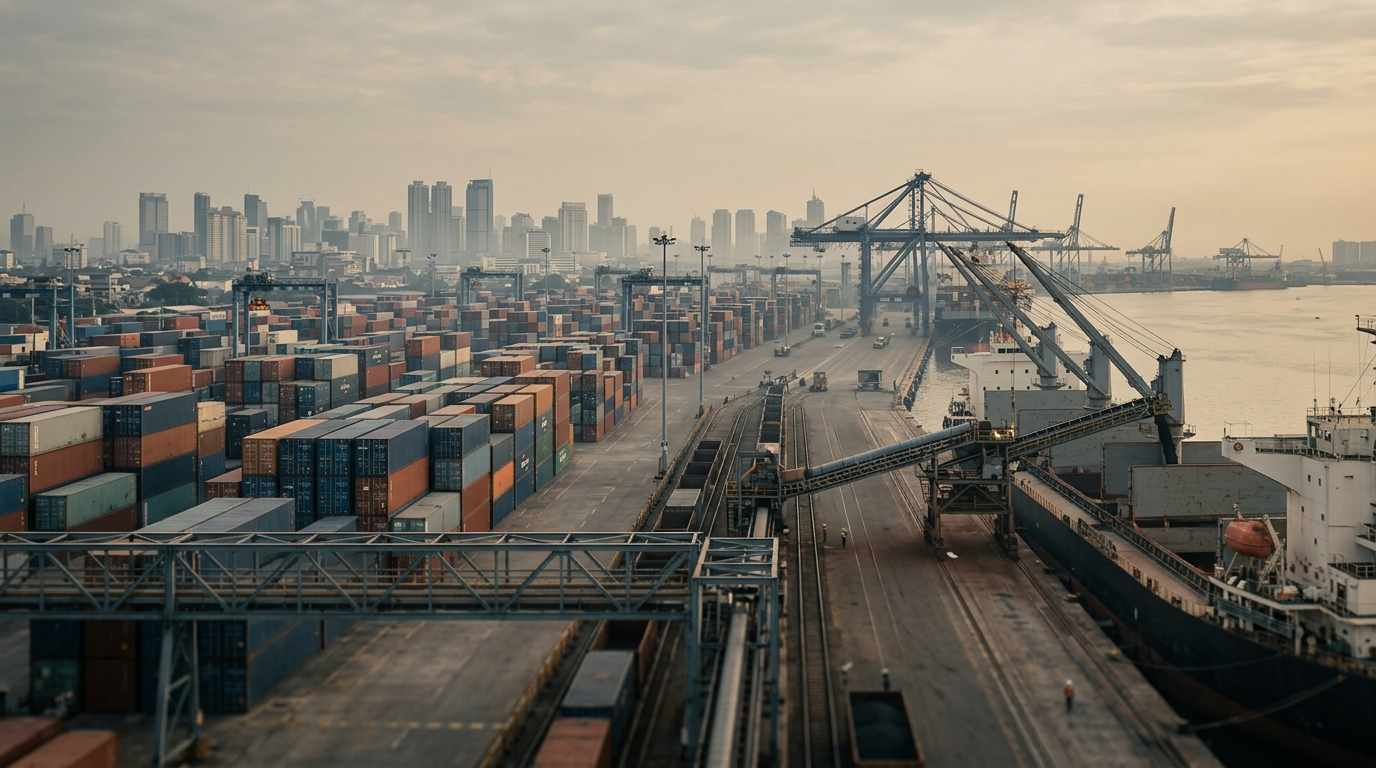
Indonesia has formally launched a state-run entity to manage commodity exports, a move that has been met with confusion, according to a report from Nikkei Asia. The new body, which began operations months before its official inauguration, is intended to oversee key exports like coal, palm oil, and ferroalloys. The initiative reflects a broader regional trend: governments are grappling with how to exert more control over their economic destinies, especially in their deep-rooted trade relationships.
Institutions and Execution
The creation of a state intermediary for commodity exports is a significant institutional shift for Indonesia. The stated goal is to improve oversight and management of the country's vast natural resources. However, the execution has been muddled. The fact that the entity was operating for nearly three months before its formal launch has created uncertainty among traders and partners. This raises questions about the institutional capacity to implement such a major policy without disrupting markets. Effective governance requires clear rules and predictable implementation, but the initial rollout suggests there may be gaps between policy intent and execution on the ground.
Capital and Strategic Dependency
This move is deeply connected to Indonesia's trade relationship with China. China is the dominant buyer for many of Indonesia's key commodities, including the coal and ferroalloys that fall under the new entity's purview. This trade relationship brings substantial capital into Indonesia but also creates a managed dependency. As noted in the book "ASEAN Rising", the core issue for governments is no longer about whether to engage with China, but "how to manage dependency without losing optionality." Jakarta's policy appears to be a direct attempt to address this, seeking to centralize control and potentially gain more leverage in pricing and trade terms. It is an assertion of sovereign control over the flow of capital tied to natural resources.
Infrastructure and Trust
The new state entity can be seen as a piece of national trade infrastructure. Its purpose is to build a more robust framework for managing the country's most valuable exports. Yet, for this new infrastructure to be effective, it must earn the trust of the market. The confusion surrounding its launch is a setback in this regard. International commodity trading relies on transparency and predictability. If buyers and traders perceive the new system as opaque or arbitrary, it could damage trust and potentially lead them to seek alternative suppliers, even if it comes at a higher cost. Building a resilient trade framework requires not just new institutions, but also a commitment to clear communication and processes that market participants can rely on.
What to watch
Observers should monitor the operational details of the new export body and the market's reaction. The key indicators will be how the entity clarifies its rules, how it affects commodity pricing and export volumes to major partners like China, and whether it succeeds in building market trust over the long term. The evolution of this policy will offer lessons for other ASEAN nations navigating similar dependencies and ambitions for greater economic control.