Indonesia
The Real Co-Host of the FIFA ASEAN Cup Is State Capacity
The FIFA ASEAN Cup is not just a sporting event. It is a multi-year, multi-country test of institutional reliability, state capacity, and the region's ability to execute complex infrastructure projects on time and on budget.
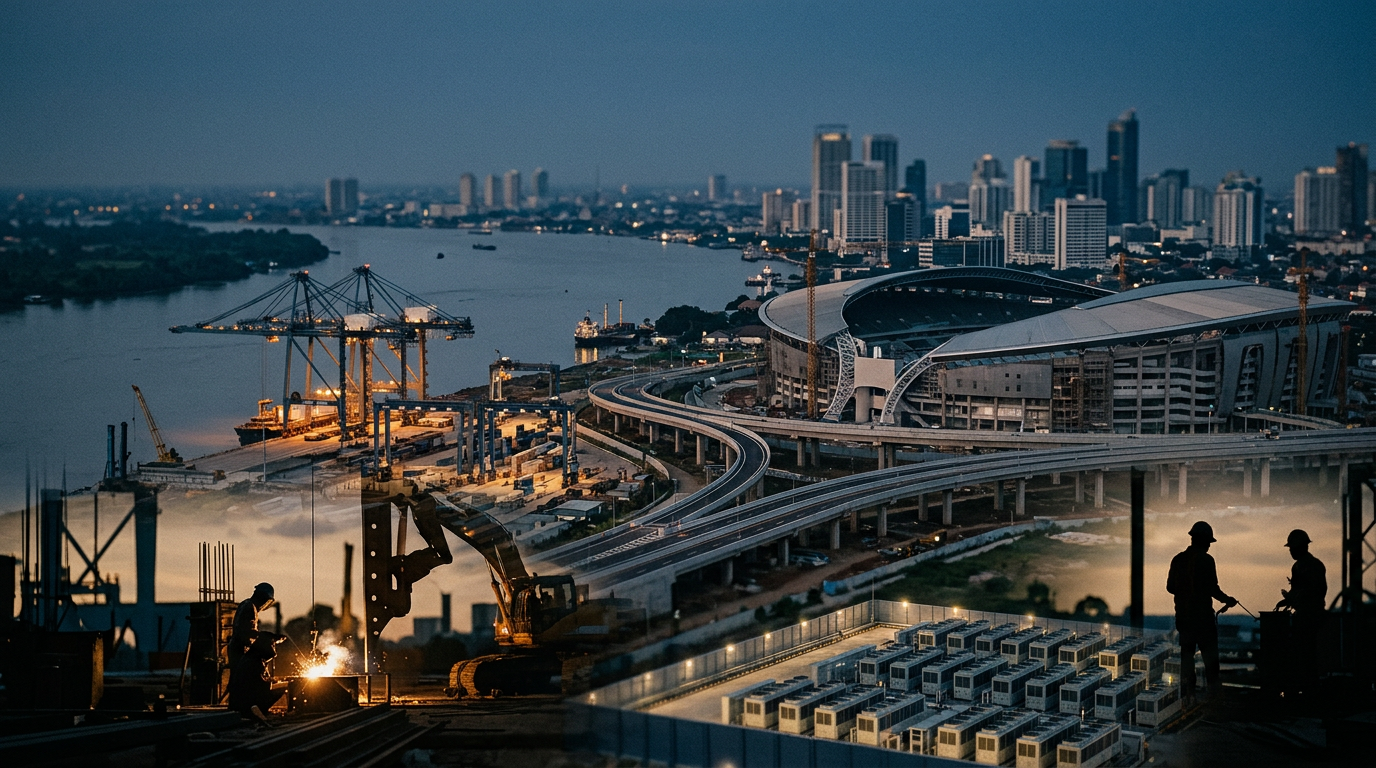
The inaugural FIFA ASEAN Cup 2026 opened in Jakarta on September 25, a milestone in cooperation between the regional bloc and the global football body, as reported by asean.org. While the tournament is a significant sporting and cultural event, its deeper importance lies in what it reveals about the institutional capacity of the co-hosting nations.
The Infrastructure Signal
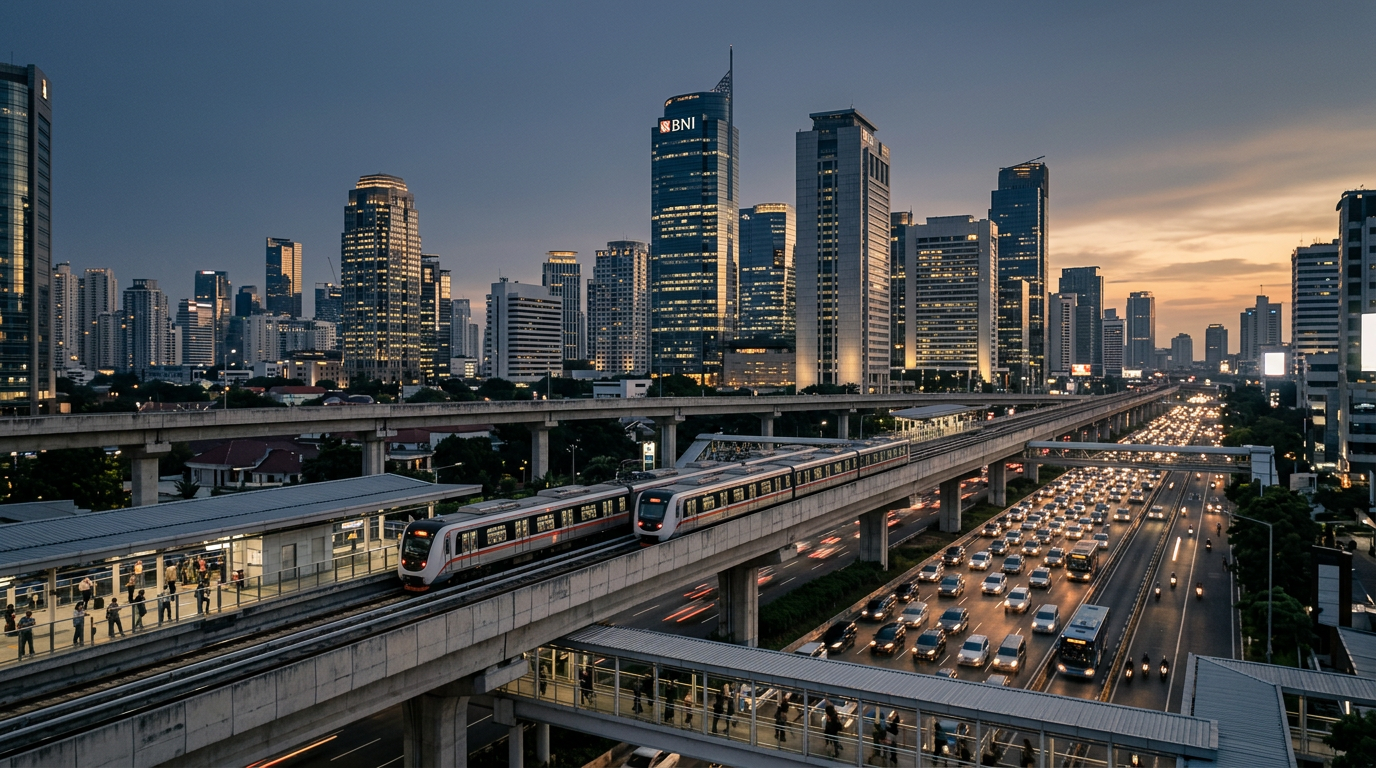
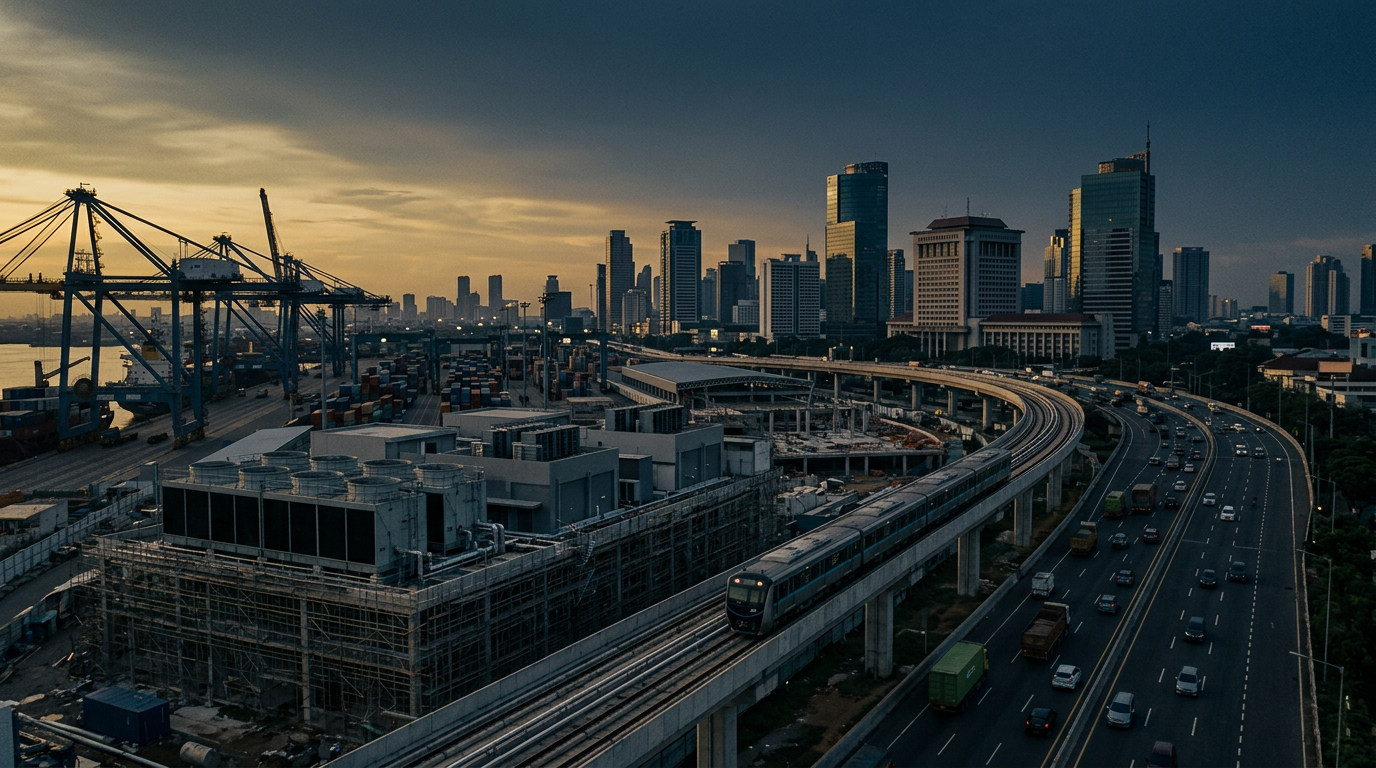
A sporting tournament of this scale is a real-world test of project management and execution. Hosting requires not only stadiums but also a vast supporting network of transport, accommodation, and digital infrastructure. As detailed in "ASEAN Rising," the ability to deliver these complex projects on schedule is a powerful signal to international investors and partners. "Infrastructure that arrives on time signals more than infrastructure that is merely announced." The smooth opening of the cup, therefore, is not just a celebration of football but a demonstration of the quiet, essential work of a usable state.
Institutions and Execution
The FIFA ASEAN Cup is a complex, cross-border undertaking that relies on the coordinated efforts of multiple governments, agencies, and private sector partners. This logistical challenge highlights the importance of institutional reliability. Smooth customs procedures, coordinated security, and seamless transport links between co-hosting nations are all products of effective institutions. The success of the tournament will depend on this underlying framework, which, while less visible than a new stadium, is far more indicative of a country's long-term prospects. Reliable execution in complex projects has become a core component of comparative advantage in the global economy.
Beyond the Games
While the focus is on the 2026 tournament, the real prize is the long-term legacy of improved infrastructure and strengthened institutional capacity. The discipline and coordination required to host a major international event can create lasting benefits. The transport links built, the project management skills developed, and the cross-border relationships forged will serve the region's economies long after the final match. This tournament is a catalyst for building the dependable, functional state capacity that is essential for sustained economic growth.
What to watch: Observers should look beyond the football results to monitor the operational aspects of the tournament. The efficiency of transportation links between host cities, the reliability of digital connectivity for media and fans, and the overall management of logistics will offer tangible evidence of the region's institutional strength. These factors provide a clearer picture of development than any headline-grabbing announcement.