Indonesia
, Gulf FDI, and the Long Road from Announcement to Reality
Scale matters only when institutions can turn it into investable depth. FDI announcements travel quickly. Realised flows depend on the slower work of land, permits, power and talent reaching the ground.
A recent meeting between foreign ministers of ASEAN and the Cooperation Council for the Arab States of the Gulf (GCC) in New York included a focus on strengthening economic ties and promoting investment flows. As reported by ASEAN.org, the session, held on the sidelines of the UN General Assembly, resulted in a joint statement encouraging "mutual direct investment". For a country like Indonesia, which is actively seeking capital for major national projects, announcements of this nature are welcome. Yet they also serve as a reminder that the path from high-level agreement to tangible economic impact is a long one, paved with the quiet work of institutional execution.
Capital and Institutions
Indonesia possesses the scale that naturally attracts the attention of global investors, including those from the Gulf. Its large population, growing middle class, and abundant natural resources make for a compelling story. However, as the book ASEAN Rising notes, this scale is only part of the equation. To translate expressions of interest into realized foreign direct investment (FDI), the country's institutions must function effectively. Investors look beyond the headlines to the practical realities of doing business on the ground. The promise of Gulf capital, for instance, will be tested by the efficiency and transparency of Indonesian bureaucracy.
Successfully absorbing large-scale investment requires a robust institutional framework. This includes predictable regulations, a reliable legal system to enforce contracts, and streamlined processes for obtaining the necessary licenses and permits. Without these elements, announced FDI can be delayed, downsized, or diverted elsewhere. Indonesia has made progress in this area, but the work is ongoing. The government's focus on improving the ease of doing business is a direct acknowledgment that capital flows to where it can be deployed efficiently and securely.
Infrastructure and Talent
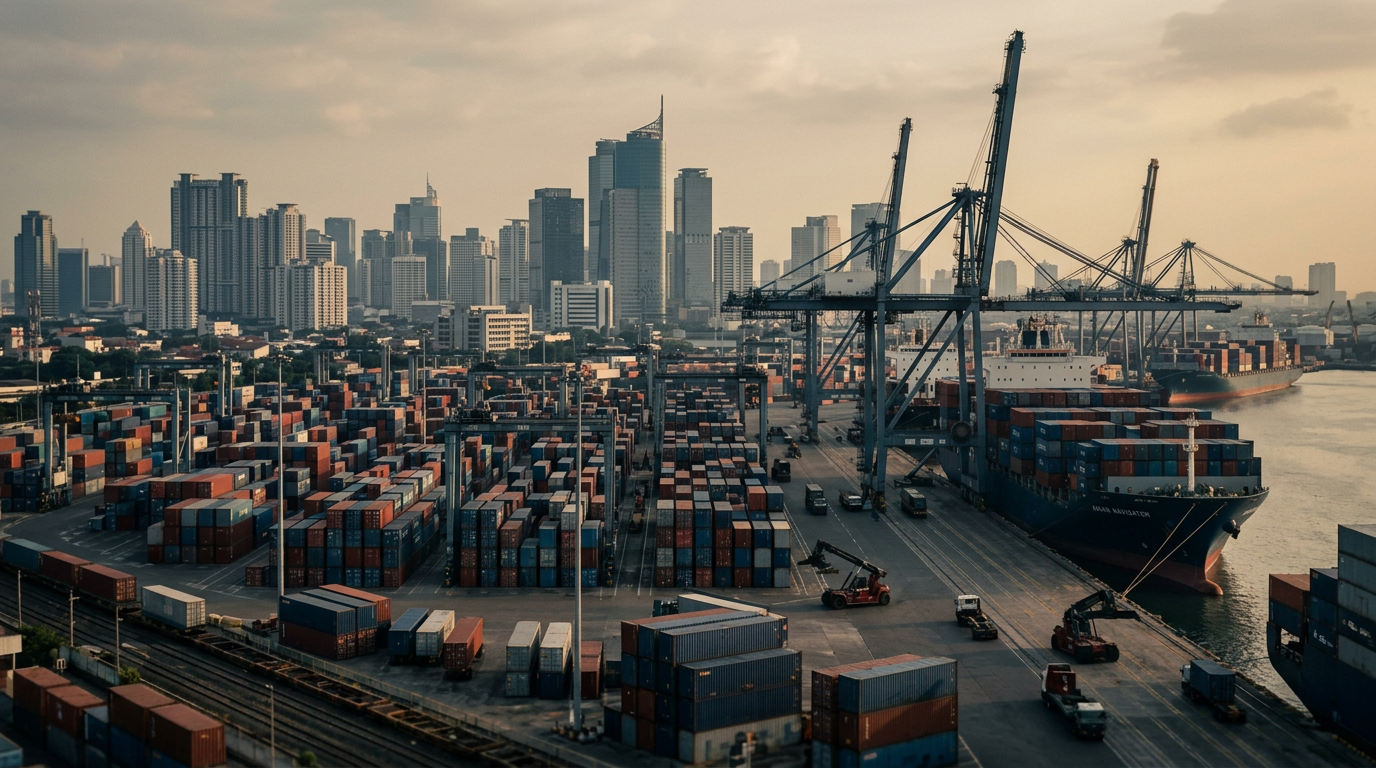
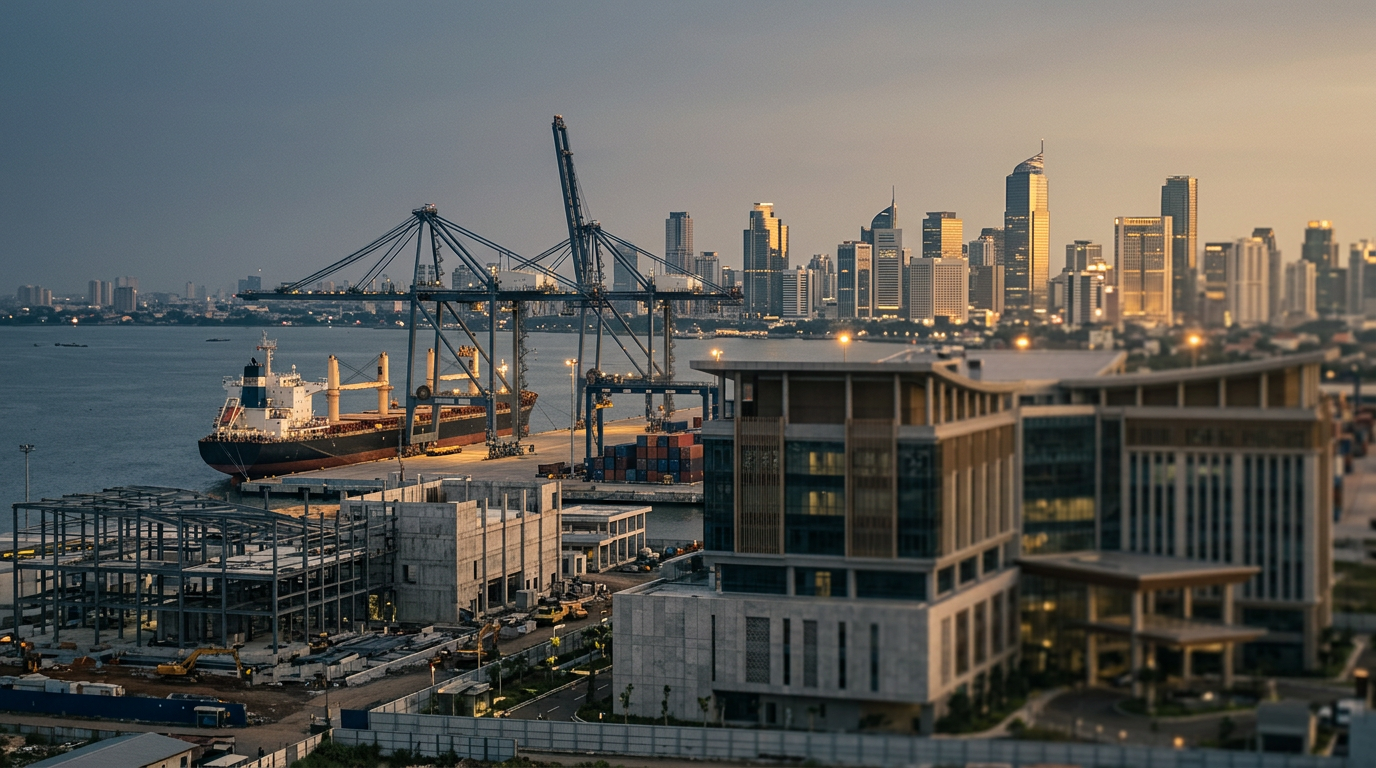
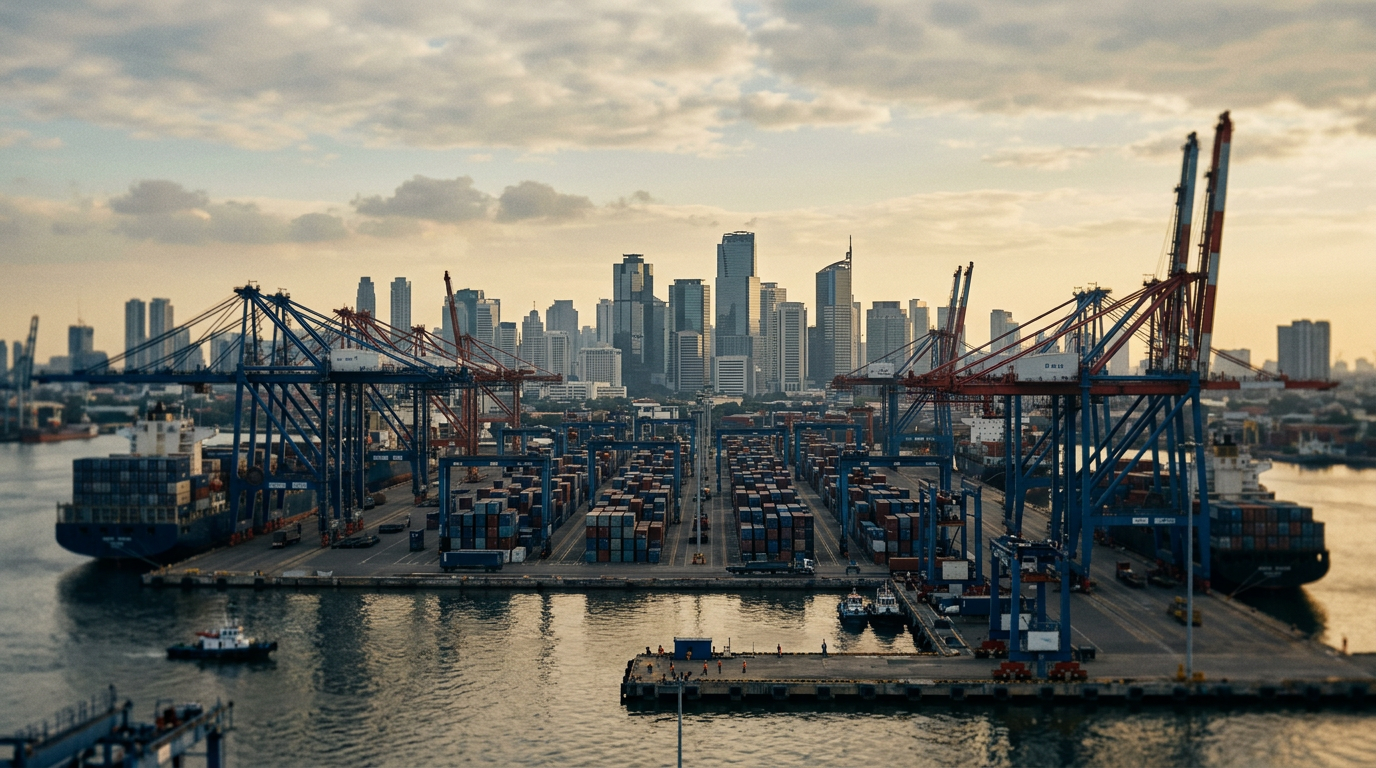
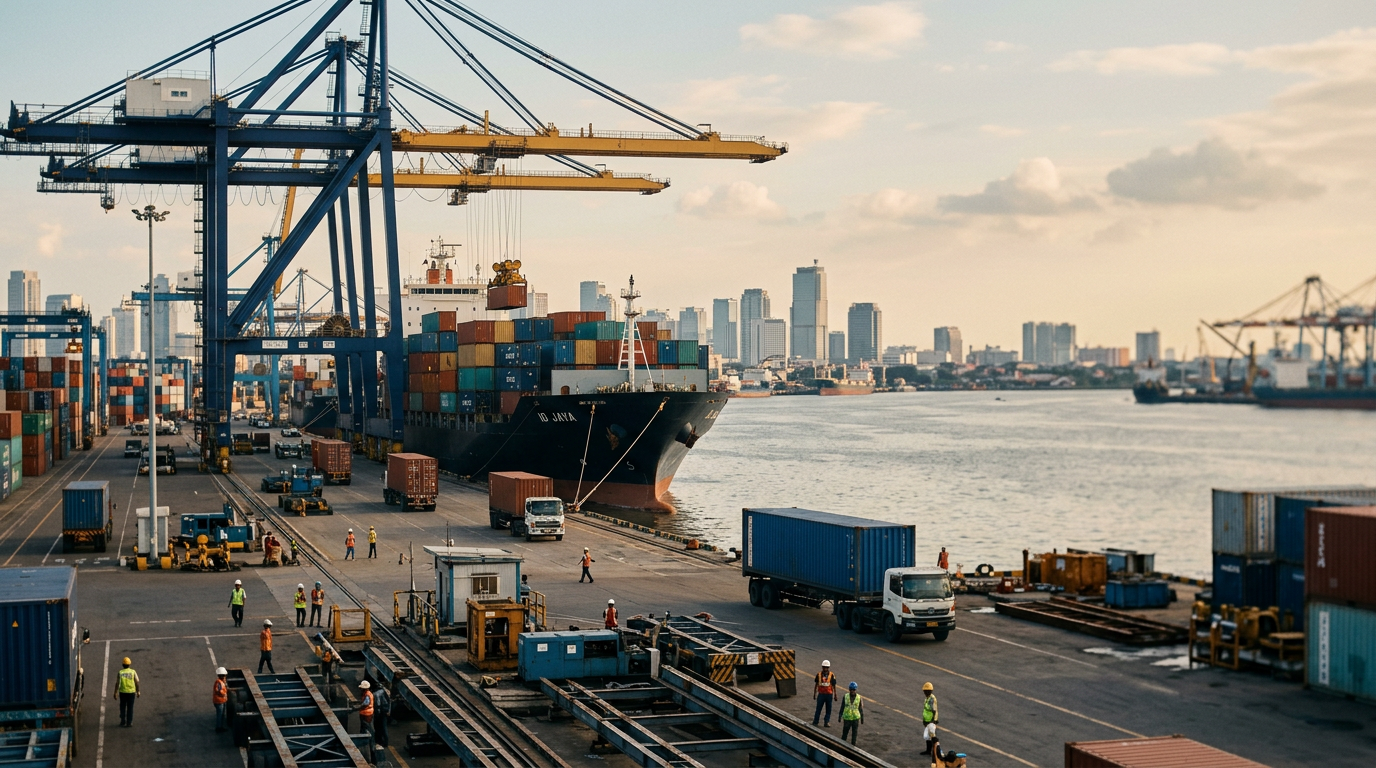
Beyond the institutional framework, the physical and human infrastructure of the host country is paramount. A commitment to invest billions in a new manufacturing facility or industrial park means little if there is inadequate access to land, a stable power supply, and efficient logistics to move goods. These are not minor details but fundamental requirements. As the book states, "realised flows depend on the slower work of land, permits, power and talent reaching the ground." For Indonesia, this means continuing its ambitious infrastructure development program, from ports and roads to digital connectivity, to create an environment where investment can thrive.
Equally important is the availability of skilled talent. Modern FDI often involves sophisticated manufacturing and services that require a workforce with specific technical and managerial skills. While Indonesia has a large and youthful population, ensuring that the education and training systems are aligned with the needs of investors is a persistent task. The development of human capital is a long-term project, but it is one that directly influences the quality and sustainability of foreign investment. Gulf investors, like any others, will assess the local talent pool when deciding where to allocate their funds.
What to watch
The Indonesian government's ability to follow through on its omnibus law reforms and infrastructure projects will determine if it can convert diplomatic goodwill from partners like the GCC into concrete investment. Observers should monitor not just the headline FDI announcement figures but also the quarterly realization data. The gap between these two numbers provides a clear indicator of how effectively the country is translating its inherent scale into genuine, on-the-ground economic development and building the trust required for long-term capital partnerships.