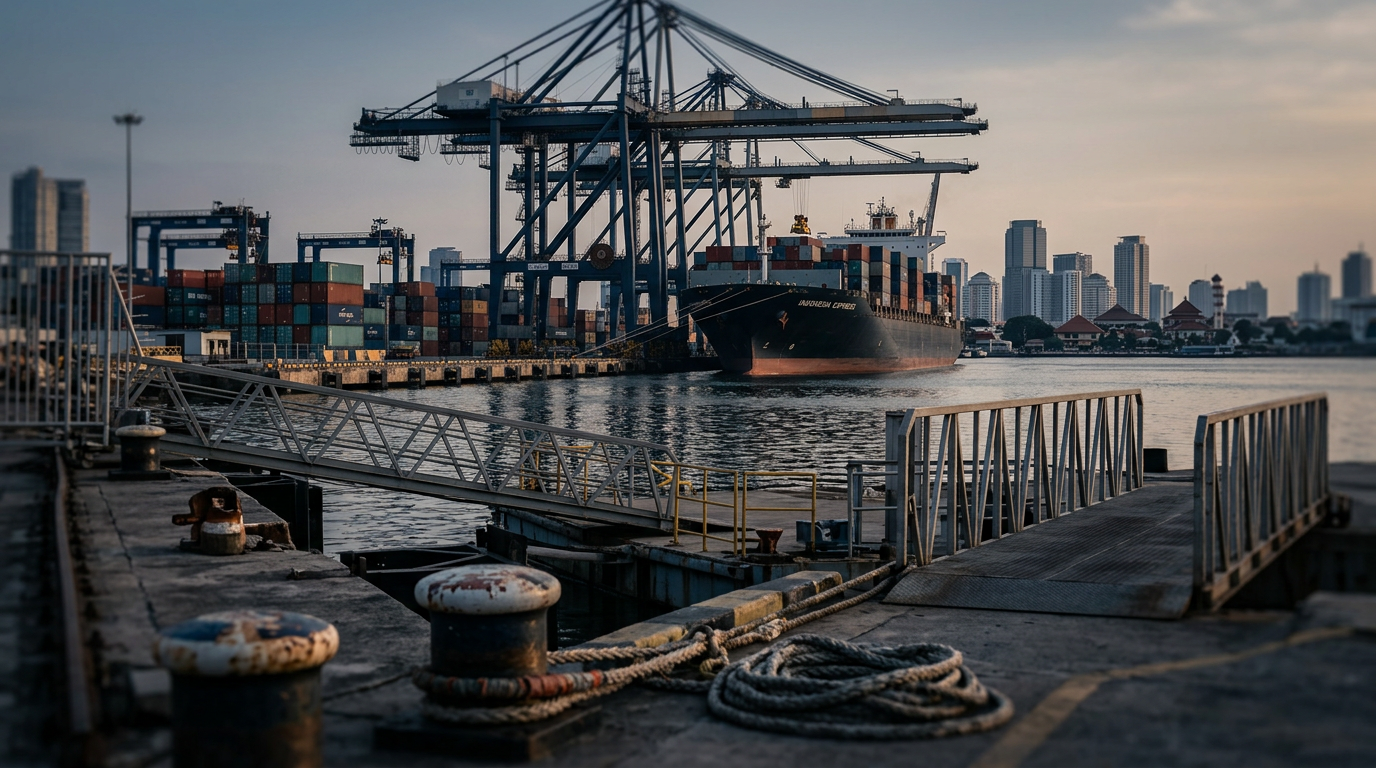
Indonesia
Foreign Investment: From Announcement to Execution
Foreign direct investment announcements travel quickly, but realised flows depend on the slower work of land, permits, power, and talent.
Manulife Investments Philippines recently warned that a weakening peso could reduce the attractiveness of Philippine government bonds to foreign investors, as reported by philstar.com. This highlights a distinction that is relevant across Southeast Asia: the difference between portfolio flows and foreign direct investment (FDI). While both are important, FDI represents a longer-term commitment to a country's economic future, involving not just capital but also a stake in the physical and institutional infrastructure of a nation.
Capital and Institutions
Portfolio investments, like bonds, are liquid and can be influenced by daily or weekly fluctuations in currency markets and interest rate differentials. A weakening currency can erode the returns for a foreign investor when they convert their proceeds back to their home currency, making these assets less appealing. This can lead to demands for higher yields to compensate for the additional risk.
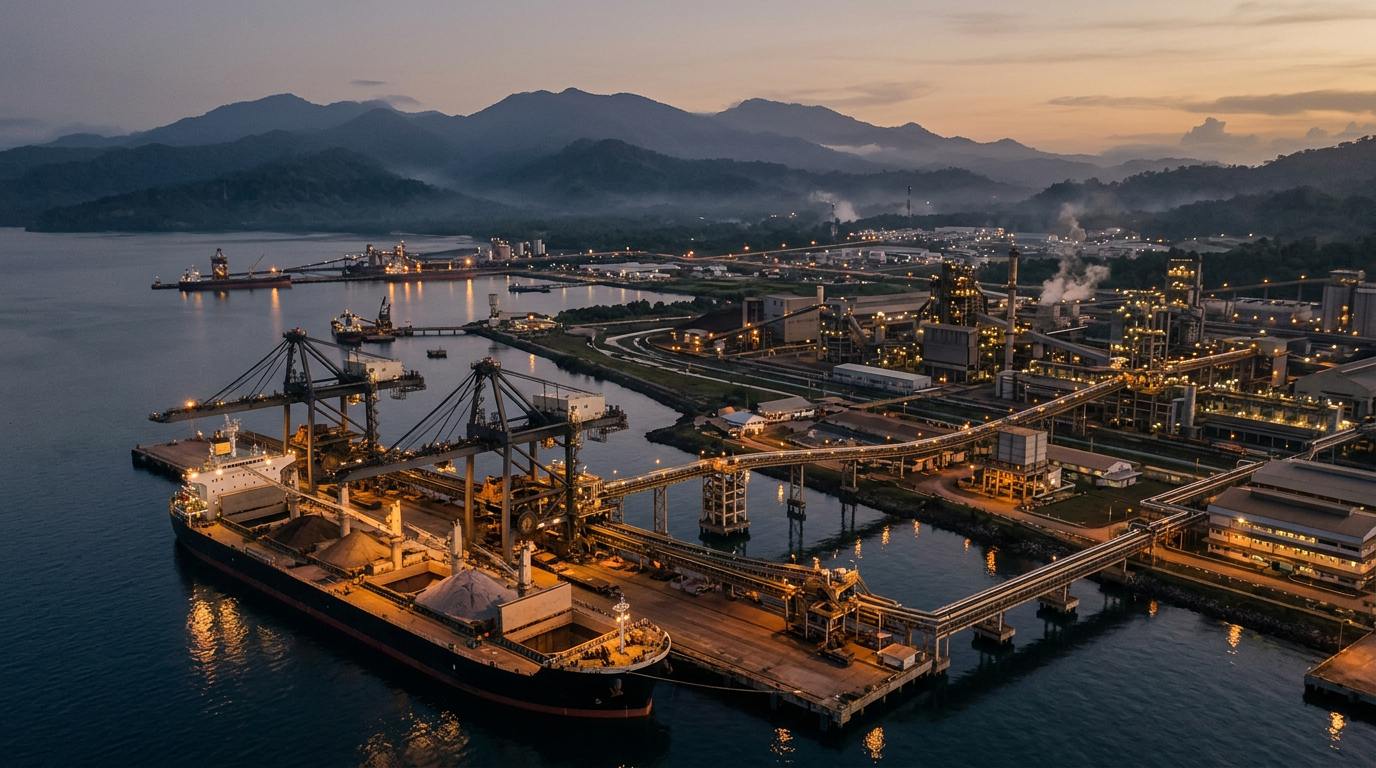
FDI, in contrast, involves building factories, developing mines, or establishing other physical operations. These are multi-year, often multi-decade, commitments. While currency risk is still a factor in the calculation, it is weighed against long-term growth prospects, market size, and the stability of the operating environment. The core challenge for ASEAN nations is to convert announced FDI intentions into tangible, productive assets on the ground. As the book "ASEAN Rising" notes, this requires strong institutions that can efficiently manage the complex processes of land acquisition, permitting, and regulatory compliance.
From Scale to Depth
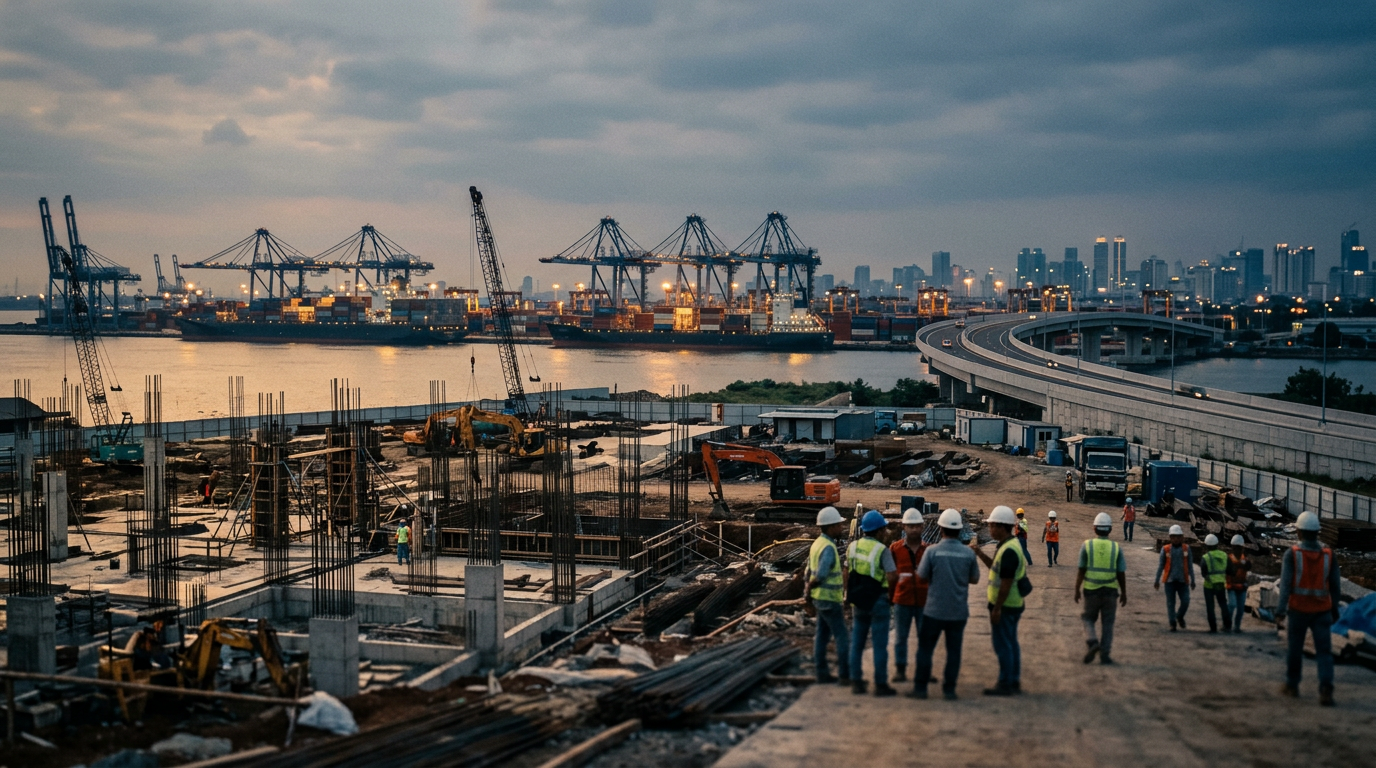
Indonesia provides a compelling case study. Its large population and market size are attractive headline features for investors. However, as the book points out, "scale matters only when institutions can turn it into investable depth." The real work of attracting and retaining FDI lies in the execution. A multi-billion dollar investment in a new manufacturing plant is not just a financial transaction; it is a complex project that depends on the coordinated action of multiple government agencies, reliable infrastructure like power and logistics, and the availability of a skilled local workforce.
Successfully navigating these challenges is what separates a press release from a functioning enterprise. Investors closely watch how smoothly these processes work. Delays in securing permits, disputes over land, or a lack of qualified talent can quickly sour an investment and deter future commitments. Therefore, the institutional capacity to deliver on these foundational elements is a primary driver of realised investment, far more so than short-term financial market sentiment.
What to watch
The focus for observers of ASEAN's economic development should be on the administrative and regulatory frameworks that govern direct investment. Progress in streamlining bureaucracy, ensuring transparent and predictable land acquisition processes, and aligning educational output with industry needs will be the true indicators of the region's ability to absorb and profit from global capital flows. The gap between announced FDI and realised FDI is a key metric for judging which countries are building the institutional muscle required for sustained growth.